Ecosystems
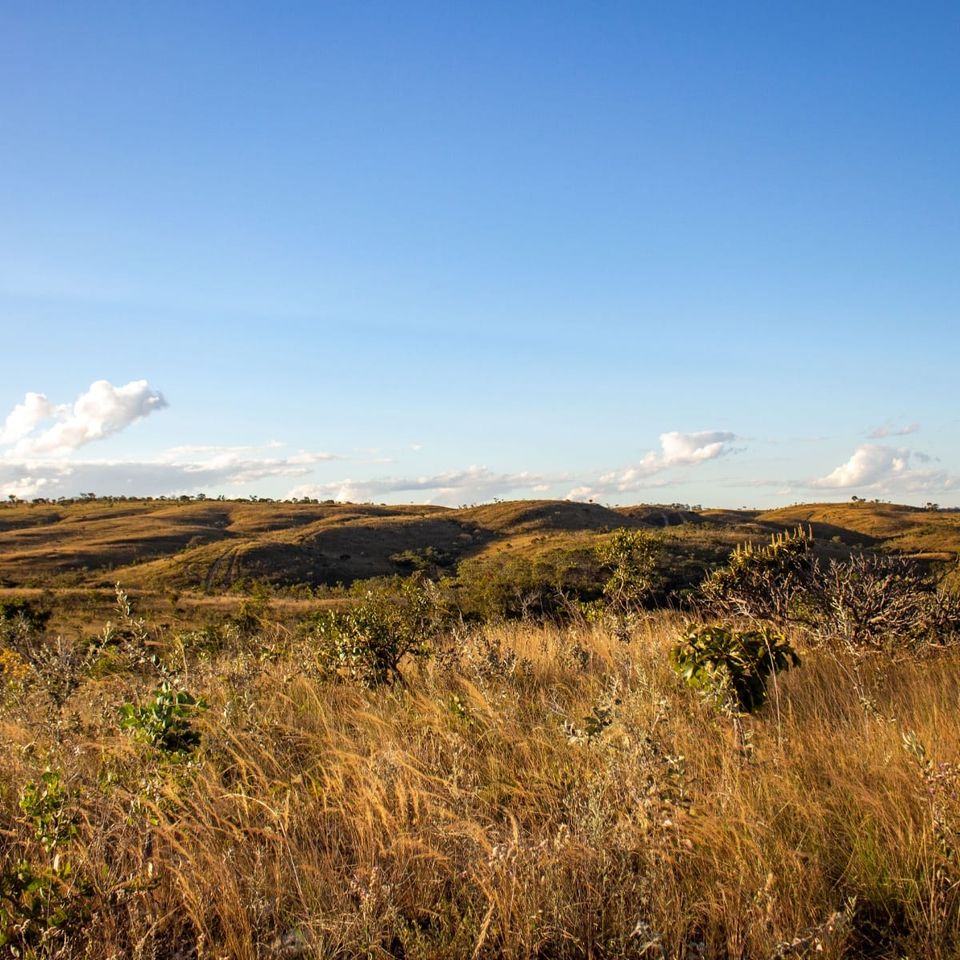
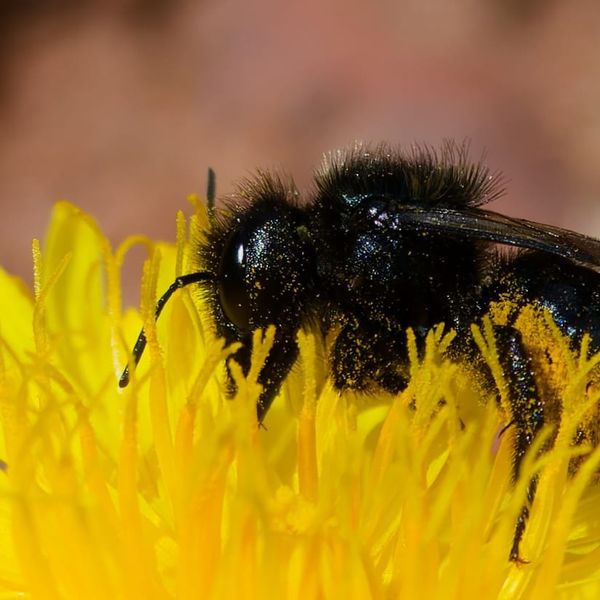
Seasons and Fire Set the Bee Menu in the Brazilian Cerrado
Study reveals that weekly floral turnover outweighs spatial distance and demonstrates how fire rebalances resource sharing among bees

The non-profit plant magazine
Lab science. Citizen science. Your source for plant science.
Ecosystems
Study reveals that weekly floral turnover outweighs spatial distance and demonstrates how fire rebalances resource sharing among bees
Ecosystems
An experimental study reveals that warming erodes the relationship between flowers and bees, even when temporal overlap is maintained.
Close Encounters
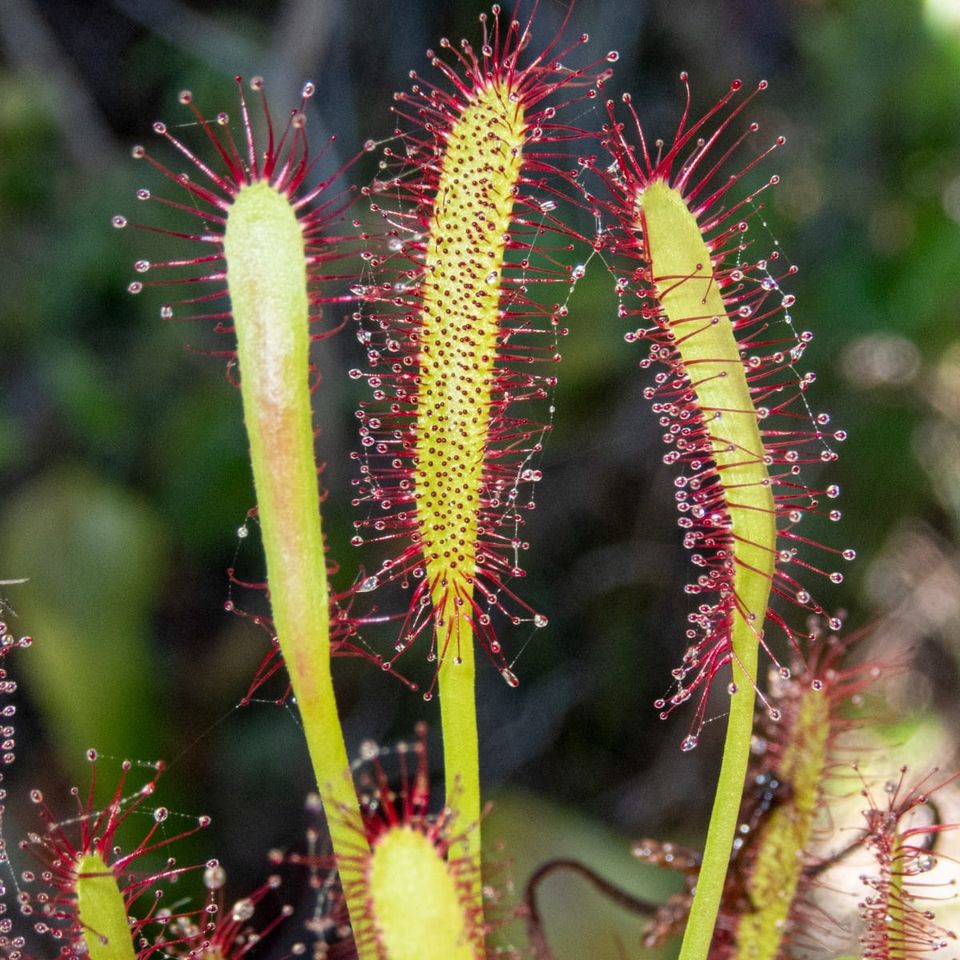
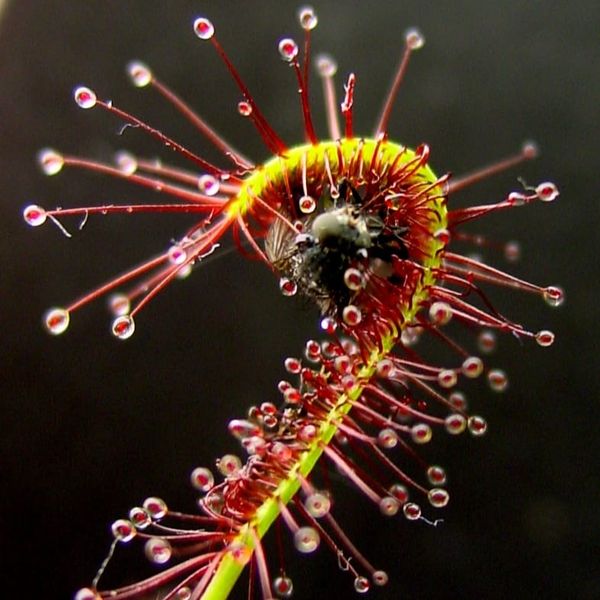
Inspired by the ecology of the Cape sundew, a team of scientists combined 4D printing and Artificial Intelligence to develop a microneedle patch capable of "gripping" the skin, preventing infections, and accelerating wound healing.
The Week in Botany
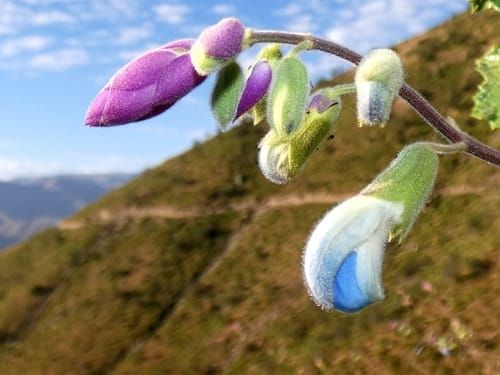
This week: poison, carnivores, weeds and more
Plant of the Week
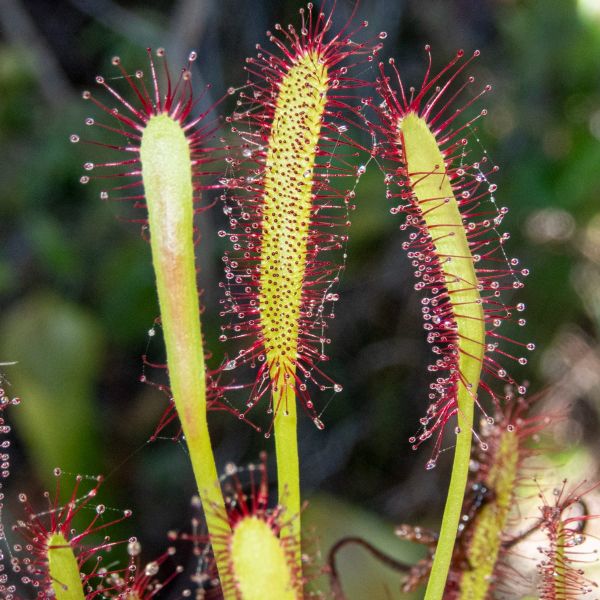
A sticky plant that sparks scientific curiosity and unexpected innovations.
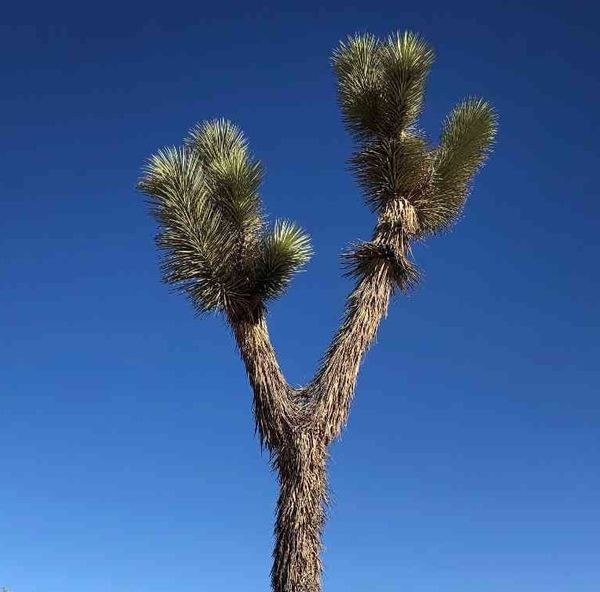
Science Shared
This week: roots, seaweeds, chirality, plant diversity and more

Puzzles
Celebrating Marianne North.
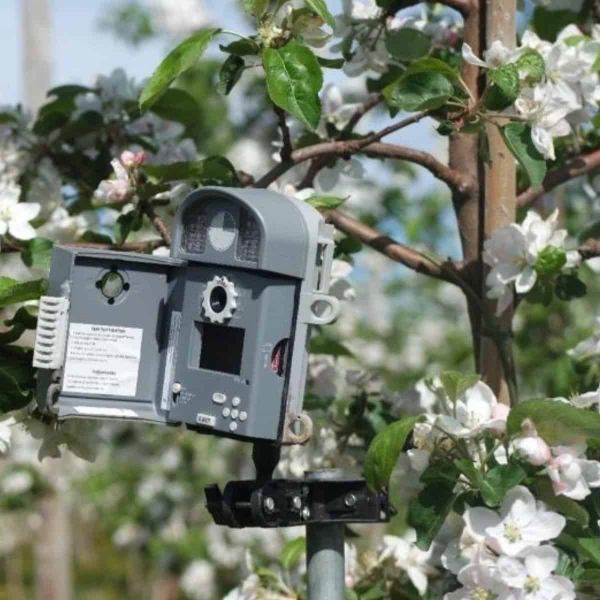
Close Encounters
A tidy orchard might not be a happy orchard.
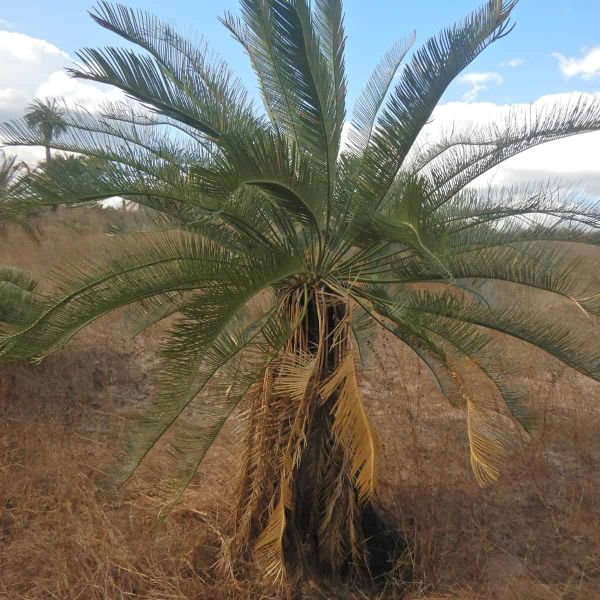
Cells, Genes & Molecules
Very carefully, or you pay attention to the indigenous people who have been doing it safely for a long time.

The Week in Botany
This week: Purple Gold, purple killers, and Mr Potato Head.
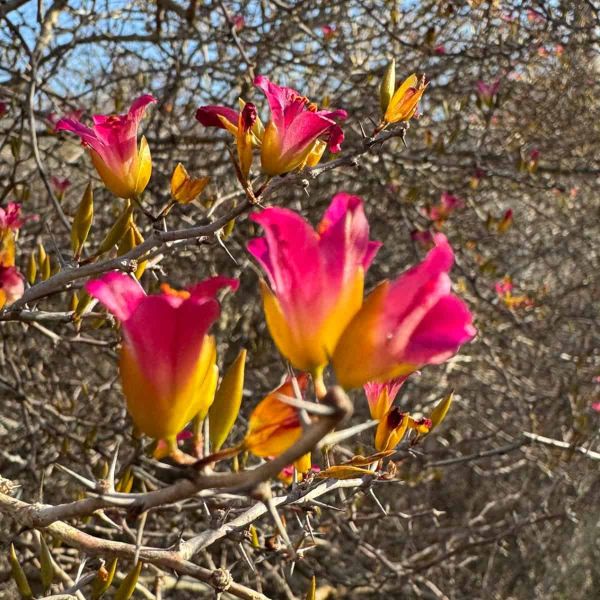
Plant of the Week
A plant on the edge of paradise.
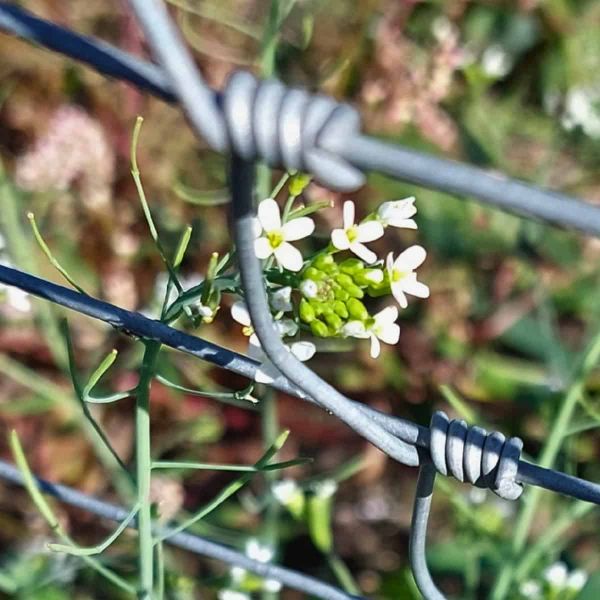
Science Shared
This week: Genetics dominates the most shared papers of the week
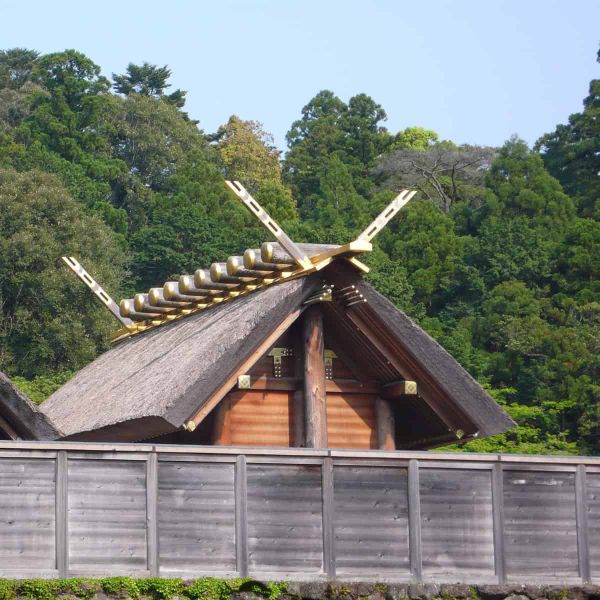
Puzzles
Kannamesai festival
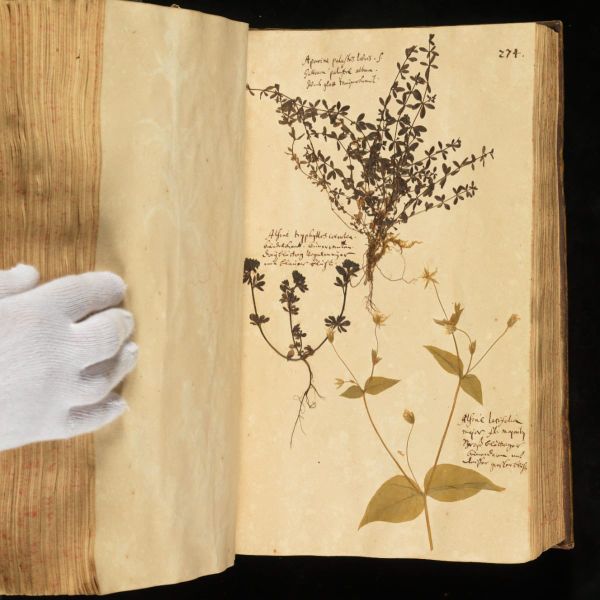
Digital Botany Focus Issue
Why digital botany matters now
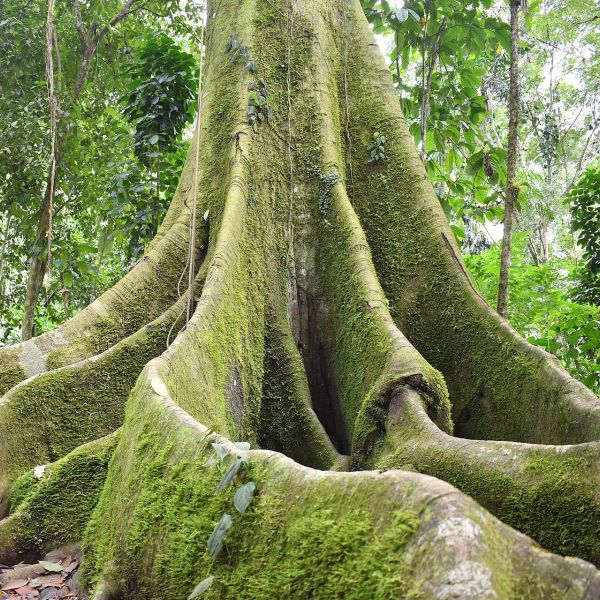
Plants & People
In Borneo’s forests, fear of spirits has achieved what many laws cannot: turning the farmland mosaic into safe sanctuaries for the jungle’s largest trees.
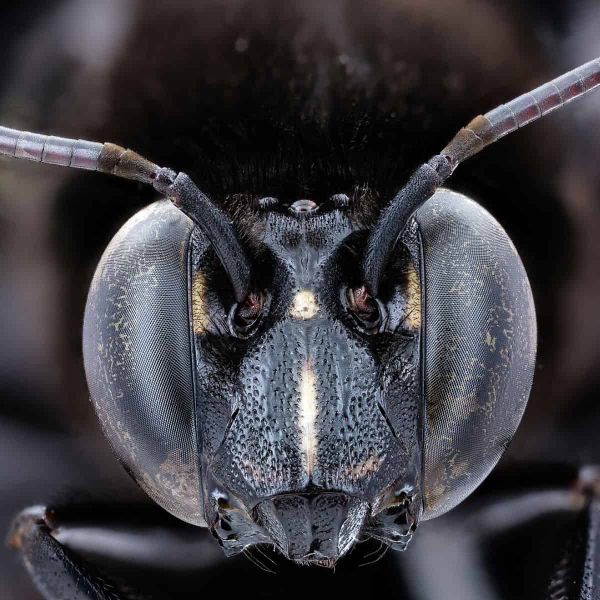
Close Encounters
Discover how orchid bees use surprising, non-floral sources to create perfumes that attract mates in the tropical forest.
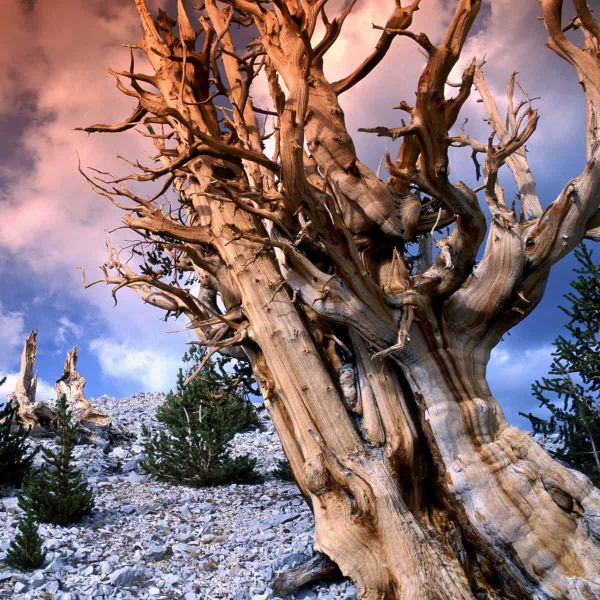
Cells, Genes & Molecules
Mareike Jezek shares the latest advances on epigenetic changes in trees – changes that “allow” plants to prepare their offspring for the environments they might face.

Botany One is a blog run by the Annals of Botany Company, a non-profit educational charity. The goal of the blog is to promote Botany in all its aspects as well as discuss the human issues involved in being a botanist.
The current editors are:
 ZH
ZH
 Home
Home Home
Home
You can read more about Botany One on our About page.
In addition to Botany One, the company currently publishes three journals, the Annals of Botany, AoB PLANTS, and in silico Plants.
The people behind our recent articles
Andressa is a Brazilian biologist and PhD student fascinated by flowers. Her current research explores how floral traits shape plant reproduction and pollinator attraction across tropical habitats, from natural ecosystems to urban landscapes.
Latest article: Seasons and Fire Set the Bee Menu in the Brazilian Cerrado
Andressa is a Brazilian biologist and PhD student fascinated by flowers. Her current research explores how floral traits shape plant reproduction and pollinator attraction across tropical habitats, from natural ecosystems to urban landscapes.
Latest article: How Global Warming Weakens Plant–Pollinator Partnerships
Erika is a Colombian biologist and ecologist passionate about tropical forests, primates and science communication. She holds an MSc in Ecology and Wildlife Conservation and works with @cienciatropical to connect people with biodiversity.
Latest article: From Hunter to Healer: How the "Deadly Embrace" of a Carnivorous Plant Inspires Skin-Healing Patches
Erika is a Colombian biologist and ecologist passionate about tropical forests, primates and science communication. She holds an MSc in Ecology and Wildlife Conservation and works with @cienciatropical to connect people with biodiversity.
Latest article: From Sacred Crop to Mr Potato Head: What Art Reveals About Our Relationship with Food
Pablo is a PhD student in Plant Biology at Universidade Federal de Minas Gerais (Brazil), where he researches photoprotective strategies and antioxidant potential of bryophytes from ferruginous outcrops.
Latest article: Can Small Pellets Help Mosses Rebuild Degraded Soils?
Andressa is a Brazilian biologist and PhD student fascinated by flowers. Her current research explores how floral traits shape plant reproduction and pollinator attraction across tropical habitats, from natural ecosystems to urban landscapes.
Latest article: The True Pollinators of the Amazon’s “Purple Gold”
Pablo is a PhD student in Plant Biology at Universidade Federal de Minas Gerais (Brazil), where he researches photoprotective strategies and antioxidant potential of bryophytes from ferruginous outcrops.
Latest article: When Does a Partnership Stop Working? Hornworts Reveal the Hidden Complexity of Symbiosis With Cyanobacteria
Ana is a Mexican scientist, with a background in biotech, plant breeding and data analysis currently living in Madagascar. Curious by nature, she loves exploring new topics, especially about plants.
Latest article: Not Just New Cats: The New Botanical Species Discovered in Ecuador’s Centinela Ridge
Victor is a biologist passionate about the processes that shape interactions between plants and pollinators. He is focused on understanding how urbanisation influences plant-pollinator interactions and how to make cities more pollinator-friendly.
Latest article: Should Cities Fight or Embrace Changing Nature?
Caroline Toth is a broad-spectrum botanist living in Las Cruces, New Mexico. She obtained her PhD from New Mexico State University, where she researched allelopathy. Her passions include art, writing, and making novel contributions to plant science.
Latest article: Going With the Flow: How Chemical Cues Shape Plant Strategies
Latest article: A familiar weed may be more diverse than we thought
Victor is a biologist passionate about the processes that shape interactions between plants and pollinators. He is focused on understanding how urbanisation influences plant-pollinator interactions and how to make cities more pollinator-friendly.
Latest article: Salt, Flowers and Bees
Erika is a Colombian biologist and ecologist passionate about tropical forests, primates and science communication. She holds an MSc in Ecology and Wildlife Conservation and works with @cienciatropical to connect people with biodiversity.
Latest article: Night Gardeners and Sticky Bottoms: The Unlikely Mistletoe Dispersers of Madagascar
Pablo is a PhD student in Plant Biology at Universidade Federal de Minas Gerais (Brazil), where he researches photoprotective strategies and antioxidant potential of bryophytes from ferruginous outcrops.
Latest article: Travelling Far Does Not Mean Living Long for Moss Spores
Andressa is a Brazilian biologist and PhD student fascinated by flowers. Her current research explores how floral traits shape plant reproduction and pollinator attraction across tropical habitats, from natural ecosystems to urban landscapes.
Latest article: Building Nature-Friendly Neighbourhoods
Olivia recently graduated from the University of Oxford with an integrated Master’s degree in Biology. In her final year, she specialised in plant cellular biology and developed a strong interest in t
Latest article: Plants Protect Chloroplasts by Slathering Them in Sunscreen
Giovanna (she/her) is a biologist with a PhD in Animal Biology who studies freshwater and marine crustaceans. She describes new species, clarifies their classification, and explores how they relate to their environment and can be conserved.
Latest article: An Unusual Plant and Its Even More Unusual Dispersers
Olivia recently graduated from the University of Oxford with an integrated Master’s degree in Biology. In her final year, she specialised in plant cellular biology and developed a strong interest in t
Latest article: Plant-Microbe Speed Dating Paves The Way For Sustainable Agriculture
Andressa is a Brazilian biologist and PhD student fascinated by flowers. Her current research explores how floral traits shape plant reproduction and pollinator attraction across tropical habitats, from natural ecosystems to urban landscapes.
Latest article: What Draws Pollinators to City Gardens?
Andressa is a Brazilian biologist and PhD student fascinated by flowers. Her current research explores how floral traits shape plant reproduction and pollinator attraction across tropical habitats, from natural ecosystems to urban landscapes.
Latest article: Your City’s Flowers Can Save Pollinators
Ana is a Mexican scientist, with a background in biotech, plant breeding and data analysis currently living in Madagascar. Curious by nature, she loves exploring new topics, especially about plants.
Latest article: Mariana López-Gordillo: The Case of the Disappearing Rose Scent
Giovanna (she/her) is a biologist with a PhD in Animal Biology who studies freshwater and marine crustaceans. She describes new species, clarifies their classification, and explores how they relate to their environment and can be conserved.
Latest article: Is the Presence of Invasive Seaweed Positive or Negative for Ecosystem Functions?
Pablo is a PhD student in Plant Biology at Universidade Federal de Minas Gerais (Brazil), where he researches photoprotective strategies and antioxidant potential of bryophytes from ferruginous outcrops.
Latest article: How Can Overlooked Plants Help Rebuild Ecosystems Transformed by Mining?
Erika is a Colombian biologist and ecologist passionate about tropical forests, primates and science communication. She holds an MSc in Ecology and Wildlife Conservation and works with @cienciatropical to connect people with biodiversity.
Latest article: The End of Papaya?: What Genomics Teaches Us About Its Survival
Pablo is a PhD student in Plant Biology at Universidade Federal de Minas Gerais (Brazil), where he researches photoprotective strategies and antioxidant potential of bryophytes from ferruginous outcrops.
Latest article: Bryophytes Reveal the Hidden Costs of Selective Logging
Erika is a Colombian biologist and ecologist passionate about tropical forests, primates and science communication. She holds an MSc in Ecology and Wildlife Conservation and works with @cienciatropical to connect people with biodiversity.
Latest article: Why Some Plants Need a Bear's Stomach to Sprout
Andressa is a Brazilian biologist and PhD student fascinated by flowers. Her current research explores how floral traits shape plant reproduction and pollinator attraction across tropical habitats, from natural ecosystems to urban landscapes.
Latest article: Meet the Brazilian Cerrado’s Greatest Impostor
Andressa is a Brazilian biologist and PhD student fascinated by flowers. Her current research explores how floral traits shape plant reproduction and pollinator attraction across tropical habitats, from natural ecosystems to urban landscapes.
Latest article: Ancient Tropical Mountaintop Plants Bet Big to Attract Pollinators
Victor is a biologist passionate about the processes that shape interactions between plants and pollinators. He is focused on understanding how urbanisation influences plant-pollinator interactions and how to make cities more pollinator-friendly.
Latest article: Flowers That Please People May Also Please Pollinators
Erika is a Colombian biologist and ecologist passionate about tropical forests, primates and science communication. She holds an MSc in Ecology and Wildlife Conservation and works with @cienciatropical to connect people with biodiversity.
Latest article: Why Do Lemurs Always Return to the Same Tree?
Pablo is a PhD student in Plant Biology at Universidade Federal de Minas Gerais (Brazil), where he researches photoprotective strategies and antioxidant potential of bryophytes from ferruginous outcrops.
Latest article: A Hidden Secret in the Only Terrestrial Plants With Pyrenoids May Inspire the Photosynthesis of Future Crop Plants
Andressa is a Brazilian biologist and PhD student fascinated by flowers. Her current research explores how floral traits shape plant reproduction and pollinator attraction across tropical habitats, from natural ecosystems to urban landscapes.
Latest article: The Amazon’s Invisible Network: How Animals and Trees Sustain the World’s Largest Rainforest
Andressa is a Brazilian biologist and PhD student fascinated by flowers. Her current research explores how floral traits shape plant reproduction and pollinator attraction across tropical habitats, from natural ecosystems to urban landscapes.
Latest article: How Climate and Pollinators Shape the Colour Palette of Brazilian Mountain Ecosystems
From field trips to botanical illustration, from writing plant stories to teaching Systematic Botany, and from imaging plant cells to becoming a plant scientist, I aim to make plants visible and bring their value and beauty to people’s lives.
Latest article: A New Hope for Contaminated Soil: Wild Plants and Microbes Can Work Together to Clean Up Oil Spills
Pablo is a PhD student in Plant Biology at Universidade Federal de Minas Gerais (Brazil), where he researches photoprotective strategies and antioxidant potential of bryophytes from ferruginous outcrops.
Latest article: Does a Moss From Antarctica Hide New Weapons Against Cancer?
Victor is a biologist passionate about the processes that shape interactions between plants and pollinators. He is focused on understanding how urbanisation influences plant-pollinator interactions and how to make cities more pollinator-friendly.
Latest article: The Banksia That Calls Beetles in the Dark
Juniper Kiss is a globe-trotting plant scientist and data-lover, Botany One Guest Editor and former writer, loves pretty plots, digi solutions, working with landowners, brambles and bananas.
Latest article: The Digital Biodiversity Revolution Needs More Than Data (Part 2)
Juniper Kiss is a globe-trotting plant scientist and data-lover, Botany One Guest Editor and former writer, loves pretty plots, digi solutions, working with landowners, brambles and bananas.
Latest article: The Digital Biodiversity Revolution Needs More Than Data
Erika is a Colombian biologist and ecologist passionate about tropical forests, primates and science communication. She holds an MSc in Ecology and Wildlife Conservation and works with @cienciatropical to connect people with biodiversity.
Latest article: After 400 Years, Scientists May Know Only a Third of Europe’s Seed-Dispersal Network
Andrés is a Colombian biologist fascinated by plant-animal interactions and eager to share nature stories and scientific knowledge beyond academia. He holds a master’s degree in ecology from the National Autonomous University of Mexico.
Latest article: The Cross-Cultural Partnership That Rediscovered Guatemala’s Lost Passionflower
Pablo is a PhD student in Plant Biology at Universidade Federal de Minas Gerais (Brazil), where he researches photoprotective strategies and antioxidant potential of bryophytes from ferruginous outcrops.
Latest article: Antarctica’s First Assessed Plant Is Already Endangered
Victor is a biologist passionate about the processes that shape interactions between plants and pollinators. He is focused on understanding how urbanisation influences plant-pollinator interactions and how to make cities more pollinator-friendly.
Latest article: The Parasitic Plant That Changes Its Perfume
From field trips to botanical illustration, from writing plant stories to teaching Systematic Botany, and from imaging plant cells to becoming a plant scientist, I aim to make plants visible and bring their value and beauty to people’s lives.
Latest article: Can plants remember a stressful past?
Victor is a biologist passionate about the processes that shape interactions between plants and pollinators. He is focused on understanding how urbanisation influences plant-pollinator interactions and how to make cities more pollinator-friendly.
Latest article: The Flower That Tells Pollinators to Move On
Erika is a Colombian biologist and ecologist passionate about tropical forests, primates and science communication. She holds an MSc in Ecology and Wildlife Conservation and works with @cienciatropical to connect people with biodiversity.
Latest article: How Seeds Travelled Through Plant History
Juniper Kiss is a globe-trotting plant scientist and data-lover, Botany One Guest Editor and former writer, loves pretty plots, digi solutions, working with landowners, brambles and bananas.
Latest article: Editorial Reflection: Digital Botany, One Story at a Time
Ben is a New Zealand-born, London-based ecology graduate surveying mycorrhizal diversity as part of the RBG Kew team. He is passionate about natural history collections and excited to spotlight their stories as a Botany One guest writer.
Latest article: The Ecology of a Herbarium: How Te Papa connects plants, people, and data
Erika is a Colombian biologist and ecologist passionate about tropical forests, primates and science communication. She holds an MSc in Ecology and Wildlife Conservation and works with @cienciatropical to connect people with biodiversity.
Latest article: How Your iNaturalist Photos Feed the Digital Botany Revolution
Victor is a biologist passionate about the processes that shape interactions between plants and pollinators. He is focused on understanding how urbanisation influences plant-pollinator interactions and how to make cities more pollinator-friendly.
Latest article: High in the Mountains, Every Degree Matters for Pollinators
Erika is a Colombian biologist and ecologist passionate about tropical forests, primates and science communication. She holds an MSc in Ecology and Wildlife Conservation and works with @cienciatropical to connect people with biodiversity.
Latest article: Scaled Gardeners: How Fish Dictate the Future of the Amazonian Flooded Forest
Juniper Kiss is a globe-trotting plant scientist and data-lover, Botany One Guest Editor and former writer, loves pretty plots, digi solutions, working with landowners, brambles and bananas.
Latest article: María Susana Sánchez Chávez on EDGE, data and conserving Pinus culminicola on the ground in Mexico
Magda (she/her) trained as a field ecologist, but made the pivot to herbarium digitisation and curation in 2023 at Royal Botanic Gardens Kew. She will be joining Trinity College Dublin this autumn.
Latest article: Interview with Bob Allkin about Name Games: How to Untangle the Web of Plant Names and Uses?
Ana is a Mexican scientist, with a background in biotech, plant breeding and data analysis currently living in Madagascar. Curious by nature, she loves exploring new topics, especially about plants.
Latest article: Unravelling Human-Plant Connections
Erika is a Colombian biologist and ecologist passionate about tropical forests, primates and science communication. She holds an MSc in Ecology and Wildlife Conservation and works with @cienciatropical to connect people with biodiversity.
Latest article: The Plants Closest to Extinction Are the Ones Science Often Knows Least
Erika is a Colombian biologist and ecologist passionate about tropical forests, primates and science communication. She holds an MSc in Ecology and Wildlife Conservation and works with @cienciatropical to connect people with biodiversity.
Latest article: Will State Flowers and Insects Leave Home?
Magda (she/her) trained as a field ecologist, but made the pivot to herbarium digitisation and curation in 2023 at Royal Botanic Gardens Kew. She will be joining Trinity College Dublin this autumn.
Latest article: Lights, Camera, Action! Behind the lens of Kew’s mass herbarium digitisation project
Magda (she/her) trained as a field ecologist, but made the pivot to herbarium digitisation and curation in 2023 at Royal Botanic Gardens Kew. She will be joining Trinity College Dublin this autumn.
Latest article: Heather Cole: Best Tricks, Equipment and Software for Digitisation
Ben is a New Zealand-born, London-based ecology graduate surveying mycorrhizal diversity as part of the RBG Kew team. He is passionate about natural history collections and excited to spotlight their stories as a Botany One guest writer.
Latest article: How Digitisation Gives Specimens More Meaning: The Fungal Collections and Networks of Greta Stevenson
Pablo is a PhD student in Plant Biology at Universidade Federal de Minas Gerais (Brazil), where he researches photoprotective strategies and antioxidant potential of bryophytes from ferruginous outcrops.
Latest article: Lichens and Bryophytes Reveal the Effects of Urban Heat
Filippo Guzzon is a plant biologist working on seed biology and genebank management, with a side interest in ethnobotany. He has worked with different organisations across Europe, Latin America and the South Pacific.
Latest article: How to Keep Track of 2 million Crop Accessions
Erika is a Colombian biologist and ecologist passionate about tropical forests, primates and science communication. She holds an MSc in Ecology and Wildlife Conservation and works with @cienciatropical to connect people with biodiversity.
Latest article: The Fragrant Library: Can a Perfume Bottle Save a Rainforest?
Ana is a Mexican scientist, with a background in biotech, plant breeding and data analysis currently living in Madagascar. Curious by nature, she loves exploring new topics, especially about plants.
Latest article: Turning Plants into Data: A Deeply Human Experience
Juniper Kiss is a globe-trotting plant scientist and data-lover, Botany One Guest Editor and former writer, loves pretty plots, digi solutions, working with landowners, brambles and bananas.
Latest article: Introducing Botany One’s Digital Botany Special Focus Issue
Erika is a Colombian biologist and ecologist passionate about tropical forests, primates and science communication. She holds an MSc in Ecology and Wildlife Conservation and works with @cienciatropical to connect people with biodiversity.
Latest article: Have We Forgotten the Names of Plants?
Andrés is a Colombian biologist fascinated by plant-animal interactions and eager to share nature stories and scientific knowledge beyond academia. He holds a master’s degree in ecology from the National Autonomous University of Mexico.
Latest article: What Would a Flower Need an Elephant’s Trunk For?
Erika is a Colombian biologist and ecologist passionate about tropical forests, primates and science communication. She holds an MSc in Ecology and Wildlife Conservation and works with @cienciatropical to connect people with biodiversity.
Latest article: The Silent Partner: The Real Value of Pollination in Daily Life
Dr Jezek is an Assistant Editor at the Journal of Experimental Botany, one of the official journals of the Society for Experimental Biology.
Latest article: Primed Plants are Prime Plants
Latest article: Blank Spaces No More
Pablo is a PhD student in Plant Biology at Universidade Federal de Minas Gerais (Brazil), where he researches photoprotective strategies and antioxidant potential of bryophytes from ferruginous outcrops.
Latest article: Bryophytes May Repel Snails Without Contaminating Crops
Erika is a Colombian biologist and ecologist passionate about tropical forests, primates and science communication. She holds an MSc in Ecology and Wildlife Conservation and works with @cienciatropical to connect people with biodiversity.
Latest article: The Jungle’s Heaviest Courier Service: The Case of Tent-Roosting Bats
Andrés is a Colombian biologist fascinated by plant-animal interactions and eager to share nature stories and scientific knowledge beyond academia. He holds a master’s degree in ecology from the National Autonomous University of Mexico.
Latest article: Ancient Sacred Stories Shed Light on the Long-debated Ecological Value of Indian Savannas
Pablo is a PhD student in Plant Biology at Universidade Federal de Minas Gerais (Brazil), where he researches photoprotective strategies and antioxidant potential of bryophytes from ferruginous outcrops.
Latest article: Mosses Also Master Aluminium Storage
Latest article: From Pot Plant to Cliff Invader
Erika is a Colombian biologist and ecologist passionate about tropical forests, primates and science communication. She holds an MSc in Ecology and Wildlife Conservation and works with @cienciatropical to connect people with biodiversity.
Latest article: Can a Garden Change How You Feel About Wildlife?
Erika is a Colombian biologist and ecologist passionate about tropical forests, primates and science communication. She holds an MSc in Ecology and Wildlife Conservation and works with @cienciatropical to connect people with biodiversity.
Latest article: What It Takes to Get Europe Watching Flowers
Erika is a Colombian biologist and ecologist passionate about tropical forests, primates and science communication. She holds an MSc in Ecology and Wildlife Conservation and works with @cienciatropical to connect people with biodiversity.
Latest article: Smells Like Green City?
Erika is a Colombian biologist and ecologist passionate about tropical forests, primates and science communication. She holds an MSc in Ecology and Wildlife Conservation and works with @cienciatropical to connect people with biodiversity.
Latest article: Fizz With a Conscience: Reintegrating Indigenous Knowledge Into Australia’s Native Food Industry
Pablo is a PhD student in Plant Biology at Universidade Federal de Minas Gerais (Brazil), where he researches photoprotective strategies and antioxidant potential of bryophytes from ferruginous outcrops.
Latest article: What Our Footsteps Leave Behind: the Silent Impact of Tourist Trails on Lichens and Bryophytes
Victor is a biologist passionate about the processes that shape interactions between plants and pollinators. He is focused on understanding how urbanisation influences plant-pollinator interactions and how to make cities more pollinator-friendly.
Latest article: When Beetles Take the Lead in Orchid Romance
Erika is a Colombian biologist and ecologist passionate about tropical forests, primates and science communication. She holds an MSc in Ecology and Wildlife Conservation and works with @cienciatropical to connect people with biodiversity.
Latest article: Healing at What Cost? The Conservation Status of Britain’s Herbs
Victor is a biologist passionate about the processes that shape interactions between plants and pollinators. He is focused on understanding how urbanisation influences plant-pollinator interactions and how to make cities more pollinator-friendly.
Latest article: What if a Flower Never Needed a Pollinator at All?
Pablo is a PhD student in Plant Biology at Universidade Federal de Minas Gerais (Brazil), where he researches photoprotective strategies and antioxidant potential of bryophytes from ferruginous outcrops.
Latest article: Earthworms: The Invisible Gardeners of Tropical Bryophytes
Andrés is a Colombian biologist fascinated by plant-animal interactions and eager to share nature stories and scientific knowledge beyond academia. He holds a master’s degree in ecology from the National Autonomous University of Mexico.
Latest article: Eau De Fourmi Mourante: A Bizarre Floral Fragrance To Attract the Right Lover
Pablo is a PhD student in Plant Biology at Universidade Federal de Minas Gerais (Brazil), where he researches photoprotective strategies and antioxidant potential of bryophytes from ferruginous outcrops.
Latest article: Between Drought and Rain: How a Tropical Moss Teaches Us To Survive in an Increasingly Unstable Climate
Victor is a biologist passionate about the processes that shape interactions between plants and pollinators. He is focused on understanding how urbanisation influences plant-pollinator interactions and how to make cities more pollinator-friendly.
Latest article: Rising From the Ashes with the Sunbirds
Erika is a Colombian biologist and ecologist passionate about tropical forests, primates and science communication. She holds an MSc in Ecology and Wildlife Conservation and works with @cienciatropical to connect people with biodiversity.
Latest article: Lights, Camera, Bloom!
Victor is a biologist passionate about the processes that shape interactions between plants and pollinators. He is focused on understanding how urbanisation influences plant-pollinator interactions and how to make cities more pollinator-friendly.
Latest article: Bogotá Through Butterfly Eyes
Juniper Kiss is a globe-trotting plant scientist and data-lover, Botany One Guest Editor and former writer, loves pretty plots, digi solutions, working with landowners, brambles and bananas.
Latest article: Plant Hunt
Olivia recently graduated from the University of Oxford with an integrated Master’s degree in Biology. In her final year, she specialised in plant cellular biology and developed a strong interest in t
Latest article: Flora in Focus: A Journey into the Microscopic Life of Plants
From field trips to botanical illustration, from writing plant stories to teaching Systematic Botany, and from imaging plant cells to becoming a plant scientist, I aim to make plants visible and bring their value and beauty to people’s lives.
Latest article: When Flowers Go Silent
Erika is a Colombian biologist and ecologist passionate about tropical forests, primates and science communication. She holds an MSc in Ecology and Wildlife Conservation and works with @cienciatropical to connect people with biodiversity.
Latest article: More Heart than Logic: What Drives a Scientist to Pursue Botany?
Latest article: How plants know when they are too close to each other
Victor is a biologist passionate about the processes that shape interactions between plants and pollinators. He is focused on understanding how urbanisation influences plant-pollinator interactions and how to make cities more pollinator-friendly.
Latest article: Anything Goes When You Live in a Crack
Pablo is a PhD student in Plant Biology at Universidade Federal de Minas Gerais (Brazil), where he researches photoprotective strategies and antioxidant potential of bryophytes from ferruginous outcrops.
Latest article: From concrete jungles to living carpets: how moss on bioreceptive concrete can transform our cities
Erika is a Colombian biologist and ecologist passionate about tropical forests, primates and science communication. She holds an MSc in Ecology and Wildlife Conservation and works with @cienciatropical to connect people with biodiversity.
Latest article: The Guardians of the Fig: How Borneo’s Spirits Protect a Keystone Tree