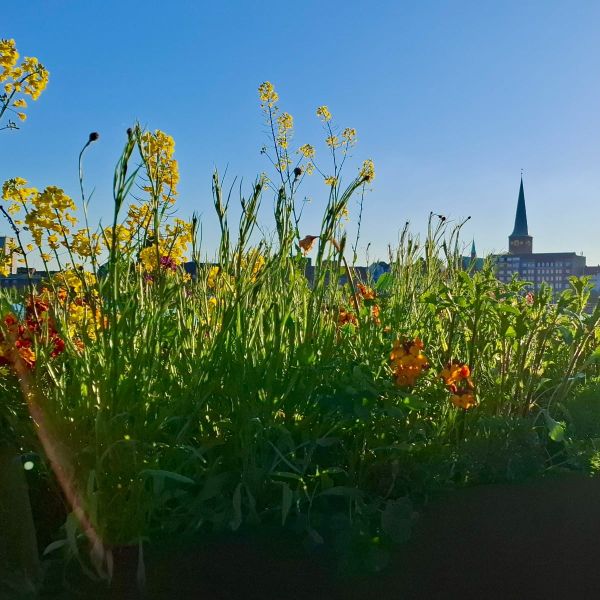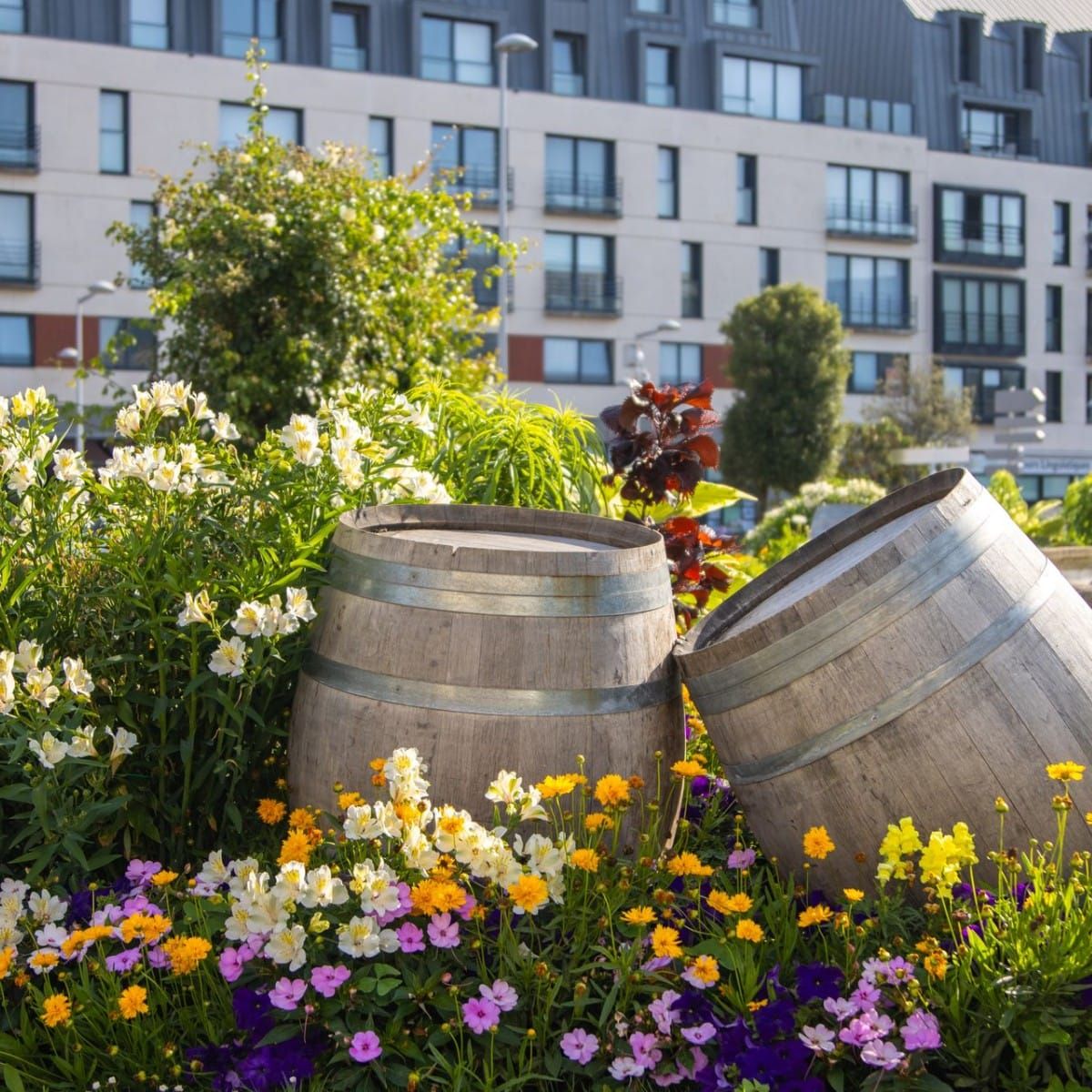

What makes more bees and butterflies visit the flowers in a garden? Is it the size of the space? The city's climate? Or perhaps quieter neighbourhoods away from heavy traffic noise?
The study revealed that the number of plant species in a garden depends directly on two factors: the size of the area and its location on the urban map. Larger gardens offer more room for different types of vegetation, such as trees, lawns, and flowerbeds, naturally accommodating a wider variety of plant species. In other words: the larger, the better. Meanwhile, suburban gardens displayed greater plant richness than those located either in dense city centres or in rural areas.
Why is that? Rural gardens tend to be more isolated from one another, whilst dense, bustling city centres suffer from a lack of exposed soil. The suburbs combine the best of both worlds, offering gardens close to each other alongside the physical space needed for planting.
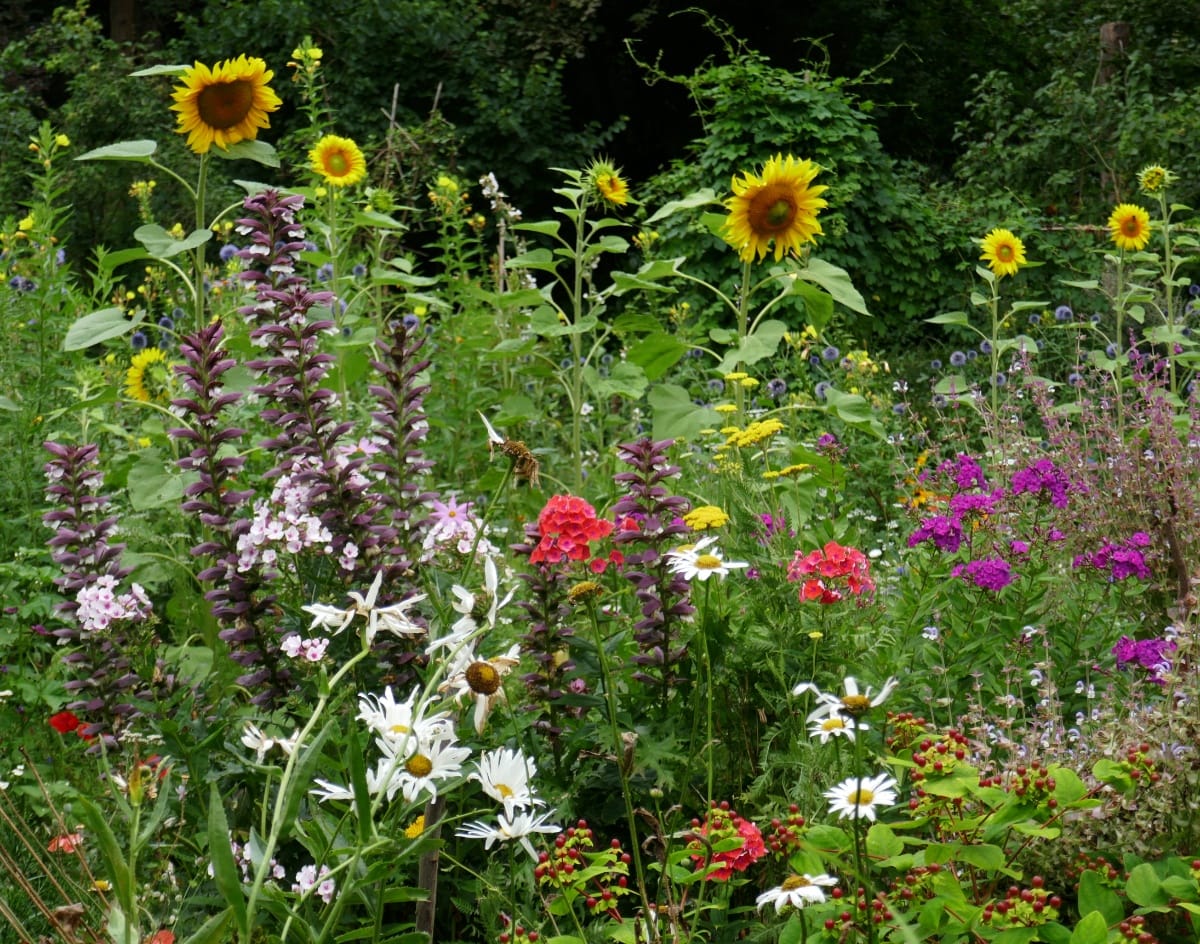
Plant diversity is the secret to vibrant gardens bursting with life. The study demonstrated that pollinator richness increases when there are more flowering plant species available.
Furthermore, local climate played a notable role in the findings. Areas with higher annual rainfall recorded a greater diversity of insect species. Water allows plants to produce more nectar and bloom more vigorously, creating the ideal setting for floral visitors.
The researchers wanted to investigate whether closely related plants, evolutionary “relatives”, attracted the same insects in a specialised manner. In ecology, an interaction is termed specialised when an insect visits only a very specific group of flowers.
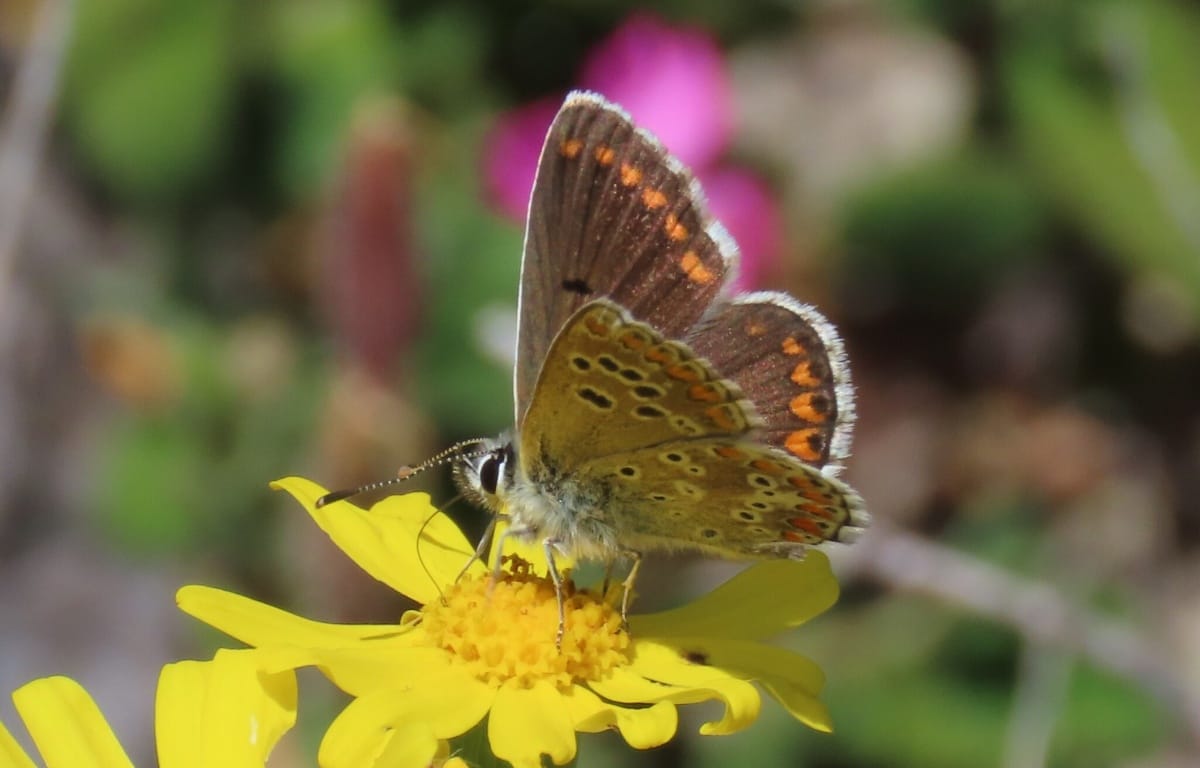
However, that was not what they found. Because gardens are shaped by human choices, bringing together native, non-native, and cultivated varieties, a plant’s evolutionary lineage does not dictate visit specialisation. What genuinely matters are the individual traits of each flower, such as its shape and the type of reward offered at the time of blooming.
Ultimately, when it comes to attracting and safeguarding pollinators in our gardens, the size of the space and the diversity of plants open the door to these tiny urban dwellers, but the unique details of each flower determine how this cohabitation unfolds. Unlike forests and natural habitats, which are governed by climate, soil conditions, and many other environmental factors, gardens are fundamentally driven by human decisions. We water, fertilise, and protect the vegetation. This demonstrates that we hold the power to turn any garden into a genuine sanctuary for biodiversity
READ THE ARTICLE:
Sousa Perugini, L. G., A. R. Rech, J. Ollerton, and L. R. Jorge. 2026. “Global Drivers of Plant–Pollinator Interaction Specialization in Gardens.” Ecology and Evolution 16, no. 4: e73341. https://doi.org/10.1002/ece3.73341.
Portuguese translation by Andressa Luna.
Cover Picture by Efrem Efre (Pexels).