
When you walk through the Brazilian Cerrado and look down at the ground, you might find a myriad of flowers blooming within a single square metre. Take five more steps, and that diversity may have completely changed. Two weeks later, in that very same spot, the earlier blooms may well have vanished to make way for entirely new species. In the Cerrado, plant life does not unfold at an even pace. It is a dynamic dance orchestrated by two grand conductors: time and fire.
A study published in Annals of Botany showed how the taxonomic, functional, and phylogenetic diversity of bee-pollinated plants and their interactions with bees are structured across time and space, analysing data from 1,200 small 1 m² plots over two years. The aim was to determine what drives greater change in floral display and bee visits: the physical distance between patches or the passing of weeks? And what happens when a fire sweeps through this mosaic?
Distance did not explain the differences between the flowers. Two neighbouring square metres could be just as different from one another as two points hundreds of metres apart. The true conductor of change is time. The Cerrado's rapid phenological succession means that the composition of flowering plant species shifts continuously every few weeks, ensuring a steady, ever-renewing supply of nectar and pollen for pollinators.
Yet when a fire struck part of the study area, the researchers were able to compare the exact “before and after”. The fire broke dormancy and stimulated the flowering of several adapted species, increasing the likelihood of finding blooms scattered across the terrain. However, there was a decrease in the overall abundance of flowers, owing to bud damage on woody species such as trees and shrubs. Even so, the diversity of floral shapes and evolutionary lineages remained stable, ensuring that varied types of resources continued to be available for bees. The bees responded swiftly to this altered landscape. Although the number of visits per flower dropped temporarily, the bees began foraging across the terrain in a much broader, more evenly distributed manner.
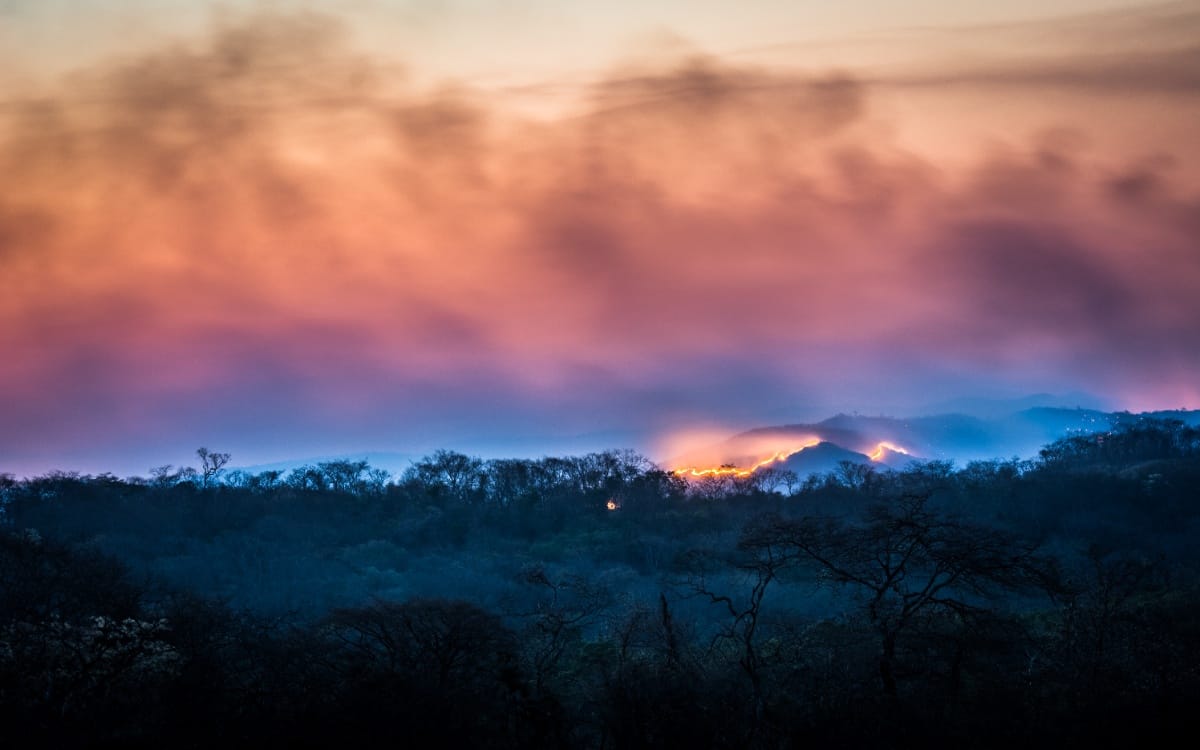
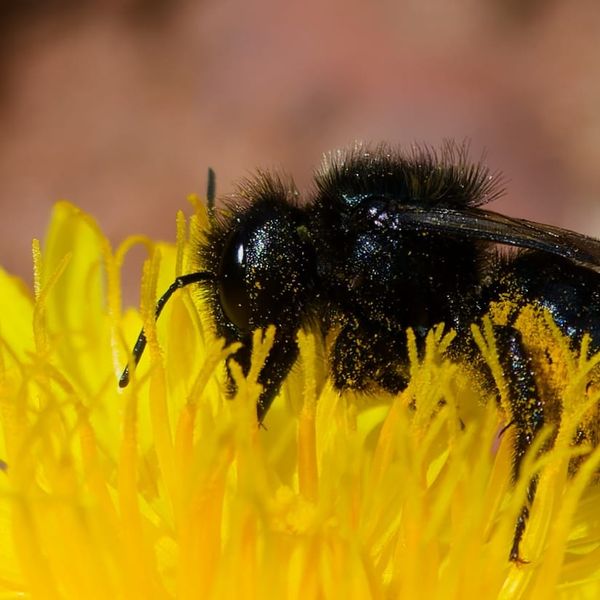
Furthermore, fire reduced the abundance of tree flowers, curtailed the dominance of the honeybee (Apis mellifera), creating space and opportunities for diverse solitary and social native bees to visit Cerrado flowers, giving native species a fighting chance.
Conserving the Cerrado calls for an understanding of the harmony within this vast ecological symphony. It is a duet between time and fire where every movement matters: the coexistence of burned and unburned patches, the rapid turnover of flowers week by week, and the many other factors explored across ecological research together compose the arrangement that keeps the dance of native pollinators fine-tuned and resilient, conducting the continuous entrance of new floral instruments.
READ THE ARTICLE:
Ballarin, C. S., Fidelis, A., Maruyama, P. K., & Amorim, F. W. (2026). Fire-driven fine-scale diversity of Cerrado flowering plants and their bee pollinators in space and time. Annals of Botany, mcag033. https://doi.org/10.1093/aob/mcag033
Portuguese translation by Andressa Luna.
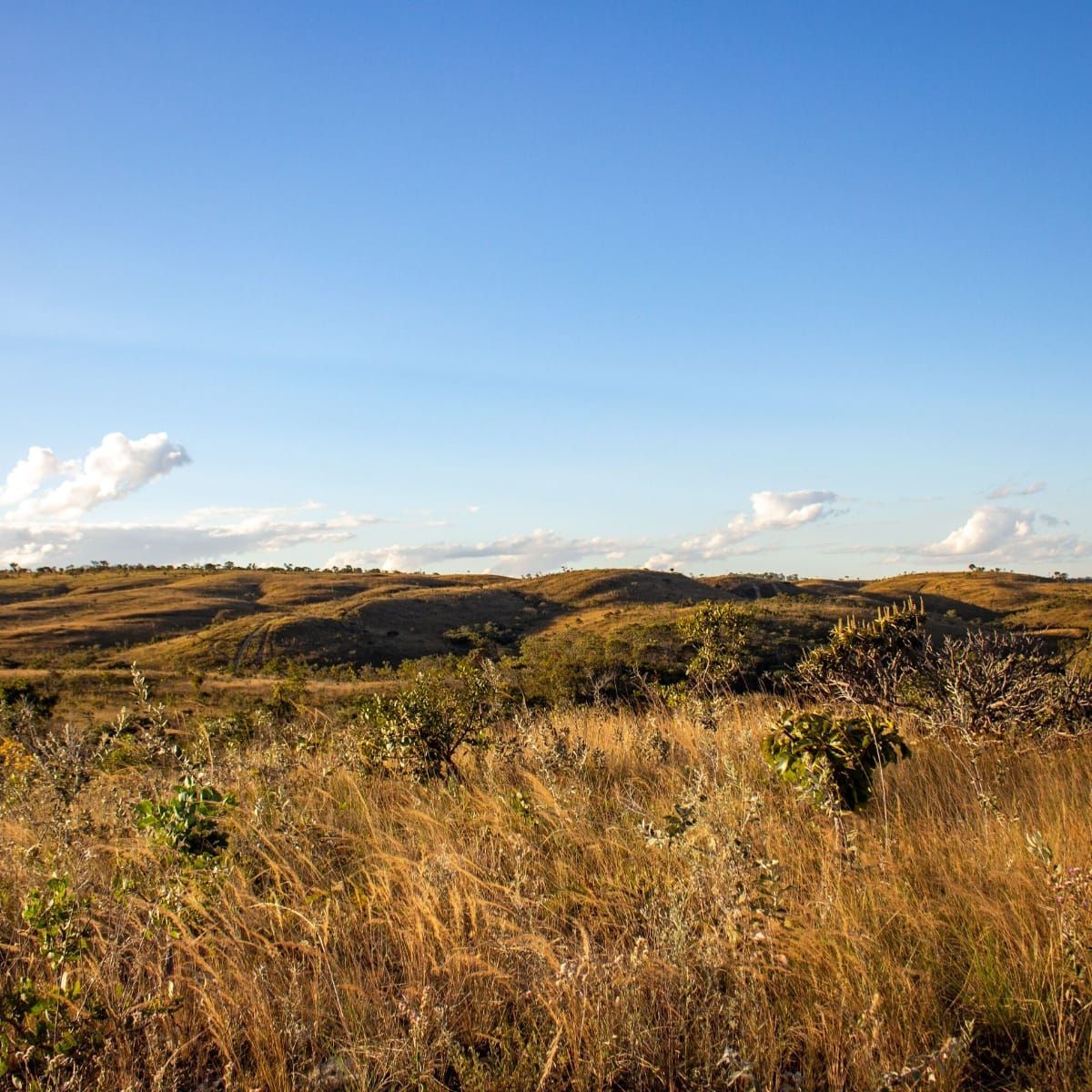
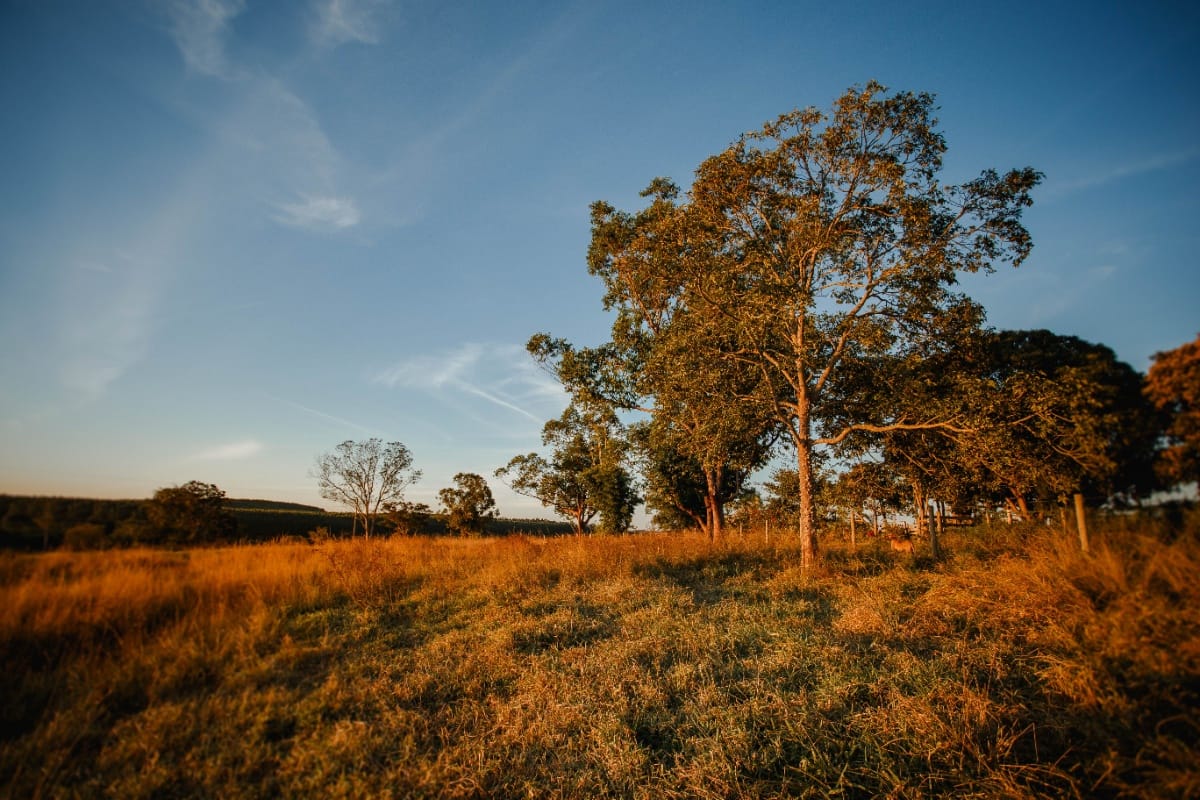
Cover Picture: Open savannah physiognomy of the Brazilian Cerrado. Photo by Hiago Rocha from Pexels