Ecosystems
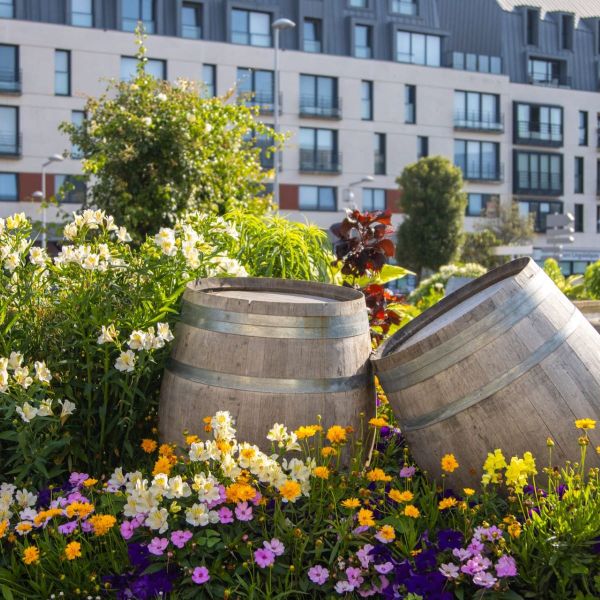
What Draws Pollinators to City Gardens?
Study reveals the factors shaping pollinator visits to city gardens.

Ecosystems
Study reveals the factors shaping pollinator visits to city gardens.
Ecosystems
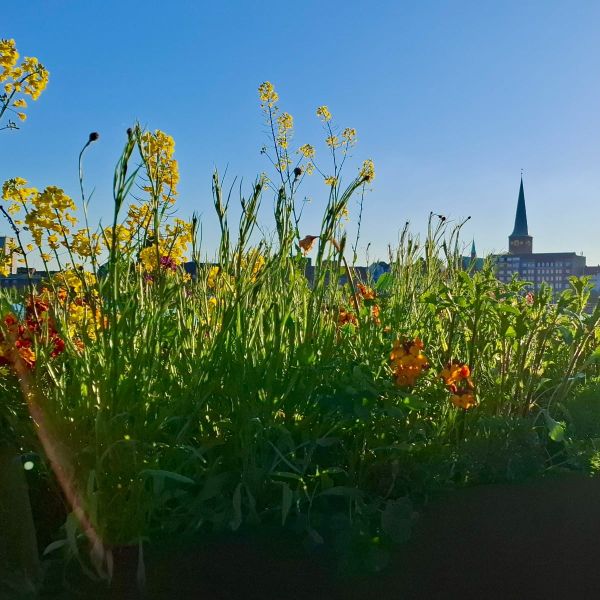
Study shows how to combine design and ecology to feed urban pollinators.
Ecosystems
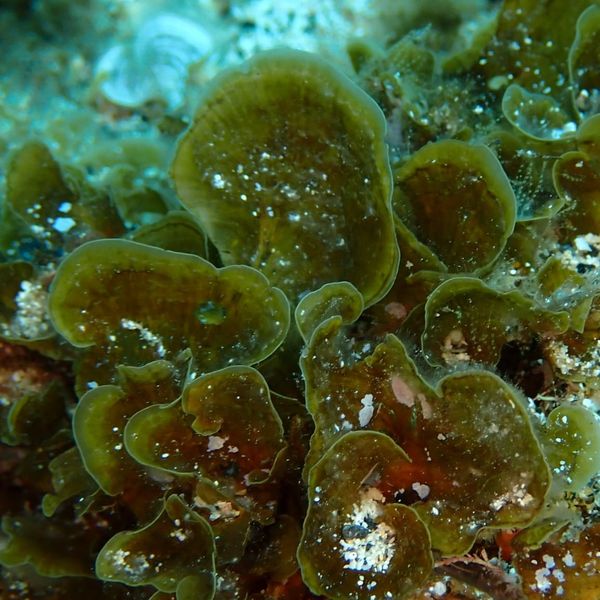
In the warming Mediterranean, invasive seaweeds may help replace some ecological functions lost as native species decline, revealing a more complex side of marine bioinvasions.
Ecosystems
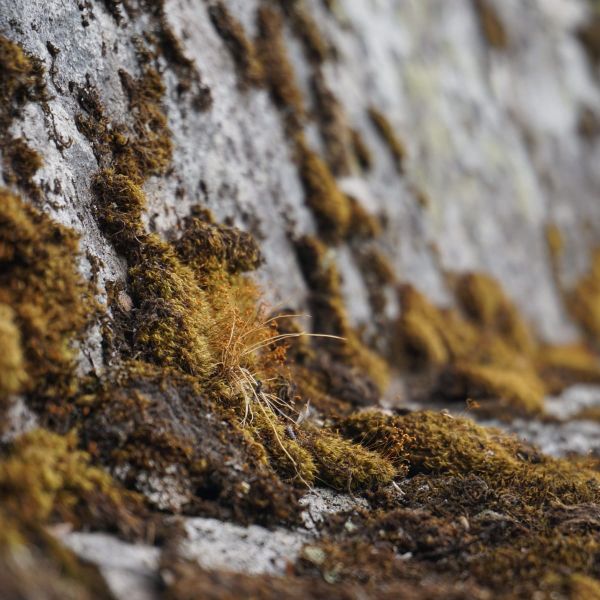
Recovery after mining may begin close to the ground, with mosses and liverworts helping new ecosystems take shape.
Ecosystems
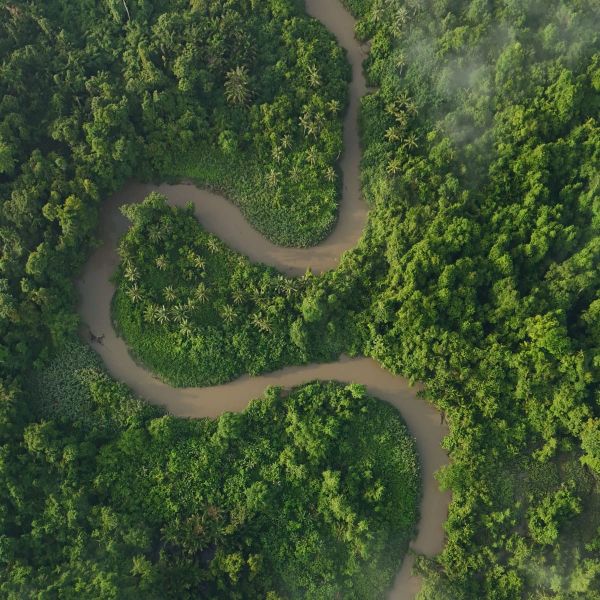
A forest may remain standing after selective logging, but its hidden biodiversity can still unravel as the largest trees disappear.
Ecosystems
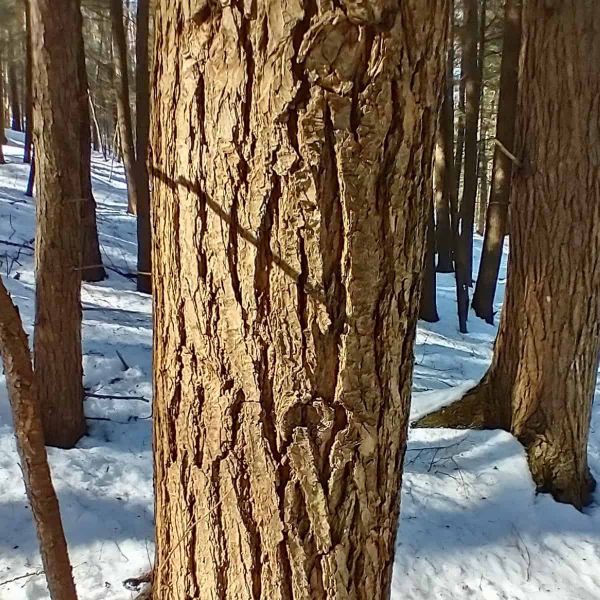
If you were to travel back in time six thousand years to North America, you could wander through Hemlock forests. There were places where it dominated forests but somehow, in the middle of the stable Holocene, something changed.
Ecosystems
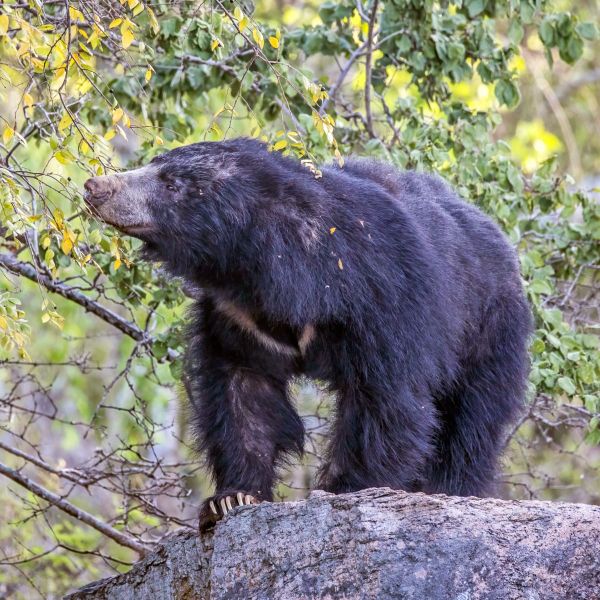
To germinate in India's dry forests, some seeds must pass through a sloth bear's gut. Its digestion softens rock-hard seeds to regenerate native flora, but with an unexpected twist: it also unintentionally helps spread an invasive plant.
Ecosystems
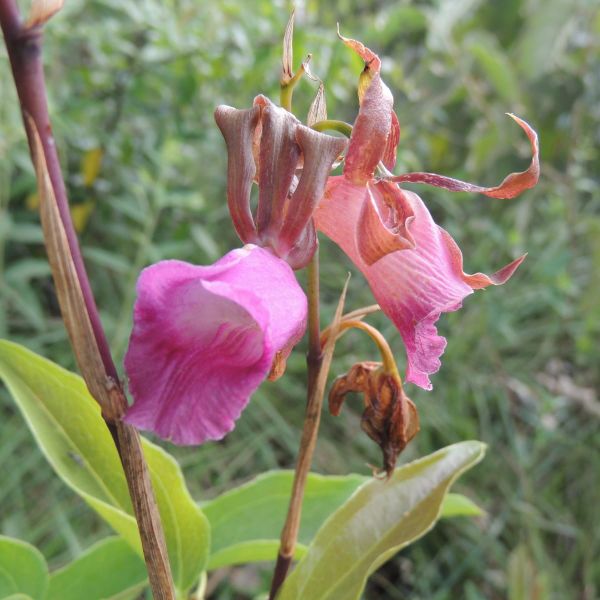
Researchers discover the first case of floral mimicry in South America, showing how a nectarless orchid poses as a Jacaranda to deceive pollinators.
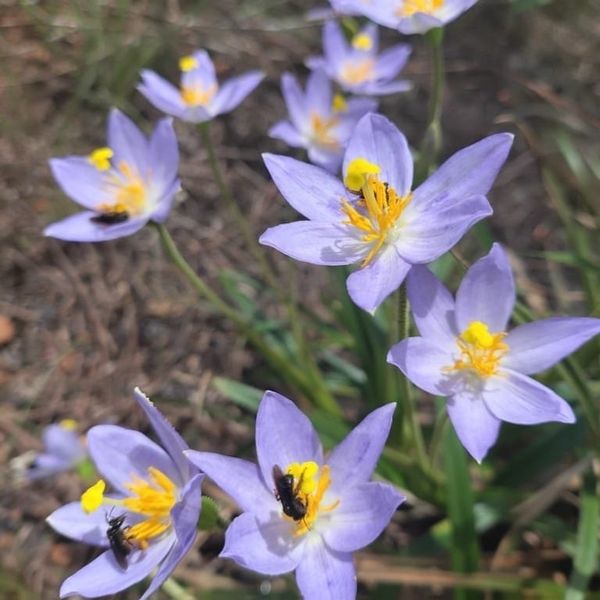
Ecosystems
By tracking 13 species in mountain grasslands, researchers reveal how ancient Vellozia plants synchronise blooms and rely on pollinators to produce viable seeds.
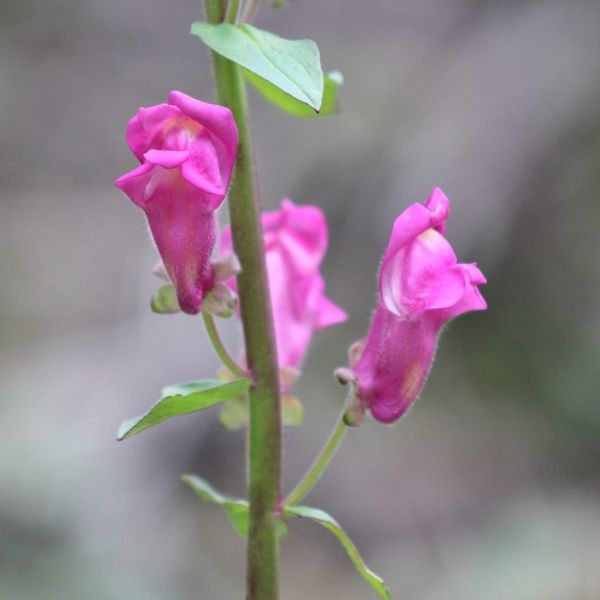
Ecosystems
A study reveals that the flowers humans love may also be the favourites of bumblebees, but not of thrips.
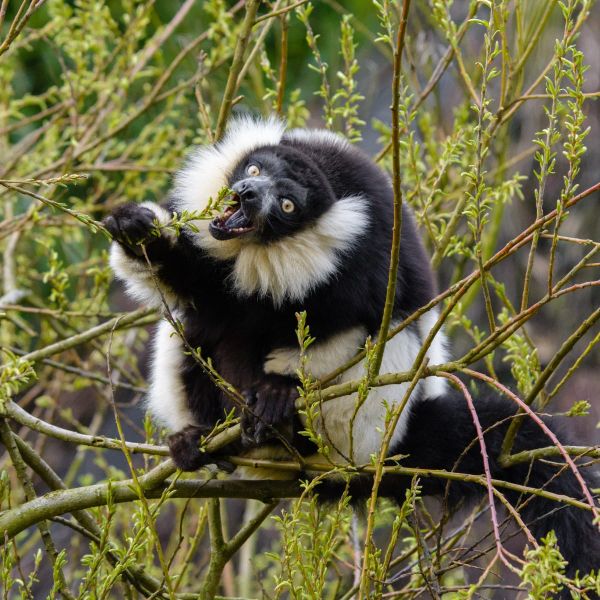
Ecosystems
A new study in Madagascar's Ranomafana National Park reveals that seventy percent of individual trees receive only a single visit from lemurs over a year and a half.
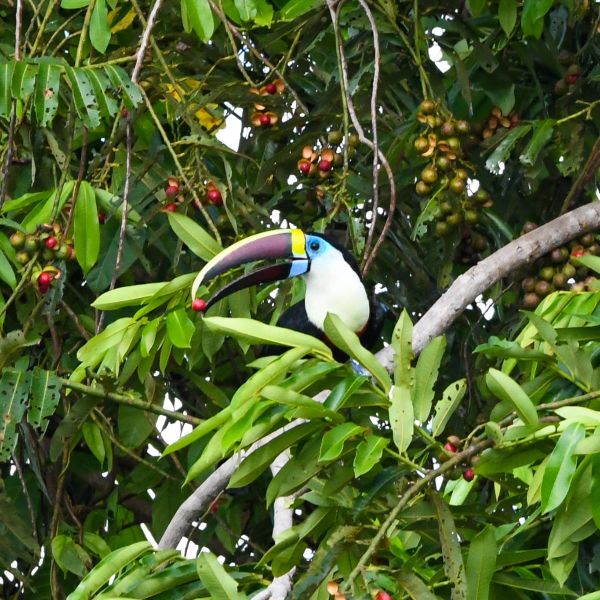
Ecosystems
By mapping interactions across more than 5,000 Amazonian tree species, researchers reveal that protecting the forest also means protecting its pollinators and seed dispersers.