Ecosystems
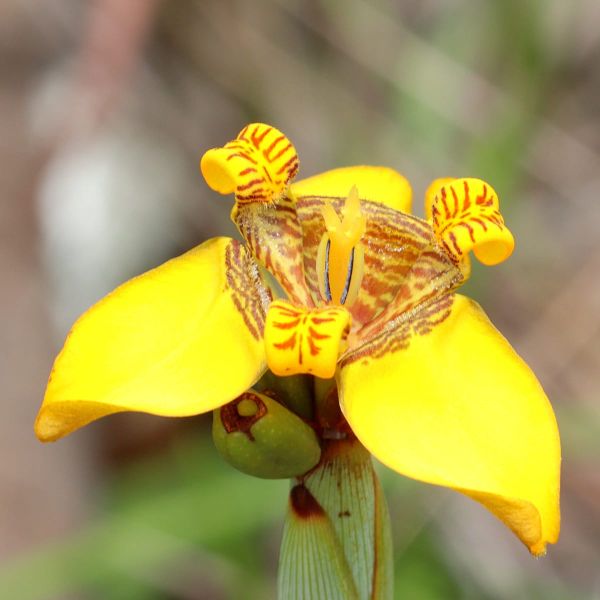
How Climate and Pollinators Shape the Colour Palette of Brazilian Mountain Ecosystems
By seeing flowers through the eyes of bees and hummingbirds, researchers show why the campos rupestres remain so colourful from mountain base to peak.

Ecosystems
By seeing flowers through the eyes of bees and hummingbirds, researchers show why the campos rupestres remain so colourful from mountain base to peak.
Ecosystems
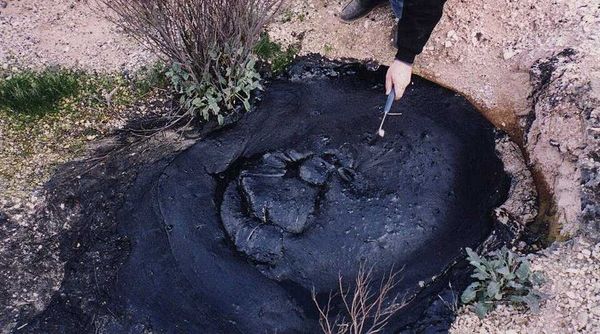
Native plant species adapted to oil seeps can cooperate with their local microbial communities to remove toxic petrochemicals from their soil environment
Ecosystems
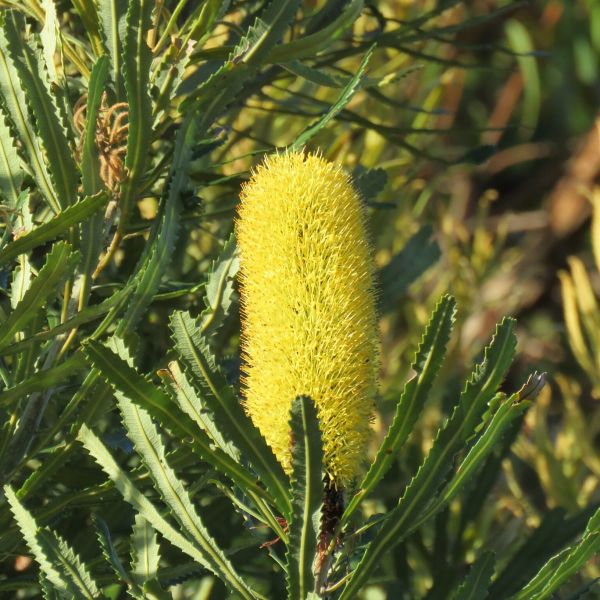
Just like birds and mammals, nocturnal beetles can be key pollinators, helping to pollinate one of Australia's best-known native plants.
Ecosystems
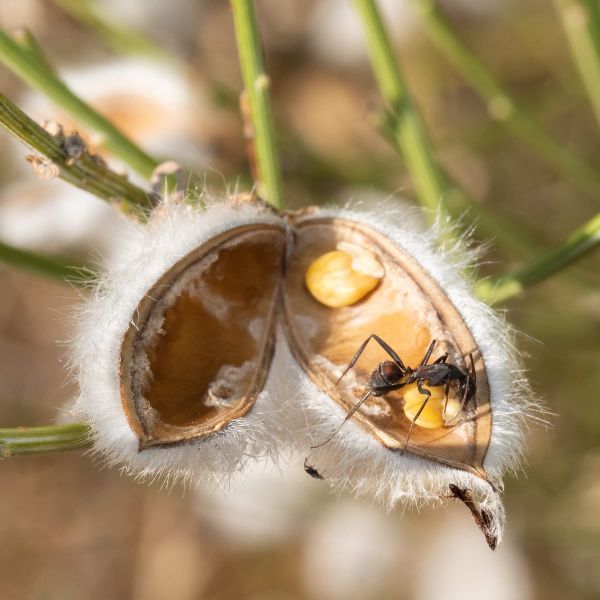
New research shows that the biggest gaps in seed-dispersal science may not be where researchers think they are.
Ecosystems
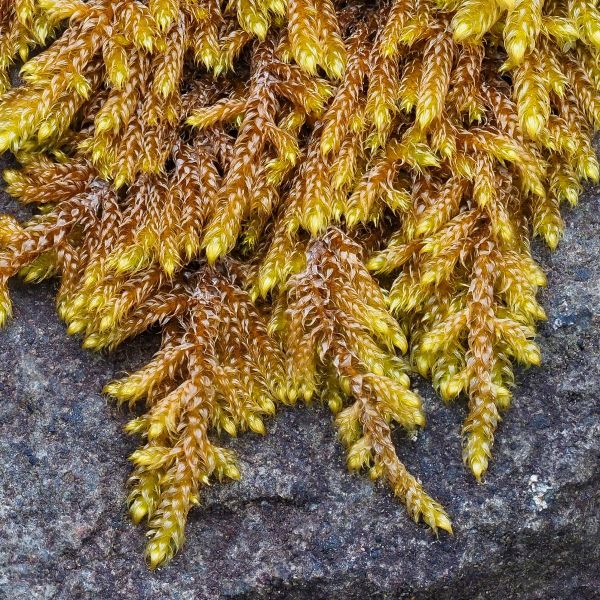
A tiny Antarctic moss is sending a big warning: even the continent’s remote plant life may be threatened by climate change, human activity and invasive species.
Ecosystems
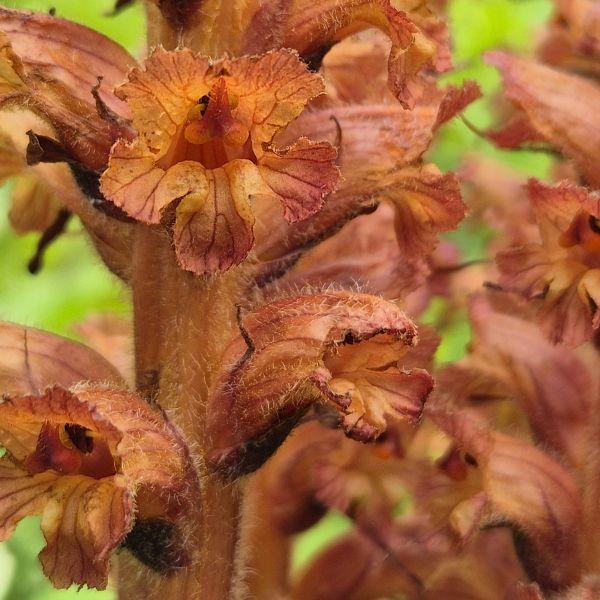
Orobanche flava may steal from other plants underground, but above ground it uses changing floral scents to attract the insects it needs.
Ecosystems
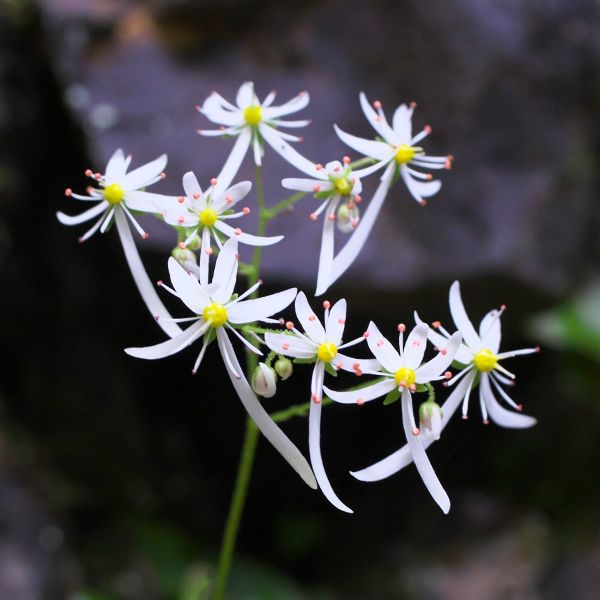
In Saxifraga fortunei, a yellow-to-red colour change in the pistil may tell hoverflies and honeybees which flowers are still worth visiting.
Ecosystems
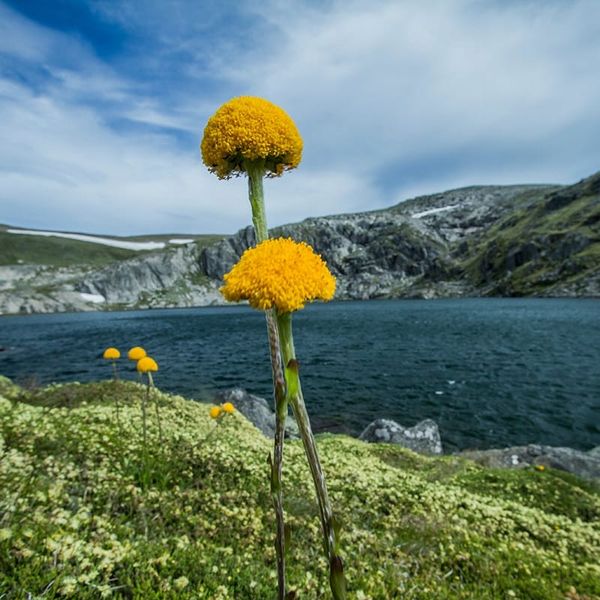
Research from the Australian Alps reveals that some mountain flowers act as miniature solar heaters, providing pollinators with warm refuges when cold conditions would otherwise keep them grounded.
Ecosystems
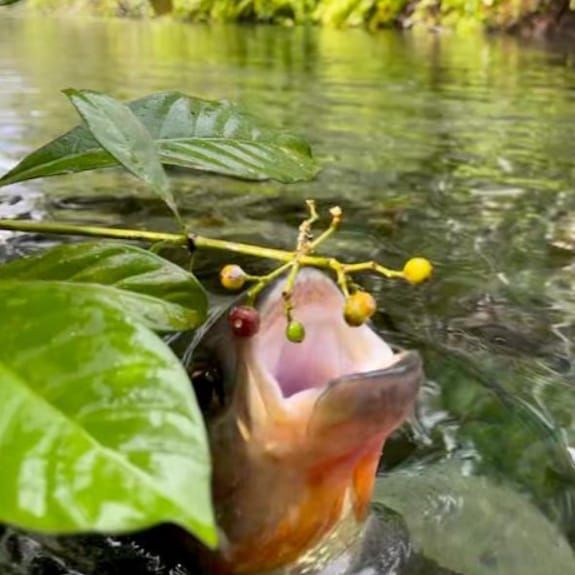
When Amazonian forests flood, fish take over the work of seed dispersal, carrying viable seeds through rivers and helping plants colonise new areas.
Ecosystems
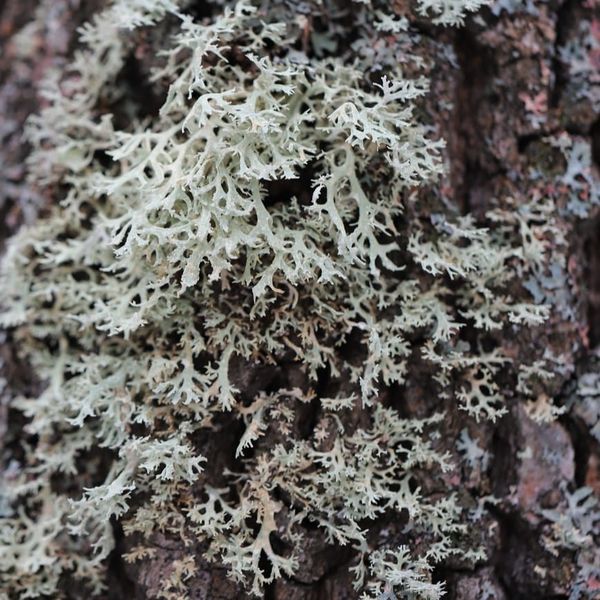
Lichens and mosses may act as living sensors of urban warming, helping researchers understand how rising city temperatures alter biodiversity at the smallest scales.
Ecosystems
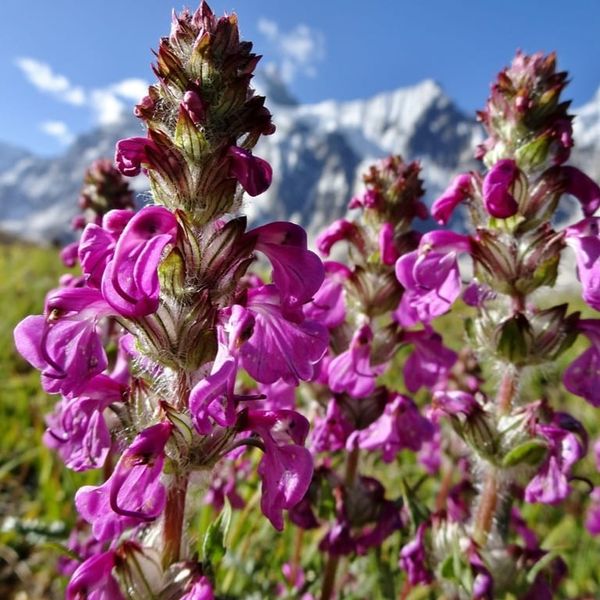
A recent study uncovers the overlooked purpose of the strange floral snouts in some lousewort species.
Ecosystems
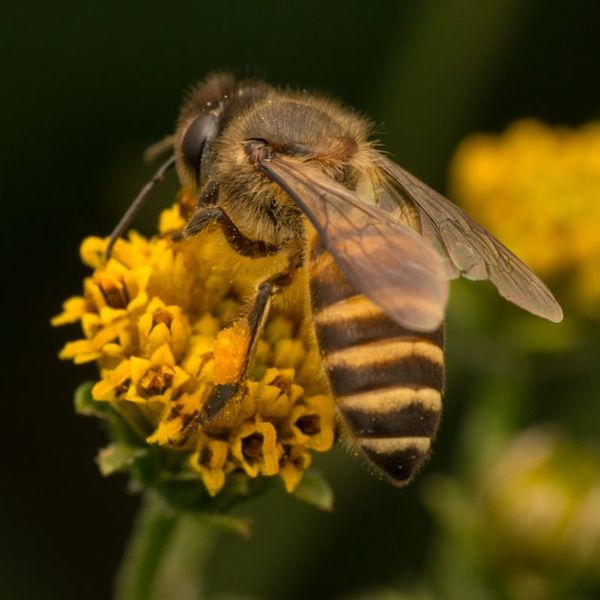
Pollinators are a vital link between biodiversity and human health, securing both essential nutrients and family livelihoods. While their decline threatens to deepen poverty and malnutrition, protecting local plant diversity offers a sustainable path to resilience.