
Have you ever wondered what happens to soil after an oil spill or years of industrial pollution? When petroleum products spill, they don’t just create a mess; they create an ecological disaster. Petroleum pollutants such as total Petroleum Hydrocarbons (TPHs) and Polycyclic Aromatic Hydrocarbons (PAHs) are toxic to humans and animals and can persist in contaminated soil for decades. These chemicals can accidentally contaminate both soil and water based ecosystems from a variety of situations: during extraction, transportation, processing or even storage.
So, scientists are working hard to mitigate risks of oil spills and develop clean and efficient remediation technologies.
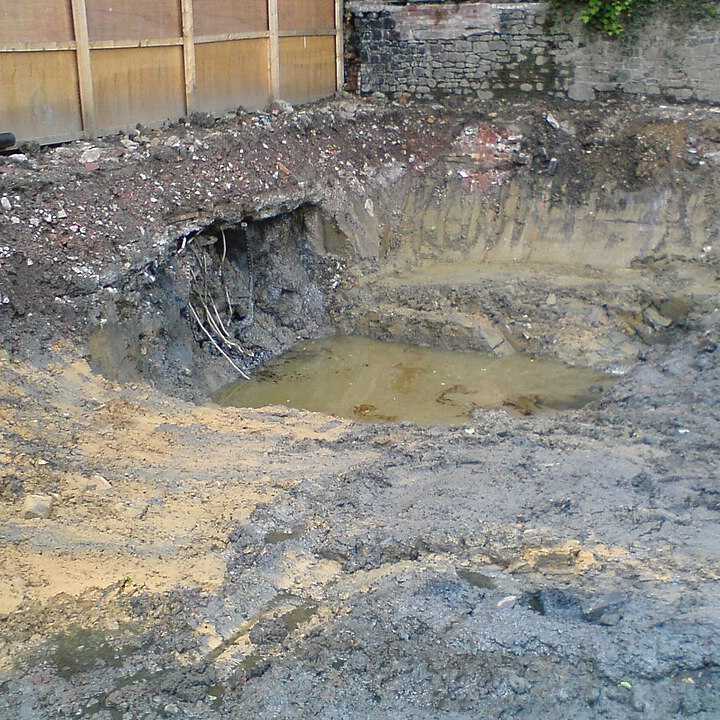
Remediation – the cleaning of environments to their natural state – is challenging for contaminated soils. Current technologies can require excavation and removal of a large amount of soil or injection of chemicals, and, sometimes, the remediation itself poses other environmental issues, like accidental movement of contaminants into clean areas. As a result, in recent decades, scientists have turned to a nature-based solution: bioremediation – the process of using live organisms such as plants and microbes to remediate contaminated soils.
And the results are encouraging.
In a recent research paper published in International Biodeterioration & Biodegradation, Wojtowicz and colleagues found that wild plants adapted to growing natively around natural oil seeps can remove TPHs and PAHs very efficiently.
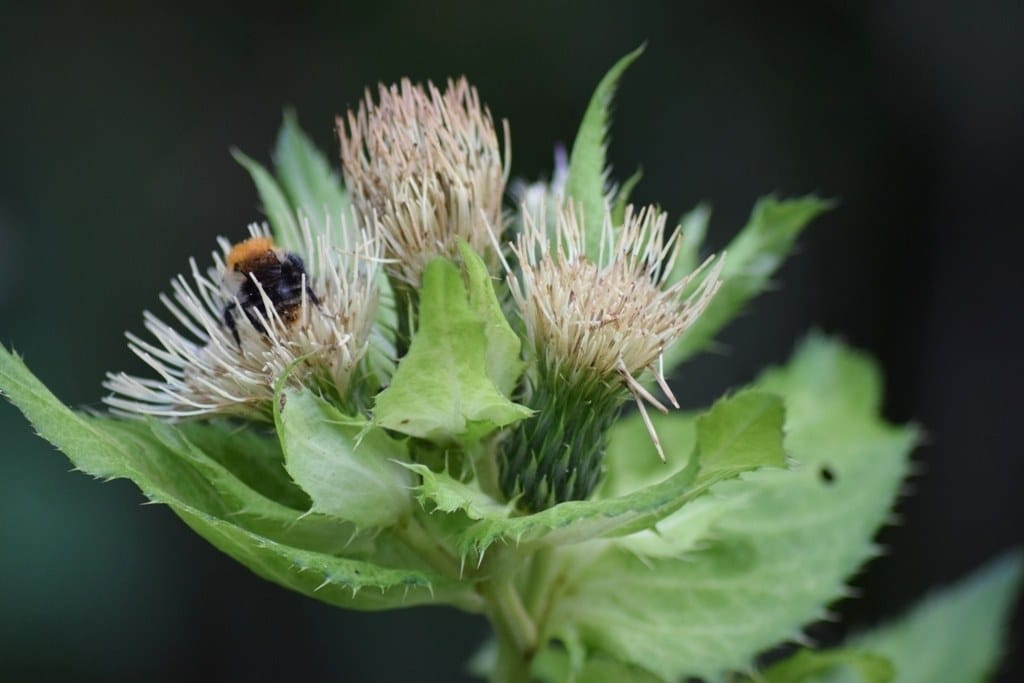
“Our results unambiguously confirm that Scirpus sylvaticus [wood club-rush] and Cirsium oleraceum [cabbage thistle], transplanted from a petroleum seep area, are capable of remediating soil contaminated with petroleum hydrocarbons,” write Wojtowicz and colleagues.
In their previous experiments, these researchers found that some crop plants, such as maize, and ornamental species such as eastern purple coneflower (Echinacea purpurea), are excellent at removing petroleum contamination, particularly when accompanied by a community of beneficial microbes (known as a microbial consortium). Those results led them to investigate whether wild plants that naturally grow next to the oil-polluted areas are similarly able to decontaminate their native environment.
“We hypothesized that the combination of our [microbial] consortium with wild plants (Scirpus sylvaticus [wood club-rush] and Cirsium oleraceum [cabbage thistle]), naturally occurring in hydrocarbon-rich soils (natural oil seeps), might enhance the remediation of polluted soil,” write Wojtowicz and colleagues.
Fortunately, Wojtowicz and colleagues found that these natural plant and microbe communities can in fact decontaminate petrochemical toxins.
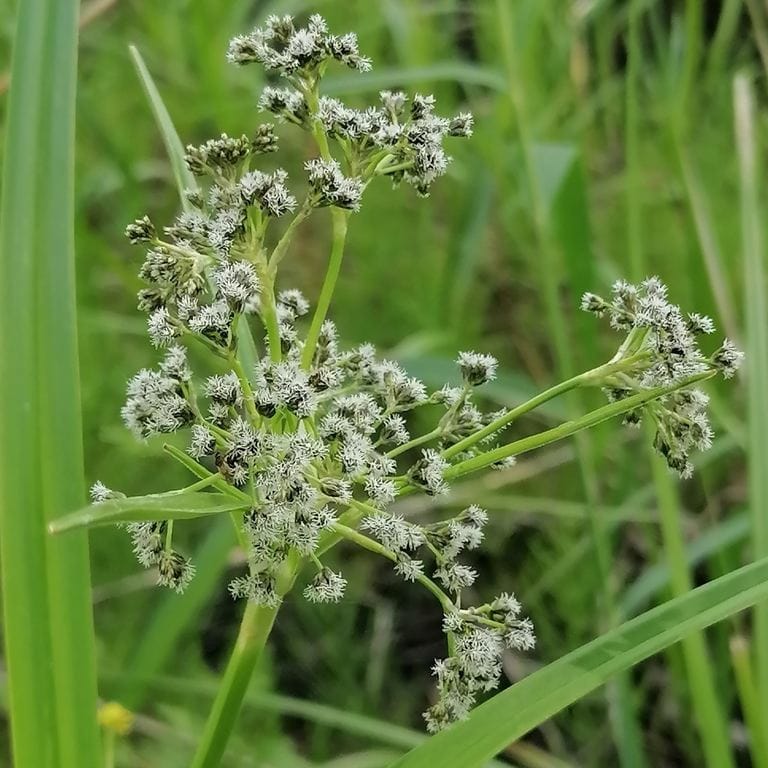
To come to this conclusion, Wojtowicz and colleagues performed an experiment with five sets of pots. In one set, they filled the pot with hydrocarbon-contaminated soil; they did not add any plants or microbes to the soil. In the second and third sets, they planted wood club-rush or cabbage thistle in contaminated soil. In the fourth and fifth sets of pots, they planted wood club-rush or cabbage thistle in contaminated soil and added a bacterial consortium.
After six months of watering all the pots, the researchers compared the contaminant levels in the pots. They found that petroleum contamination changed very little in pots containing only soil, while the contaminants decreased in pots planted with wood club-rush or cabbage thistle. Interestingly, they discovered that pots with plants and bacteria together showed the greatest decrease in contaminants. Their experiments revealed that wood club-rush and cabbage thistle can cooperate with microbes and clean up oil pollution even better than when they are alone.
“A notable novelty of this study is the analysis of interactions between wild plants and soil microbiota, which facilitates a more profound comprehension of the mechanisms that support contaminant biodegradation and ecosystem restoration,” write Wojtowicz and colleagues.
Contaminants such as TPHs and PAHs are not easily accessible in soil. They are hydrophobic, meaning that they do not dissolve in water, and they are strongly attached to soil particles, which means they cannot be easily washed out of the soil. But, to be absorbed by plants or degraded by bacteria, these contaminants need to be accessible to the plant’s roots and microbes. So how does that happen?
Plant species help make these contaminants more available to microbes. As plant roots grow, they break up the soil, creating oxygen-filled air pockets for the naturally occurring soil microbes to thrive. These microbes can then degrade pollutants more effectively because they can penetrate larger areas of soil than they would have without the plant roots.
The plants can also help the microbes by providing nutrients for growth. Some plants provide sugar to microbes, and, in return, the soil microbes fix nitrogen for the plants and help other minerals like phosphorus or potassium become more soluble and available to the plant roots. Wojtowicz and colleagues think this mutually beneficial system has benefits for bioremediation, too. Their experiments showed that plants grown on contaminated soil in the presence of microbes grew larger than those not exposed to a microbial community. From this, they concluded that the microbes helped the plants access soil nutrients, which improved growth, and in turn, the stronger microbe community improves soil remediation.
Additionally, the scientists found that the plant roots can directly interact with pollutants. In their experiments, Wojtowicz and colleagues found TPHs and PAHs in roots and shoots of wood club-rush and cabbage thistle, showing that they are capable of physically removing the contaminants from the soil.
Ultimately, Wojtowicz and colleagues show that “phytoremediation”, the use of plant species for bioremediation, is a promising approach for cleaning contaminated soil. Their research suggests that selecting native plant species naturally adapted to oil seep environments, along with their associated microbial communities, provides an effective strategy to enhance contaminant degradation and improve the success of future remediation efforts.
READ THE ARTICLE:
Wojtowicz, K., Steliga, T., Brzeszcz, J., Fyda, J., Skalski, T., and Kapusta, P. (2026) Phytoremediation of soil contaminated with petroleum hydrocarbons using the wild plants Scirpus sylvaticus and Cirsium oleraceum, supported by bioaugmentation. International Biodeterioration & Biodegradation, 206, pp. 106217. Available at: https://doi.org/10.1016/j.ibiod.2025.106217.
READ MORE:
Wojtowicz, K., Steliga, T., Kapusta, P., and Brzeszcz, J.(2023) Oil-Contaminated Soil Remediation with Biodegradation by Autochthonous Microorganisms and Phytoremediation by Maize (Zea mays). Molecules, 28(16), pp. 6104. Available at: https://doi.org/10.3390/molecules28166104.
Wojtowicz, K., Steliga, T., and Kapusta, P.(2023) Evaluation of the Effectiveness of Bioaugmentation-Assisted Phytoremediation of Soils Contaminated with Petroleum Hydrocarbons Using Echinacea purpurea. Applied Sciences, 13(24), pp. 13077. Available at: https://doi.org/10.3390/app132413077.
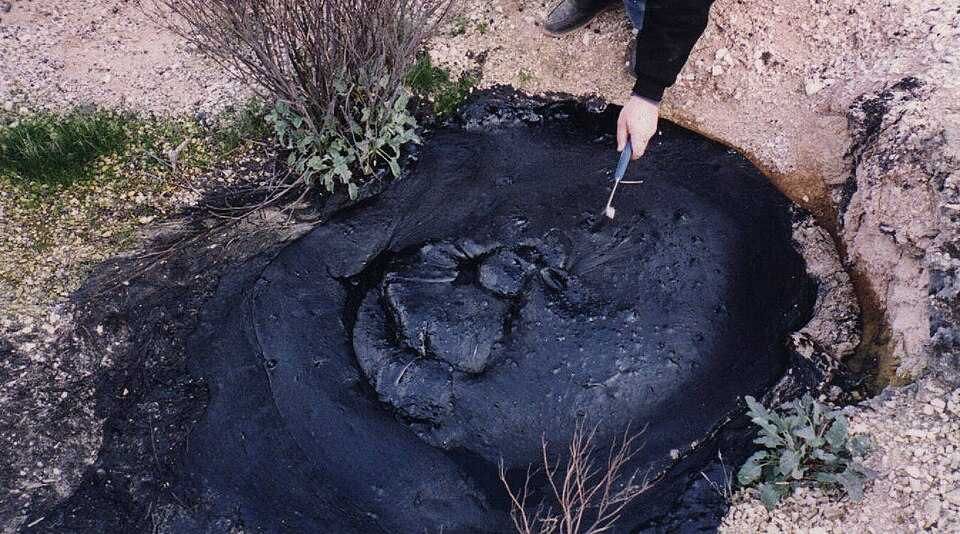
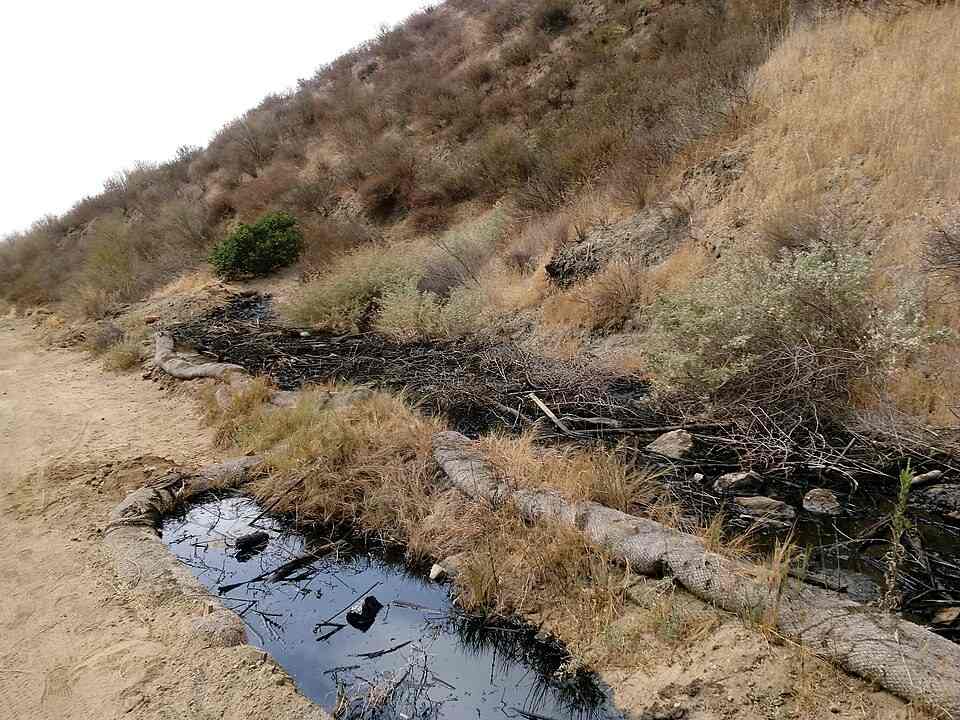
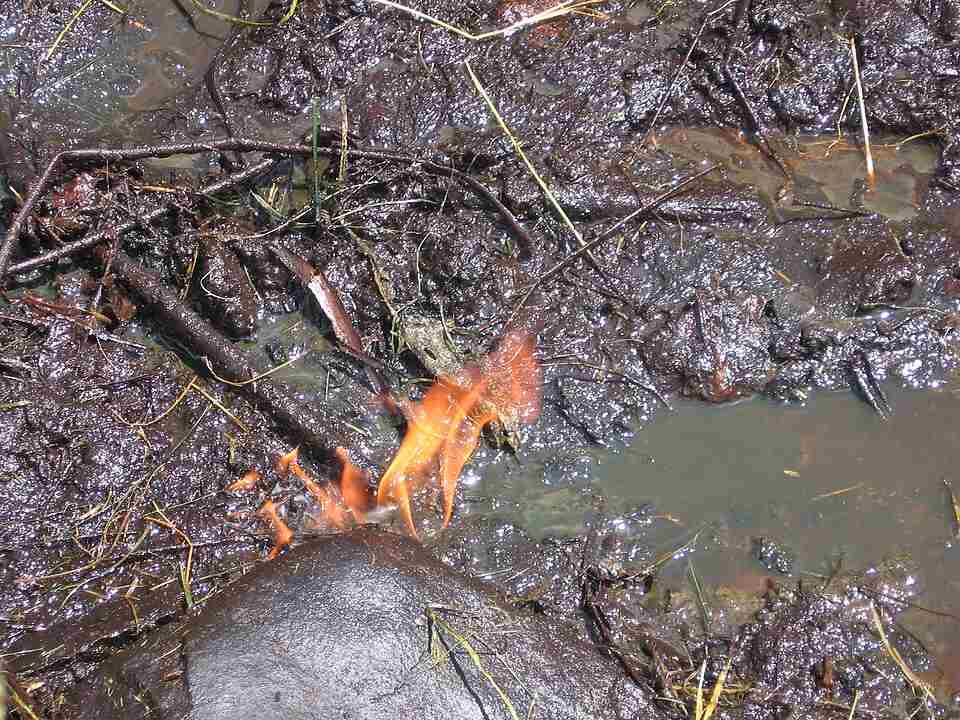
COVER IMAGE: A natural tar seep at the McKittrick Oil Field in California, USA shown with wild plants naturally adapted to the soil seep conditions. Image Source: Wikimedia by Lldenke CC BY 3.0
Edited by Sarah Covshoff.