
Plants and insects need to meet at the right point in their seasonal life cycle, or phenology, to benefit. Phenological mismatch is frequently cited as the primary driver behind the collapse of plant–pollinator interactions under climate change scenarios. We commonly imagine that such mismatches occur because flowers bloom prematurely, leaving resources depleted by the time bees finally arrive, thereby preventing the interaction from taking place altogether.
Yet, looking beyond this assumption, what happens if bees and flowers are present on the very same day and at the very same hour? Does the partnership persist unaltered, or does something shift? In an experimental study published in the journal Global Change Biology, researchers established experimental communities within climate-controlled greenhouses to simulate varying warming scenarios. They demonstrated that thermal warming weakens plant–pollinator interactions even when temporal overlap between partners is fully conserved.
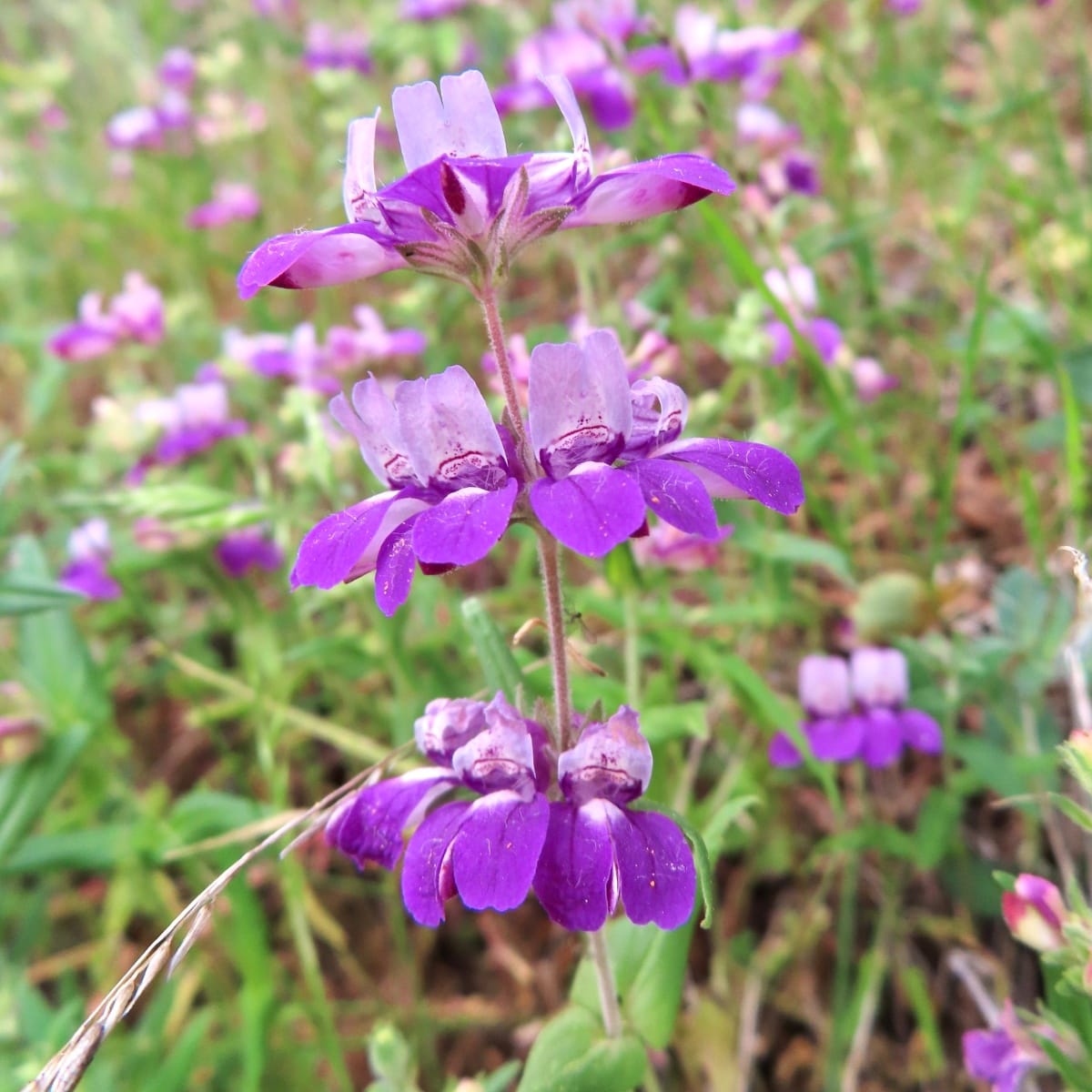
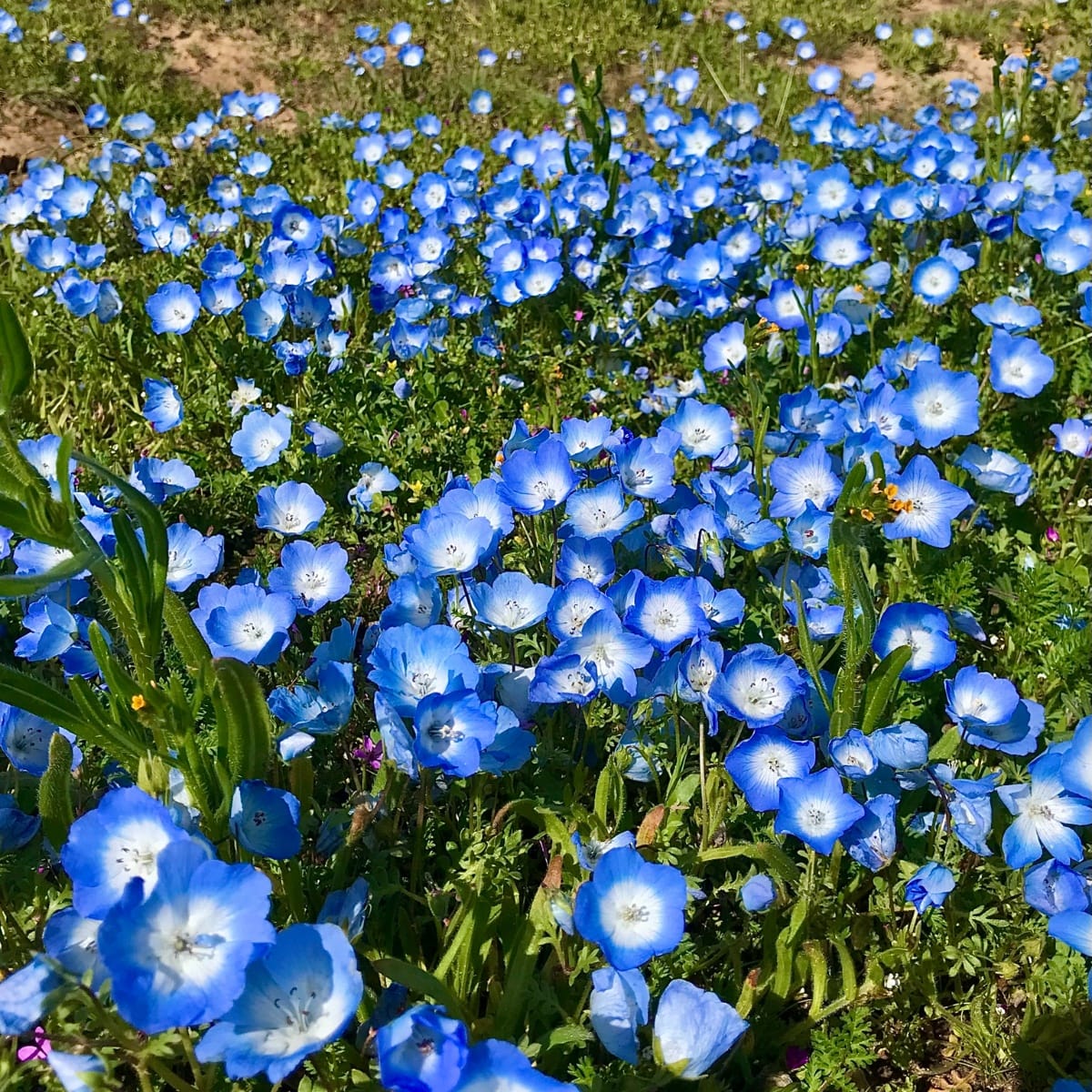
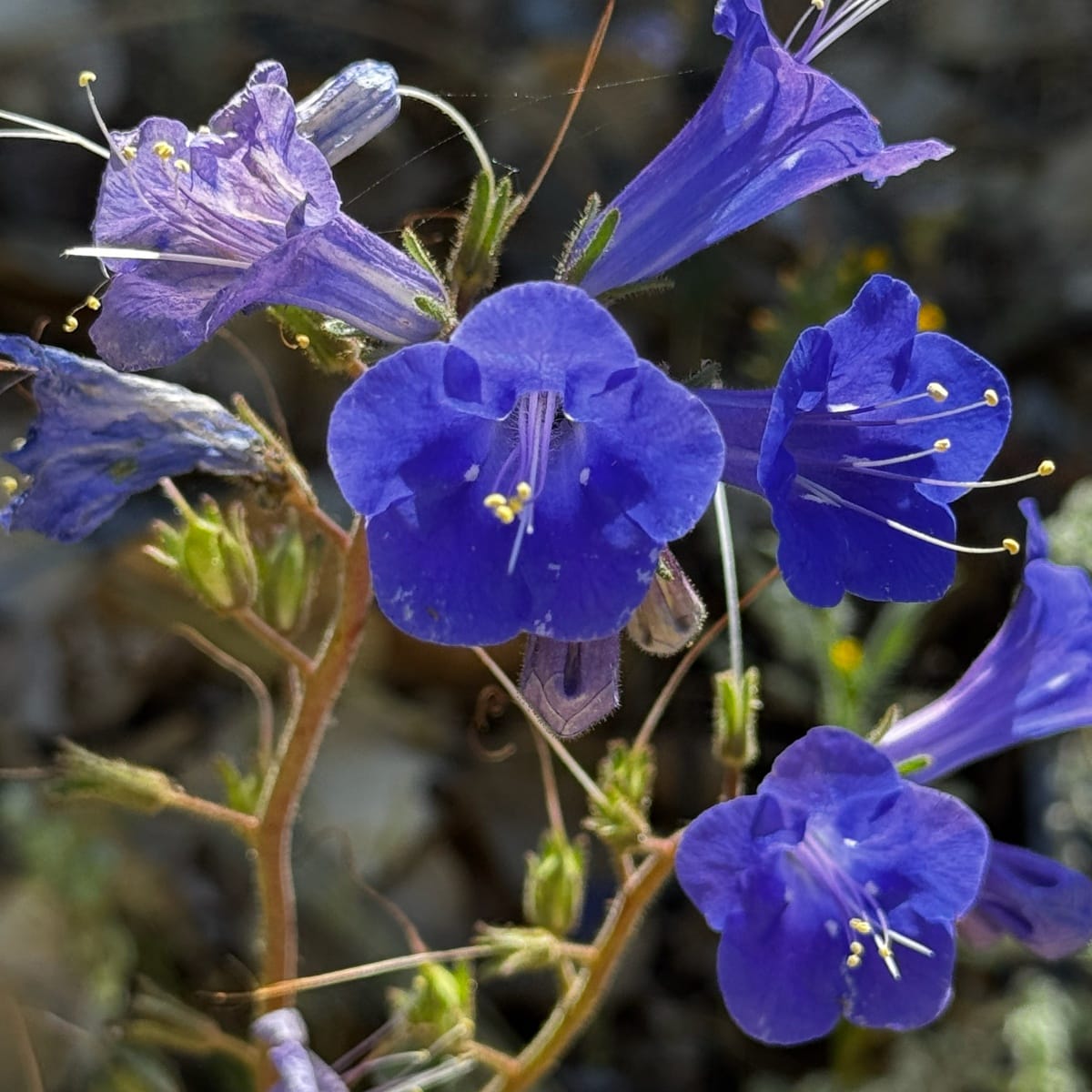
Species included in the experiment: Collinsia heterophylla (Plantaginaceae), Nemophila menziesii (Boraginaceae) and Phacelia campanularia (Boraginaceae). Photos by Daniel Hetzel (iNaturalist, CC BY-NC 4.0), Stephanie Hill (iNaturalist, CC BY-NC 4.0) e sashamars (iNaturalist, CC BY-NC 4.0), respectively.
The striking surprise was that while warming advanced both foraging activity and flowering onset, meaning flowers and bees maintained temporal synchrony, the degree of phenological overlap remained unaffected across temperature treatments.
Despite co-occurring in the same space and time, the relationship between the two was altered. Thermal stress led to a reduction in corolla size and decreased the nectar volume available per flower. With depleted nectar per bloom, bees had to spend more time handling each corolla to extract resources. Ultimately, bees exhibited shorter lifespans in the heat and visited fewer flowers throughout the season, resulting in fewer visits overall alongside higher mortality.
The outcome was a detriment to both sides. For the plants, although seed germination success increased, seedling mortality was significantly higher under elevated temperatures, threatening local seed banks. For the bees, a clear decline was recorded in the construction of nest cells and the total number of cocoons produced.
Merely knowing whether plants and pollinators experience mismatches or overlap is simply not enough. Heat directly impairs the vigour, size, and energetic balance of both partners, unravelling the community from the inside out. As a result, the study provides a more nuanced perspective on how climate change might alter the interaction between plants and pollinators.
READ THE ARTICLE:
Manincor, N., A. Fisogni, O. Godoy, and N. E. Rafferty. 2026. “Climate Warming Drives the Breakdown of Plant–Pollinator Mutualisms Despite Phenological Synchrony.” Global Change Biology 32, no. 8: e71074. https://doi.org/10.1111/gcb.71074.
Portuguese translation by Andressa Luna.
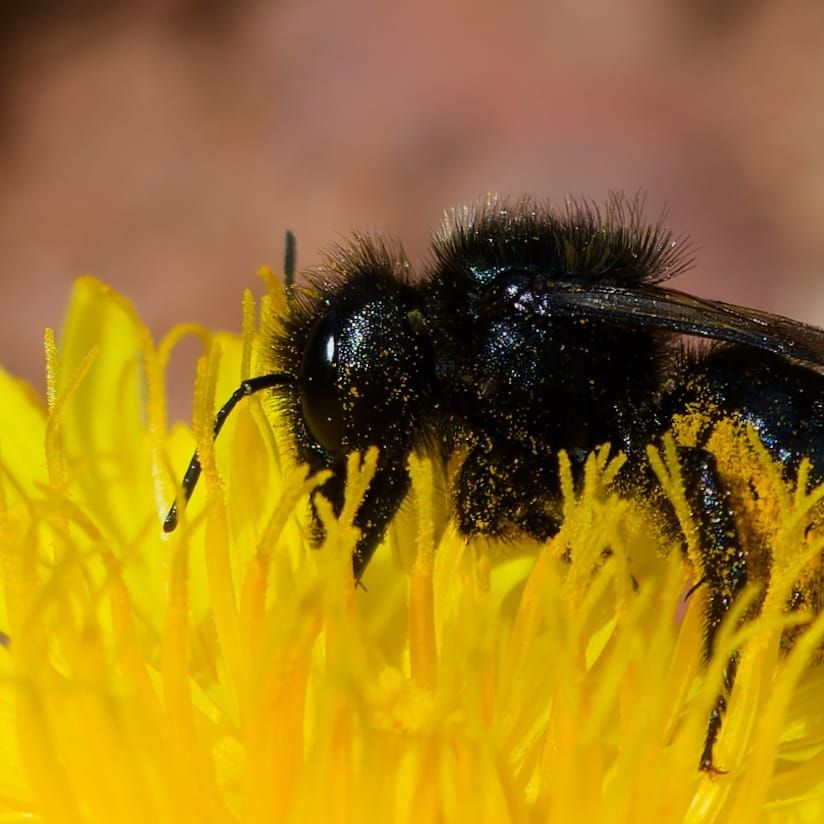
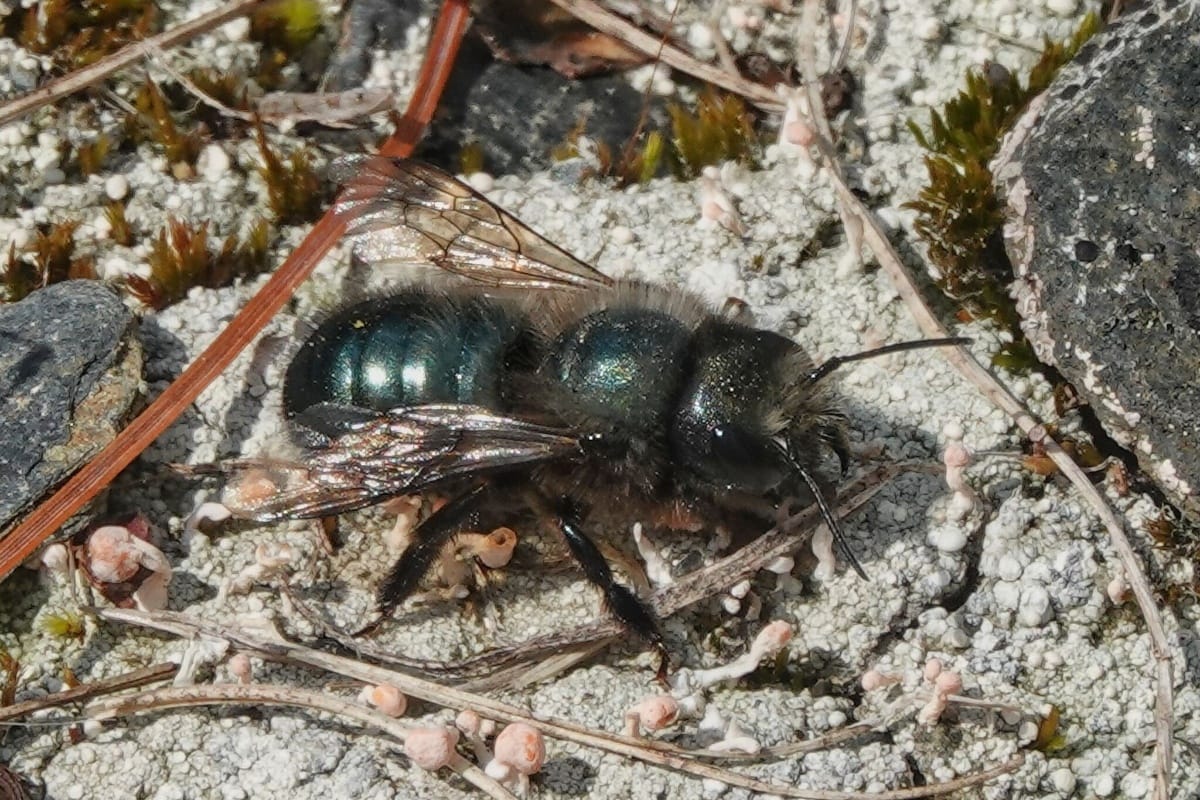
Cover Picture: Osmia lignaria. Photo by Daughter Dad (iNaturalist, CC BY-NC 4.0).