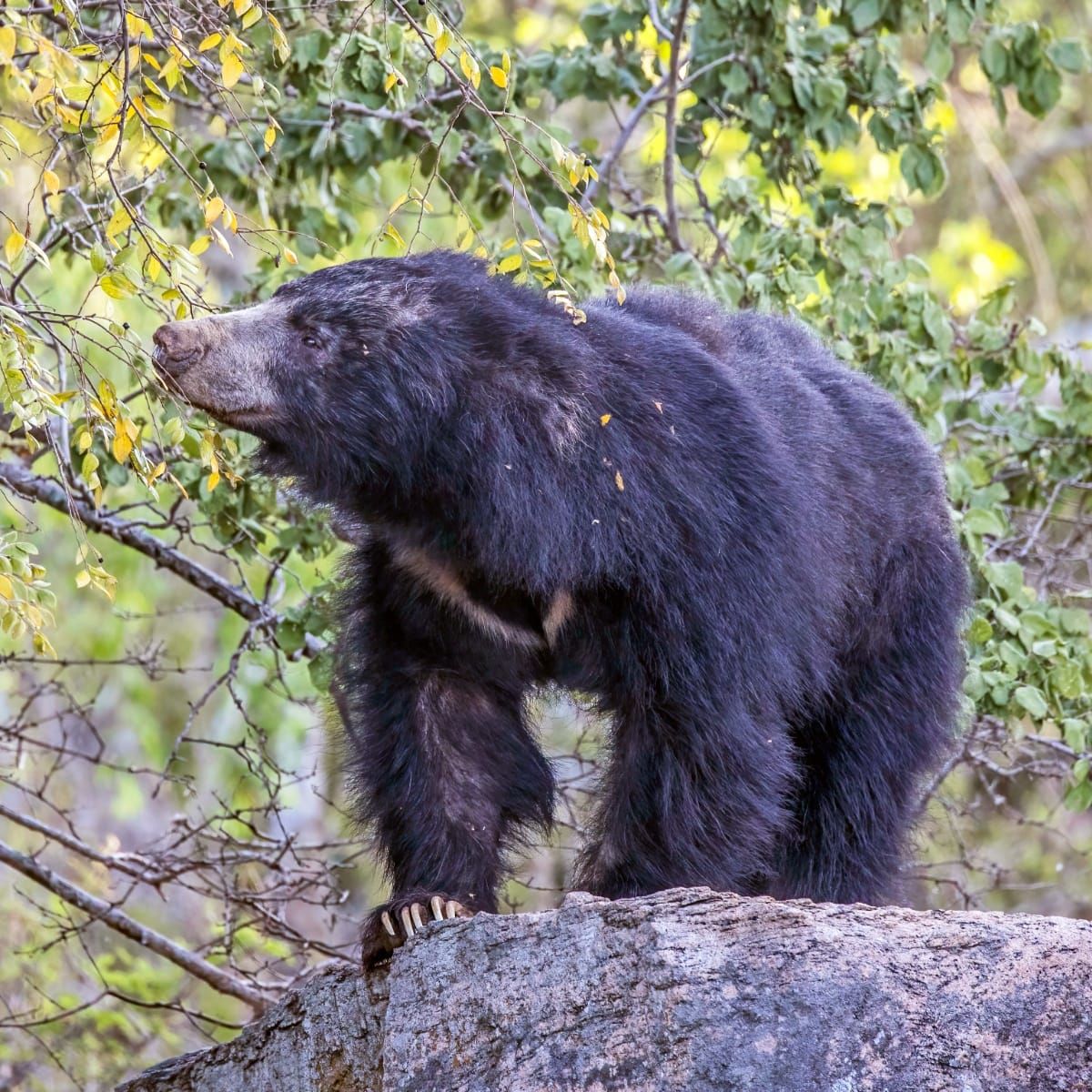

Imagine that to be born, you need to be swallowed whole by a huge-clawed mammal, bathed in a pool of highly acidic gastric juices, and finally deposited on a warm dune of dung. To us, it sounds like a nightmare, but for the seeds of Cassia fistula in the dry forests of western India, it is a rite of passage. A new study published in Biotropica reveals that the sloth bear (Melursus ursinus) acts as a gardener in these semiarid ecosystems, as its digestive system functions as a biological catalyst capable of weakening rock-hard shells and awakening seeds from dormancy.
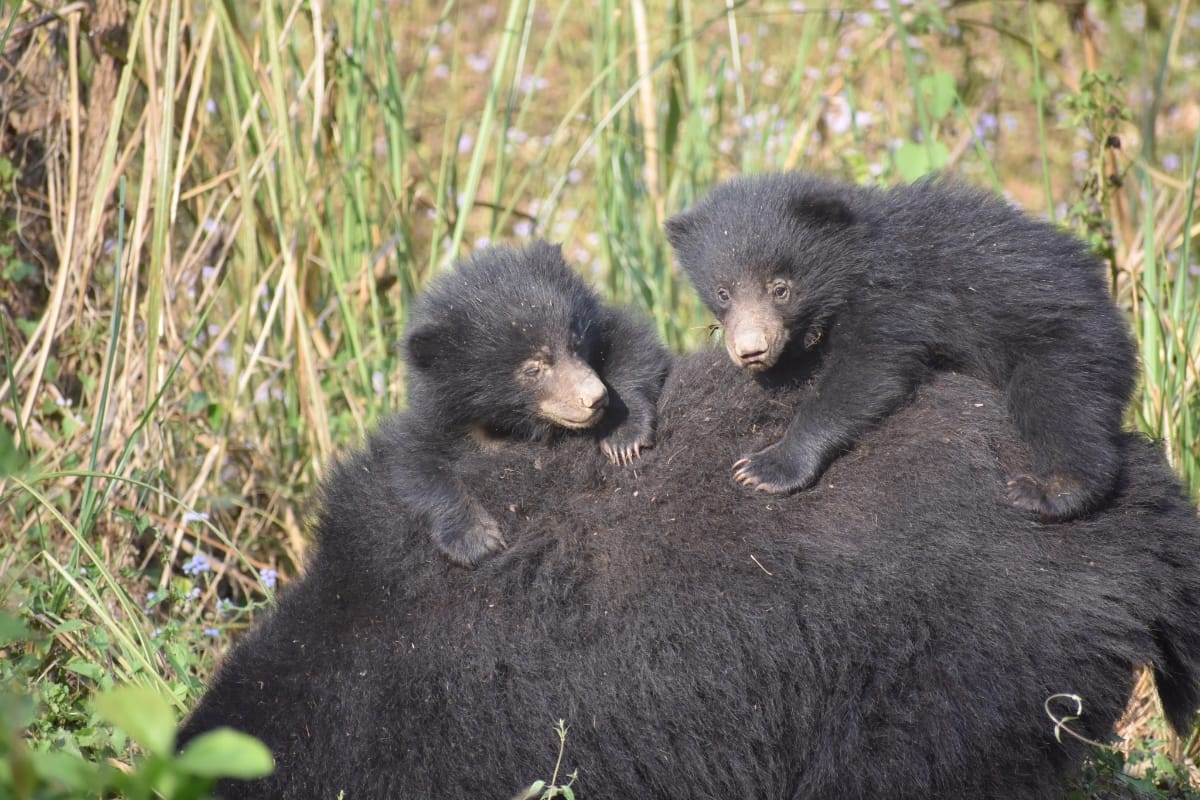
While most studies on seed dispersal focus on humid rainforests, very little is known about what happens in dry deciduous forests. To fill this gap, this study evaluated the role of the sloth bear as a "mobile link" connecting its seasonal feeding with plant regeneration. To this end, the authors investigated three key questions: the exact role of this mammal in dry environments, whether it chooses fruits based on preference or simple availability, and the actual effect of its digestion on plant germination.
To achieve this, the authors collected sloth bear scat samples during winter and summer, recorded fruit abundance in the forest, and identified the plant and animal species consumed. Additionally, they compared seeds recovered from scats with seeds collected directly from trees to evaluate whether gut passage through the bear affected germination timing and seedling survival.
The results revealed that sloth bears shift their diet seasonally, consuming primarily fruits and ants in winter and becoming expert termite excavators in summer. Furthermore, the study demonstrated that the bears do not forage randomly; in summer, they are highly selective foragers seeking out the most nutritious fruits, although the effect of their digestion is limited to accelerating germination rather than ensuring subsequent seedling survival.
On the plant side, gut passage was found to act as a "chemical sandpaper" that weakens the hard coat of the seeds, allowing water to penetrate and reducing their germination time. Thanks to this process, hard-shelled species such as Ziziphus nummularia and Phoenix sylvestris germinated much earlier than those collected directly from trees. The most surprising finding was that seeds of both the native Cassia fistula and the invasive shrub Lantana camara germinated exclusively after passing through the bear's digestive tract. This reveals an ecological paradox: by facilitating the birth of Lantana, an aggressive invasive species, the sloth bear unintentionally becomes the dispersal engine for a threat to its own forest.
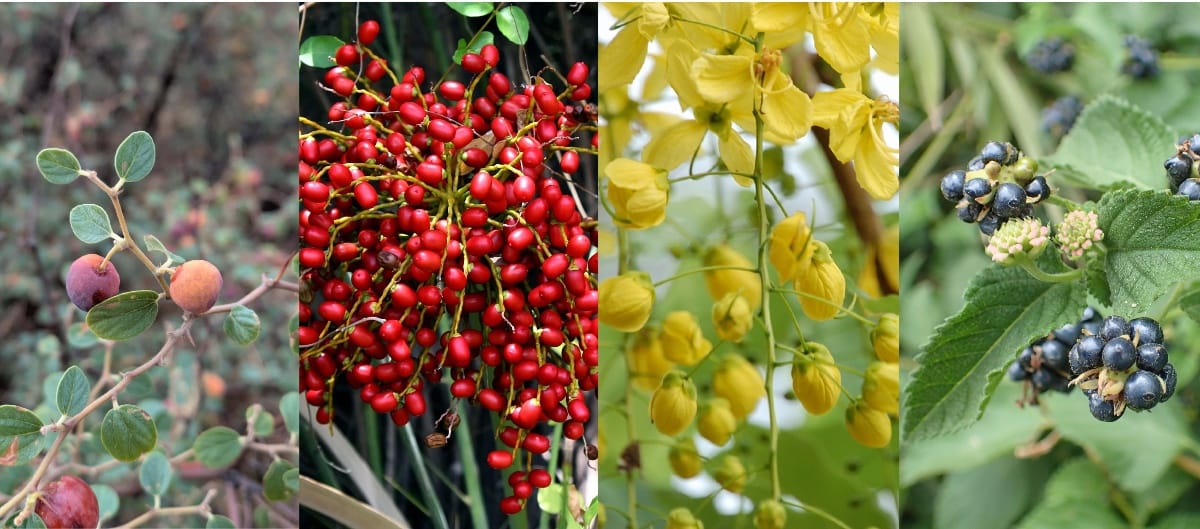
The study concludes that protecting the sloth bear, currently listed as Vulnerable by the International Union for Conservation of Nature, is not just about saving a charismatic animal; it is about ensuring the long-term survival of the dry forest. Its stomach acts as the catalyst that awakens native flora, but also serves as a reminder of how wildlife shapes landscape architecture in complex and unexpected ways.
READ THE ARTICLE
Prajapati U, Sundar KSG, Koli VK. 2026. Seasonal Diet and Seed Dispersal by Sloth Bears Melursus ursinus in Western India. Biotropica 58. https://doi.org/10.1111/btp.70223
Spanish and Portuguese translation by Erika Alejandra Chaves-Diaz.
Cover picture by Charles J. Sharp (Wikimedia Commons, CC BY-SA 4.0).



.jpg?ref=botany.one)


_male_1.jpg?ref=botany.one#/media/File:Sri_Lankan_sloth_bear_(Melursus_ursinus_inornatus)_male_1.jpg)