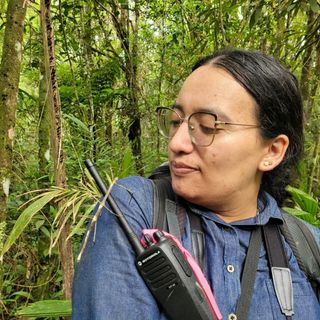
Erika Alejandra Chaves-Diaz
25 posts
Erika is a Colombian biologist and ecologist passionate about tropical forests, primates and science communication. She holds an MSc in Ecology and Wildlife Conservation and works with @cienciatropical to connect people with biodiversity.
© 2026 Botany One. Published with Ghost
Scaled Gardeners: How Fish Dictate the Future of the Amazonian Flooded Forest
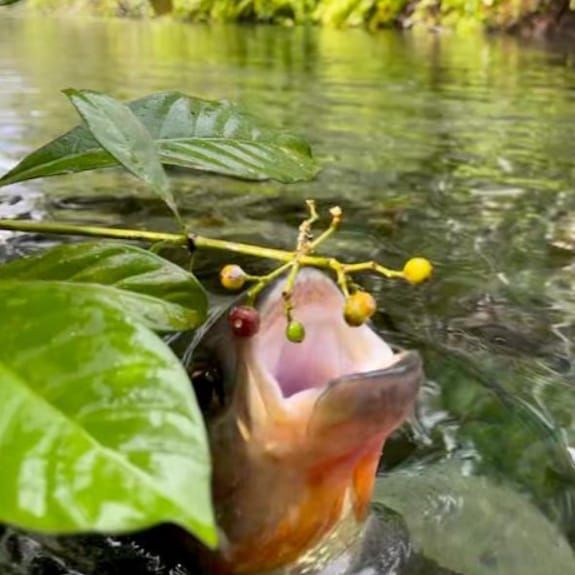
When Amazonian forests flood, fish take over the work of seed dispersal, carrying viable seeds through rivers and helping plants colonise new areas.
The Plants Closest to Extinction Are the Ones Science Often Knows Least
New research shows that economic value, not conservation urgency, is the strongest predictor of which Brazilian plants attract scientific study.
Will State Flowers and Insects Leave Home?
State flowers and insects are meant to represent a place, but climate change may soon test how long those living emblems can remain in place.
The Fragrant Library: Can a Perfume Bottle Save a Rainforest?
Could perfumes help save endangered plants? A new initiative combines fragrance technology, conservation funding, and ethical sourcing to protect some of the world’s rarest species.
Have We Forgotten the Names of Plants?
New research finds that people are no worse at naming common wild plants than they were two decades ago, but younger adults may be missing out on everyday plant knowledge.
The Silent Partner: The Real Value of Pollination in Daily Life
Pollinators are a vital link between biodiversity and human health, securing both essential nutrients and family livelihoods. While their decline threatens to deepen poverty and malnutrition, protecting local plant diversity offers a sustainable path to resilience.
The Jungle’s Heaviest Courier Service: The Case of Tent-Roosting Bats
Tent-roosting bats are the unsung "nocturnal gardeners" of the Lacandon Rainforest. New research reveals they disperse up to 79.8 million large seeds annually, carrying fruits weighing up to 250% of their own body mass to help regenerate mature forests.
Can a Garden Change How You Feel About Wildlife?
New research suggests that gardens and green spaces may quietly reshape how we feel about animals, including species many people overlook or dislike.
What It Takes to Get Europe Watching Flowers
A Europe-wide search for Primula veris showed that successful citizen science depends not just on technology, but on culture, language and local knowledge.
Stay in the loop.
Sign up to receive updates and the latest news from Botany One.
Your email