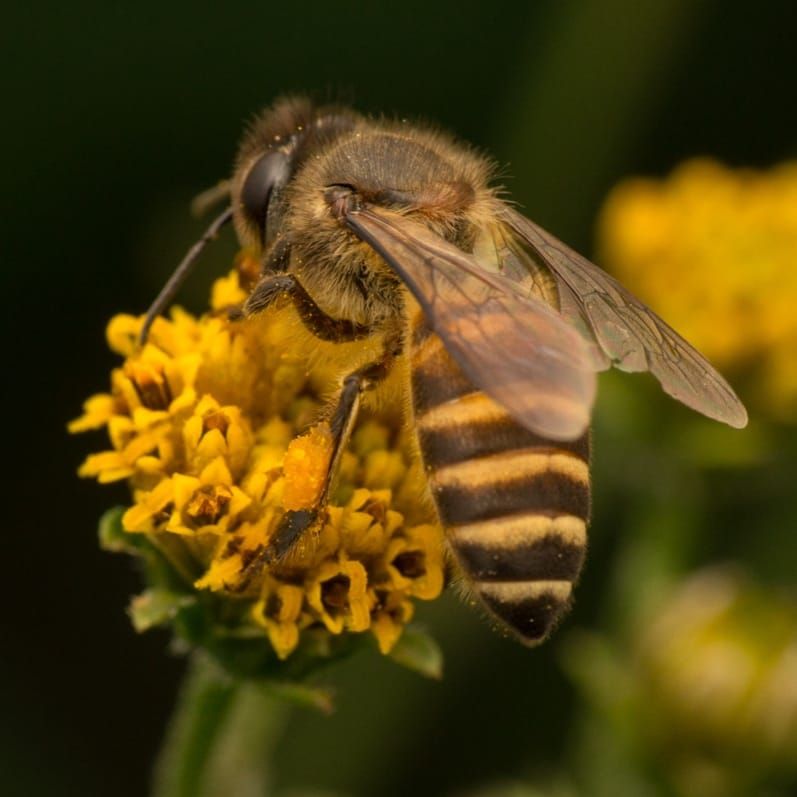

In the mountains of Jumla District, Nepal, the difference between a healthy life and malnutrition often depends on an imperceptible buzz. There, insect pollinators, ranging from native honeybees to hoverflies, act as an invisible engine sustaining smallholder communities. When one of these insects visits a local crop, it is doing much more than moving pollen: it is securing 44% of a family's farming income and guaranteeing that daily meals contain the vitamins and nutrients essential for growth. This is not an abstract idea; for the inhabitants of Jumla, the health of the ecosystem is directly linked to the health of their bodies and the stability of their livelihoods.
Ecosystem services often feel like abstract and intangible concepts. To make them measurable, an international team tracked the "flow of life" from the field to the human body across ten smallholder farming villages in Nepal. The goal was to quantify, for the first time through direct empirical links, how environmental degradation and pollinator loss affect not only plants but also the individual nutrition and household economy of vulnerable rural communities.
To achieve this, researchers conducted a massive data integration over a year. In the field of human nutrition, 15,687 dietary recall surveys were carried out, reconstructing everything consumed in the previous 24 hours by 776 participants, including adult men and women, adolescent girls, and children under five years old. To ensure accuracy, food models and weight measurements were used to calculate the exact mass of each ingredient consumed.
In parallel, the field ecology team documented 10,975 plant-pollinator interactions through fortnightly surveys and analyzed the pollen loads of 503 insect species to identify those truly responsible for the productivity of each harvest. Finally, risk simulations were used to model scenarios ranging from the complete loss of local pollinators to optimal management, evaluating how these changes would alter family welfare.
The study's findings transform ecology into stark survival figures. Insect pollinators were found to be directly responsible for 44% of people's farming income and more than 20% of their vitamin A, folate, and vitamin E intake. Although pollinator-dependent crops represent only 18% of the diet's total weight, they supply the vast majority of micronutrients: 73% of vitamin E, 68% of folate, 67% of vitamin A, and 44% of calcium.
The impact of the absence of these nutrients is not just a statistical figure but a direct threat to public health. A lack of these micronutrients translates into increased mortality from infectious diseases, birth defects, and impaired physical and cognitive development. Specifically, critical levels of vitamin A can lead to severe consequences for eyesight, ranging from night blindness to total blindness. In the case of folate, its reduction significantly increases the risk of neural tube defects in children.
Under a complete pollinator loss scenario, vitamin A intake would drop by 21% and folate by 19%. The study highlights that adolescent girls would be the most affected, as they not only depend on a slightly higher proportion of pollinator-dependent crops for key nutrients but their pre-conception nutrition is also a determining factor for maternal health and future children.
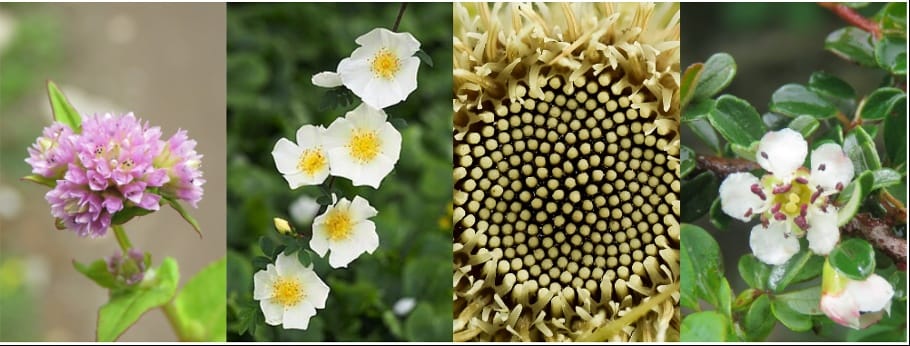
The solution proposed by the study is especially relevant for the botanical community: managing biodiversity as an accessible, low-cost public health intervention. The research reveals that species frequently considered "weeds" or common shrubs, such as Persicaria nepalensis, Cirsium wallichii, Cotoneaster microphyllus, and Rosa sericea, are vital for supporting pollinators with floral resources outside of crop flowering periods. Active management of these ecosystem services could increase household income by 15% and bring a significant portion of the population out of nutrient deficiency.
This study reminds us that humans are not outside of nature but integrated into a web of vital interactions. By studying the botany of a wild flower on a field margin, we are not just doing basic science: we are identifying defenses against poverty and malnutrition. Protecting pollinators and their botanical environment is, quite literally, protecting ourselves.
READ THE ARTICLE
Timberlake, T.P., Sapkota, S., Saville, N.M. et al. Pollinators support the nutrition and income of vulnerable communities. Nature (2026). https://doi.org/10.1038/s41586-026-10421-x
Spanish and Portuguese translation by Erika Alejandra Chaves-Diaz.
Cover picture by Jeremy Jones (Wiki Commons).

.jpg?ref=botany.one)


.jpg?ref=botany.one)
