
We often hear that “no one will protect what they don’t care about; and no one will care about what they don’t experience”. The point is a powerful one: people cannot care about what they do not notice. Unfortunately, this may be the case with many plants: although they are essential to human wellbeing, they often fade into the green background of daily life.
This has led to growing concern that people’s attention to plants, and their ability to name them, may have declined over recent decades. The worry is especially strong in highly industrialised European countries such as Germany, where urban life is common and many people have fewer everyday encounters with nature. Earlier studies suggested that children in German-speaking countries now identify fewer common wild plants than children did several decades ago. Other work has also found that adults, including biology students and teachers, often know relatively few plant species.
But there was a problem. Most studies used different methods and surveyed different groups of people. That makes it hard to know whether plant knowledge had truly declined, or whether researchers were simply comparing unlike surveys. To tackle this issue, Dr Petra Lindemann-Matthies and colleagues took a more direct route. They repeated an earlier survey, using the same basic test, to ask whether adults could still recognise common wild plants after 20 years.
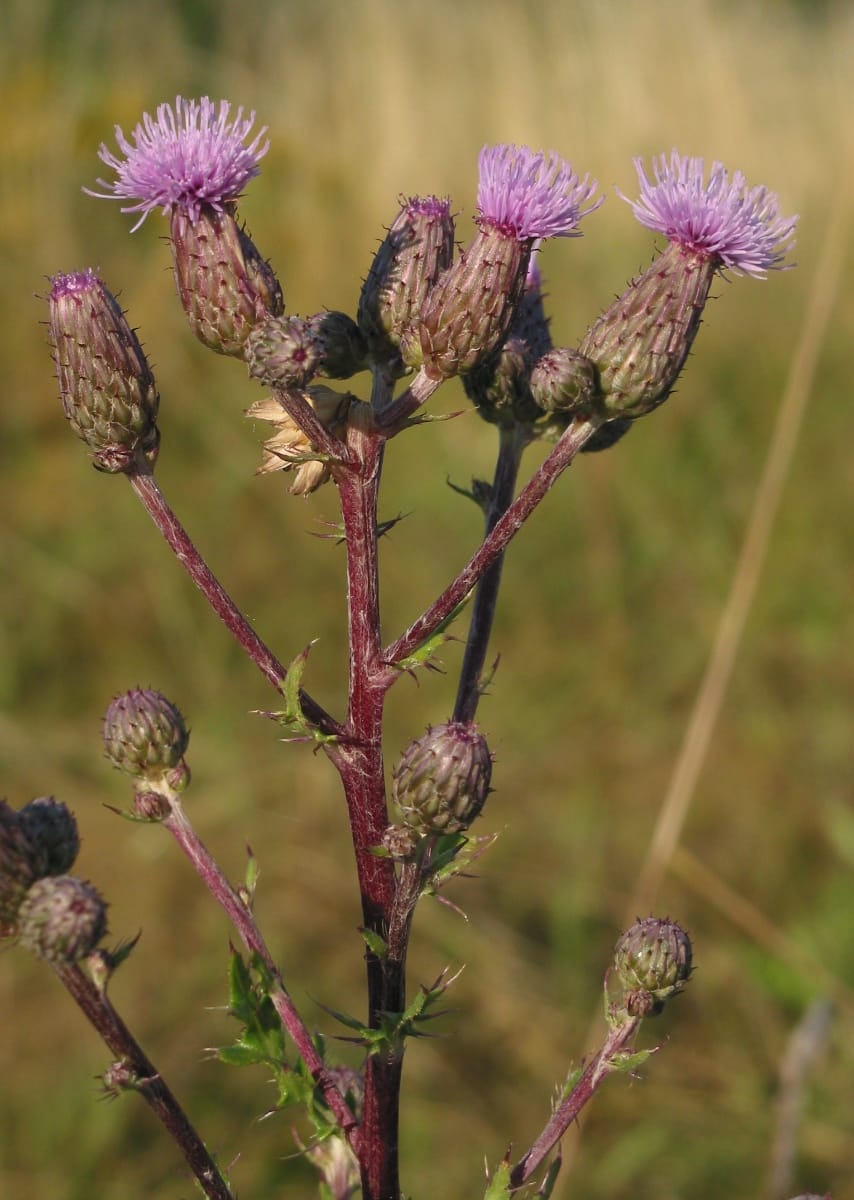
The researchers used a simple test: they showed people pictures of plants and asked them to name them. The first survey took place in summer 2002 in Marburg, Germany, at two sites: the Botanical Garden of the University of Marburg and the entrance to the university hospital. The hospital site was chosen because its visitors were expected to be closer to the general public than visitors to a botanical garden, who might already be more interested in plants.
Twenty years later, the team repeated the test. In 2022, they returned to the same botanical garden. They had hoped to repeat the hospital survey too, but COVID-19 restrictions made this impractical, so they also ran an online version. In 2023, they added a face-to-face survey in a park in Freiburg im Breisgau. In total, the final dataset included 1558 adults aged 18 to 88.
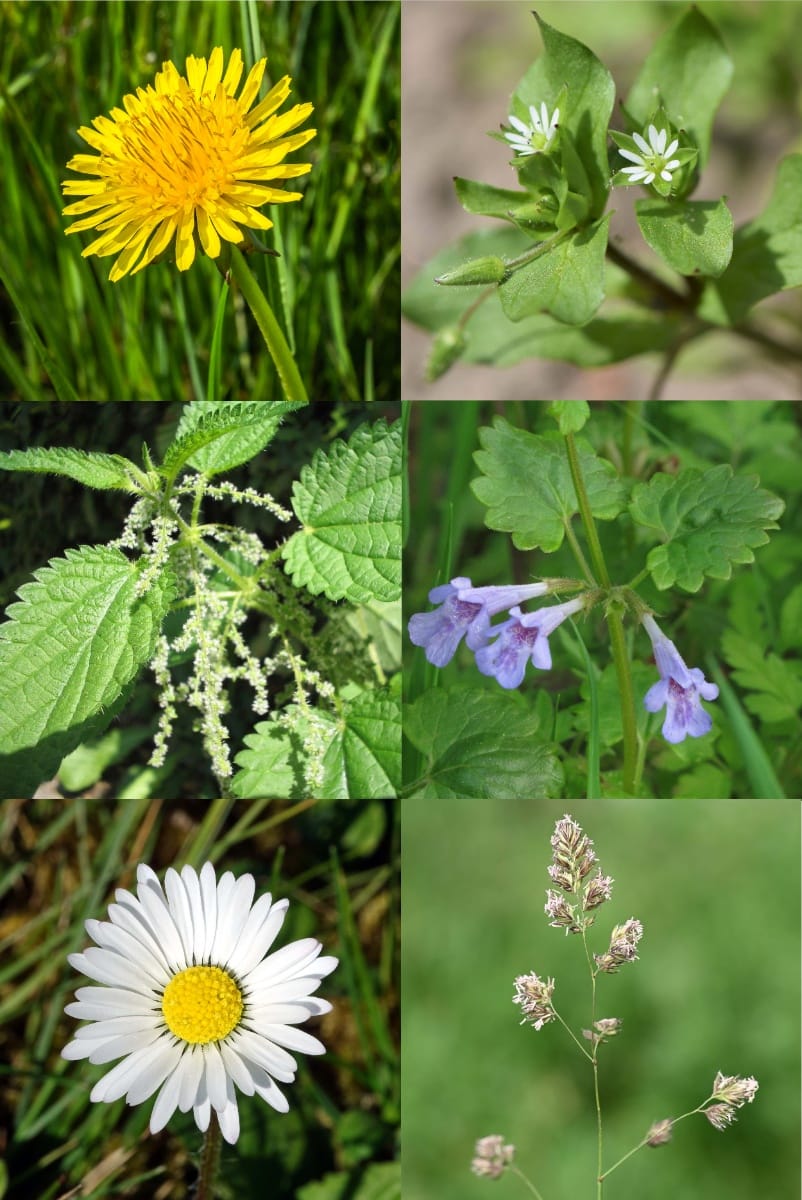
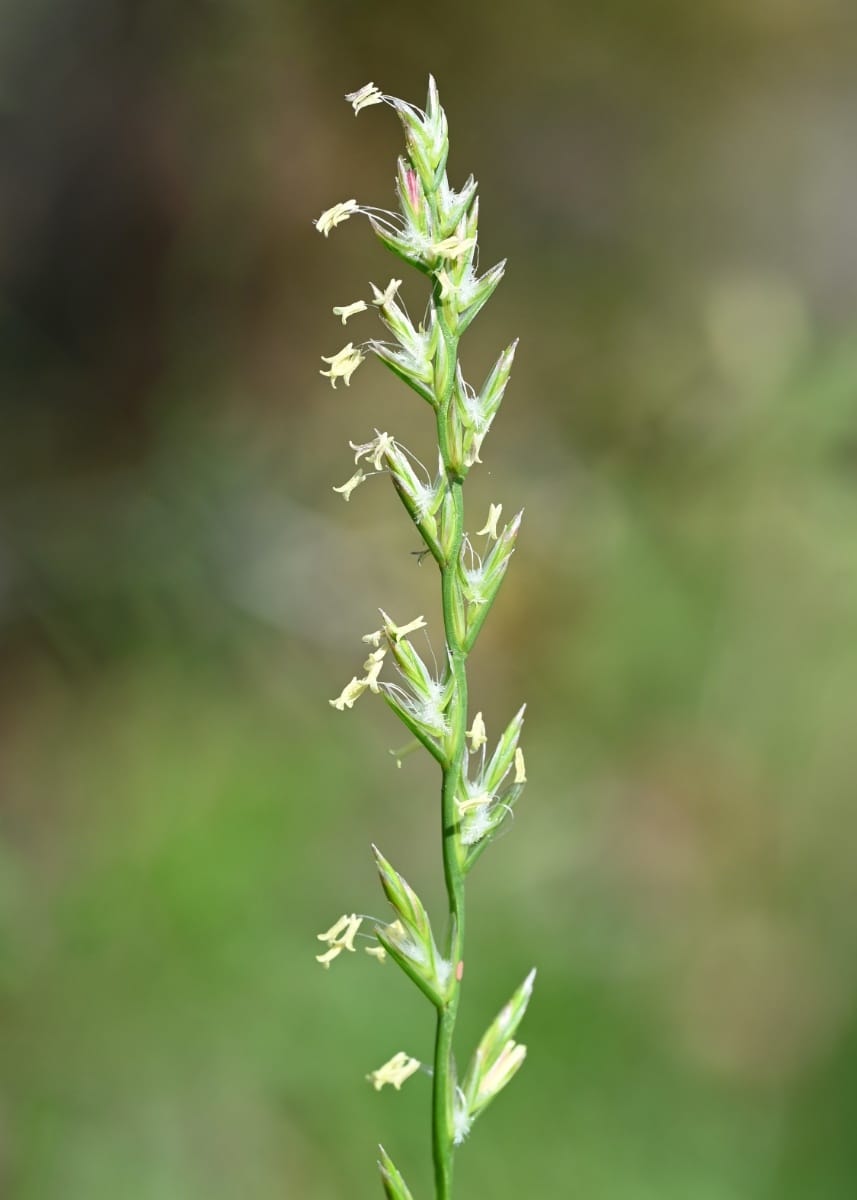
Each participant saw photographs of 15 common wild plants native to Germany. These included species expected to be easy to recognise, such as dandelion (Taraxacum officinale), stinging nettle (Urtica dioica) and daisy (Bellis perennis), as well as less familiar plants such as chickweed (Stellaria media), ground-ivy (Glechoma hederacea), cock’s-foot (Dactylis glomerata) and perennial rye-grass (Lolium perenne). The same photographs were used in 2002 and 2022/23, making the comparison as fair as possible.
Participants also reported their age, gender, where they thought their plant knowledge came from, and how good they believed that knowledge was. The researchers then compared scores across years, places and participant groups.
What, then, did people know? Participants in 2002 correctly identified 6.47 species on average, compared with 6.51 in 2022/23. Surprisingly, plant knowledge had not declined since 2002. That challenges the familiar idea that people in Europe have simply become worse at recognising plants over the past few decades. Yet this good news comes with a catch: participants still identified just over 40% of the plants correctly. Plant knowledge may not have collapsed, but it remains modest.
The easiest plants were the ones many people meet early and often. Dandelion, stinging nettle and daisy were each recognised by more than 80% of participants. At the other end were chickweed, ground-ivy, cock’s-foot and perennial rye-grass, which fewer than 10% of participants could name correctly. In other words, people tend to remember plants that are colourful, familiar, irritating or culturally visible, while small green plants and grasses often disappear into the background.
The result is therefore not exactly reassuring. Younger participants in 2022/23 knew fewer species than older people, and the gap between age groups was wider than it had been 20 years earlier. This suggests that plant knowledge may not be vanishing equally across society, but weakening especially among younger generations. The authors point to likely causes such as less direct experience of nature and less attention to species identification in schools.
The sources of knowledge also changed with age. Older participants were more likely to say they had learnt about plants through gardening or other leisure activities. Younger people more often pointed to family or formal education. The implication is clear: plant knowledge grows through repeated contact. Seeing, touching, gardening, learning and naming all help turn anonymous greenery into recognisable life.
Together, these findings suggest a more nuanced problem. The issue is not a sudden cultural forgetting, but a shallow and uneven relationship with everyday plant life. Many people have not forgotten plants so much as never had enough chances to know them well.
That matters because biodiversity protection depends on more than facts about distant rainforests or endangered animals. The future of plant conservation may begin with something as simple as learning what is growing at your feet. Lindemann-Matthies and colleagues argue that young people need more direct, enjoyable contact with plants, in schools, gardens, parks and greener cities. Bright flowers can open the door, but real awareness means looking closer: not every yellow daisy-like flower is a dandelion, and not every green leaf is just “a plant”. Once people can name what they see, everyday greenery becomes biodiversity, and biodiversity becomes something worth defending.
READ THE ARTICLE
Lindemann‐Matthies P, Gellesch T, Matthies D. 2026. One questionnaire—Two points in time: Has plant species knowledge of laypeople changed over a period of 20 years?. People and Nature. https://doi.org/10.1002/pan3.70331
Spanish and Portuguese translation by Erika Alejandra Chaves-Diaz.
Cover picture by Jade87 (Pixabay).