
In the United States, many states have chosen plants and insects to stand for their identity, history or landscape. Some of these symbols are backed by law and taught through schools, tourism campaigns and public outreach. Oklahoma, for example, has the Eastern Redbud as its state tree, while Alabama recognises the Eastern tiger swallowtail as its state butterfly.
These state flowers and insects are meant to be lasting symbols attached to the culture and history of the places they represent. Yet they can also feel deeply personal. A flower or insect can become shorthand for a landscape, a childhood memory, a tourist trail or a story a state tells about itself. But as global temperatures rise, many species are already shifting their ranges, often moving northwards or to higher elevations to stay within the climatic conditions they can tolerate. This means some state flowers and insects may become rarer, or even struggle to survive, in the very states they symbolise.
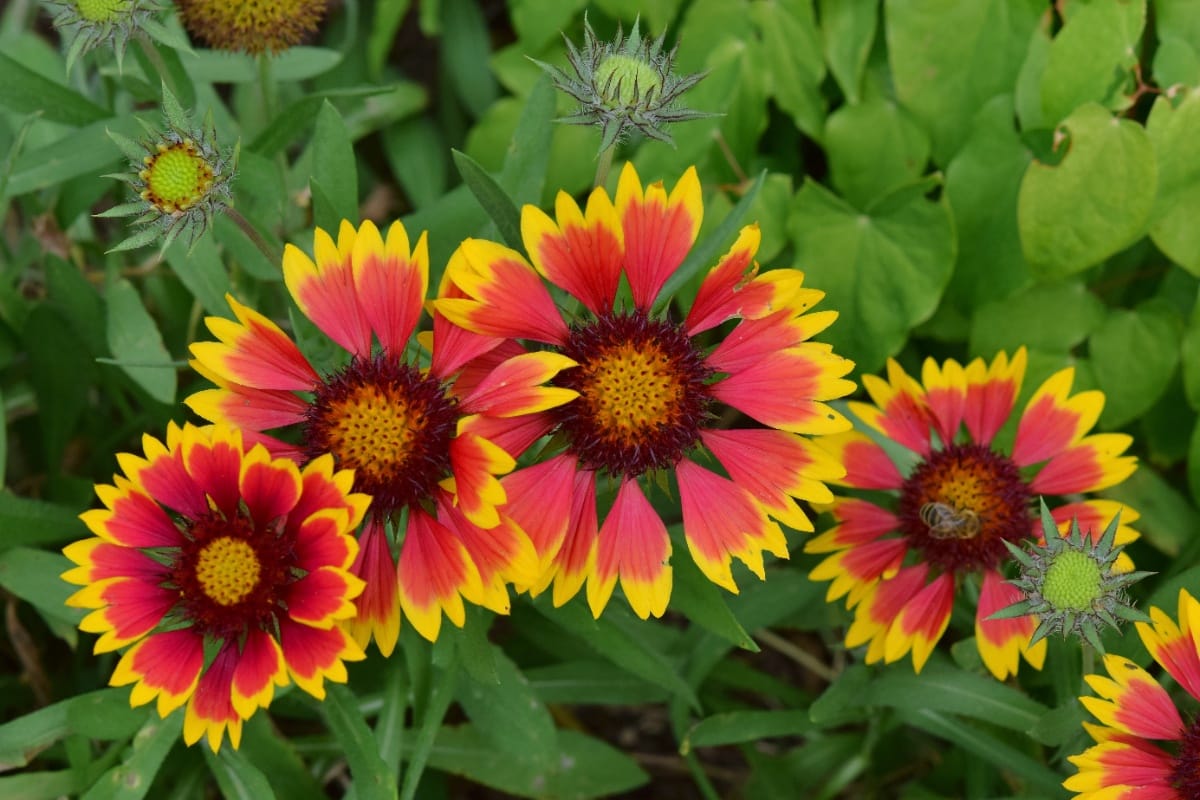
In a new study published in People and Nature, Xuezhen Ge and colleagues modelled how future climates may alter suitable habitat for 64 United States state flowers and 68 state insects by the 2080s. The research team first compiled a list of official state symbols, which was not as simple as it sounds. Some states name a precise species, while others name a whole genus or use common names. To resolve this, the team checked state websites, legislation and other official sources to identify the species as clearly as possible.
The researchers then gathered records of where these species have been found and matched those locations with climate data. They used this information to build species distribution models, which are computer models that estimate where climate is suitable for a species, based on where it lives today and where similar climates may occur in future. They also examined the cultural side of these symbols, recording whether each species was linked to themes such as regional identity, education, conservation, history, or Indigenous and First Nations values.
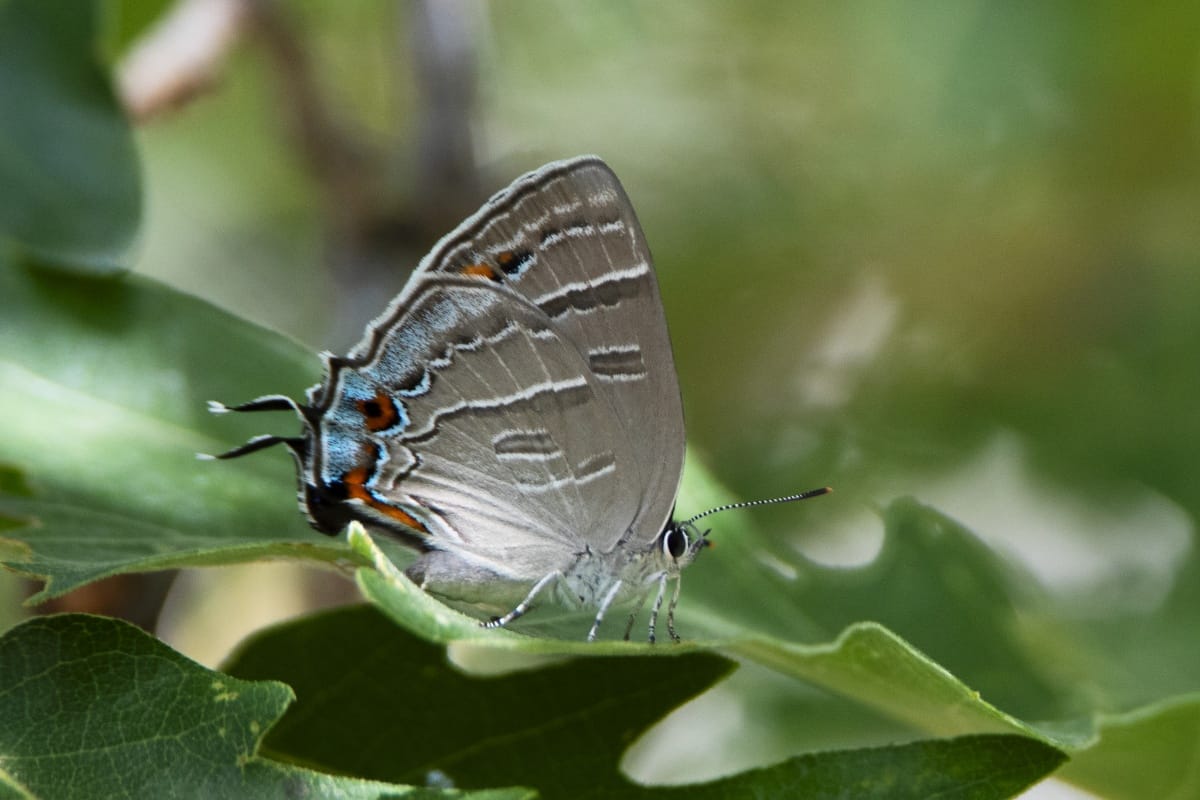
Their results suggest that many of these culturally important species could lose ground within the very states that chose them as emblems. Under a high-emissions future, 42 state flowers, about two-thirds of those analysed, and 35 state insects, about half, are projected to lose suitable climate conditions within their designating states. Ten flowers and three insects could reach very low levels of climatic suitability by the 2080s, suggesting a risk of local extinction. Even under the most optimistic climate change scenario, 19 flower and 12 insect species were projected to be negatively affected. Some species may find suitable conditions elsewhere, but often not in neighbouring states, making natural movement difficult.
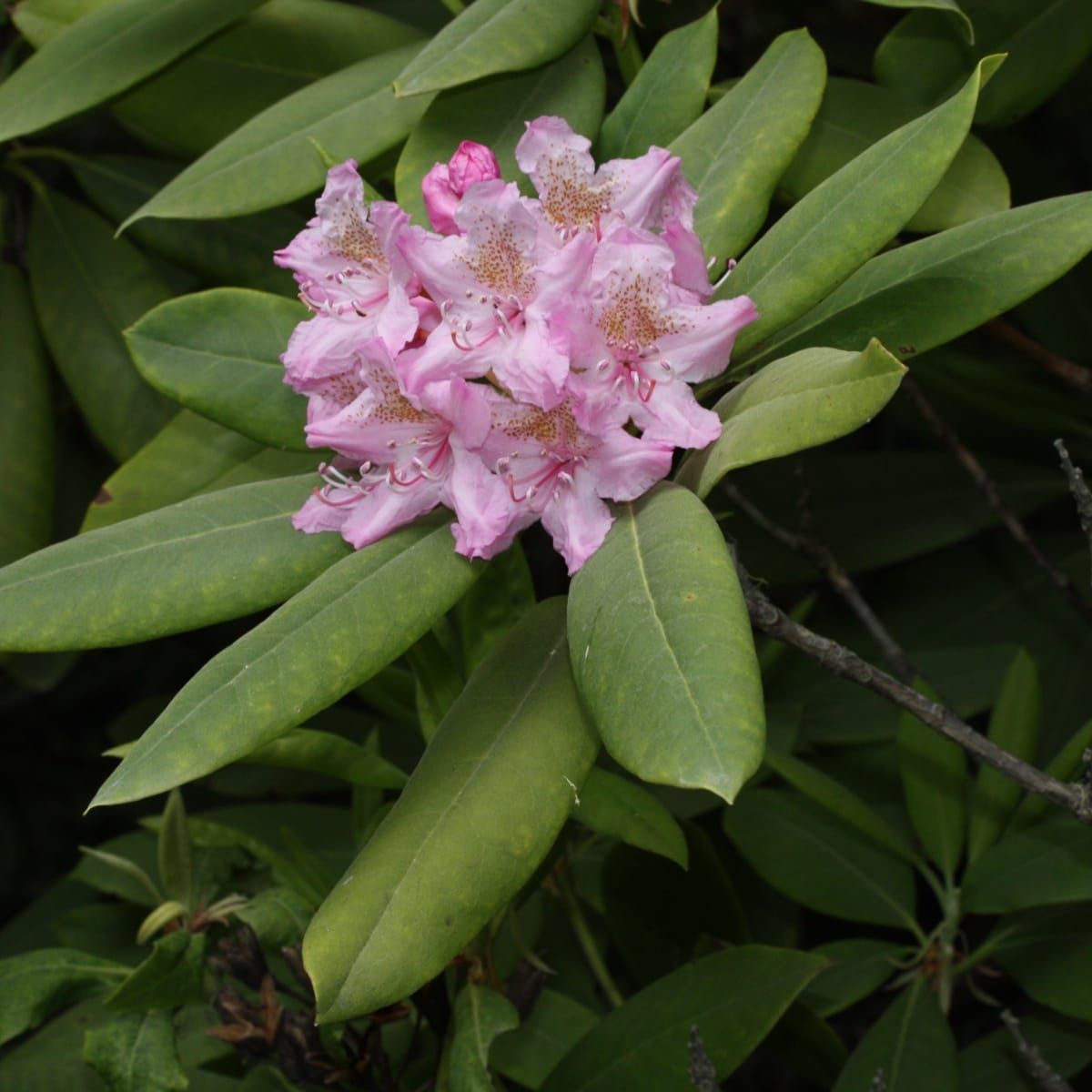
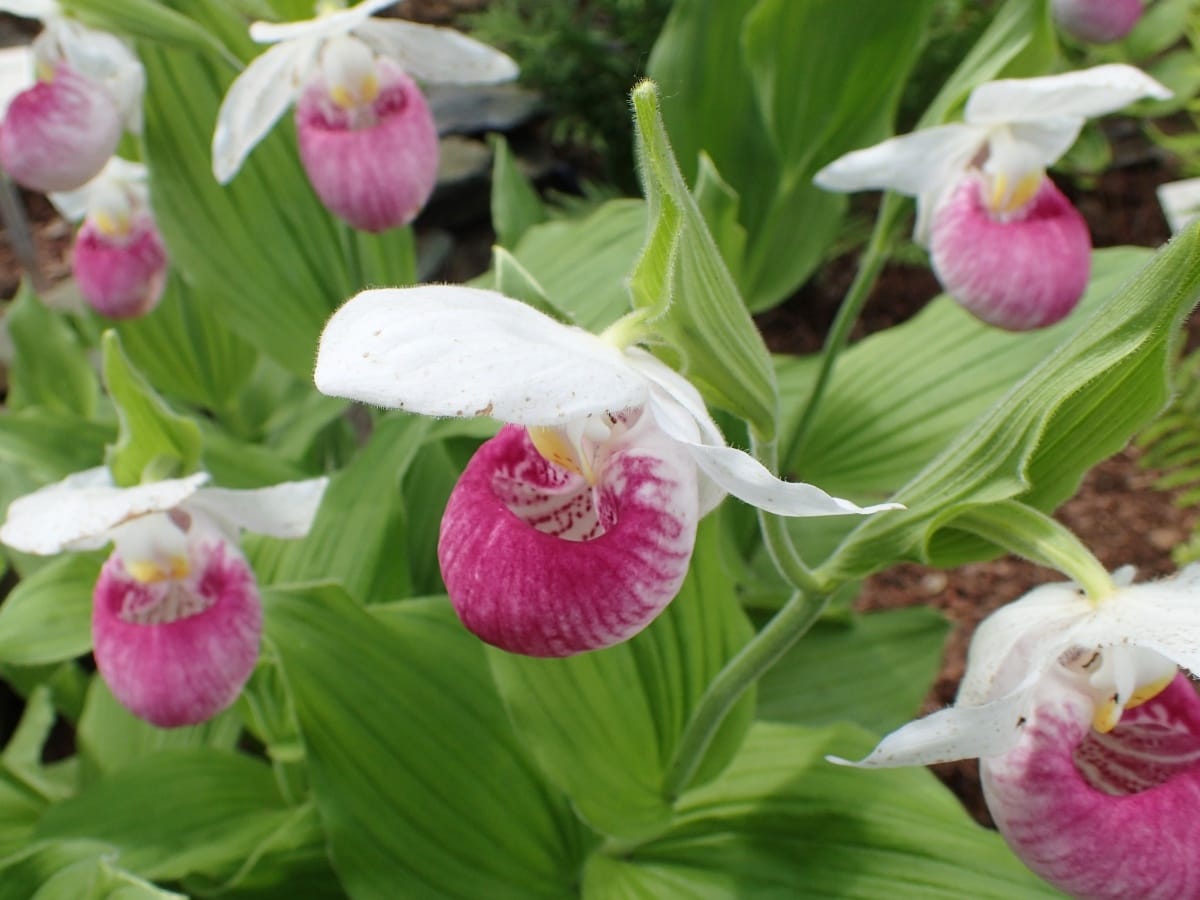
These species are not just names on official lists. They appear on flags, road signs, school materials and tourism campaigns. The showy lady’s slipper, Cypripedium reginae, for example, is Minnesota’s state flower and gives meaning to a wildflower route where hundreds of thousands of blooms can still be seen today. Yet the study suggests that this area may become climatically unsuitable for the species by the 2080s. Washington’s state flower, the Pacific rhododendron, Rhododendron macrophyllum, carries a different kind of history: it was chosen in a 1893 vote open to women, long before women in the state could vote in formal elections. Losing such species locally would mean losing part of a state’s living memory. That is why Ge and colleagues argue that this is not only a conservation issue, but also a cultural one. Climate change could erode living symbols tied to history, identity and Indigenous traditions.
The ecological risks are just as serious. Some state flowers depend on underground fungal partners to germinate and survive. Some insects help control pests or pollinate early-flowering plants. If these species disappear from their home states, the effects could ripple through soils, food webs and plant reproduction.
The losses were not evenly spread. Shrubs appeared more vulnerable than many other plant groups, butterflies were slightly more affected than bees or lady beetles, and native species tended to be more exposed than non-native ones. This creates a difficult irony: the species most closely tied to local landscapes and identity may be among those most likely to lose suitable conditions.
These projections are not crystal balls showing an unavoidable future. They show climatic suitability, not a guaranteed outcome for every population. What happens next will depend on habitat protection, land use, conservation action and whether species can move, or be helped to move. Still, one message stands out: state symbols cannot be protected with yesterday’s maps. Their future will depend on conservation that follows climate change across borders.
READ THE ARTICLE
Ge X, Zou Y, Hager HA, Newman JA. 2026. Wilting wildflowers and bummed‐out bees: Climate change threatens US state symbols. People and Nature. https://doi.org/10.1002/pan3.70323
Spanish and Portuguese translation by Erika Alejandra Chaves-Diaz.
Cover picture: Coast Rhododendron (Rhododendron macrophyllum), Washington’s state flower. Photo by Walter Siegmund (Wikimedia Commons; CC BY-SA 3.0).


.jpg?ref=botany.one)

