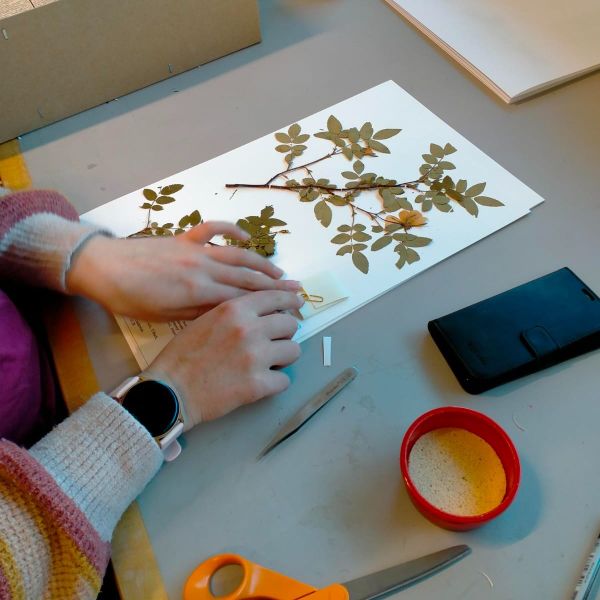

The State of the World’s Plants and Fungi (SOTWPF) Symposium was built around a simple but enormous theme: the Digital Biodiversity Revolution. The SOTWPF report draws on more than 400 experts from more than 170 institutions across 40 countries. It was also released with the New Phytologist Foundation special collection Harnessing the benefits of specimen digitisation, which includes more than 50 contributions from scientists in 38 countries.
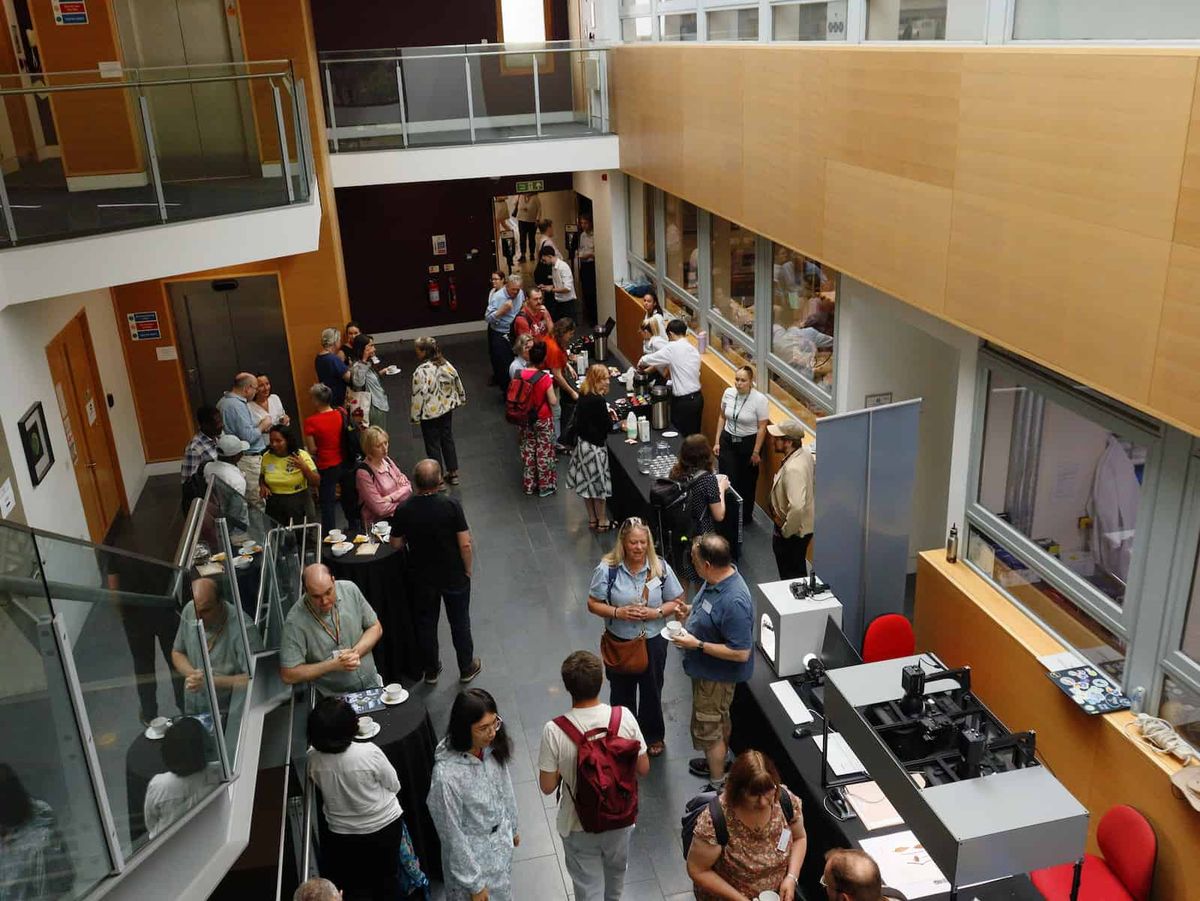
The three-day symposium was broadcast live, but it was very different in person. The digital biodiversity revolution was happening in the corridors and lecture theatre of Kew’s Jodrell Laboratory, between coffee queues, posters, herbarium and fungarium tours, and breaks outside beside the lake with flowering waterlilies.
Botany One had a sweets-filled stand, some unexpected fruits, and a Bonsai LEGO set raffle for newsletter subscribers. Next to our stand, Max Communications was demonstrating their digitisation workstation, including a 100-megapixel Fujifilm camera worth more than £5,000. I made a brief joke about distracting the team and running off with it, which ended when we were told the camera had its own security tracking.
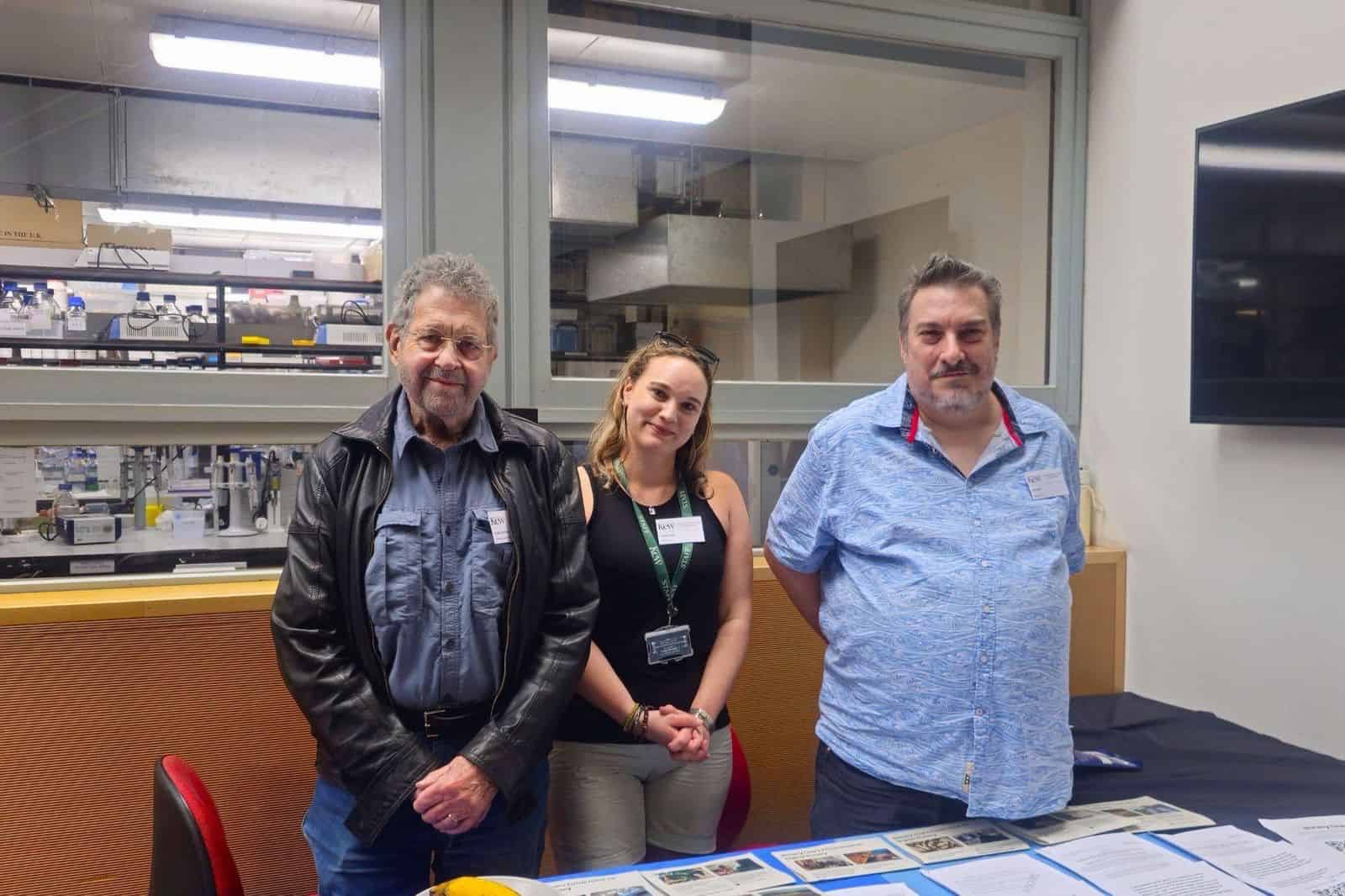
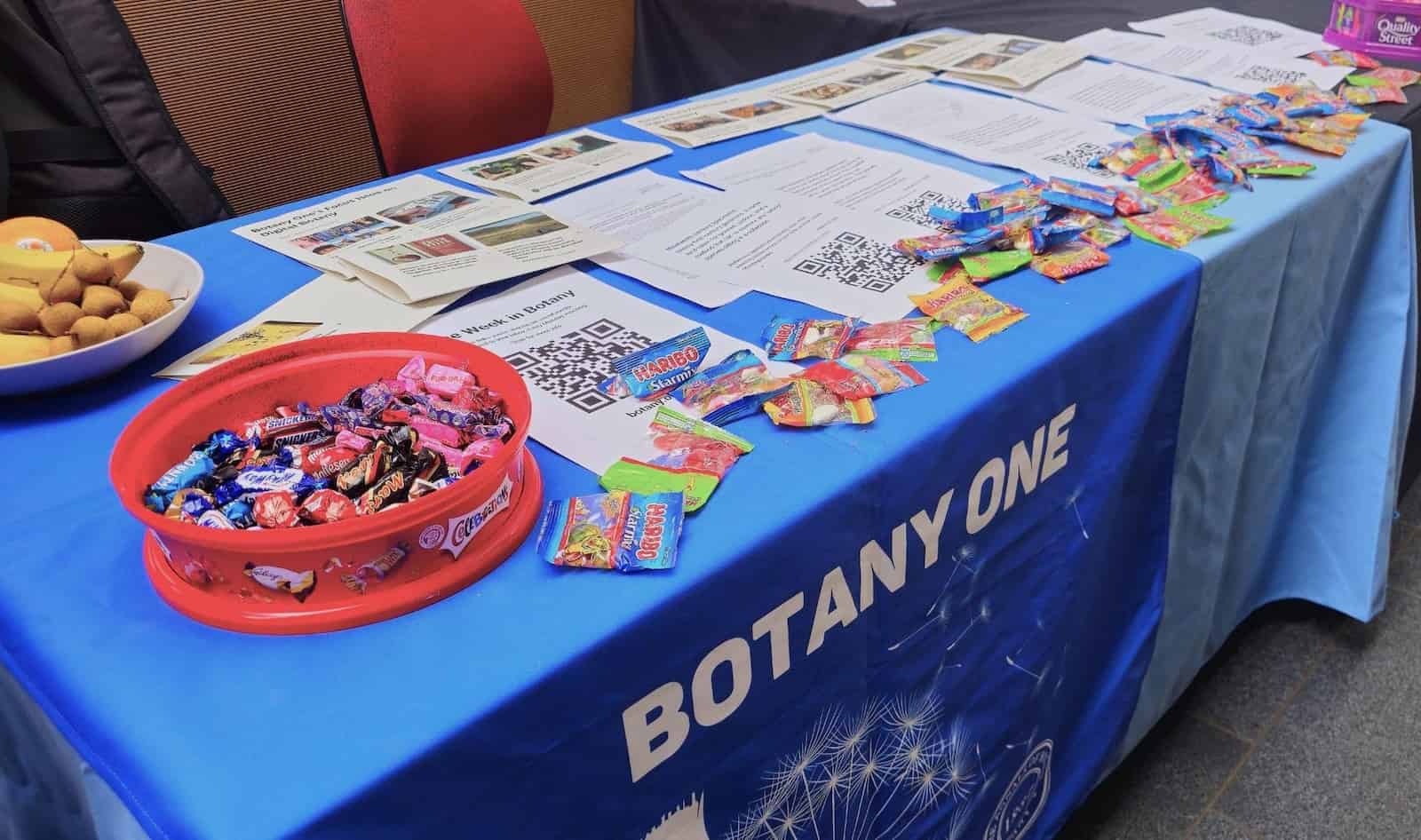
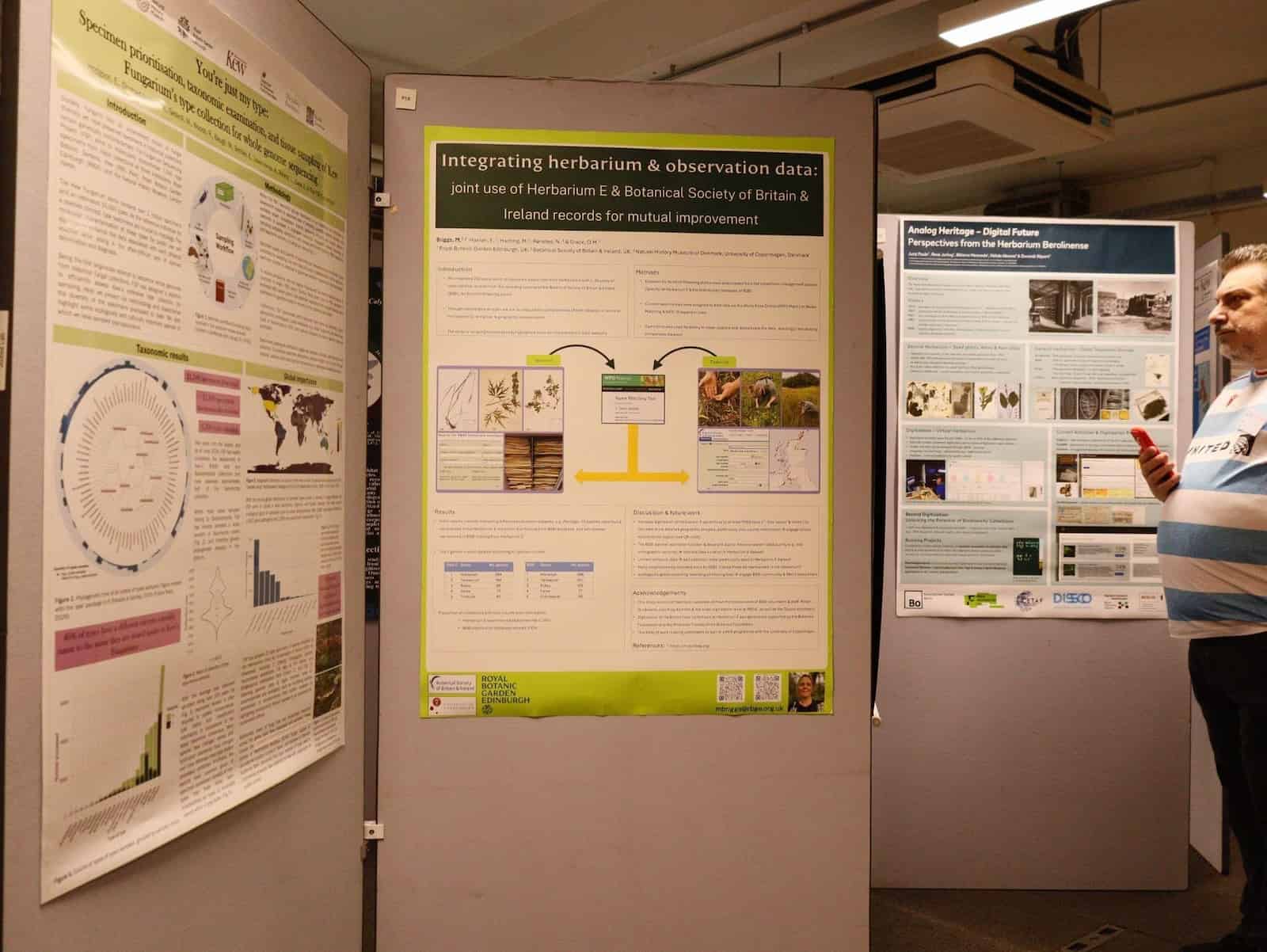
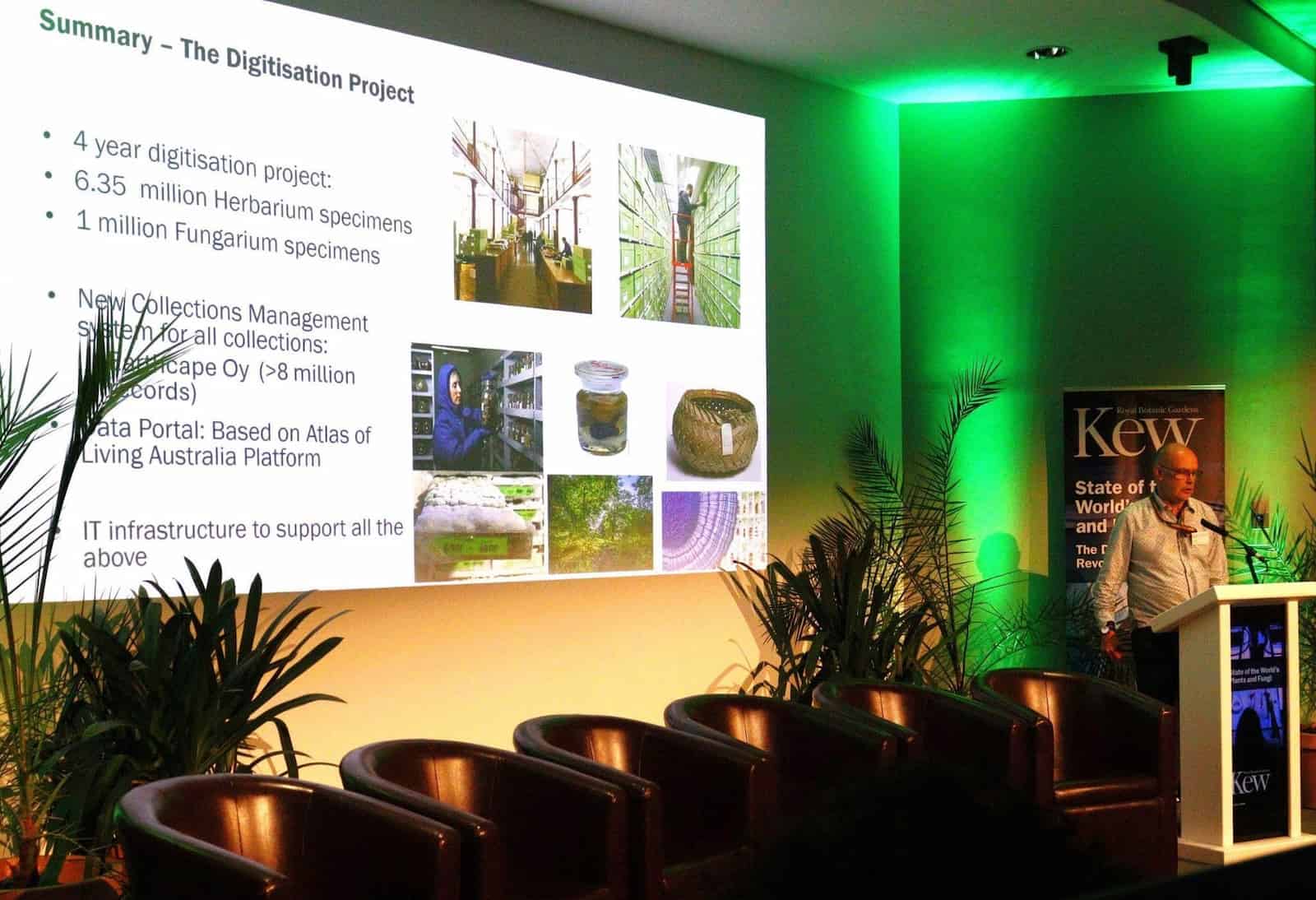
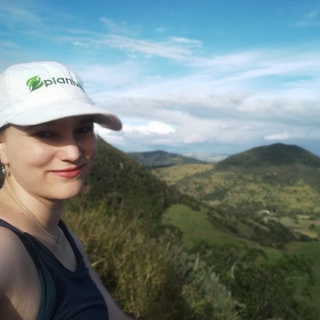
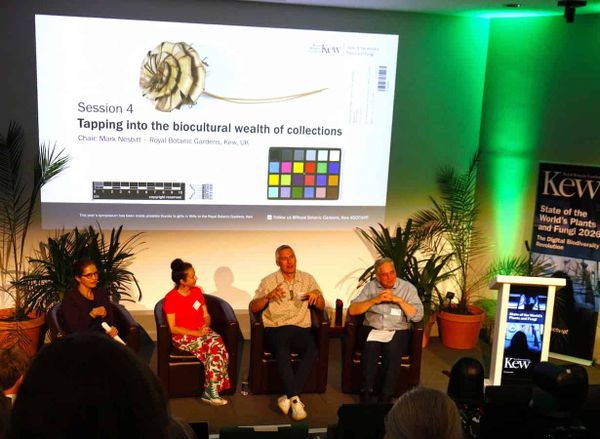
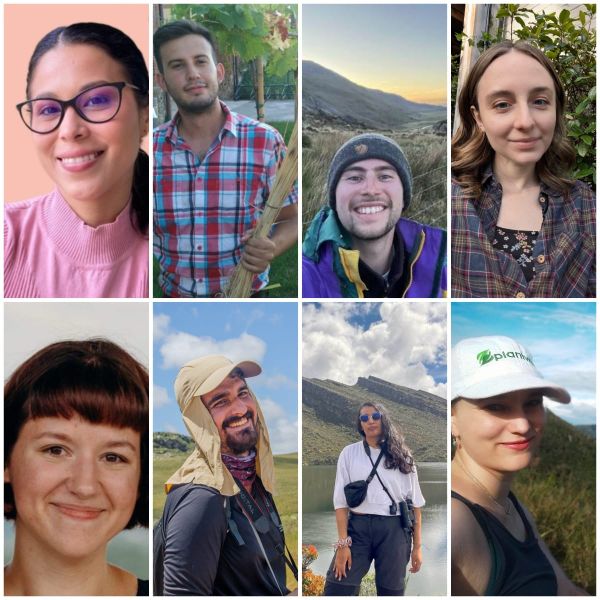
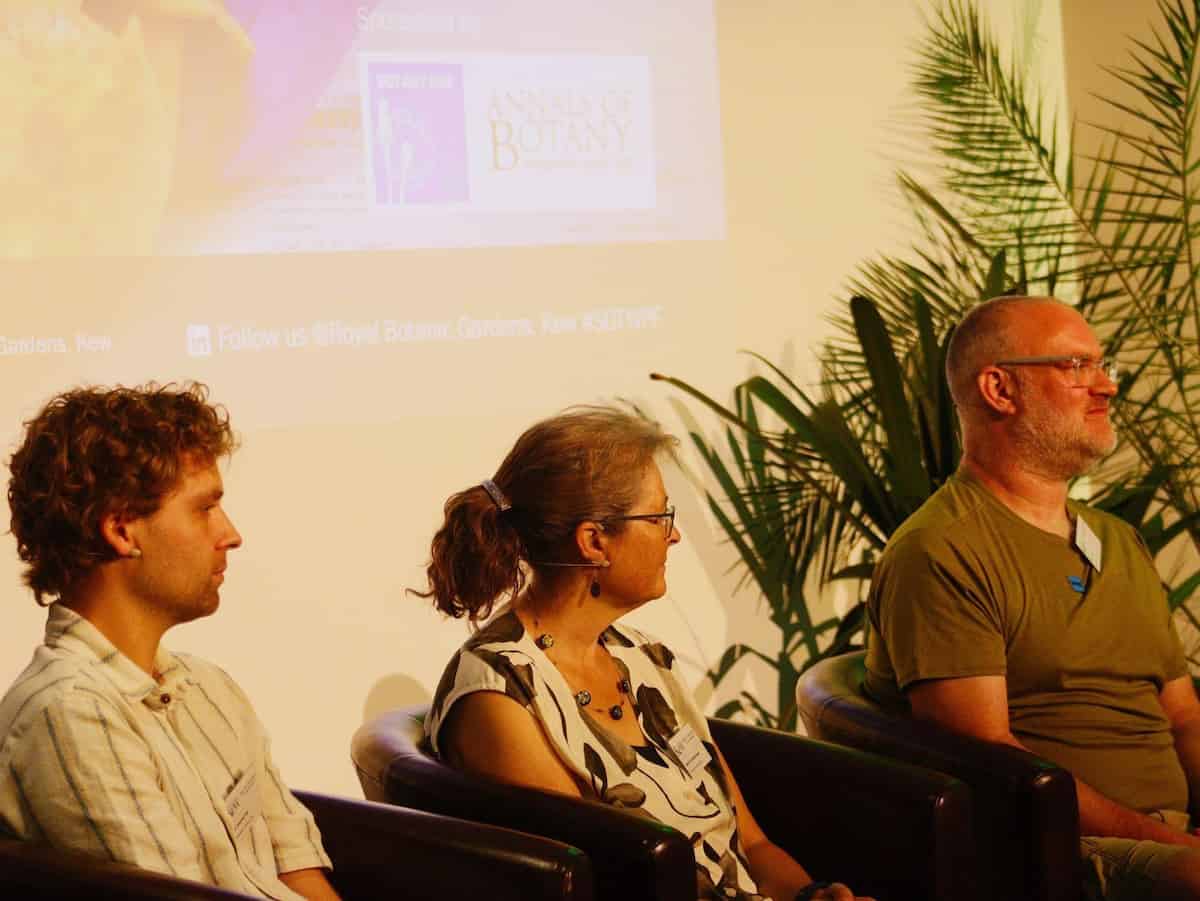
Around the Jodrell Laboratory during SOTWPF Symposium: Hugh Dickinson from the Annals of Botany Company, Botany One Guest Editor Juniper Kiss, and Alun Salt at the Botany One stand; poster sessions; and Alan Paton presenting Kew’s digitisation project. Source: Juniper Kiss
I have followed previous State of the World’s Plants and Fungi events online, but the live stream cannot replicate the conversations beside posters, over coffee, or after a tour through the herbarium, fungarium or gardens. The food was plant-based, naturally. The flash talks captured the energy best: 60 seconds, yellow card, red card, bell. I believe most meetings would improve if run this way.
Botany One’s Digital Botany Focus Issue had been circling many of the same questions all month. We covered field realities of hunting down plants, digitisation tips and tricks, what collections can reveal and the space between global tools and local action. The symposium felt like those themes brought into one building, with more coffee and many generous scientists sharing different approaches working towards an overarching goal.
My main takeaway was that the digital biodiversity revolution is real and inspiring. Millions of underutilised collections are being digitised around the world. But if the revolution moves faster than provenance, consent, capacity-building, benefit-sharing and long-term funding, it risks turning collections into another extractive infrastructure. The talks made the technical promise clear; they also left open the harder question of how well-resourced institutions will support under-resourced ones without taking more value than they return.
The in-person workshop discussion asked what the community should prioritise next: digitising more collections, improving existing data, funding local infrastructure, training people, or managing sensitive records. I did not leave with a clear answer, especially on who funds the slower work and how well-resourced institutions will support under-resourced collections. That uncertainty is worth saying out loud, because it sits underneath the whole revolution. Whilst all symposium abstracts and recordings are available online, here are some of the highlights.
Day 1: From specimens to conservation action
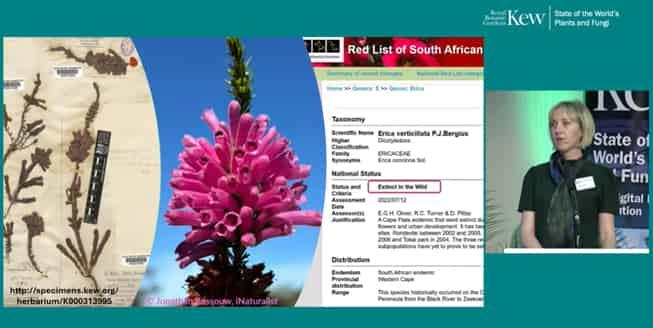
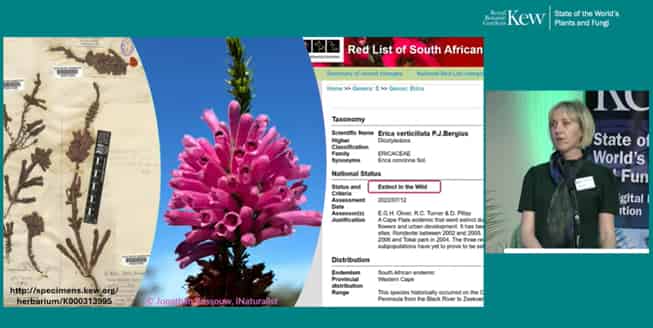
One of the first examples came from Marianne Leroux, from the South African National Biodiversity Institute (SANBI), with Erica verticillata. This Cape Flats species became extinct in the wild during the first half of the 20th century after urban expansion and agricultural development. Herbarium collections helped conservationists reconstruct where it had grown and what kind of habitat it needed. Living collections then helped reintroduce it.
Leroux said during her presentation, “Although the link between individual specimens and policy may seem distant, the link is real, and it should never be underestimated.”
That is the cleanest impact pathway of digitisation. A specimen label can become a checklist. A checklist can become a red list. A red list can become a policy decision. A policy decision can decide whether a patch of habitat is protected or built over. This is not nostalgia for old cabinets. It is evidence moving through the world.
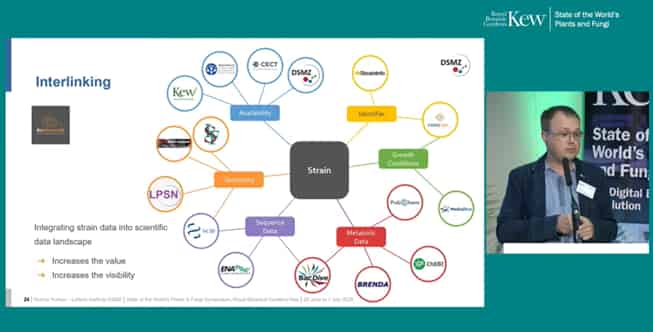
The same session moved from herbaria into microbial and fungal collections. Andrey Yurkov, from the Leibniz Institute DSMZ, made the point that microbial collections are “another different world”. Just have a look at StrainInfo. They are not only labels and images. They include viable strains, cultures, sequences, growth conditions, metabolic data, names, identifiers, patent restrictions and sometimes Nagoya Protocol or Convention on Biological Diversity (CBD)-linked access limits. For fungi, the problem becomes even harder: a specimen, a living culture, an environmental sequence and a photograph from iNaturalist may all refer to the same organism, but sit in different systems.
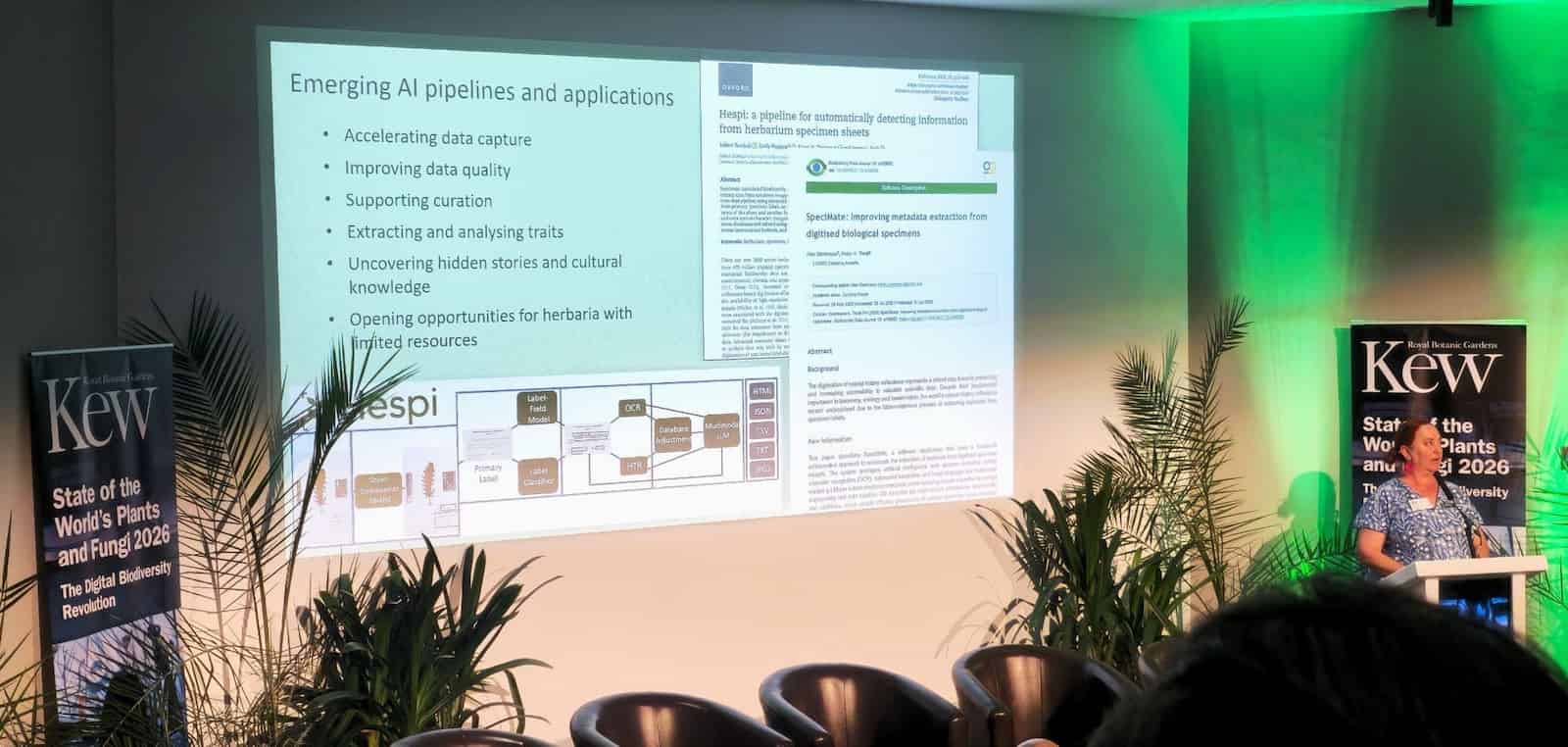
Then Hannah McPherson’s Australasia talk showed digitisation as a long-running collaboration rather than a single project. The Australasian Virtual Herbarium began as a collaboration across Australian herbaria and is now connected to the Atlas of Living Australia and GBIF. McPherson described individual collections ranging from 16,000 to 1.6 million specimens, with Australian databasing far ahead of imaging while New Zealand imaging is much further along. She highlighted many tools and databases from Australia (e.g. AusTraits, Hespi, SpeciMate), and how they are also facilitating custodianship of cultural knowledge, providing opportunities for culturally informed specimen management and knowledge repatriation. As McPherson put it, “something collected yesterday, something collected hundreds of years ago” can all help piece together the global landscape.
One of her most memorable examples was “Got by Dan”. The phrase appears on specimens collected by George Caley, the first government-appointed botanist in Sydney, when he was working with the First Nations knowledge-holder Daniel Moowattin. Those labels do more than point to plants. They help recover a story of collecting, language and acknowledgement. They also show why digitisation can be a form of repair, if it is done with care. A specimen image without that context would be much poorer.
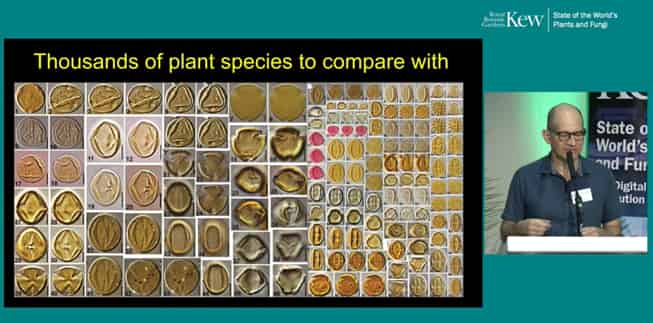
Carlos Jaramillo’s PollenGeo talk highlighted the wonders of palynology. Pollen is nearly indestructible, wildly varied, and useful in honey authentication, allergies, forensics, archaeology, petroleum exploration and palaeoecology. It can tell us where bees have been, where a body may have travelled, how humans moved through Europe, and what Amazonia looked like millions of years ago. Jaramillo’s work links robotic slide digitisation with neural networks trained on neotropical pollen. One slide can take around 12 minutes to digitise and produce a file of roughly 20-25 GB, shifting work that once meant hours at a microscope into a pipeline built from OMERO, the BioImage Archive, MySQL databases, servers, microscopes, workstations and AI-processing computers.
Jaramillo’s talk also produced one of the best technical quotes of the symposium.
“I have been doing this for 35 years or so, and we use images all the time, but I really didn’t know what an image was until I started this project.”
For example, do you know the difference between JPEG and PNG? A digital image is not just something that looks nice on a screen. It is pixels, focal planes, file formats, compression, metadata, colour, resolution and information. This matters because collections are now being prepared for machines as well as people.
Day 2: From herbarium specimens to coordinates and traits
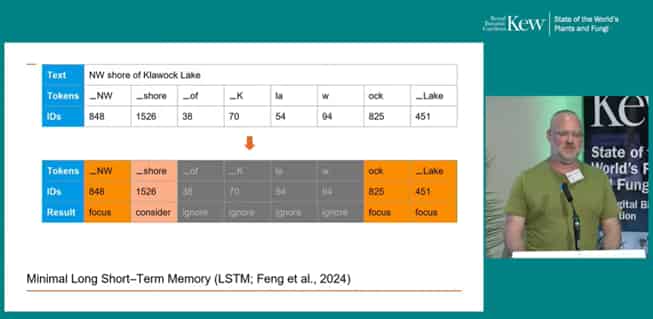
Damon Little’s Sòlarsteinn talk took that same problem into language. Sòlarsteinn is an AI system for georeferencing specimen labels. He began with the object behind the name: a Viking-era sunstone that splits light into two beams and can help find the sun in overcast weather. It was a good metaphor. A herbarium label is also a navigation tool, but a messy one.
A label may contain an old place name, a collector’s shorthand, a railway station that no longer exists, or a phrase like “near” or “around” that has to become coordinates. Little’s system was not presented as a magic LLM trick. He remembered how this project started. “Use an LLM, they said. It will just work, they said.” This was followed by a sigh and gentle giggle. The actual architecture was much more careful: GBIF and iDigBio training and testing data, SentencePiece tokenisation, 4,096 token IDs, Darwin Core outputs, spherical coordinates, attention mechanisms and a custom loss function using great-circle distance across the Earth.
Turning centuries-old herbarium specimens into “AI-ready” data is not a slogan. It is the work of turning irregular historical language into structured biodiversity evidence. Little’s wider work also includes the Herbarium 2021 Half-Earth Challenge dataset, which helped create a large, diverse training dataset for automatic taxon recognition from herbarium sheets.
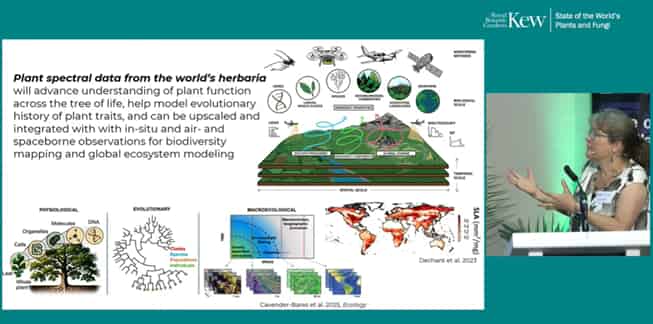
Next, Jeannine Cavender-Bares, from Harvard University Herbaria, pushed digitisation beyond labels and RGB images. Her talk on herbarium reflectance spectra showed how specimens can hold information about plant structure, chemistry, function and phylogeny. In the report, she explains that photons in the visible range let us see colour, while near infrared and short-wave infrared wavelengths carry information about “plant structure, chemistry and many other aspects of plant morphology”. However, the methodology is still delicate, as different instruments, backgrounds, optical setups and metadata still need to be standardized. Their iHerbSpec working group is trying to build shared protocols before incompatible spectral datasets multiply.
Fungi, finally in focus
Fungi ran through the symposium as another reminder of what is still missing. Ester Gaya’s Fungarium Sequencing Project uses historical fungal type specimens as genomic evidence. The project aims to molecularly characterise 7,000 type specimens for public use, from collections that together curate more than 1.8 million fungal specimens and around 61,000 types. In Ester’s talk, the key point was that sequencing type material is not just adding DNA to old specimens; it can help stabilise fungal names, connect historical collections to modern phylogenies, and make fungi more usable in conservation and biodiversity research.
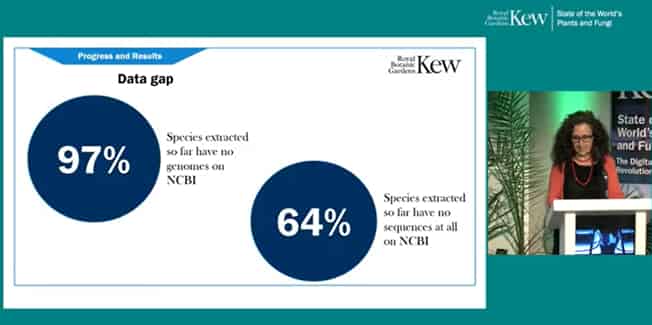
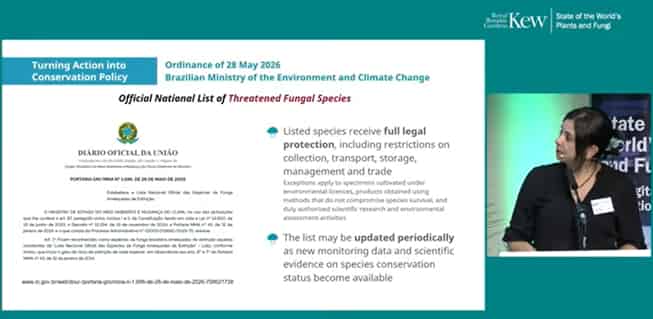
Larissa Trierveiler Pereira’s talk on Brazil’s fungal diversity made the other side of the problem visible. Brazil has had a major national plant data infrastructure, including the Flora e Funga do Brasil on the REFLORA platform, but fungi have often lagged behind plants in participation, monographs, endemism lists and conservation use. Pereira described working on strange and colourful gasteroid fungi — “quite bizarre, so that’s why I love them” — while also showing how specimen data, GBIF records and national platforms are needed to move fungi into Red Lists and conservation policy. Her talk also showed that data can move from collections into law: Brazil now has an official national list of threatened fungal species, giving listed fungi legal protection and restrictions on collection, transport, storage, management and trade. She also used Rickiella edulis, the “Swiss cheese mushroom”, as a concrete example of how specimen data, field surveys, molecular characterisation, ex situ conservation and public outreach can be pulled together for fungal conservation.
Posters also showed how much remains locked away: Madagascar has more than 3,000 fungal specimens, but a significant proportion are lost, poorly preserved or housed in foreign fungaria, especially in Europe. Digitisation can remove some geographical barriers, but it cannot pretend those barriers were never there.
When silent herbaria speak
Daniel Zhigila’s talk on silent herbaria received probably the longest clap during the symposium. His starting point was simple: a specimen in a dusty cabinet can be just as scientifically important as one sitting in a polished digital portal. After working at Harvard University Herbaria, where he could view well-curated specimens online, he returned to Nigeria and visited the herbarium of his alma mater.
There, in “old, dusty, dilapidated” rooms, he found “very nice, beautiful specimens” that were hidden from global biodiversity science. His point was not to compare Harvard and Nigerian herbaria, but to ask why one set of specimens could speak to the world while the other remained unheard. As he put it, these collections “are silent not because they don’t have something to say, but… because the global science has no ears to hear them.”
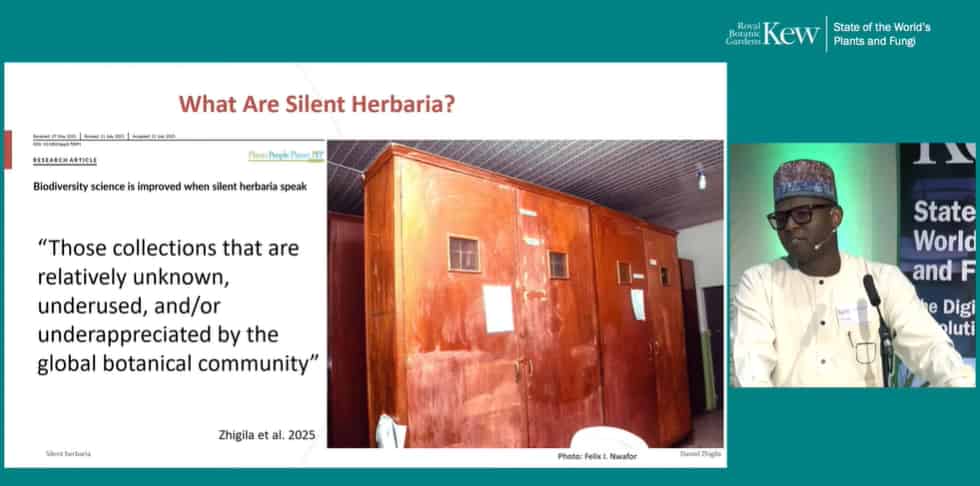
The numbers make that silence hard to ignore. Zhigila and colleagues found around 53 herbaria in Nigeria, yet more than 70% were not registered in global directories such as Index Herbariorum. Around 30% had made some effort to digitise locally, often on laptops, desktops or external drives, but only about 5% had uploaded specimens or metadata online. The consequence is shown through Cnestis ferruginea, a medicinal plant. Species distribution models based only on specimens held outside Nigeria gave a much smaller range than models using in-country Nigerian specimens.
The closing line on one slide said it best: “Every specimen has a voice. Let’s ensure it is heard.” That is the version of digitisation worth fighting for: not data extraction from silent places, but investment that lets countries build, curate and use their own botanical evidence.
The poster sessions made that point repeatedly. Zimbabwe’s digitisation work showed what strategic prioritisation, capacity-building and partnerships can achieve under resource constraints. Ethiopia’s GBIF work showed how capacity enhancement can mobilise herbarium and occurrence data from underrepresented regions, support Red List assessments, species distribution modelling and national reporting.
Part 2 continues with Day 3, where the symposium moved from methods and infrastructure to authority, benefit-sharing, open licences and AI.
Read more
• State of the World’s Plants and Fungi Symposium - programme, recordings and symposium context
• State of the World’s Plants and Fungi 2026 report - the report behind the symposium
• New Phytologist Foundation special collection: Harnessing the benefits of specimen digitisation - linked papers across New Phytologist and Plants, People, Planet
• Botany One Digital Botany Focus Issue - the focus issue that ran alongside the symposium
• PollenGeo paper: Jaramillo, C., Punyasena, S., de Alba, D., Alveo, R., Arcila, A., Bermudez, J., Bustos, J., Caballero‐Rodriguez, D., Cardenas, K., Caro, D., Carvajal, F., Castañeda, I., Chaves, S., D'Apolito, C., Diaz‐Jaramillo, A., Diaz, L., Gomez, L., León‐Carreño, M., Lopera, P., Lopez, M., Lopez, P., Mander, L., Murcia, J., Moreno, C., Moreno, E., Neyra, E., Orosco, B., Ortiz, J., Ossa, N., Ovalle, N., Ovalle, C., Plata, A., Romero, I., Scudeiro, B., da Silva Caminha, S., Tejada‐Fajardo, A., Do Valle, V., and Wood, T.(2025) Digitizing collections to unlock the full potential of palynology: A case study with the Smithsonian palynology collection. PLANTS, PEOPLE, PLANET, 8(4), pp. 1116-1131. Available at: https://doi.org/10.1002/ppp3.70073.
• Next-generation herbarium spectra paper: Cavender‐Bares, J., White, D., Ahlstrand, N., Austin, M., Bastianelli, D., Bazan, S., Boughalmi, K., Cardinal‐McTeague, W., Chacón‐Madrigal, E., Couvreur, T., Davis, C., Durgante, F., Grace, O., Guzmán Q., J., Hansen, K., Hernández‐Leal, M., Hopkins, M., Jackson, R., Kothari, S., Lee, A., Léveillé‐Bourret, É., Pinto‐Ledezma, J., Quinteros Casaverde, N., Meireles, J., Neto‐Bradley, B., Nichodemus, C., Ree, R., Schmull, M., Soltis, D., Soltis, P., Tuomisto, H., Ustin, S., and Vasconcelos, C. (2025) Next‐generation specimen digitization: capturing reflectance spectra from the world's herbaria for modeling plant biology across time, space, and taxa. New Phytologist, 251(2), pp. 645-665. Available at: https://doi.org/10.1111/nph.70645
• Silent herbaria paper: Zhigila, D., Schmidt‐Knapik, R., Thiers, B., Abdul, S., Abdullahi, S., AbdulRahaman, A., Aigbokhan, E., Ajibade, G., Ajikah, L., Akomaye, F., Ayodele, A., Azila, J., Babale, A., Bello, A., Chukwuma, D., Chukwuma, E., Dadile, A., Ekeke, C., Finian, I., Folorunso, A., Gbenga, A., Haruna, M., Ibrahim, J., Kolawole, O., Liman, A., Mbagwu, F., Namadi, S., Njom, V., Nodza, G., Nwafor, F., Nwankwo, O., Obadiah, C., Oloruntoba, B., Sawa, F., Tumba, Y., Umar, M., Usen, E., Wabili, M., and Davis, C. (2025) Biodiversity science is improved when silent herbaria speak. PLANTS, PEOPLE, PLANET, 8(4), pp. 1378-1386. Available at: https://doi.org/10.1002/ppp3.70091.