Plants & People
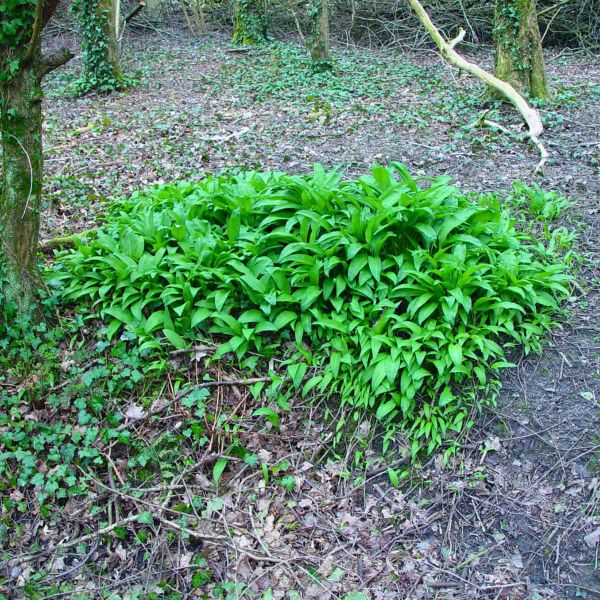
It looked like wild garlic
Over 80,000 accidental plant exposures in France, and the deadliest mistakes were mostly made by people who thought they knew what they were picking.

Plants & People
Over 80,000 accidental plant exposures in France, and the deadliest mistakes were mostly made by people who thought they knew what they were picking.
Plants & People
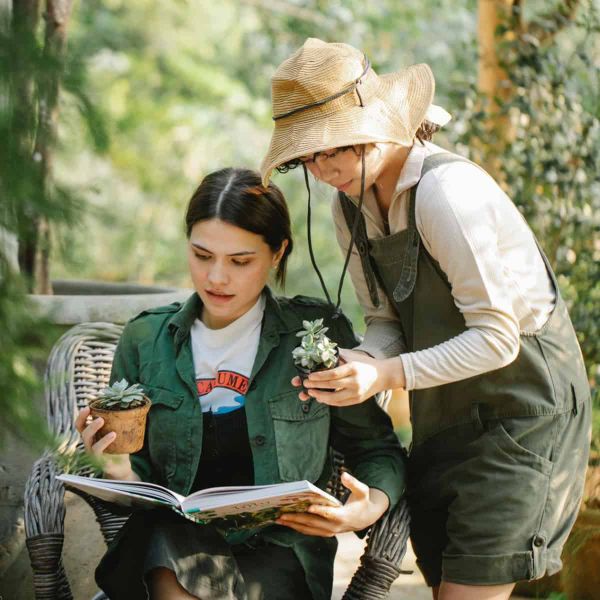
A survey of 421 plant biologists found the strongest recruiter for botany isn't argument. It’s contact.
Plants & People
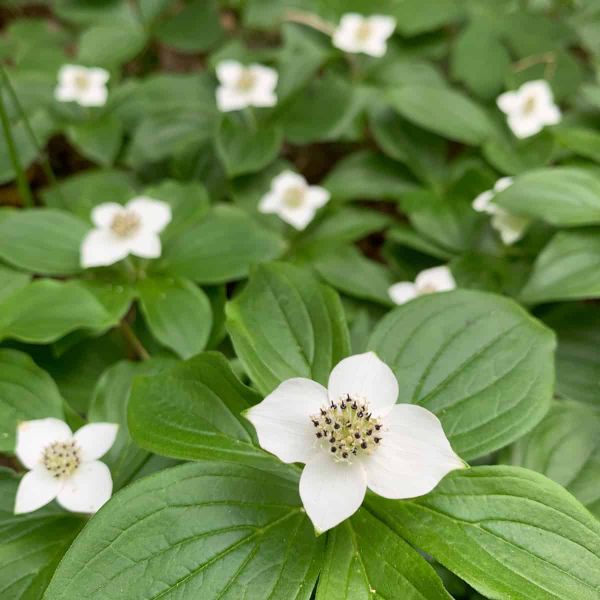
Apps are getting better and better at identifying plants, but are they ready for surveys in the field?
Digital Botany Focus Issue
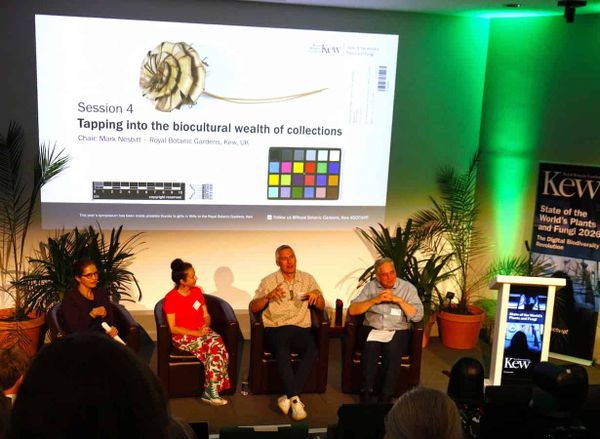
Digitising a collection is easy. Deciding who owns the knowledge inside it is the hard part.
Digital Botany Focus Issue
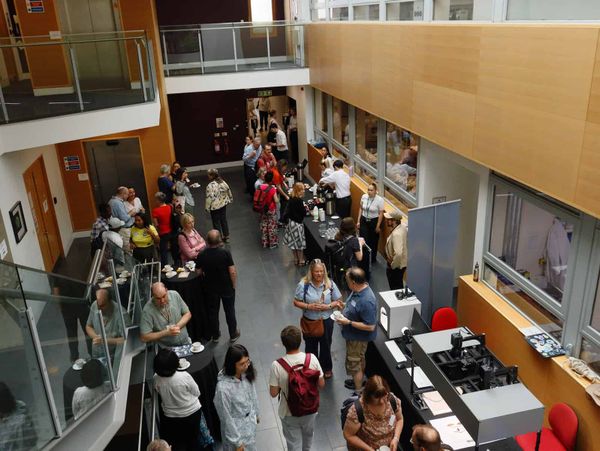
At Kew’s State of the World’s Plants and Fungi Symposium, digitisation promised new science, sharper conservation and faster AI. But the hardest questions were about people, power and who benefits.
Plants & People
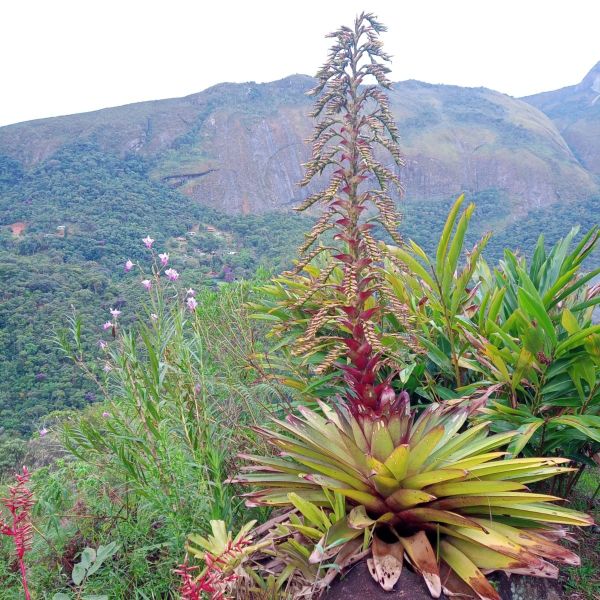
New research shows that economic value, not conservation urgency, is the strongest predictor of which Brazilian plants attract scientific study.
Plants & People
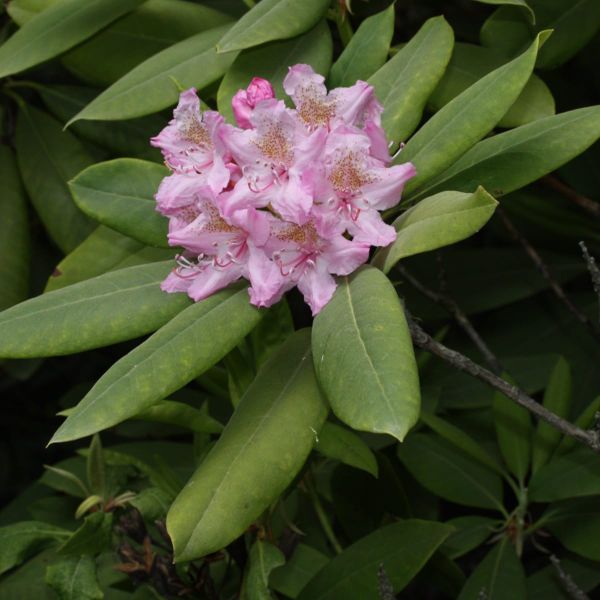
State flowers and insects are meant to represent a place, but climate change may soon test how long those living emblems can remain in place.
Plants & People
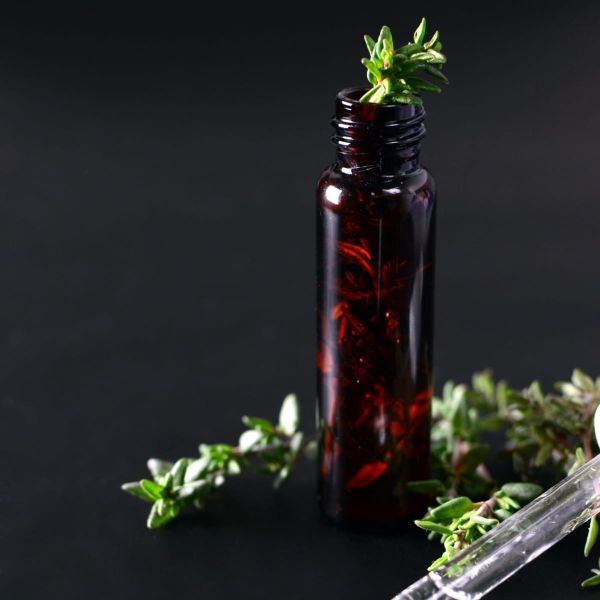
Could perfumes help save endangered plants? A new initiative combines fragrance technology, conservation funding, and ethical sourcing to protect some of the world’s rarest species.
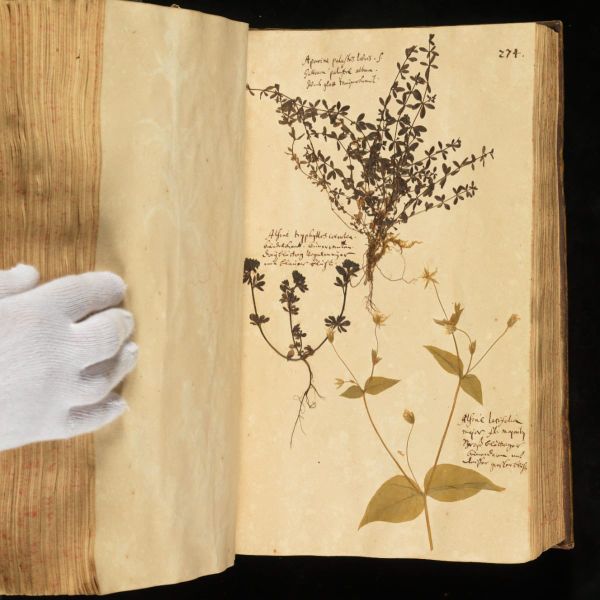
Digital Botany Focus Issue
Why digital botany matters now
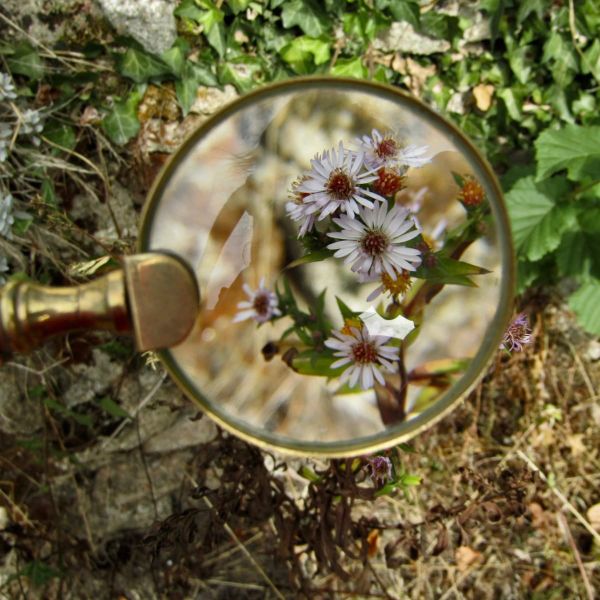
Plants & People
New research finds that people are no worse at naming common wild plants than they were two decades ago, but younger adults may be missing out on everyday plant knowledge.
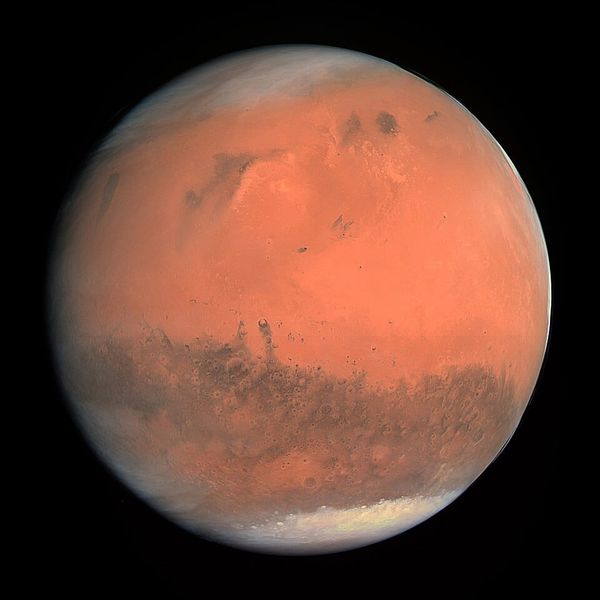
Plants & People
An orange vegetable for a red planet
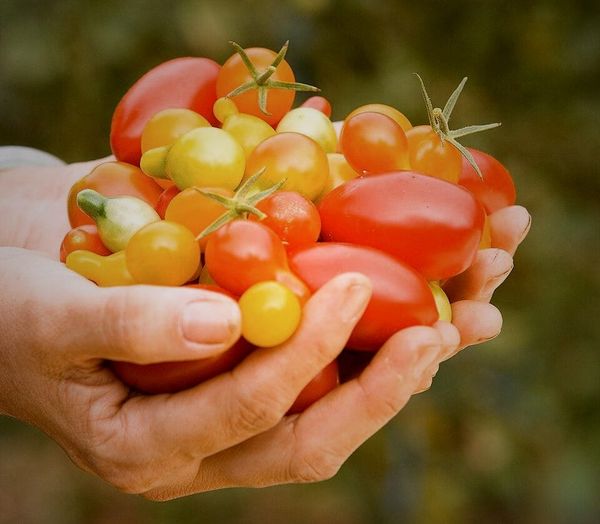
Plants & People
Archeobotany and historical records show how American plants travelled