
Two global crises are unfolding at once. Diets are becoming less healthy, and food systems are becoming less diverse. The United Nations Sustainable Development Goals were created to address both challenges, calling for better health and more responsible production and consumption. Yet reality is moving in the opposite direction. Sugar-sweetened beverages linked to chronic diseases continue to rise, while modern agriculture relies heavily on a narrow group of crops, leaving food supplies increasingly vulnerable to climate change, pests and disease.
Indigenous communities are increasingly recognised as vital partners in addressing these challenges. Their long-standing knowledge of local ecosystems and holistic views of wellbeing offer valuable insights for building healthier and more sustainable food systems. Australia provides a striking example. The country is home to more than 6,500 native food plants traditionally used by Indigenous peoples, yet only a few dozen have been approved for large-scale commercial sale. As a result, many nutrient-rich species that once formed part of local diets have been pushed aside by a globalised food system dominated by a handful of staple crops.
In response, researchers and businesses have begun exploring how native plants could be developed into widely marketed products that also benefit the communities who have used them for generations. International agreements such as the Convention on Biological Diversity and the Nagoya Protocol were designed to ensure this happens fairly, requiring that benefits from biological resources and Traditional Knowledge are shared with the communities who hold them. In practice, however, these legal frameworks can be difficult to navigate, and successful examples remain rare.
A new study published in Plants, People, Planet offers one possible way forward. Dr Jessica Cartwright and colleagues explored how to develop and commercialise a healthier beverage made from native plants used by Indigenous communities in Australia, while ensuring that those communities retain control and receive meaningful benefits.
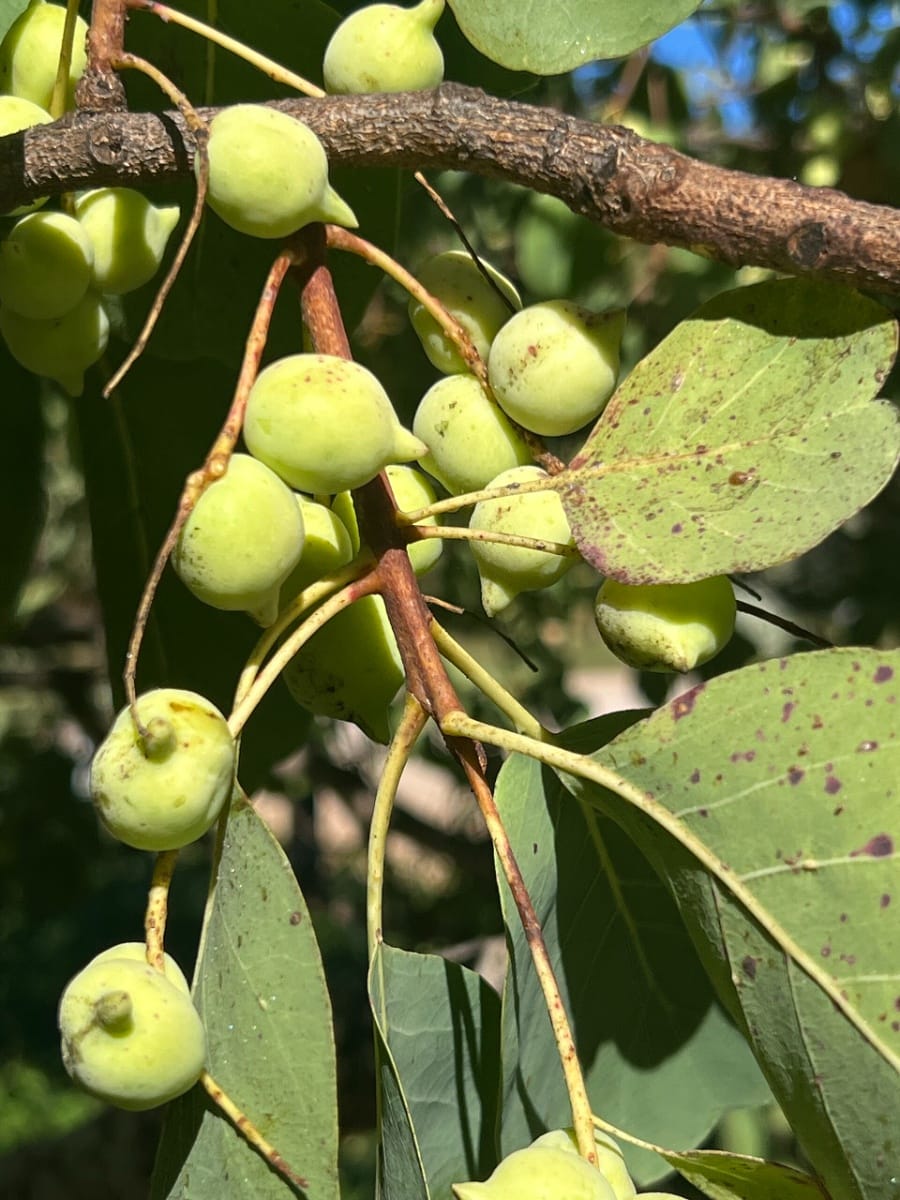
The researchers built their project around an existing partnership between the ARC Training Centre for Uniquely Australian Foods at the University of Queensland and a project funded by the Cooperative Research Centre for Developing Northern Australia (CRCNA), which aims to strengthen supply chains for Kakadu plum (Terminalia ferdinandiana). This small green fruit grows across the homelands of many Indigenous communities in northern Australia and is famous for containing extraordinarily high levels of vitamin C, along with antioxidant compounds and prebiotics that can support human health. The choice of Kakadu plum also carries symbolic weight. In the past, attempts to patent its use in cosmetics sparked accusations of biopiracy, highlighting how Indigenous knowledge has often been commercialised without consent.
Alongside these research and industry initiatives, the project also involved a key Indigenous-led organisation: the Bushtukka and Botanicals Indigenous Enterprise Cooperative (BBIEC). Created by members of the Indigenous Enterprise Group involved in the research, BBIEC is a 100 per cent Indigenous-owned cooperative that supports businesses working with native foods. While scientists helped develop the beverage prototype, BBIEC is intended to lead its commercialisation, ensuring that the economic opportunities created by products based on Kakadu plum flow back to the communities connected to the plant and its Country.
Developing the beverage itself was a collaborative process. Researchers worked closely with Indigenous partners to decide key elements of the recipe, including whether to use artificial sweeteners or table sugar, how much Kakadu plum to include, and whether the drink should be carbonated.

Once prototypes were ready, the team tested them with consumers. In a sensory trial, 142 participants sampled five fizzy drinks with different sugar levels, ranging from zero to amounts similar to commercial soft drinks. The aim was simple: find out how low the sugar could go before people stopped enjoying the drink.
The researchers also wanted to understand how Indigenous communities themselves viewed the idea of a bush-food-based soft drink. To explore this, they held a series of “yarning circles”, a culturally grounded form of conversation commonly used in Aboriginal research. In these structured discussions, Indigenous adults and young people shared their views on bush foods, health and nutrition.
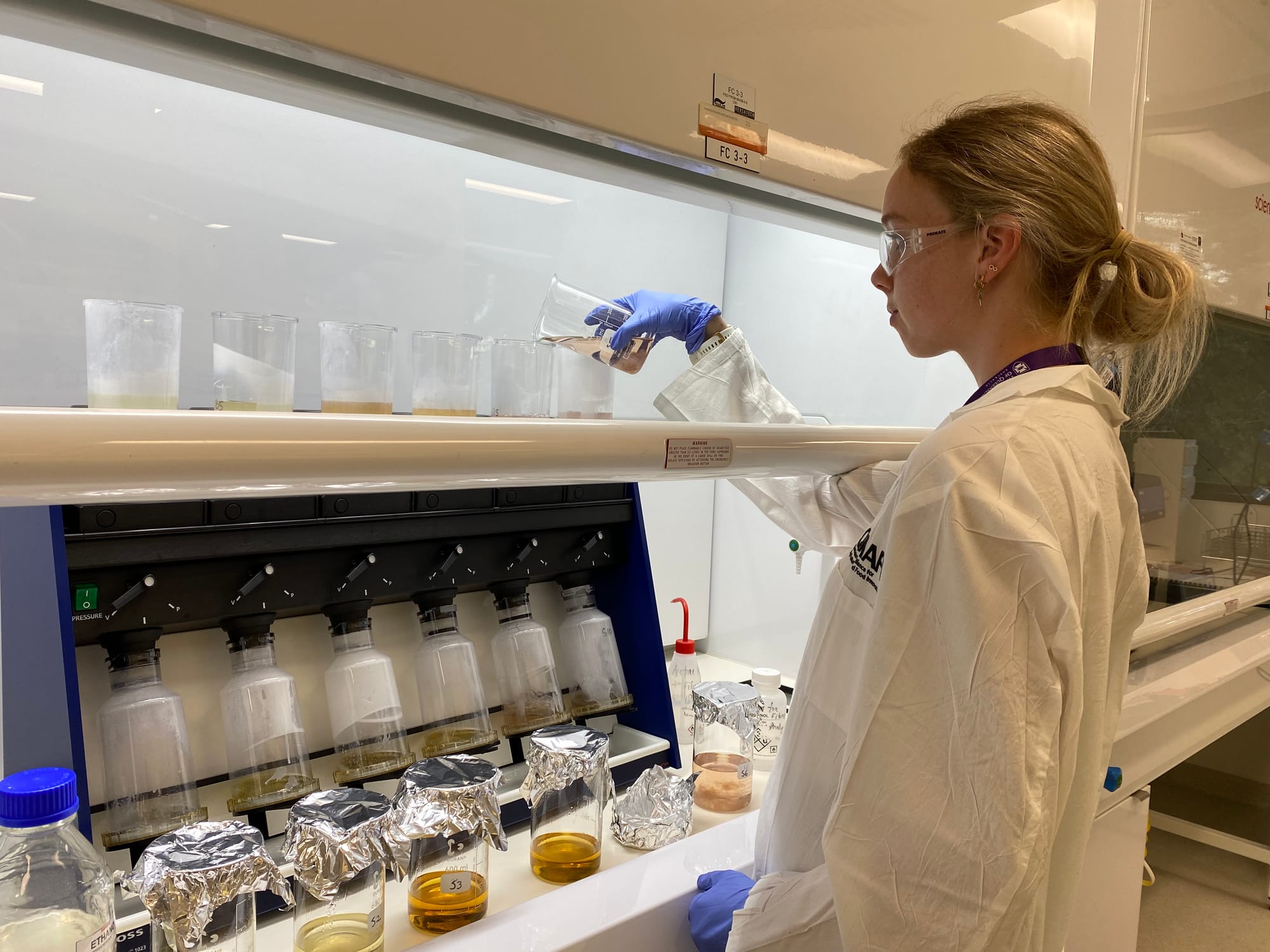
Participants responded positively to the drink’s taste, colour and natural ingredients. But the conversations revealed something deeper as well. Many saw the product not only as a healthier alternative to sugary drinks, but also as a way to reconnect everyday diets with traditional foods and cultural identity. Laboratory tests reinforced this potential. The prototype drink contained vitamin C and antioxidant levels comparable to orange juice while having 50 per cent less sugar than a typical soft drink. In other words, the beverage could offer a healthier alternative without sacrificing taste.
Perhaps most striking is what happened next. Instead of the university retaining control and offering royalties, intellectual property rights for the drink were transferred to the Indigenous-owned cooperative BBIEC. This gives communities genuine commercial control. The cooperative has even developed a blockchain-based app to trace ingredients back to Country, helping ensure transparency and fair returns.
From this case study, the researchers outline four key principles for ethical commercialisation: Indigenous governance of research, recognition of cultural as well as scientific value of plants, involvement of Indigenous partners at every stage, and Indigenous ownership of the final commercial product.
At its heart, the project was about more than creating a soft drink with less sugar. It offers a practical demonstration that Traditional Knowledge and modern science can work together to shape a new future for native food industries—one rooted in respect rather than extraction. Turning Indigenous knowledge into supermarket products is rarely straightforward, and there are still challenges to overcome. Yet if policymakers, researchers and health professionals take note, Indigenous food plants such as Kakadu plum could help build food systems that are healthier, fairer and more resilient for the future.
READ THE ARTICLE:
Cartwright J, Bosse J, Thomson M, Sultanbawa YF, Netzel ME, Wright ORL. 2026. From traditional knowledge to market: A pathway for ethical commercialisation of Indigenous food products. Plants, People, Planet. https://doi.org/10.1002/ppp3.70168
Cover picture: Kakadu plum beverage prototype. Photograph by Jessica Cartwright.
Spanish and Portuguese translation by Erika Alejandra Chaves-Diaz.