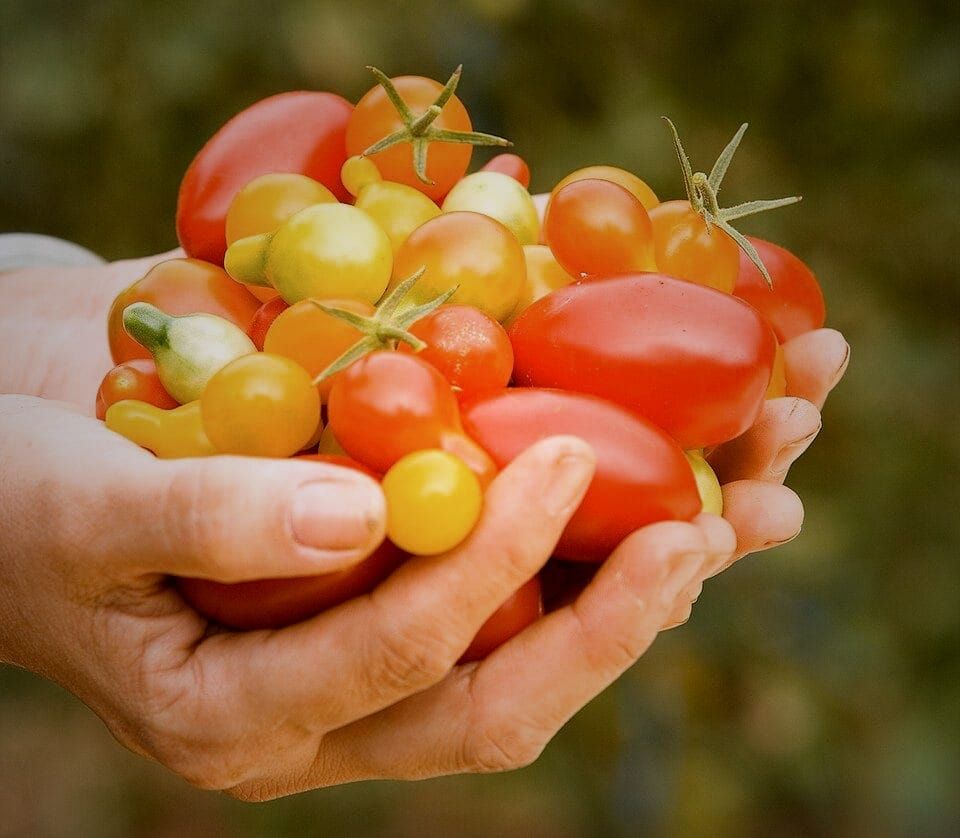

Pineapples, pumpkins, squash, sunflower, tobacco, maize, potatoes, tomatoes, vanilla and cacao – these are some of the world’s most recognizable crops – and they are all from the Americas. Introduced to Europe beginning in 1493, these crops had a direct impact on European society, culture and food, first as luxury goods for the royal and noble classes, and later on the general public's diet.
“Beginning in 1492, the Columbian Exchange became a complex, multidirectional process linking the New World, Africa, and Europe through expanding trade networks. These connections were crucial for the introduction and adoption of useful plants, which were later cultivated in Europe or simply imported as commodities,” write Irmišová and colleagues in their article on American useful plants published in the journal of Ethnobotany and Economic Botany.

To better understand how these plants were adopted into European society and culture, the researchers explored the records kept by monasteries, palaces and castles as well as archeobotanical evidence from excavations throughout Europe to trace the potential paths of these crop species and their uses. The largest number of remains was found in the Netherlands, but Czechia had the greatest variety.
In all, they found evidence of 24 American plant species from 11 plant families in 141 European archeological sites from the colonizing period of 1492 to the 20th century. The countries with American plants included Belgium, Czechia, Denmark, Finland, France, Germany, United Kingdom, Hungary, Italy, the Netherlands, Poland, Portugal, Slovakia and Sweden. Plants were identified mainly from seed and fruit found in wet contexts (e.g. latrines, moats) but monastic and funerary sites as well as a shipwreck yielded species.
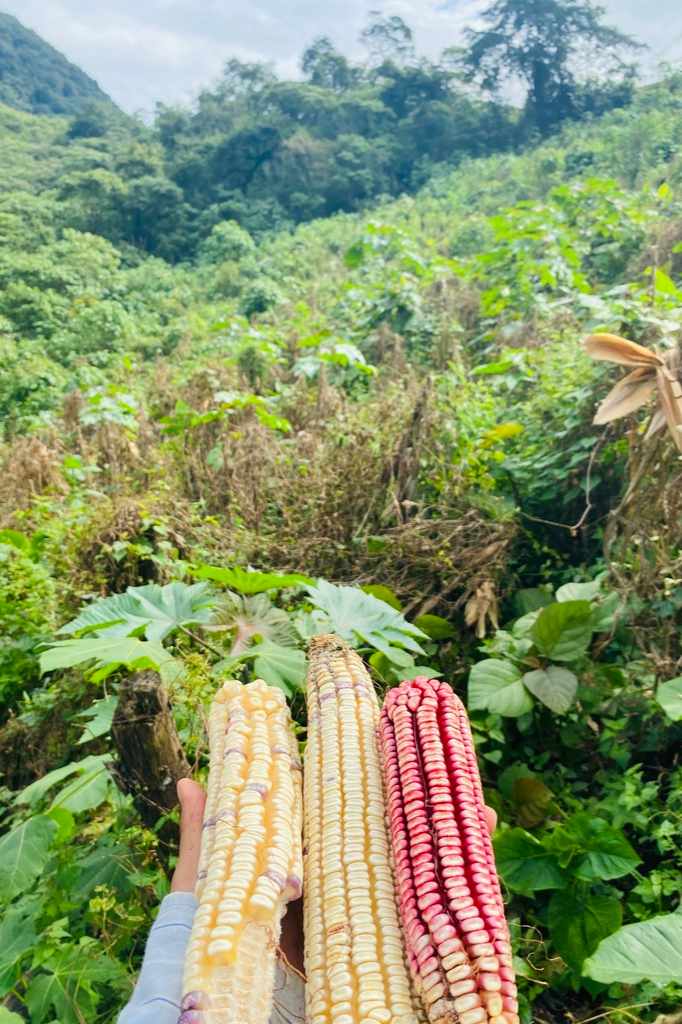
The historical evidence indicates that most of these plants were not initially adopted as food. Instead, they were grown for their ornamental or medicinal properties by the elite. And then, the rural populations broadly adopted maize and squash, chili peppers, and other foods into their diet. By the 17th century, potatoes were cultivated in Prague and maize became a staple food in Northern Italy in the form of polenta.
But what were the trade routes and how did these crops become so influential?
Irmišová and colleagues looked at archeobotanical evidence and historical sources to find out. Plants were identified to the species by their pollen grain morphology and a review of historical materials, such as botanical treaties and iconographic evidence from High Renaissance artworks.
"The earliest references to American plants are paintings of pumpkins and maize by Raphael and his workshop found in the Roman Villa Farnesina (1515–1518),” write Irmišová and colleagues, who catalogued plant species from historical sources.
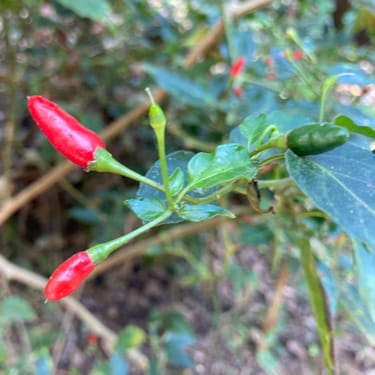
The most commonly found species was Cucurbita pepo, which includes winter squash, summer squashes and pumpkin, and is one of the oldest domesticated species not just in the Americas, but the world, with archeobotanical evidence dating to 8000-10000 years ago in southern Mexico. Capsicum annuum, which is a member of the Solanaceae (nightshade) family, which produces sweet peppers and hot chilis, was also common as well as Solanum lycopersicum (tomato) and Cucurbita species (gourds).
The researchers found that Spain played a central role in the initial introduction of American plant species to Europe between 1493 (the return of Columbus) and 1521 (Spanish conquest of México-Tenochtitlán), but the researchers found no archeobotanical evidence for these plants in Spain, only historical records.
From Spain, American plants likely moved to the “Habsburg Netherlands”, which had ties to Spain. There, archeological evidence for pumpkin is abundant. Evidence of chili peppers, tomatoes, potatoes, cocoa, peanuts and coffee were also found.
The Holy Roman Empire was also directly involved in American plant introductions. Maize was distributed to Italy by a gift from Columbus to the Pope, and the researchers found evidence of other American plants in Italian monasteries. Church elites then introduced these plants to Italian nobility.
Additionally, the Habsburg dynasty and the Holy Roman Empire together introduced American plants to Central Europe. Prague Castle in particular has a wealth of archeobotanical evidence that is also the most diverse assortment of American plant species in Europe. Peanut shells, vanilla pod, chili pepper and sunflower seeds were all found there.

As for France and the UK, they appear to have had their own colonialist trade routes linked to their early colonies, but some plants, notably tomatoes and Brazil nuts in France, were obtained as part of successful raids on Spanish vessels.
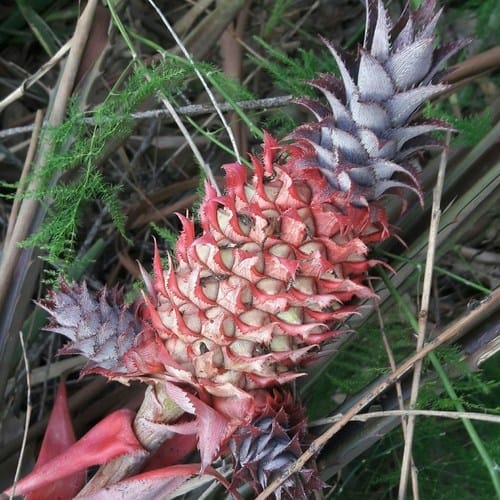
However, not every plant species present in Europe during that time is preserved in archeobotanical sites. Historical sources, particularly from Spain which kept careful records of new species as well as Italian herberiums, revealed the presence of pineapple, sweet potato, manioc, prickly pear and passionfruit.
“Archaeobotanical research is essential for addressing the introduction and pathways, as it provides primary evidence for the earliest records of the presence and use of plant species in Europe,” write Irmišová and colleagues. But historical documentation also provides critical complementary information and supporting evidence.
READ THE ARTICLE: Irmišová, J., Ballesteros, M., Garay-Vázquez, J., Moricca, C., Skružná, J., Majerovičová, T., Speleers, L., Preiss, S., Badura, M., Wiethold, J., Brinkkemper, O., Tereso, J., Rodrigues, M., Bumerl, J., and Beneš, J. (2026) American Useful Plants in Post-Medieval Europe: Integrating Archaeobotanical and Historical Evidence. Ethnobotany and Economic Botany. Available at: https://doi.org/10.1007/s12231-026-09672-6.
Cover image: Photo by Scott Bauer, USDA Natural Resources Conservation Service.



(NRCS_Photo_Gallery).jpg?ref=botany.one)