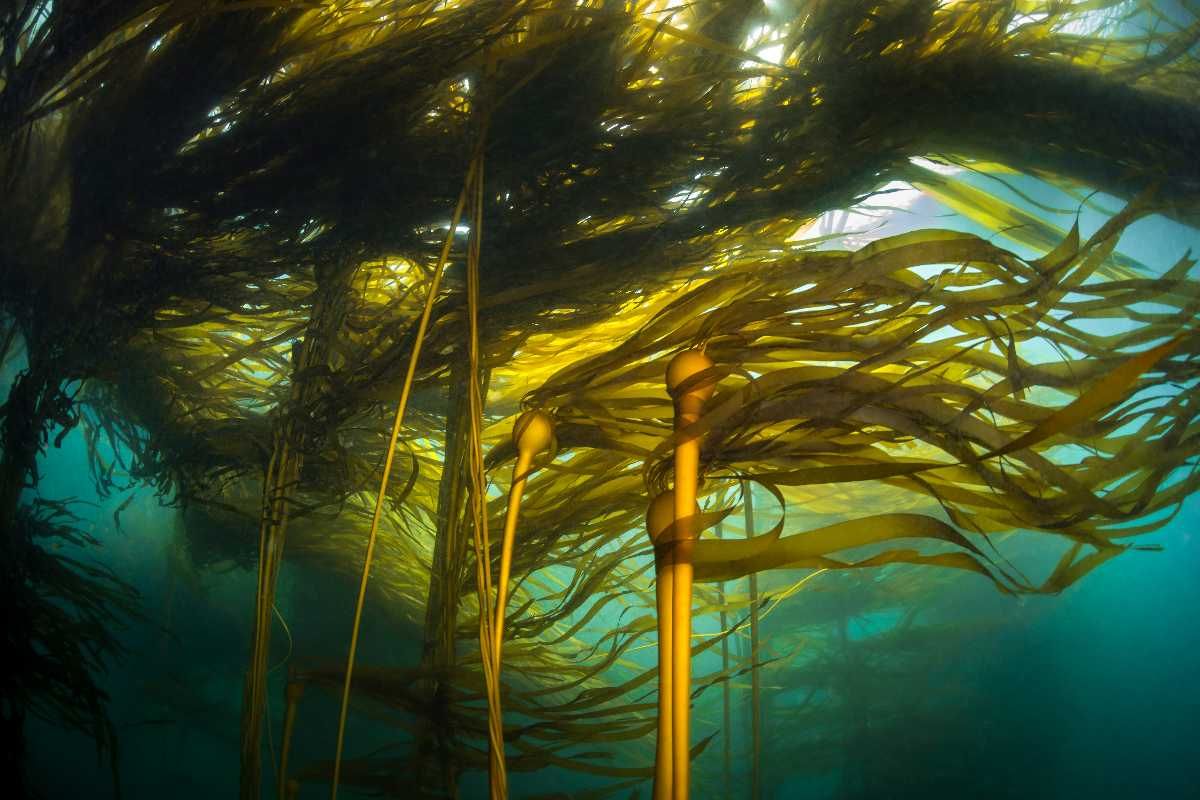

Take a journey to the mysterious depths of the deep blue seas – and explore the kelp forests of the northwestern United States. The Seattle Aquarium's Kelp Quest team is crowdsourcing volunteers to help map these forests in a seafloor survey. Their goal is to conserve, restore and sustain this highly productive underwater ecosystem.
“Kelp forests are critically important to the health of our coastlines, yet they are fragile and increasingly threatened, including by climate change," says Dr. Zachary Randell, senior research scientist at the Seattle Aquarium and leader of their Coastal Climate Resilience team. "Our ocean surveys help us better understand the conditions that support healthy kelp forests, so that conservation and restoration efforts can protect these crucial ecosystems for generations to come.”
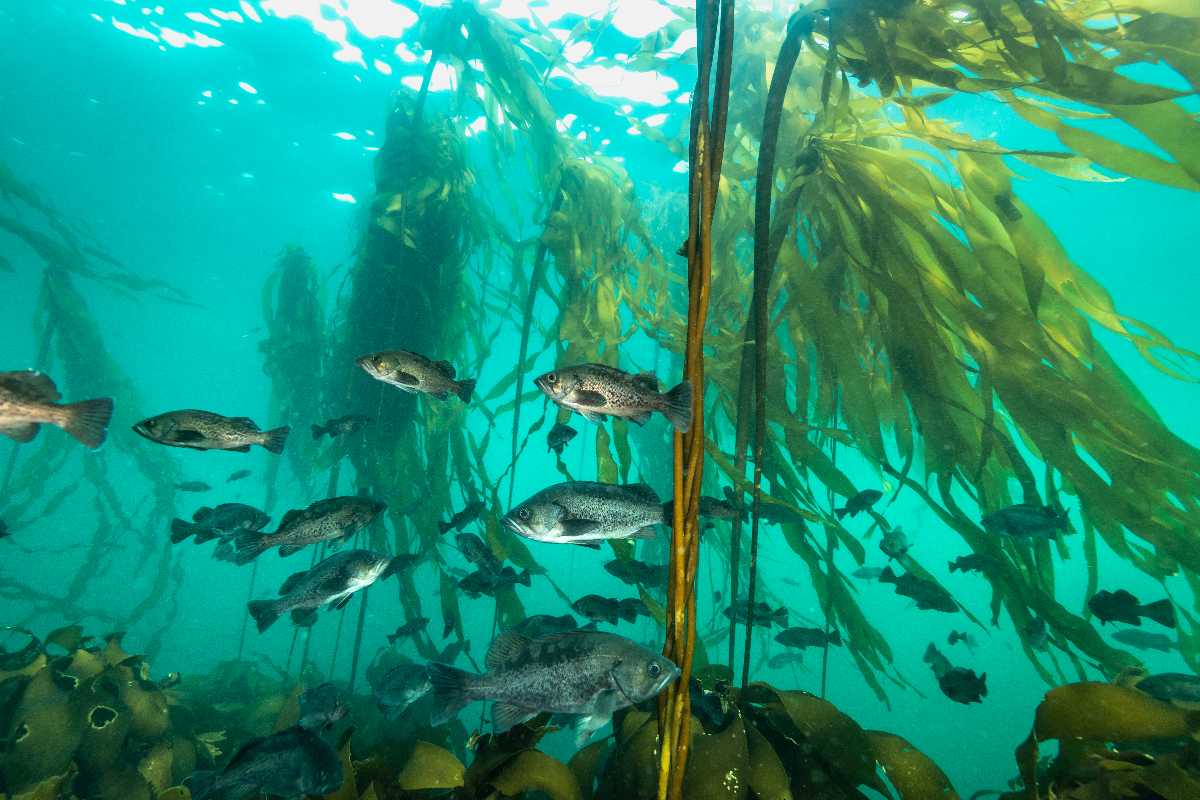
Kelp is a collective term for seaweeds that are large brown algae in the Laminariales order. Technically, they are not plants but macroalgae that perform photosynthesis. Kelp forests are important because they are critical to the health of ocean ecosystems. They provide food, shelter and nursery habitats for thousands of different species – from microscopic invertebrates to whales. They also protect shorelines from degradation.
To better understand kelp forests, scientists at the Seattle Aquarium are conducting what's known as a benthic survey – an underwater map of the seafloor. They are capturing thousands of images of kelp habitat using remotely operated underwater vehicles that can dive up to 100 metres (328 ft). The pictures include details such as rocks, sand and the seaweed itself. The scientists hope to use these images to better understand how the ocean environment influences whether kelp thrives or struggles.
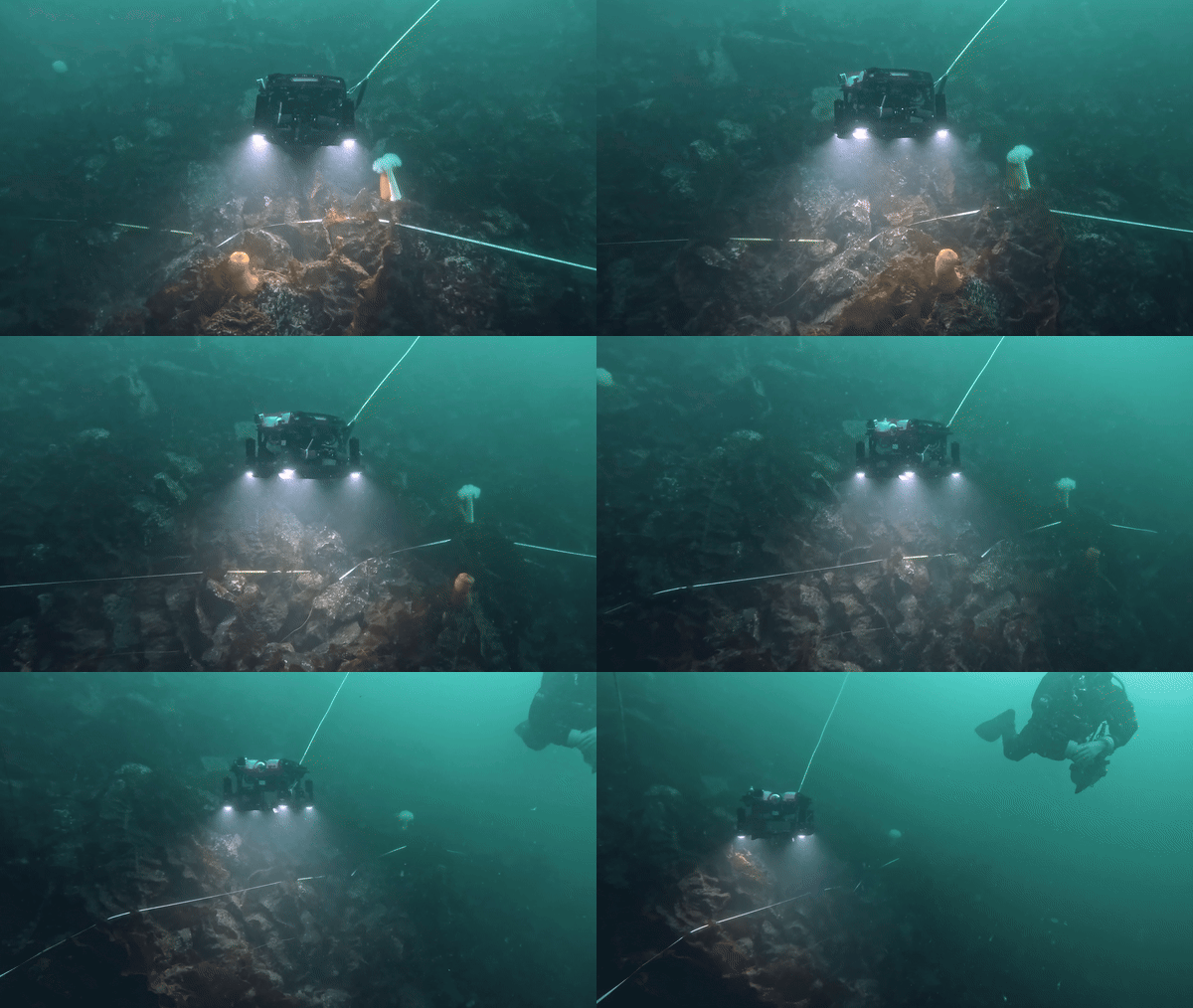
“Using downward-facing lights and cameras, we captured high-resolution photographs of the seafloor, one image every metre (3.28 feet), at an altitude (remotely operated vehicle height above the seafloor) of 0.8 metres (2.62 feet),” write the Kelp Quest team on Zooniverse.
To automate analysis, the scientists developed a machine learning model to help label the images by pattern matching. But the model is still learning and makes mistakes. And that’s why the Seattle Aquarium is now crowdsourcing volunteers to help with ‘Kelp Quest’. Human eyes are needed to confirm or refute the model's image labels.
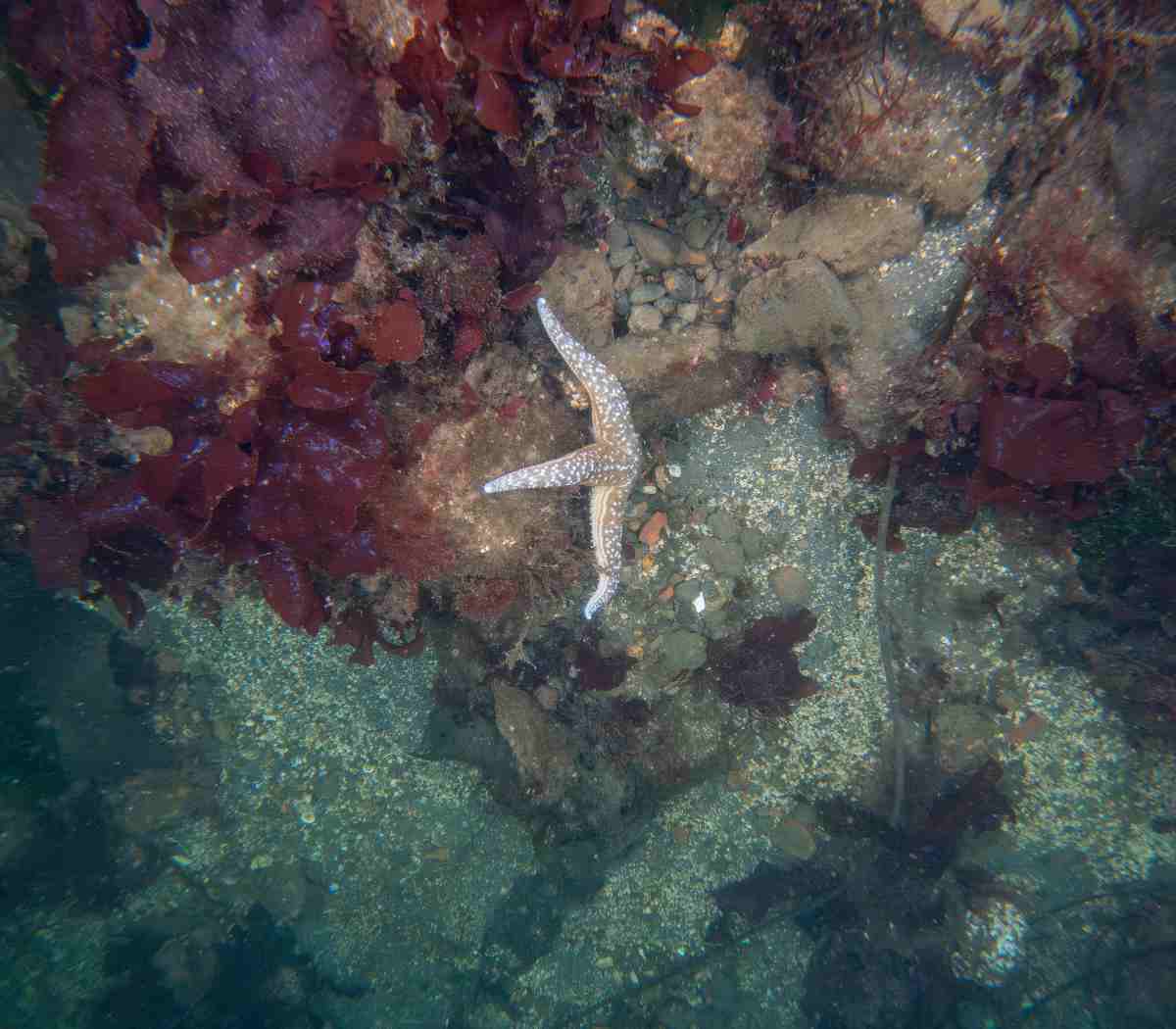
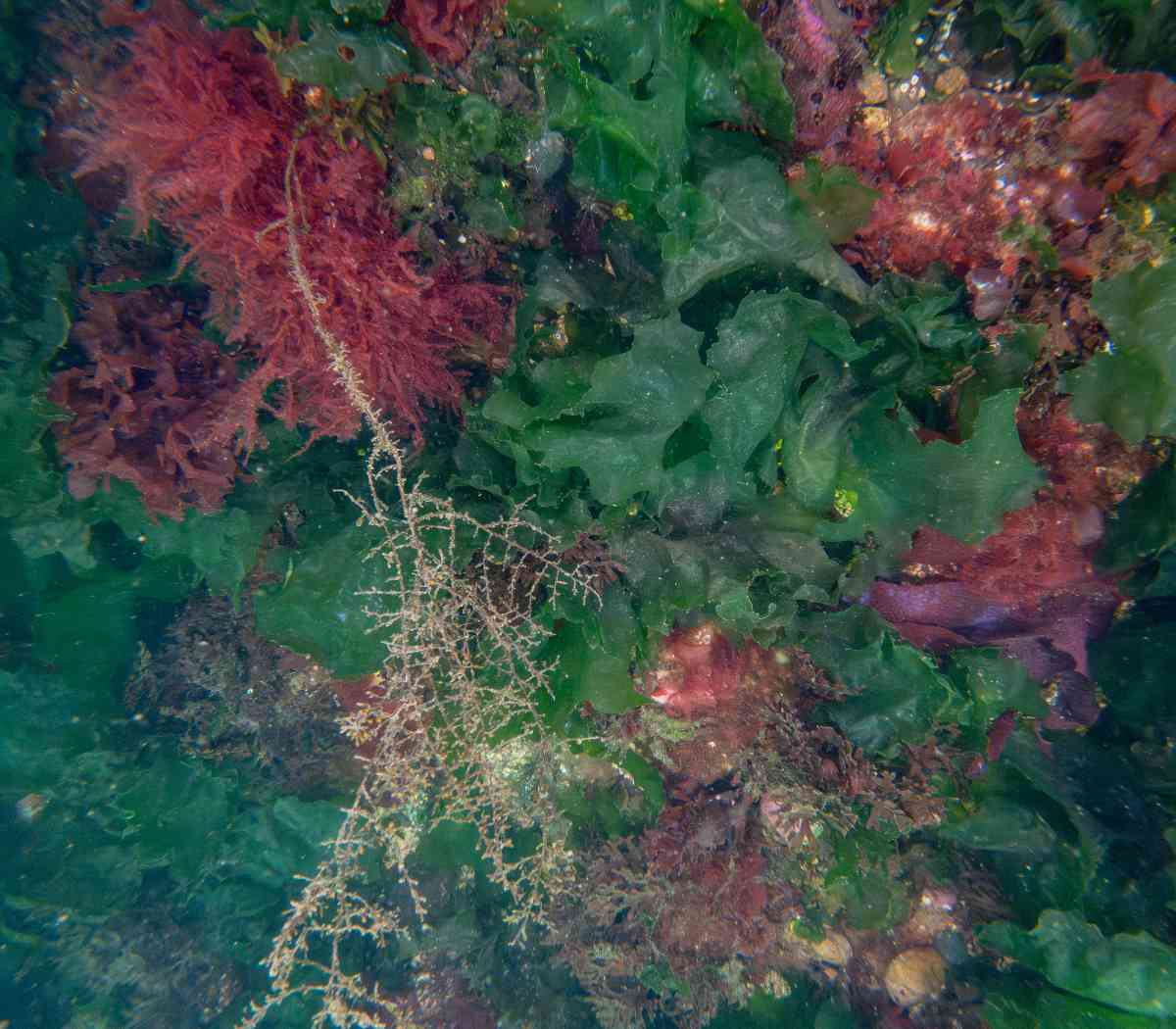
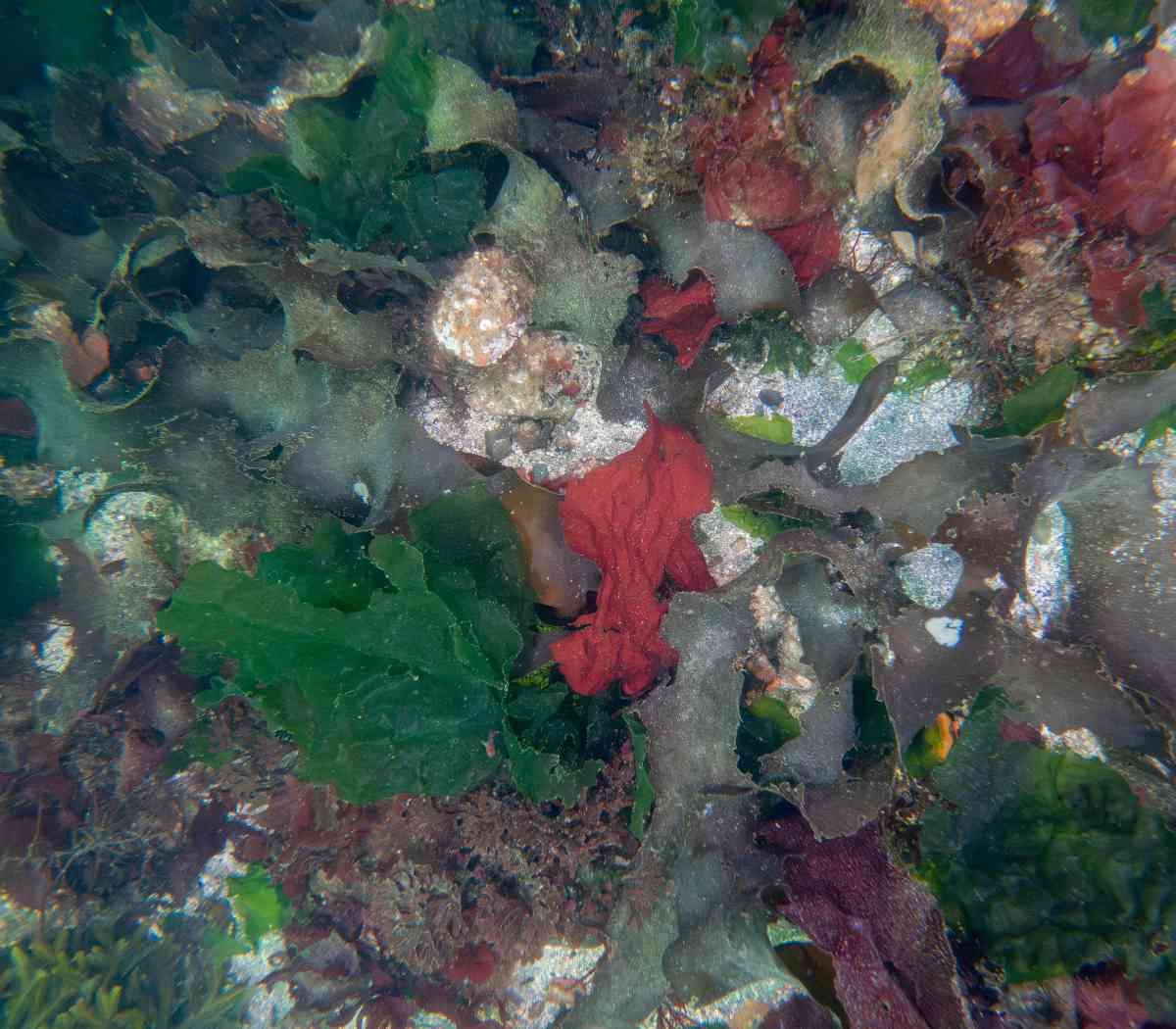
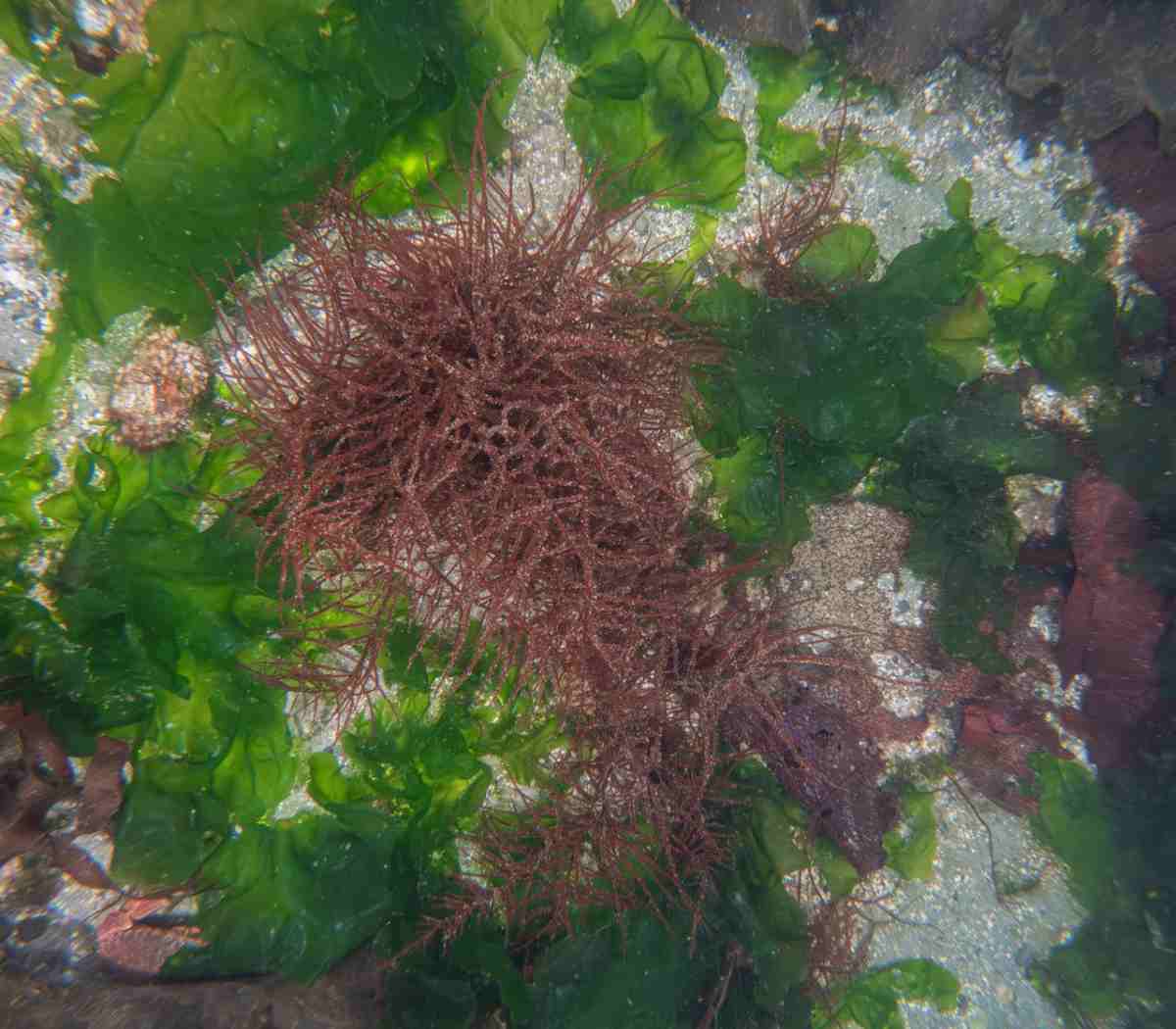
Example seafloor images taken by the remotely operated vehicle showing the diverse algae and invertebrates of Elliott Bay, Washington, USA. Courtesy of Seattle Aquarium.
“Unlike tropical coral reefs, kelp forests thrive in cold, nutrient-rich conditions. These nutrients fuel plankton growth, which makes the water green and full of particles. Underwater visibility is often less than 4 metres (13 feet), making both remotely operating vehicle piloting and image interpretation challenging,” write the Kelp Quest team.
By reviewing the images, volunteers will help the scientists identify kelp and other algae as well as fish, mobile and sessile invertebrates, and the ocean floor’s physical substrate (e.g. pebble, sand, wood). A useful Field Guide describes each category and advice for tricky situations.
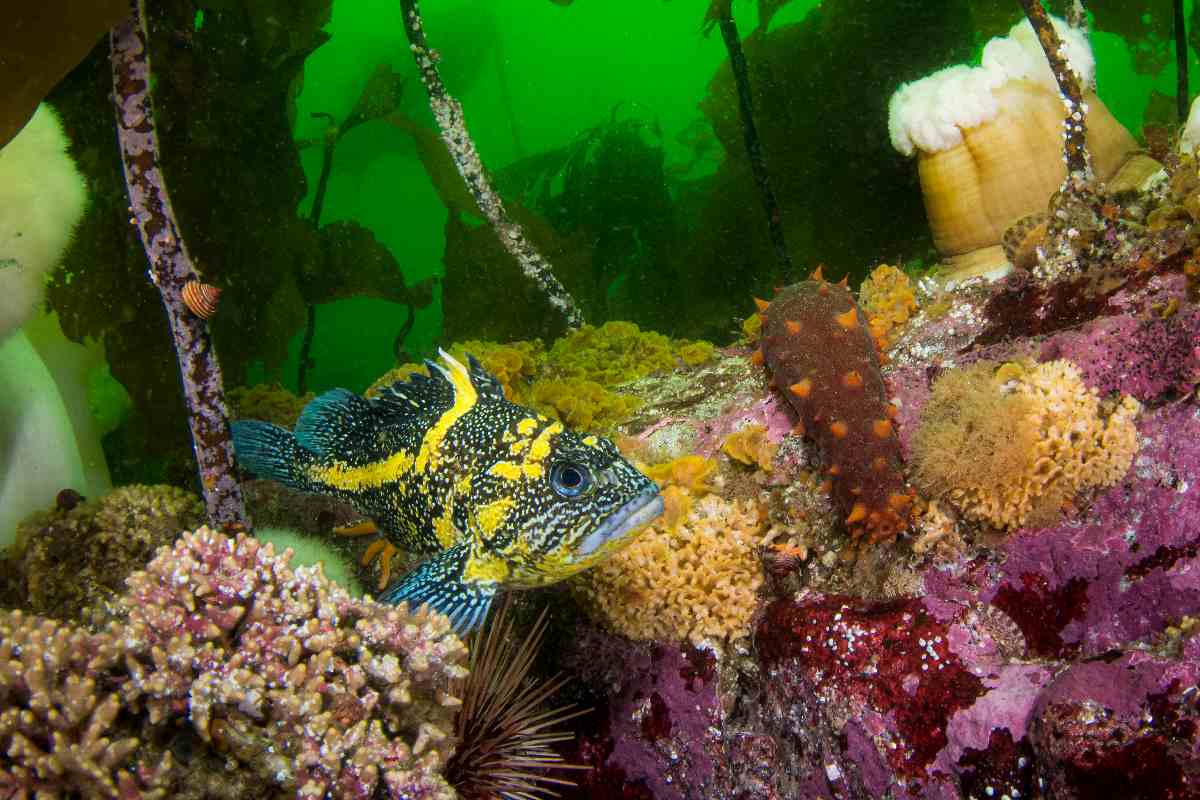
“Categorizing images won’t always be easy—and that’s part of why your work is so valuable!” say the Kelp Quest team. “Weather conditions, current, visibility underwater and tides are just a few of the environmental challenges we face when out on (and below!) the water.”
For example, the human eye is still better at resolving issues due to uneven illumination, edge distortion, algal decomposition and similarity between macroalgal species than the machine learning tool.
The data generated from this seafloor survey will have a real impact on ecological monitoring, conservation and restoration in Elliott Bay (offshore Seattle) and two sites in the San Juan Islands (an archipelago off northwest Washington State), where the images were taken. Additionally, these advances in tools and understanding will have a global impact because all data will be shared as part of the team’s open source, open access research model.
“Most importantly, your work helps turn underwater images into knowledge and knowledge into action for kelp forest conservation,” say the Kelp Quest team.
They hope you join their underwater exploration.
READ MORE: Kelp Quest (Seattle Aquarium)
READ MORE ABOUT MACROALGAE: Hanley, M., Firth, L., and Foggo, A. (2023) Victim of changes? Marine macroalgae in a changing world. Annals of Botany, 133(1), pp. 1-16. Available at: https://doi.org/10.1093/aob/mcad185.
Cover image: Bull kelp (Nereocystis luetkeana) as part of a kelp forest. Photo credit: Eiko Jones.