
During unprecedented times of plant extinctions, AI-generated weblogs, and not always knowing what to believe online, Botany One is embarking on a mission with our first Special Focus Issue on Digital Botany.
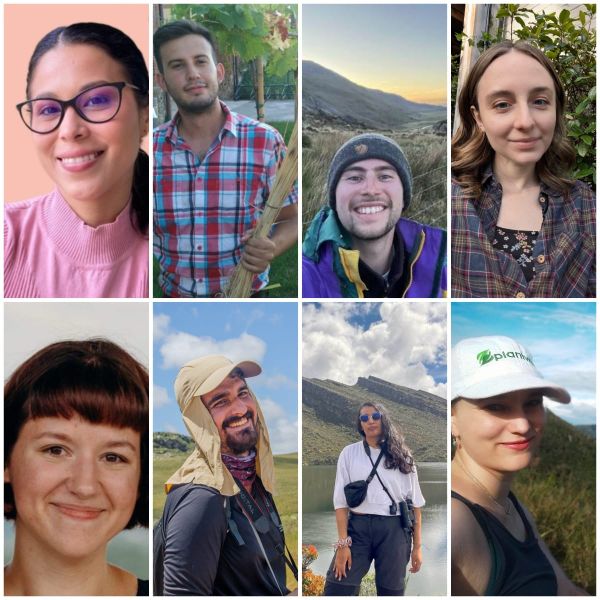
We will be publishing three articles per week, focusing on Digital Botany throughout June. We worked together with the community to commission 12 articles from 8 writers, supported by one Guest Editor (myself), two editors and one producer. Our team reached out to around 30 people, including through conversations, emails and online surveys, to hear from scientists, conservationists, data managers, digitisation experts, artists and people working with collections.
In an age increasingly crowded with generic AI-generated weblogs, we wanted to do something more grounded: talk to real people, follow real work, and tell stories with context, care and curiosity. Behind every database, scanned specimen, cleaned record, model output or map, there are people making decisions, solving problems and trying to make knowledge more useful.
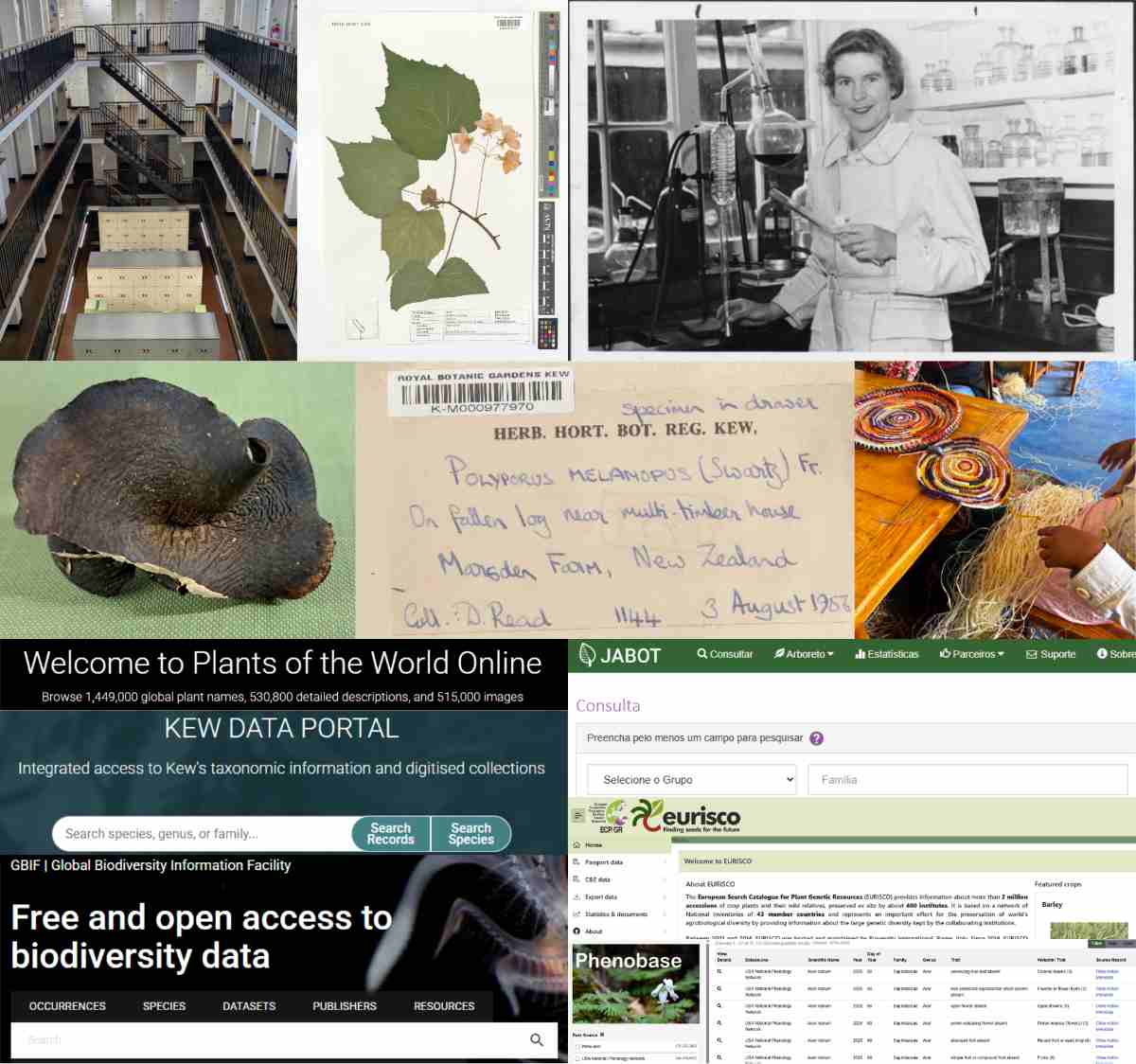
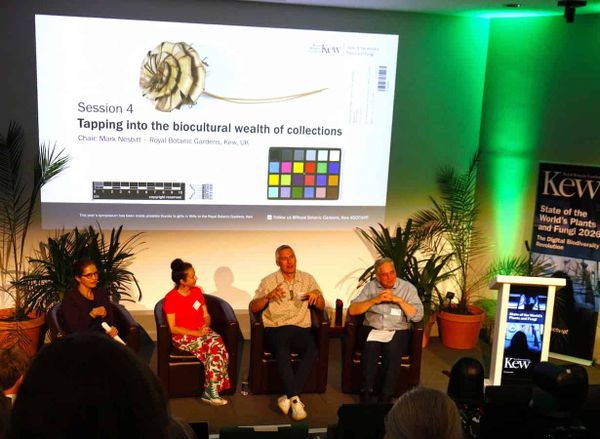
Our effort all leads up to Kew’s State of the World’s Plants and Fungi Symposium, which kicks off on 29 June at Kew and online. The conference brings an amazing community together to crunch the numbers and refocus global efforts to save, conserve and support plants and fungi around the world. The 2026 symposium focuses on what Kew calls the Digital Biodiversity Revolution: the huge effort to digitise collections, unlock data, and use those resources to address scientific, environmental and societal questions. Our issue also ties in with the New Phytologist Editor-in-Chief Symposium, Collections through time: legacy and innovation, which will be held on Friday, 3 July 2026, at the University of Tartu, Estonia.
The State of the World’s Plants and Fungi is one of Kew’s major global science initiatives. It assesses what we know about the diversity of plants and fungi on Earth, the threats they face, and the policies and actions needed to safeguard them. Previous reports have brought together hundreds of scientists across many countries, showing just how much collaboration is needed to understand, protect and use biodiversity responsibly. Botany One has followed the State of the World’s Plants and Fungi over the years (even back in 2017, 2018, 2020), covering both the alarming evidence on plant extinctions and the hopeful stories of how plants and fungi can help address global challenges.
Our issue also coincides with Kew’s Digitising Kew’s Collections project, which has been an incredible effort to digitise millions of specimens collected around the world over centuries. This takes us to the importance of collections. I have had the opportunity to spend a lot of time in herbaria at Kew and around the world, where opening each cabinet, folder, or box can feel like opening another treasure chest of stories.
Whilst collections are tied in with colonialism, elitism and privilege, we also have to reflect on them carefully. We have to make sure we acknowledge where all this knowledge comes from, protect sensitive information, enable restitution and repatriation, and make sure we don’t repeat the past, and build an inclusive botanist community in the future. Scientific collections around the world reveal plants and fungi, but also very important human connections to our world and to each other. A specimen is not just a pressed plant or a packet in a cabinet. It can hold information about where something grew, who collected it, what name it was given, what language was used to describe it, what people knew about it locally, how it moved through institutions, and how its meaning has changed over time. Digitisation opens up these amazing collections to more people around the world, which needs to be celebrated. However, digitisation itself is also a form of craft: building workflows, checking names, managing images, handling uncertainty, and making sure that collections and their data are used correctly and responsibly.
To tell these stories, we will be covering four phases of digital collections: their origin, the building of these treasure chests, the hidden stories they hold, and then scaling things up – how we apply the knowledge we gain from them.
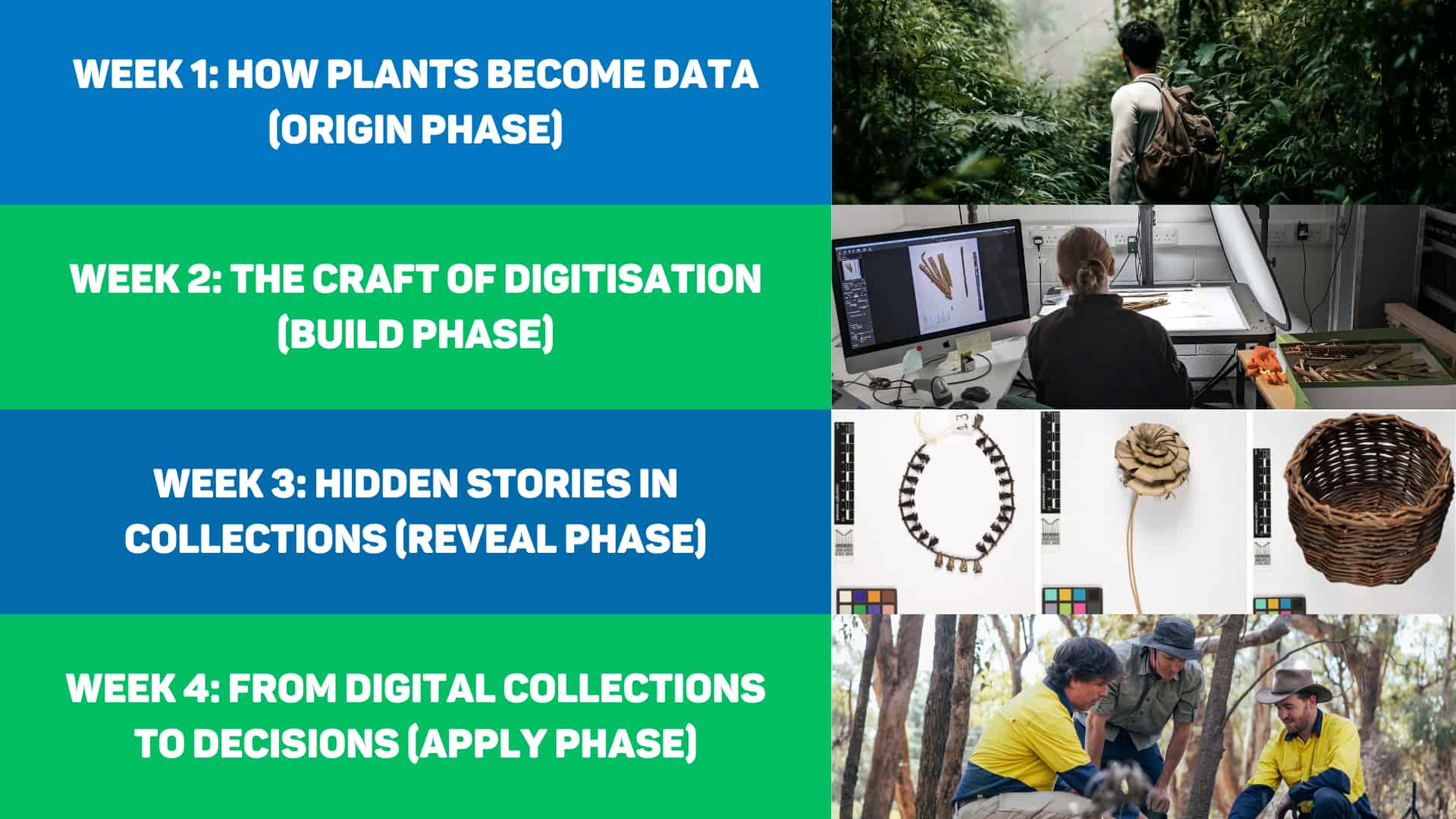
We begin with how plants become data in the first place – how a specimen, field note, image, observation or local record enters the scientific world. We then move into the craft of digitisation itself: the careful, practical work of imaging, transcribing, databasing, checking names, building workflows and making collections accessible and reliable. We will hear from people thinking carefully about the tricky steps between field collection, accessioning, labels, taxonomy, metadata and the digital records that future researchers and decision-makers will rely on. We will look at the tricks, tools, software and equipment that make digitisation work – and the small decisions that can shape whether a digital collection becomes genuinely useful or simply another messy online archive. Our articles will feature a myriad of global, regional, national and institute-specific databases and acknowledge the tremendous value of iNaturalist observations (please keep using it, everyone!). We will also explore bigger digital tools, including Wikidata, AI and accelerated taxonomy, asking how new approaches can help botanists connect scattered information without losing the expertise and judgement that make the data meaningful.
From there, we open the cabinets a little further to explore the hidden stories that collections can reveal, from ethnobotany and fungi collections to women’s roles in mycology and botany and the human histories held within specimens. Once collections become digital, they can be searched, compared, mapped and connected in ways that were previously impossible. Our special issue will feature lots of inspirational interviews, just how eye-opening herbaria data can be for tracking and predicting plant evolution and distributions. These are not just old records becoming modern data. They are stories becoming visible again.
Finally, we scale things up and ask how digital collections can support on-the-ground decisions. Data are everywhere, scattered across the web, but using them well still depends on context, judgment, and understanding the practical realities behind conservation priorities. From global plant phenology datasets (built by using machine learning to process 70 million specimen images), to the in-development Plants for Health database, and the identification of Evolutionarily Distinct and Globally Endangered (EDGE) species, we will explore how digital botany can help turn scattered records into conservation priorities – including endangered plant conservation in Mexico.
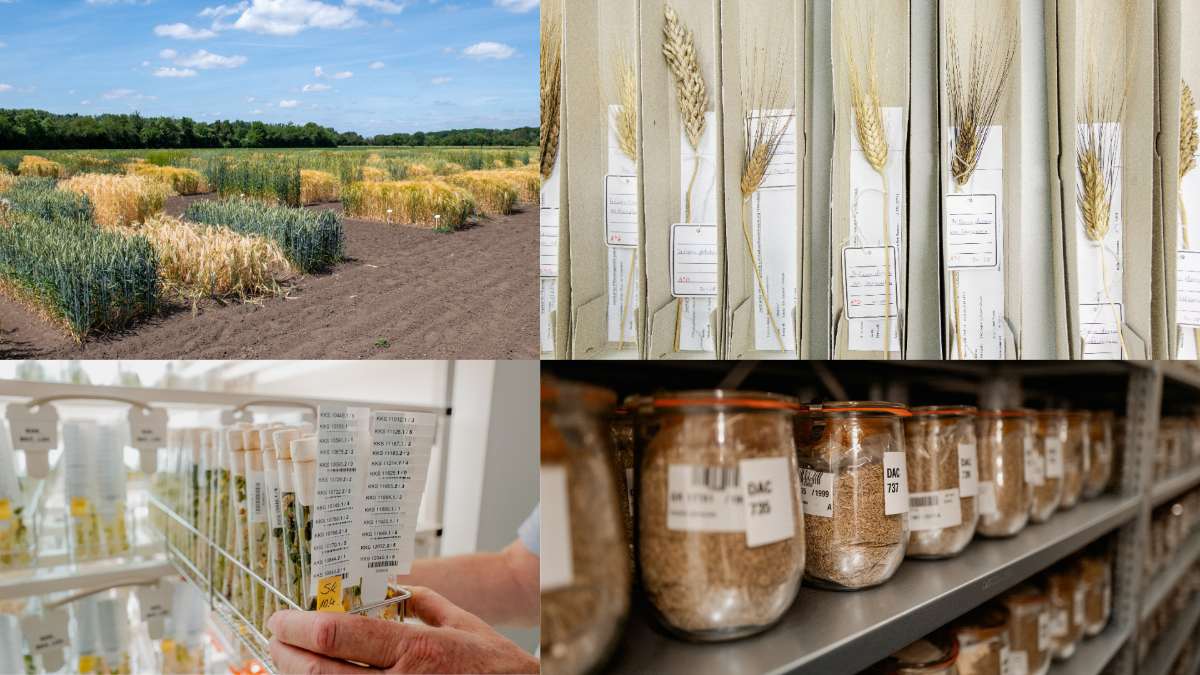
And let’s not forget – we are not just talking about herbaria. You will hear about genebanks, which hold treasure chests of crops and their wild relatives. These collections matter for food security, crop resilience and the future of agriculture. We will also venture into the role of fungi collections, which are still too often overlooked despite fungi being central to ecosystems, food, disease, medicine and climate resilience. You will also read about how digital collections have inspired artists who interpret these stories for the general public. Digital botany is not only about databases and algorithms. It is also about imagination.
This issue also celebrates the people behind collections. Not only the scientists and curators, but the volunteers, technicians, students, community contributors, citizen scientists, photographers, data cleaners, software builders and people mounting specimens, transcribing labels and adding observations through platforms such as iNaturalist. These contributions can be quiet and sometimes invisible, but they are part of how the world’s biodiversity knowledge is built.
Whilst there is a lot to do, luckily, there are also a lot of amazing people around the world quietly saving, digitising, connecting and changing the world. They are caring for specimens, preserving seeds, cleaning data, building workflows, writing code, making maps, asking difficult questions, interviewing communities, training others, and turning scattered knowledge into something useful.
We must do this efficiently, smartly and together. Digital botany is not about replacing the wonder of plants and fungi with data. At its best, it helps us share that wonder more widely, connect knowledge more fairly, and make better decisions for this beautiful planet of ours.
So “dear, gentle reader”, I hope you enjoy this amazing Botany One team effort in the upcoming month, and please share our work far and wide.
READ MORE:
Dinnage R, Grady E, Neal N, et al.. 2025. PhenoVision: A framework for automating and delivering research‐ready plant phenology data from field images. Methods in Ecology and Evolution 16: 1763-1780. https://doi.org/10.1111/2041-210x.70081
Fonseca‐Kruel VS, Coimbra CEA, Estevão da Silva LA, et al.. 2025. Connecting tradition and technology: The digitization of the ethnobotanical collection at the Rio de Janeiro Botanical Garden. Plants, People, Planet. https://doi.org/10.1002/ppp3.70105
Forest F, Brown R, Buerki S, et al.. 2026. High risk of extinction across the flowering plant tree of life. Science 392: 655-659. https://doi.org/10.1126/science.adz0773
Kreuzer C, Ridley GS, Smith NEC. 2026. Digitisation as archival intermediary: Quantifying and qualifying Greta B. Stevenson's mycological collector networks. Plants, People, Planet. https://doi.org/10.1002/ppp3.70173
Mabry ME, Caomhanach N, Abrahams RS, et al.. 2024. Building an inclusive botany: The “radicle” dream. Plants, People, Planet. 6: 544-557. https://doi.org/10.1002/ppp3.10478
Park DS, Feng X, Akiyama S, et al.. 2023. The colonial legacy of herbaria. Nature Human Behaviour 7: 1059-1068. https://doi.org/10.1038/s41562-023-01616-7
von Mering S, Leachman S, Santos J, Meudt HM. 2025. Wikidata for botanists: benefits of collaborating and sharing Linked Open Data. Annals of Botany 136: 491-511. https://doi.org/10.1093/aob/mcaf062
White ME, Harris SA. 2026. Looking backward to move forward: Enhancing metadata in scientific collections through interdisciplinary collaboration. Plants, People, Planet. https://doi.org/10.1002/ppp3.70200
Guest Writer Profile
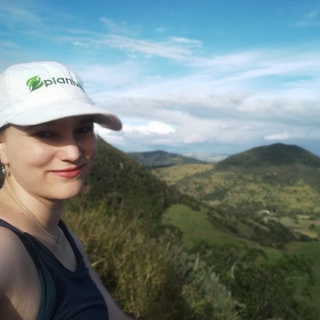
Juniper Kiss is a globe-trotting plant scientist and data-lover, Botany One Guest Editor and former writer, loves pretty plots, digi solutions, working with landowners, brambles and bananas.
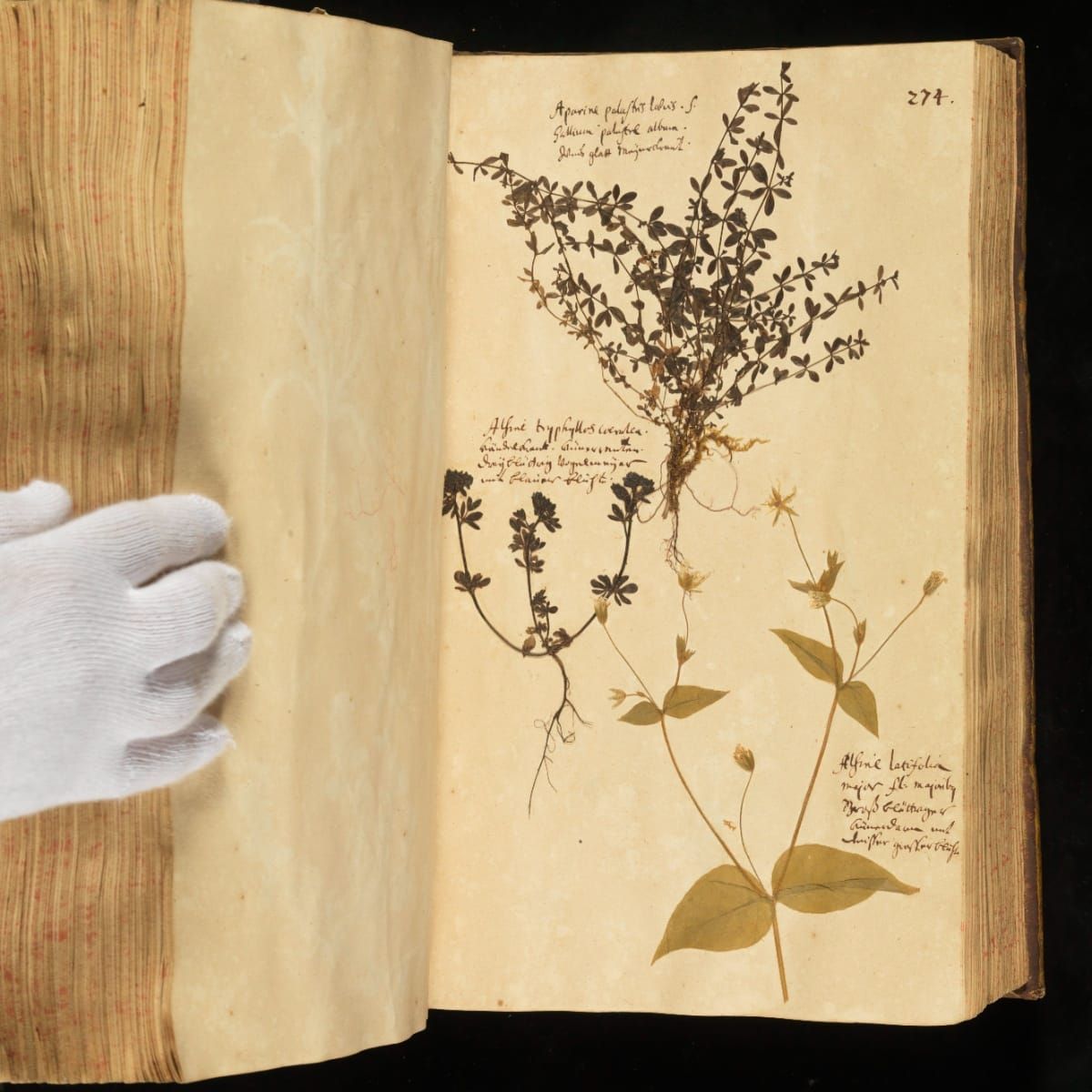
Cover picture by Georg Andreas Helwing (Wikimedia Commons, Public Domain).
_1941.jpg?ref=botany.one)
.jpg?ref=botany.one#/media/File:Herbarium_vivum_plantarum_sponte_in_Prussia_nascentium._T._1_(7989372).jpg)