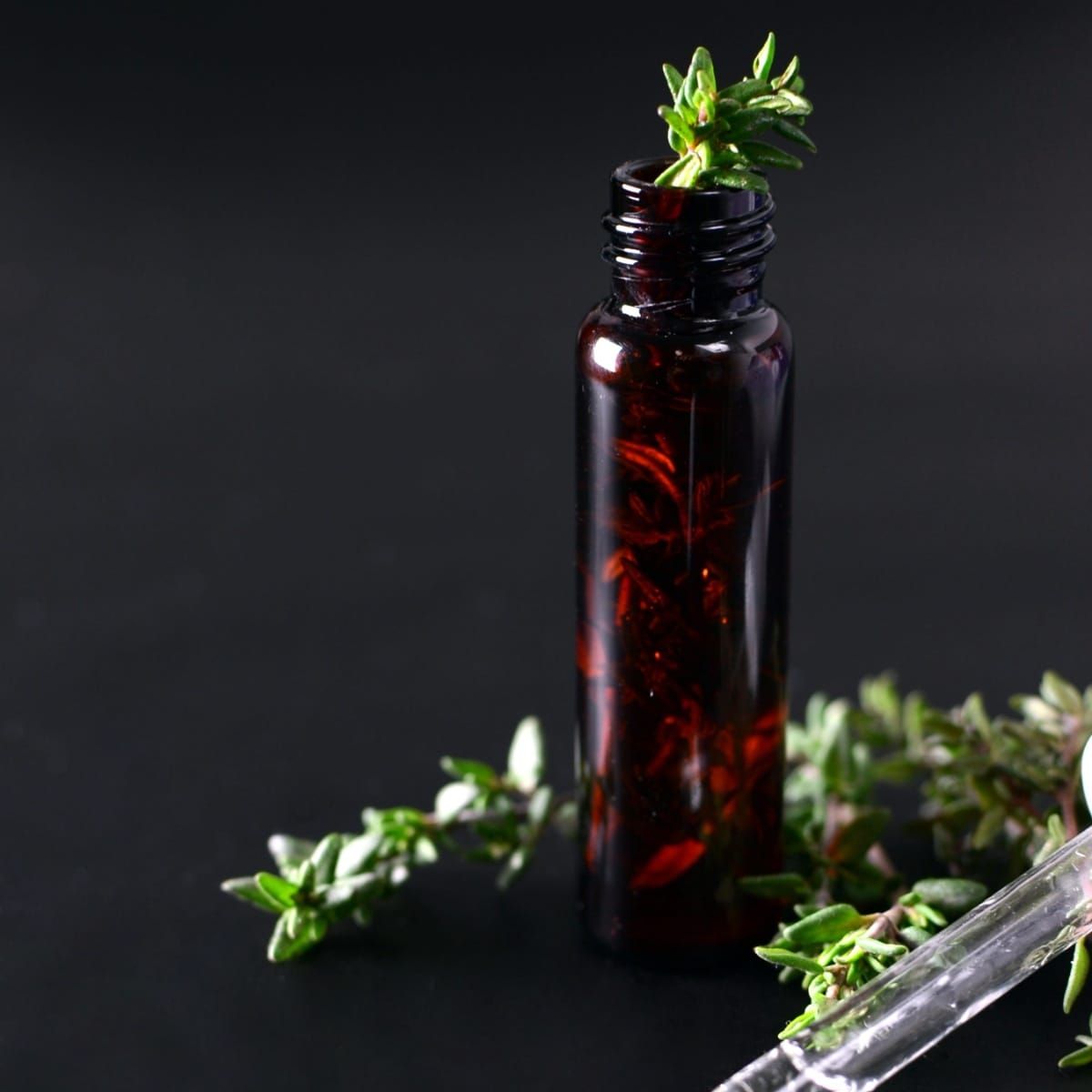

Imagine entering the oldest and most beautiful library in the world. There are no paper books, but the shelves are filled with glass jars holding natural memories. Each one contains the aroma of a landscape: the Brazilian rainforest after the rain or a magnolia hidden among the clouds of Ecuador.
However, there is a silent tragedy: this library is vanishing as nearly 45% of all flowering plants in the world are at risk of extinction. Worse still, three out of four plant species that we have not yet scientifically described are already threatened. We are losing the pages of our natural history before we can even read them. Even if we cannot see the causes, the shelves are emptying.
The fragrance industry is a giant that moves billions, expected to reach a value of 101.47 billion dollars by 2034. This industry depends heavily on biodiversity, using around 2,000 plant species and more than 3,000 aromatic molecules derived from them.
However, historically, this relationship has been complicated. At times, the pursuit of a scent has led to overexploitation or to what we call "biopiracy," where the knowledge and resources of local communities are taken without giving anything in return.
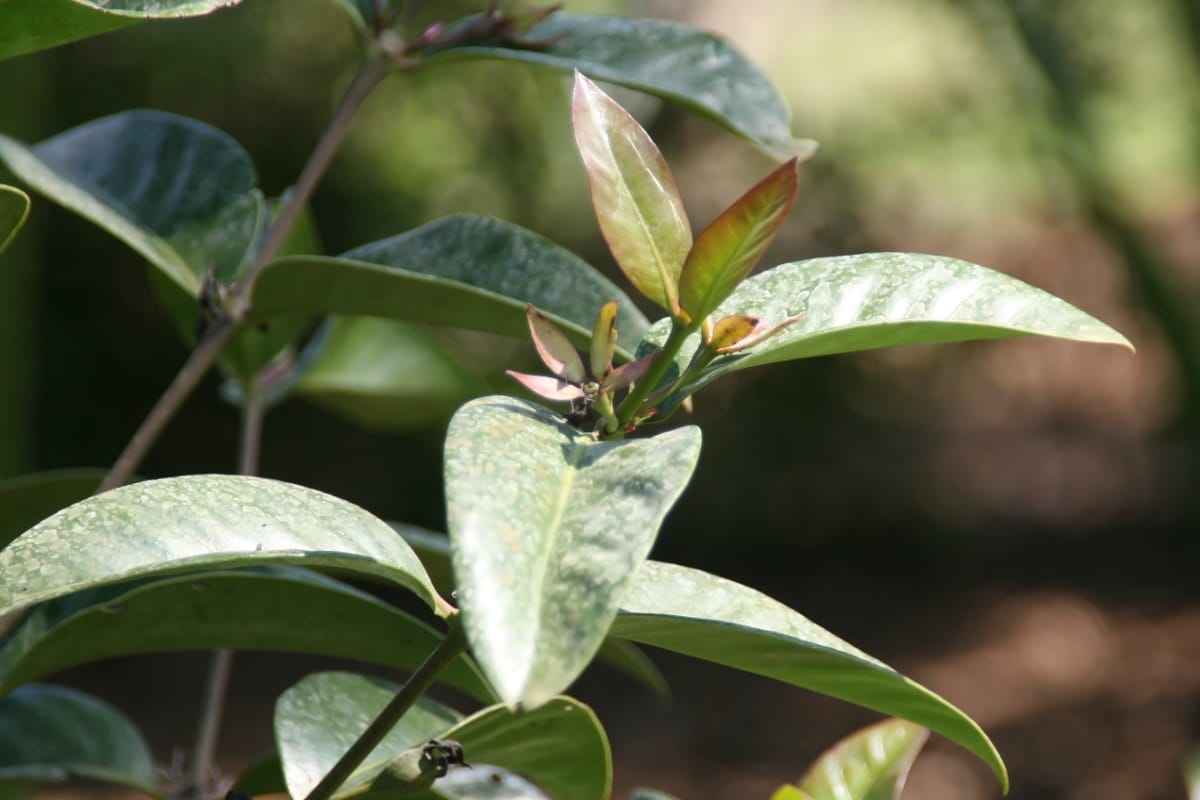
A recent article published in BioScience proposes an innovative solution to this issue through the Red List Project. Instead of acting as a "band-aid" put at the end to clean a company's corporate image, they introduce a genuine "Conservation-First" model.
The Red List Project (TRLP) model intertwines technology and ethics from the very beginning. It all starts with an upfront financial contribution from the fragrance company, which is transferred to conservation partners in the country of origin to immediately jumpstart research and species mapping. This initial investment is crucial because it eliminates the financial uncertainty that usually accompanies the volatile sales of new products. Then, a portion of the revenue generated by perfume sales is regularly allocated to the conservation project, creating a self-sustaining financial pathway that protects threatened species throughout the entire commercial life of the product.
For this process to be truly sustainable, TRLP utilises technologies such as headspace capture, which allows scientists to "sample" a plant's aroma directly from the surrounding air without needing to harvest or damage it. This "digital copy" of the scent ensures that the industry can innovate without resorting to destructive wild harvesting, fully complying with global targets like those of the Kunming-Montreal Global Biodiversity Framework. In this way, the perfume becomes an ethical link that not only captures an essence but actively finances the survival of the original organism in its natural habitat.
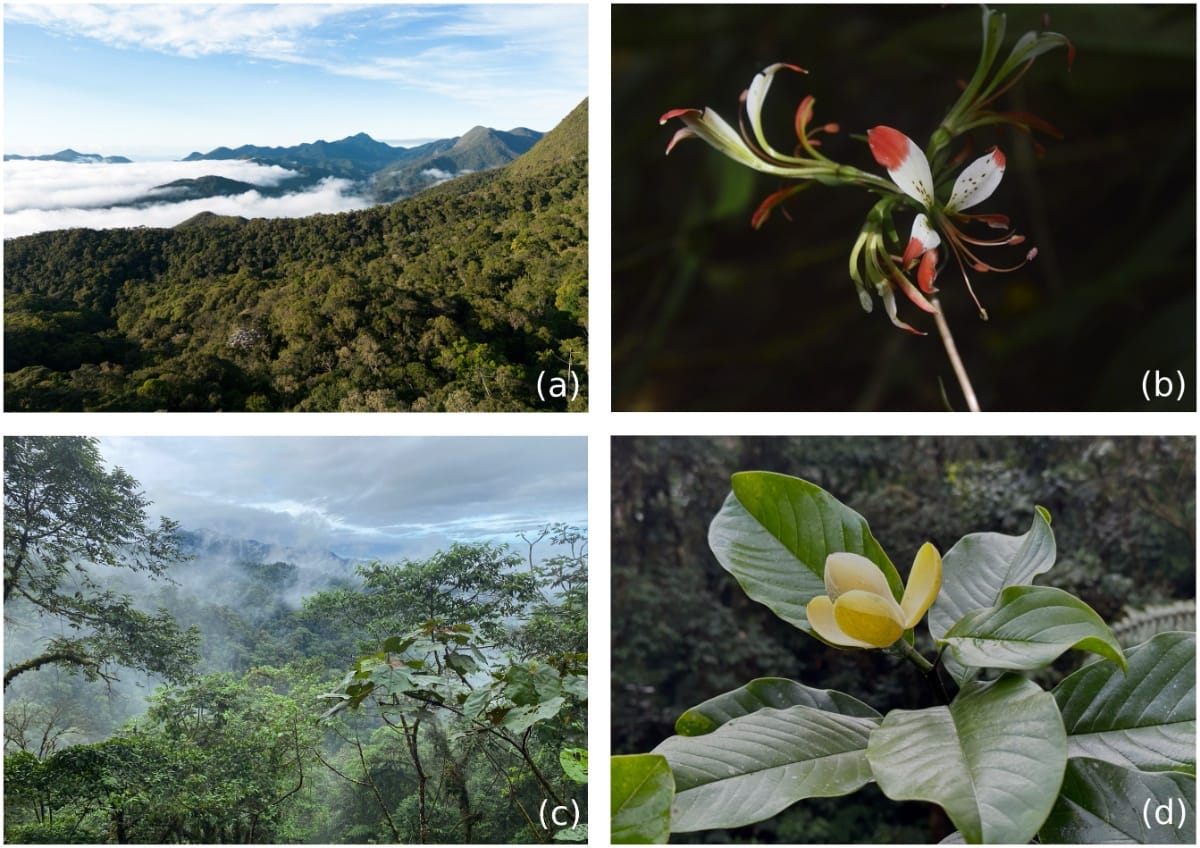
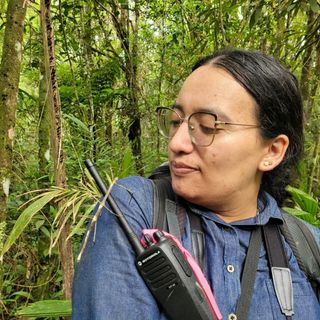
This model is already successfully underway in the real world. For example, in Brazil, work is being done with Alstroemeria caryophyllaea, a threatened plant from the Atlantic Forest. Thanks to a collaboration with a historic perfume house, sales funds help finance local research and fieldwork expeditions to map the remaining populations of this species. Similarly, in Ecuador, the project protects several critically endangered Magnolia species in the Chocó cloud forests, directly linking the commercial success of the perfume to the creation of local community nurseries and regional environmental education programs.
The final paragraph of the article serves as an urgent call to action, reminding us that plant diversity is not just "something beautiful to look at or smell," but rather the literal foundation of our food, our medicines, and even the stable climate we breathe.
We must overcome the historical fear and mistrust surrounding collaboration between science and industry. If approached with absolute transparency and rigorous ethics, choosing a fragrance with this seal means you are doing much more than just smelling good, you are paying a small "maintenance fee" to ensure the world's biological library remains open, alive, and thriving for generations to come.
READ THE ARTICLE
de Paula, L. F., Smith, R. J., Handley, V., Gomes, T. P., Pinheiro, R. O., Antonelli, A., & Fiedler, P. L. (2026). Beyond scents: calling on the fragrance industry to champion plant diversity. BioScience, biag014, https://doi.org/10.1093/biosci/biag014.
Spanish and Portuguese translation by Erika Alejandra Chaves-Diaz.
Cover picture by cgdsro (Pixabay).