
As more people live in cities, everyday contact with nature is shrinking. That means fewer chances to notice, interact with and grow familiar with the living world around us. This “extinction of experience”, as researchers like to call it, is far from trivial: if people are increasingly unfamiliar with wildlife, they might be less likely to support conservation initiatives or manage their own green spaces in ways that help biodiversity.
This idea connects to biophilia, the tendency for humans to feel drawn to nature through positive emotions such as compassion and a sense of beauty. Earlier studies have shown that these reactions vary widely depending on age, gender and previous contact with nature. That is where gardens become especially interesting. Domestic gardens make up a surprisingly large share of urban green space, and for many people they offer regular, close-to-home contact with birds, insects, worms and other creatures. Previous research has suggested that gardening is linked to more positive feelings towards wildlife. What remains unclear is whether different kinds of gardening shape those feelings in different ways.
In a recent study, Quentin Dutertre and colleagues tackled that question in People and Nature by surveying 1,000 people in France about their experiences with nature and their emotional reactions to 53 animal species. The sample included both people who owned a garden and people who did not, allowing the researchers to compare the two groups rather than focus only on keen gardeners.
Participants were shown photographs of animals and asked how they felt about them. The study used 53 pictures representing 48 species, including birds, mammals and a range of invertebrates such as slugs, earthworms and insects. Among the invertebrates, the authors also grouped species by what they do in a vegetable garden: some were pollinators, some helped break down organic matter, some were natural enemies of pests, and some were pests themselves. Each person rated five randomly selected pictures, scoring how beautiful, frightening or disgusting the animal seemed, and how motivated they would be to save it if it were in danger. The researchers then combined those answers into a “biophilia index”, a general measure of positive or negative feelings towards the animal shown.
The survey also asked about people’s own experiences with nature. Did they have a garden? How often did they garden? Did they grow vegetables, and if so, how much space did that take up? How often did they visit other green spaces, such as parks or natural areas? The team then tested whether these experiences were linked to the biophilia scores, while also accounting for factors such as age, gender and the fact that different animals naturally provoke different reactions.
What emerged was a clear pattern: regular contact with nature seems to soften people’s feelings towards wildlife. People who lived in homes with gardens showed warmer feelings towards wildlife overall than those without one, suggesting that simply having regular access to a garden may help people become more comfortable with the animals that share those spaces. Across the survey as a whole, people who gardened more often and those who visited green spaces more frequently tended to show higher biophilia scores, meaning more compassion and appreciation, and less fear and disgust, towards the animals they were shown.
Garden owners also scored higher than people without gardens, even when those non-owners said they would like to have one. That matters because it suggests the difference is not simply that nature-loving people choose homes with gardens. Instead, having a garden may itself help nurture warmer feelings towards wildlife. The effect was not just about time spent weeding or watering. The authors argue that gardens may matter because they create frequent, meaningful encounters with nature, whether through watching birds, noticing insects or simply paying closer attention to the living things around the home.
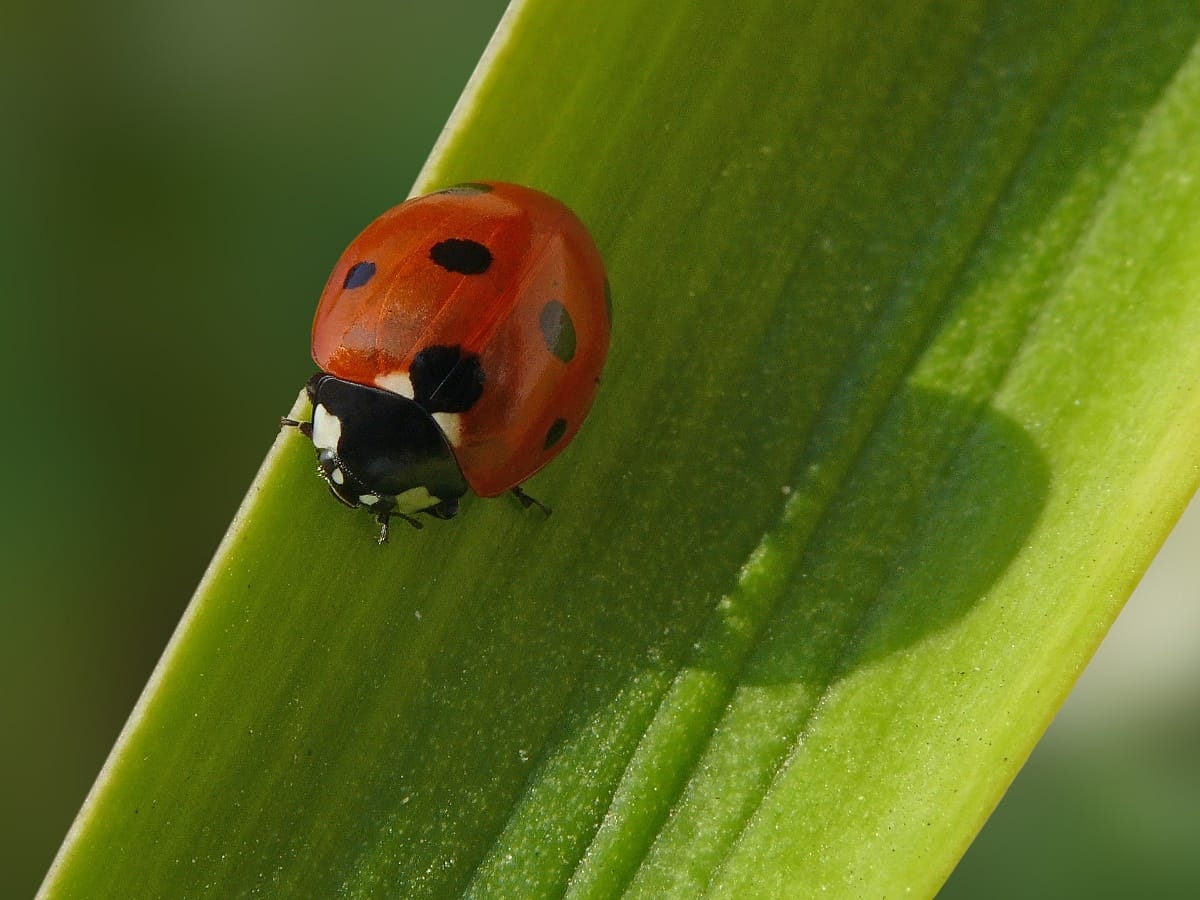
The results also show that not all gardening experiences work in exactly the same way. Among people with gardens, simply having a larger vegetable patch did not raise biophilia across the board. But it did matter for certain animals. Gardeners with larger vegetable gardens tended to feel more positively about natural enemies of pests, species that protect crops by eating harmful insects. This suggests that growing food may help people appreciate species that perform useful ecological jobs, even if they might otherwise be overlooked.
Surprisingly, though, gardeners did not become more hostile to pests. If anything, spending more time gardening was linked to slightly more positive feelings even towards species that can damage crops. In other words, closer involvement with gardening did not seem to make people more negative towards troublesome wildlife. It may instead make them more familiar with, and perhaps more tolerant of, the living community that comes with a garden.
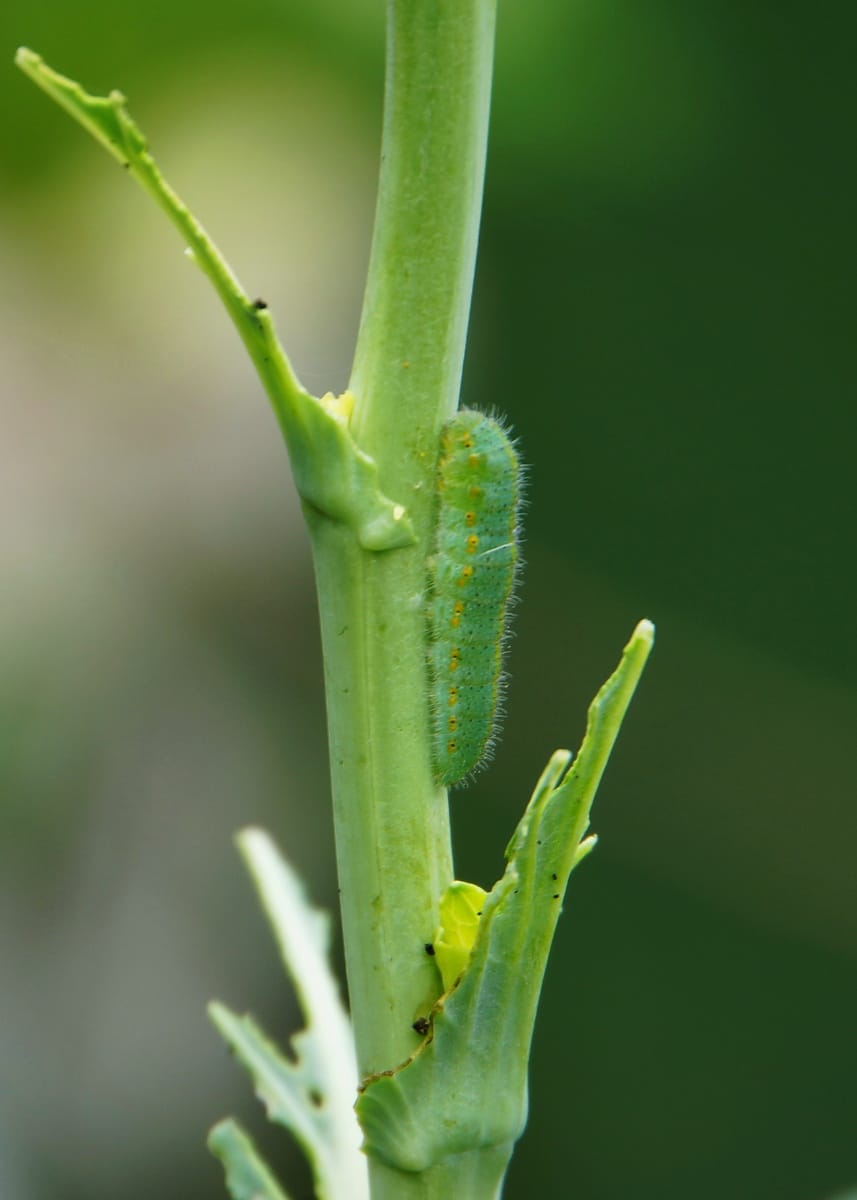
That matters beyond the back garden. More frequent gardening was also linked to warmer feelings towards vertebrates, including species not usually found in gardens. Together, these findings suggest that nature experiences at home may do more than improve opinions of familiar garden animals; they may help build a wider emotional openness to wildlife. The authors therefore suggest that access to nearby green spaces could help build the emotional connections that support conservation, and that community gardens or well-designed public green areas might offer similar benefits for people without private gardens.
Taken together, the study suggests that helping people feel closer to wildlife may be as much about everyday experience as grand conservation messaging. Gardens, parks and other urban green spaces are not just pleasant extras. They may help build the emotional ties that make people more accepting of wildlife and more willing to support its protection. Dutertre and colleagues point to a future in which cities are designed not only for people, but also for richer encounters with the living world. If those encounters encourage more thoughtful gardening and broader support for conservation, they may create a positive feedback loop that benefits both people and biodiversity.
READ THE PAPER:
Dutertre Q, Lachaise M, Collard B, Baudry E. 2026. Cultivating biophilia: Domestic gardens foster positive emotions towards wildlife, with gardening influence shaped by species' ecological functions. People and Nature. https://doi.org/10.1002/pan3.70283
Spanish and Portuguese translation by Erika Alejandra Chaves-Díaz
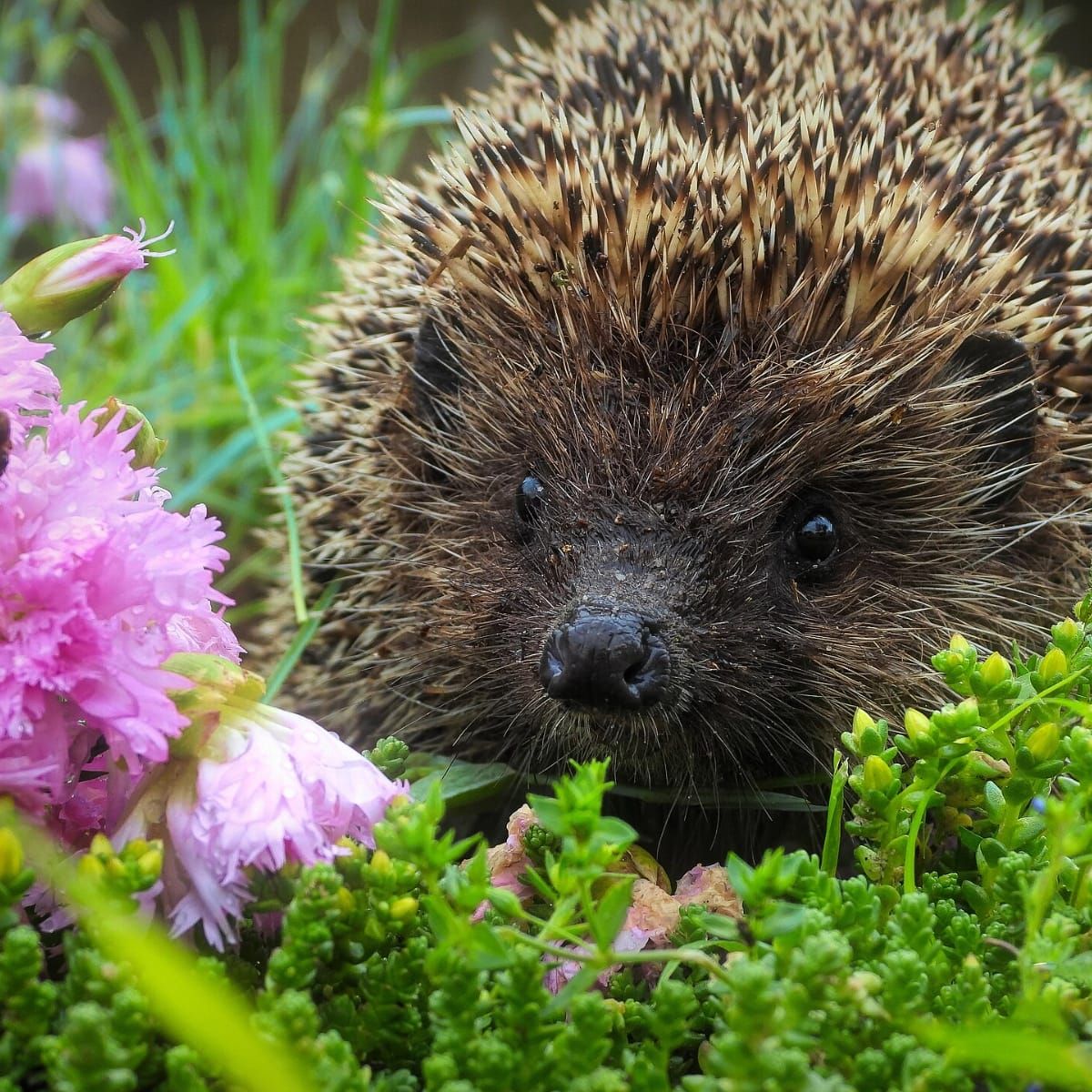
Cover picture: Common hedgehog (Erinaceus europaeus). Photo by PetroKaterynych (Wikimedia Commons).