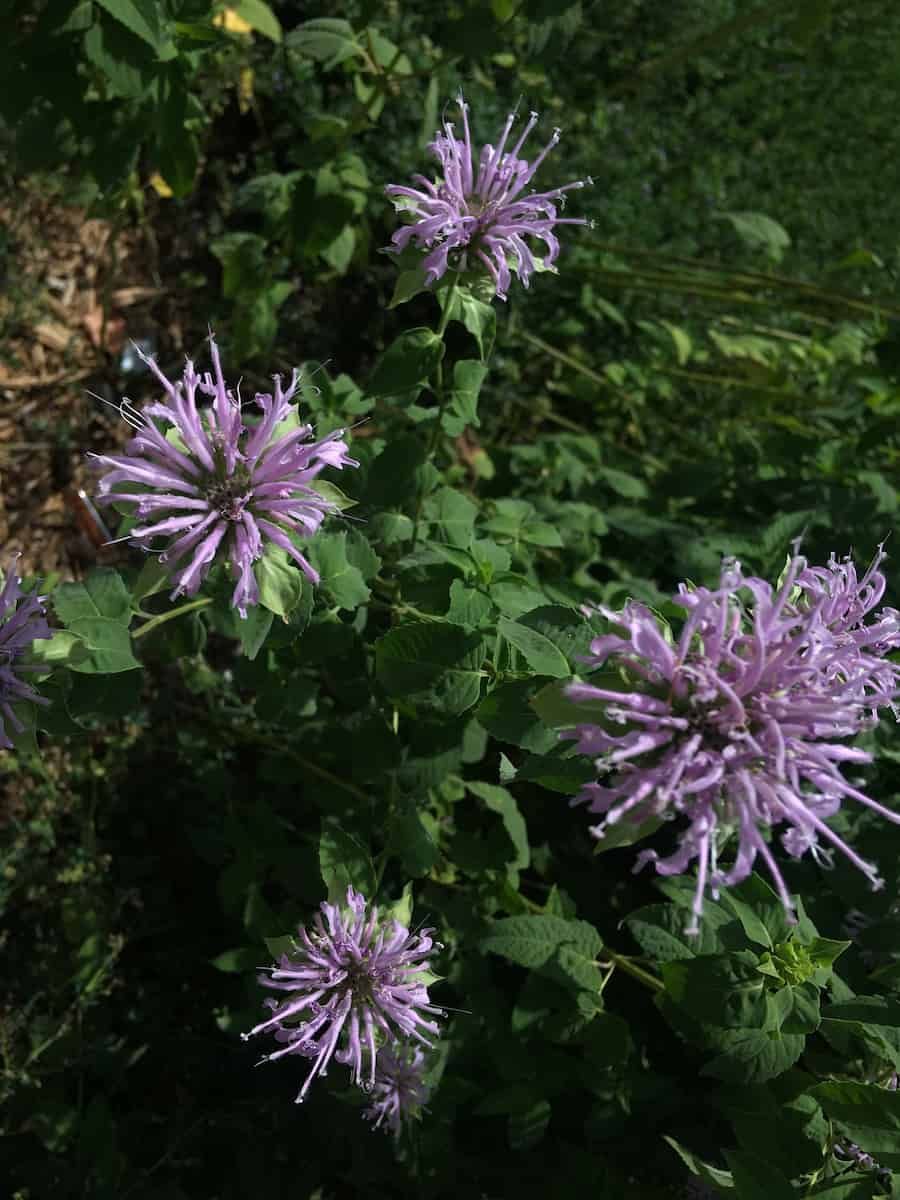

Photos of plants just like the ones you take on your phone could have value for hard science. Photos taken by citizen scientists and uploaded to iNaturalist allowed Patrick McKenzie and colleagues to confirm a suspicion botanists had about the colour of Monarda fistulosa, wild bergamot or beebalm. Plants in the west of North America can be a deeper purple than plants from the east.
The colour of a flower is important because is a major signal to pollinators, though colour alone is not enough to attract a pollinator. Understanding the variation of colour in flowers will help pick apart some of the factors in what attracts or repels a pollinator when visiting.
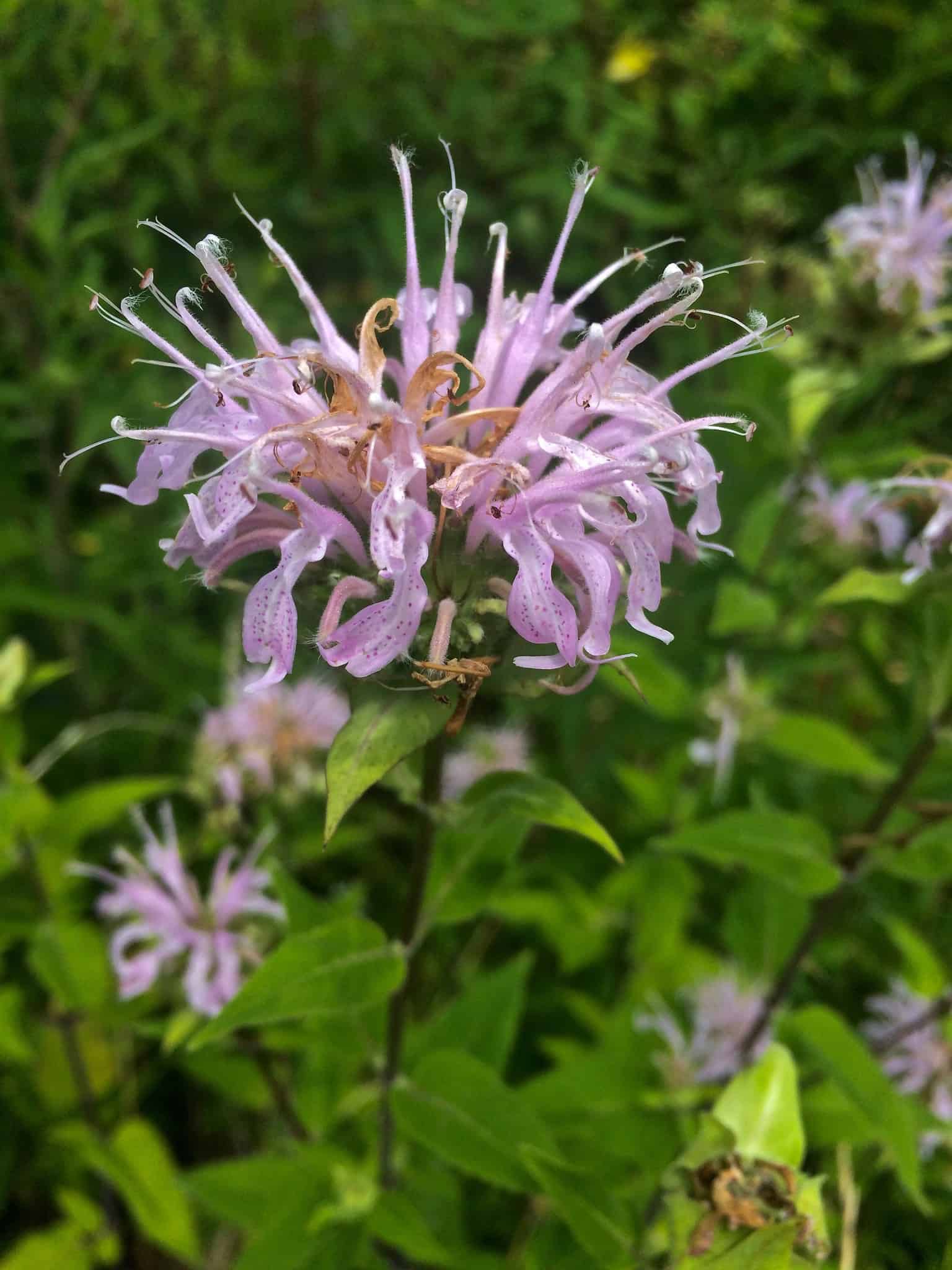
Finding out if anecdotes reflected the truth about Monarda fistulosa seems simple. Sure, plants can be variable, but if you gather enough But with plants being so variable, you need to examine a lot of plants. In their article, McKenzie and colleagues explain why no one has done the obvious work: “Studying flower color typically requires performing pigment extractions or analyzing standardized photography or full spectral reflectance patterns. These approaches require time, financial resources, and access to private and restricted public lands.” An alternative approach was needed, and the platform iNaturalist provided this.
iNaturalist has around 400,000 active users, and over four million have contributed something during the project’s 18 years. It produces a lot of data. The team downloaded over 41,000 photos of Monarda fistulosa from GBIF, the Global Biodiversity Information Facility. They then used some off-the-shelf tools to classify and segment the data.
The first was GPT-4o, using the prompt: “Answer YES or NO: Is this a high-quality close-up photo of a beebalm flower?” I appreciate some readers will be annoyed by this, but wait till I discuss page 9 of the supplementary data. Half the time, the answer was no, so the machine did a lot of filtering. If the answer was yes, the photo was then passed to Roboflow, which ran the semantic segmentation model.
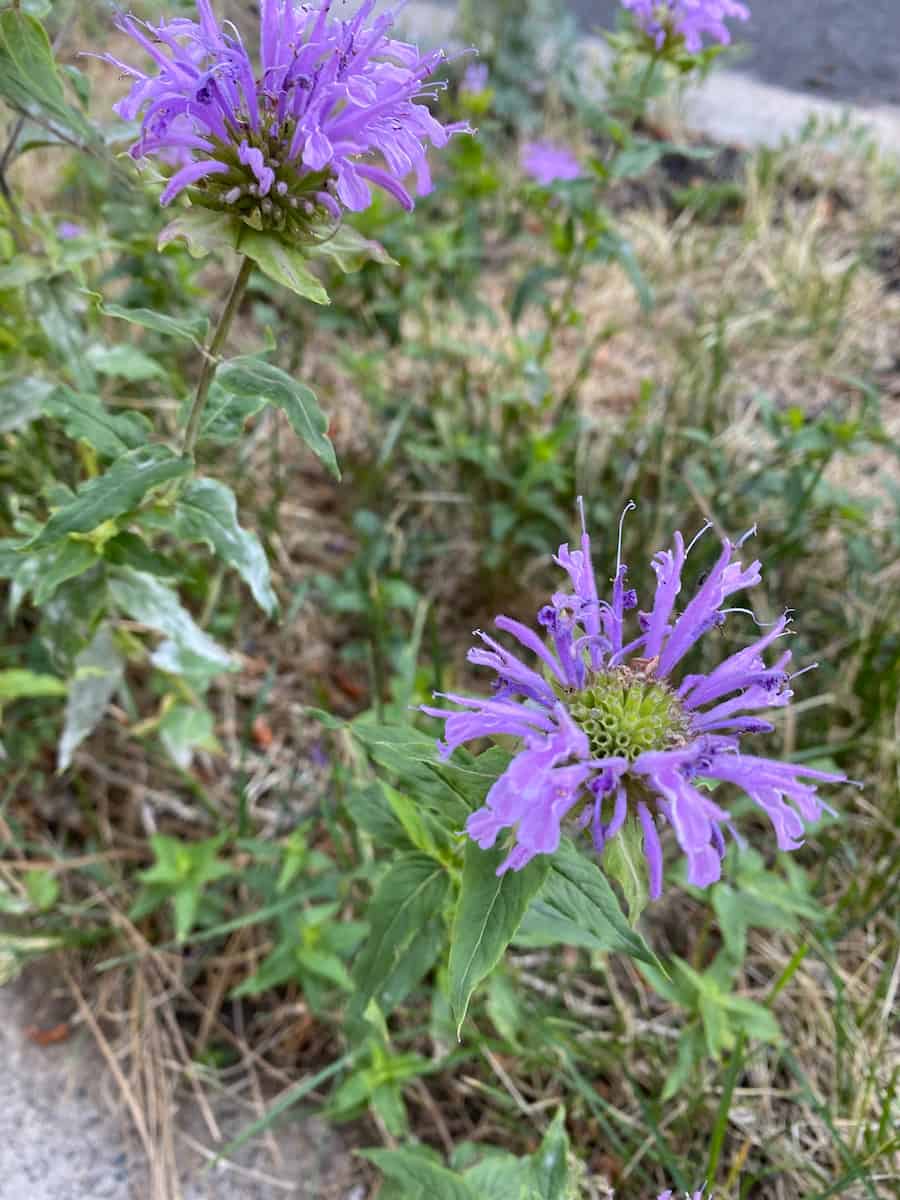
This identified what bits of the photo were the flower, and so what colours actually mattered. Once the system knew what pixels it was looking for, it was able to quantify the colour of the petals. As each photo on iNaturalist has a lot of metadata attached including, crucially, location, you can start asking the question “How does colour vary with location?”
The answer is that if you want to see a Monarda fistulosa with a deep violet corolla, then you should head west. The importance of the paper isn’t so much the result as the method. Combining AI and computer vision, McKenzie and colleagues have created a workflow that can look at colours of any plant if you have enough data, and can be expanded to look at further questions. It’s a relatively simple method that makes use of a lot of material that’s already been gathered, and waiting to be analysed.
But that’s not the part that caught my eye.
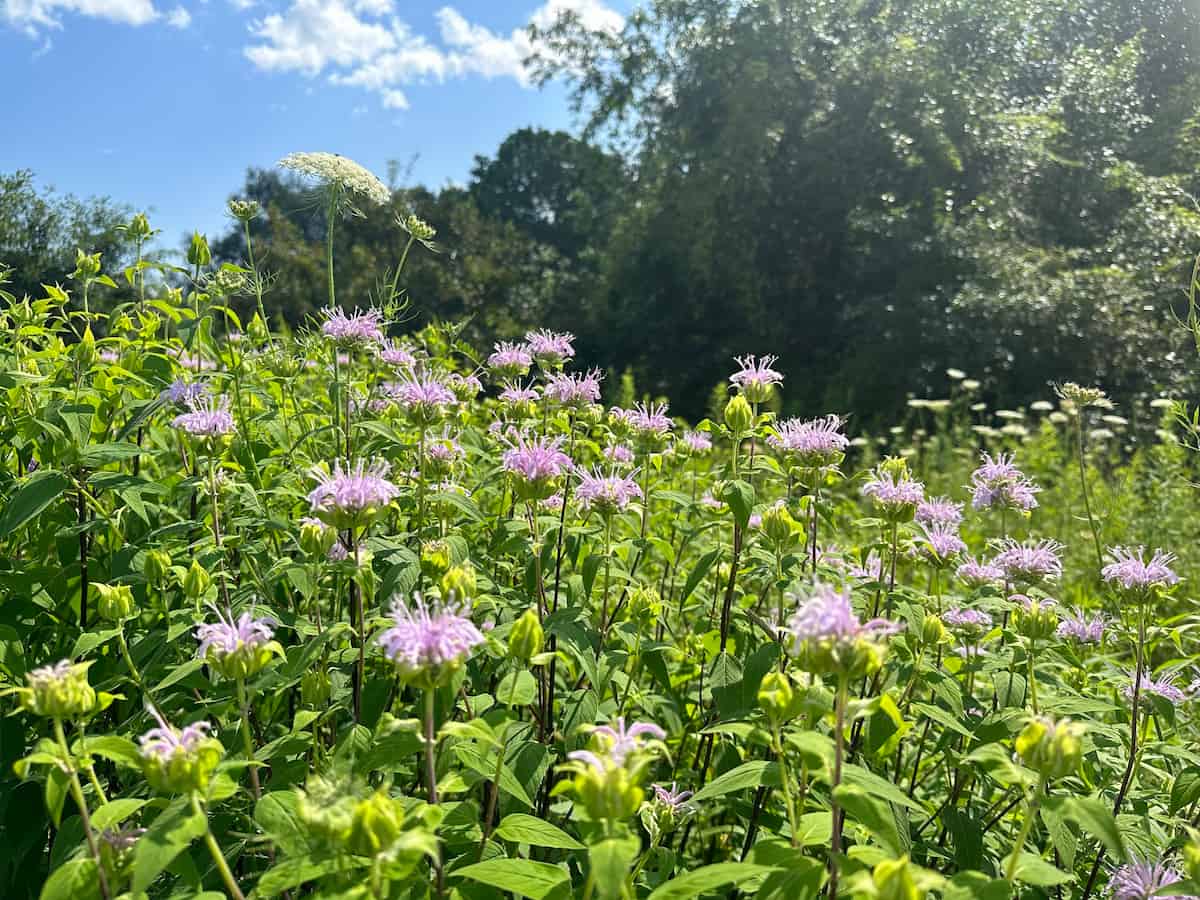
The part I really like starts a page 9 in the Supplementary Material and carries on to page 44. It’s a big section, and it starts: “We would like to thank the following iNaturalist observers whose images were used in the final dataset:” And I like that a lot, because in the metadata, along with location and date is the name of the observer who took the image. So it should be possible to extract them and thank them. And it seems it was with what seems to almost 10,000 user names listed. If you’ve taken a photo of beebalm in the USA, then you might have been credited.
The paper is, unfortunately behind a paywall, but most authors are delighted to hear when someone takes an interest in their work. If you’re reading this a few months after this has been posted then you could try emailing the authors. Patrick McKenzie is also on Bluesky @patrickmckenzie.bsky.social.
READ THE PAPER
McKenzie, P., Church, S., and Hopkins, R. (2025) High-throughput iNaturalist image analysis reveals flower color divergence in Monarda fistulosa. The American Naturalist. Available at: https://doi.org/10.1086/739413.
Cover image: Monarda fistulosa in Utah by echestler / iNaturalist CC BY-NC