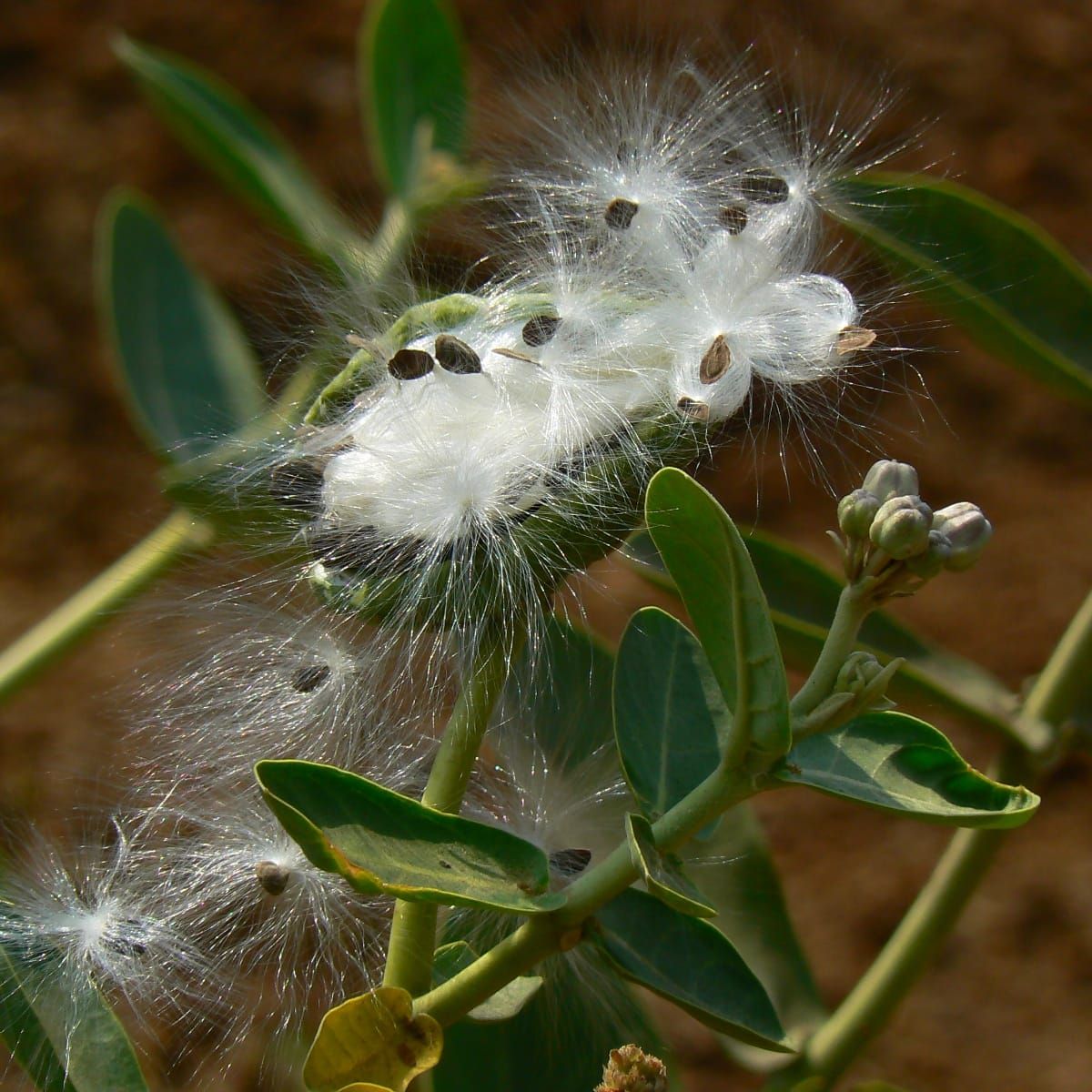

Plants may spend most of their lives rooted to one spot, but their seeds can be surprisingly well-travelled. This process, known as seed dispersal, may seem like a brief stage in a plant’s life, but it is far from a minor detail. For a seed, this journey can mean escaping competition from its siblings, reaching a safer place to grow, or finding places where the climate remains suitable as conditions shift.
Flowering plants, or angiosperms, have evolved many ways to send their seeds into the world. Some ride inside fruit-eating animals, some drift on the wind, some float on water, and others are launched from pods that burst open like tiny catapults. These strategies are known as dispersal modes, and they influence where plants live, how populations stay connected and how species may respond to future climate change.
Scientists have long suspected that animal dispersal helped flowering plants become so successful, contributing to their rise as the most diverse and dominant plant group today. Fossils suggest that early angiosperm seeds and fruits were often small, and that animal-mediated dispersal became more common later, especially during the Cretaceous, beginning around 105 million years ago. This period matches the time when forests were changing and birds and mammals were becoming more important ecological players. Earlier studies also suggested that wind dispersal might be favoured in dry, open habitats, while animal dispersal should be common in warm, wet tropical forests. But many of these ideas were based on fossils, local studies or particular plant groups. What was still missing was a global test across thousands of species, linking dispersal modes to plant evolution, climate history and present-day geography.
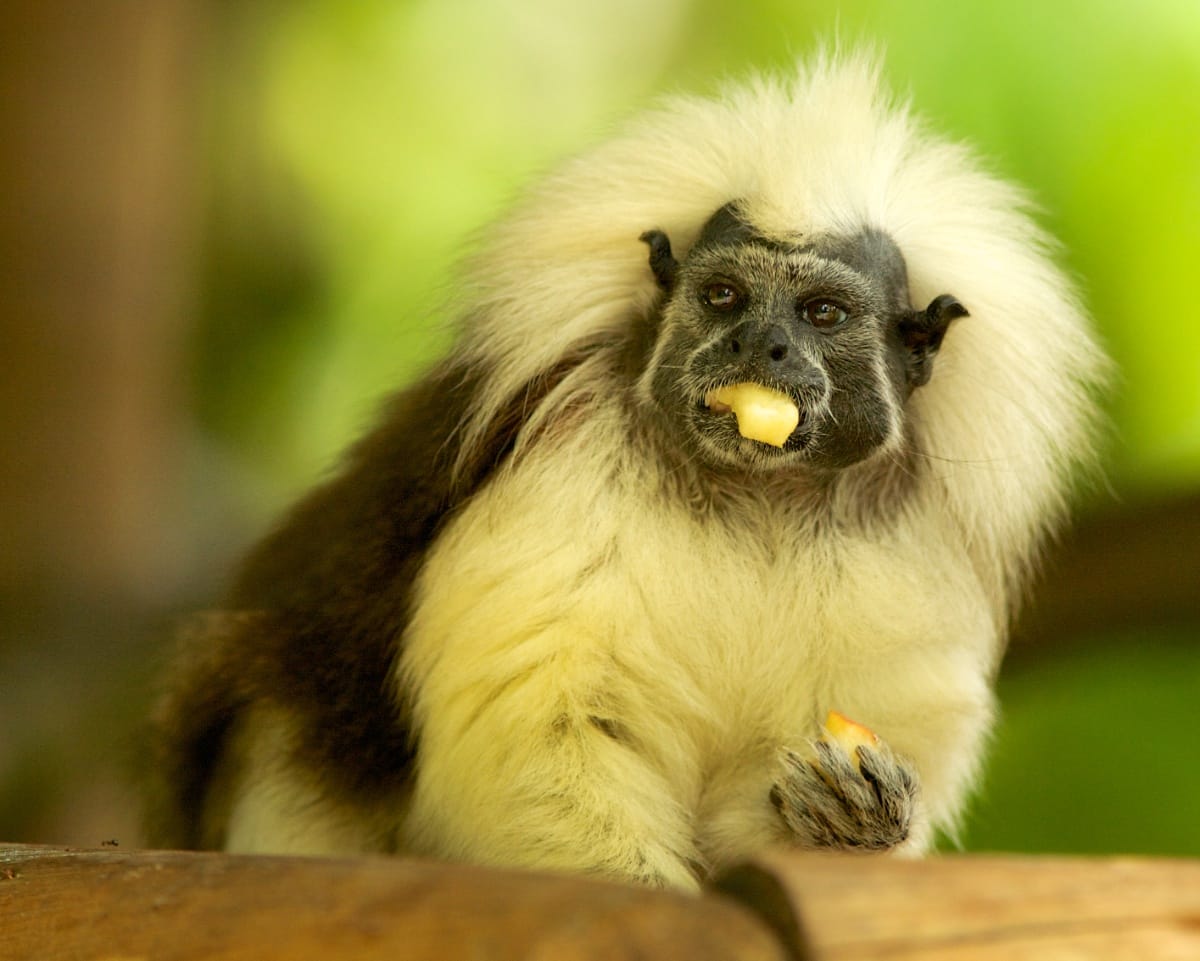
In a recent study published in New Phytologist, a research team led by Lu Jin tackles that gap by examining the global distribution and evolutionary history of seed dispersal modes. To do this, the team combined seed dispersal information from various available sources with data on species distributions, evolutionary relationships and climate, and sorted each species into one of four categories: animal, wind, water, or self-dispersal. In the end, they compiled a dataset of 35,131 flowering plant species from 297 families — representing more than 70% of living angiosperm families.
The next step was to place these species on the flowering plant family tree. This allowed the team to ask not only which plants use which dispersal modes today, but also how these strategies may have changed through evolutionary time. By comparing present-day dispersal modes with the relationships among species, the study reconstructed likely ancestral states and estimated when lineages shifted from one dispersal mode to another.
They then mapped species and calculated how common each dispersal mode was around the globe. These geographical patterns were then compared with present-day climate, wind, elevation and estimates of climate change since the Last Glacial Maximum, the cold period around 21,000 years ago when ice sheets were at their greatest extent.
Finally, they used several statistical models to test whether dispersal mode was linked to faster species formation or lower extinction rates. With these tools in place, the study could move from global maps and family trees to the bigger question: what have seed dispersal modes actually done in flowering plant evolution?
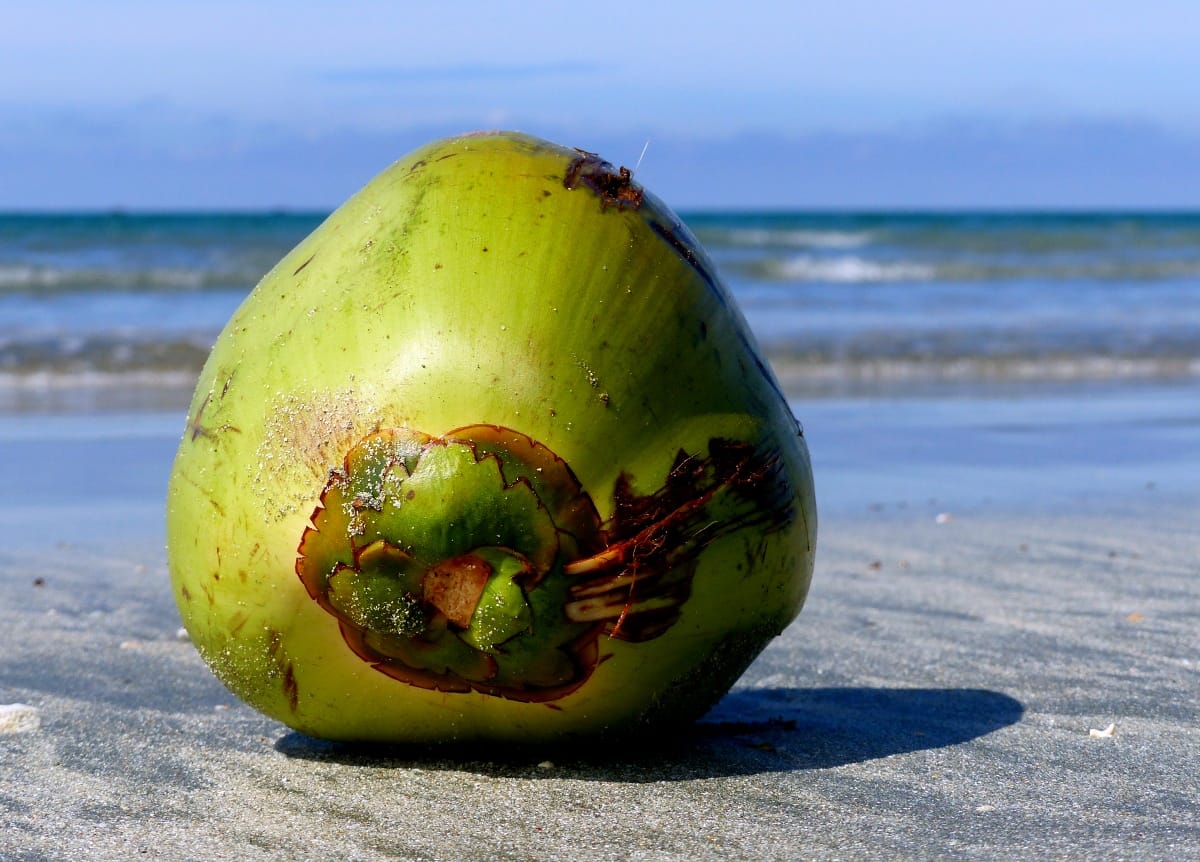
Jin and colleagues found that the history of seed dispersal in flowering plants has been far from static. The earliest angiosperms were most likely either animal-dispersed or self-dispersed, but their descendants repeatedly changed dispersal mode over millions of years. Water dispersal was rare and seemed especially unstable, often giving way to other dispersal modes.
One major change began around 105 million years ago, when animal dispersal started to become more common, rising sharply around 85 million years ago, near the time when flowering plants were reshaping many terrestrial ecosystems. This shift was linked to ancient temperature changes, but not in a simple way. At first, warmer climates were associated with more lineages shifting to animal dispersal. However, those transitions continued even as global temperatures cooled, suggesting that other forces, such as changing forests and the rise of fruit-eating birds and mammals, may also have been key.
Surprisingly, the study did not support the long-standing idea that animal dispersal helped flowering plants diversify faster. Dispersal mode may still matter in particular plant groups, but it does not appear to be a simple engine of species formation across all angiosperms.
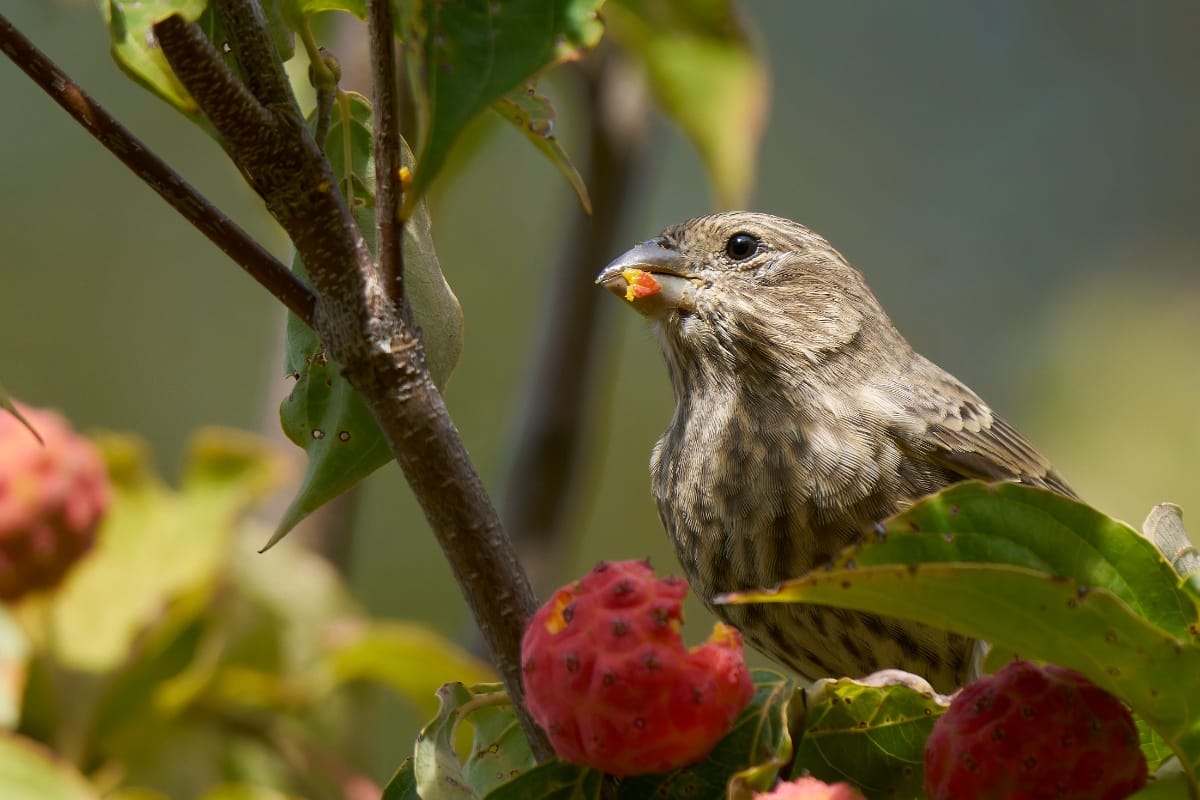
The global patterns were clearer. Animal dispersal was most common in warm tropical regions, especially South America and tropical Asia. Self-dispersal became more common towards colder, higher latitudes. Wind dispersal peaked at intermediate latitudes and was more strongly linked to rainfall than to wind speed itself. Regions that had experienced larger climate shifts since the Last Glacial Maximum also tended to have more animal- and wind-dispersed species.
Together, these results suggest that seed dispersal is shaped by long evolutionary history, present-day climate and past climate upheaval, not by a single universal rule. It is not a simple story of one strategy being better than another, but a record of plants responding to changing forests, shifting climates and the animals, winds and waters around them. A plant may be rooted in place, but its future may depend on where its seeds can go, and how they get there.
READ THE ARTICLE:
Jin L, Li M, Wang Z, et al.. 2026. Evolutionary history and the global distribution of seed dispersal modes in angiosperms. New Phytologist 250: 1217-1230. https://doi.org/10.1111/nph.70967
Spanish and Portuguese translation by Erika Alejandra Chaves-Diaz
Cover picture: Calotropis gigantea by Dinesk Valke (Wikimedia Commons, CC BY-SA 2.0).

.jpg?ref=botany.one#/media/File:Cotton_top_tamarin_(13945323781).jpg)


_(449384437).jpg?ref=botany.one#/media/File:Mhatari_(Marathi-_%E0%A4%AE%E0%A5%8D%E0%A4%B9%E0%A4%BE%E0%A4%A4%E0%A4%BE%E0%A4%B0%E0%A5%80)_(449384437).jpg)