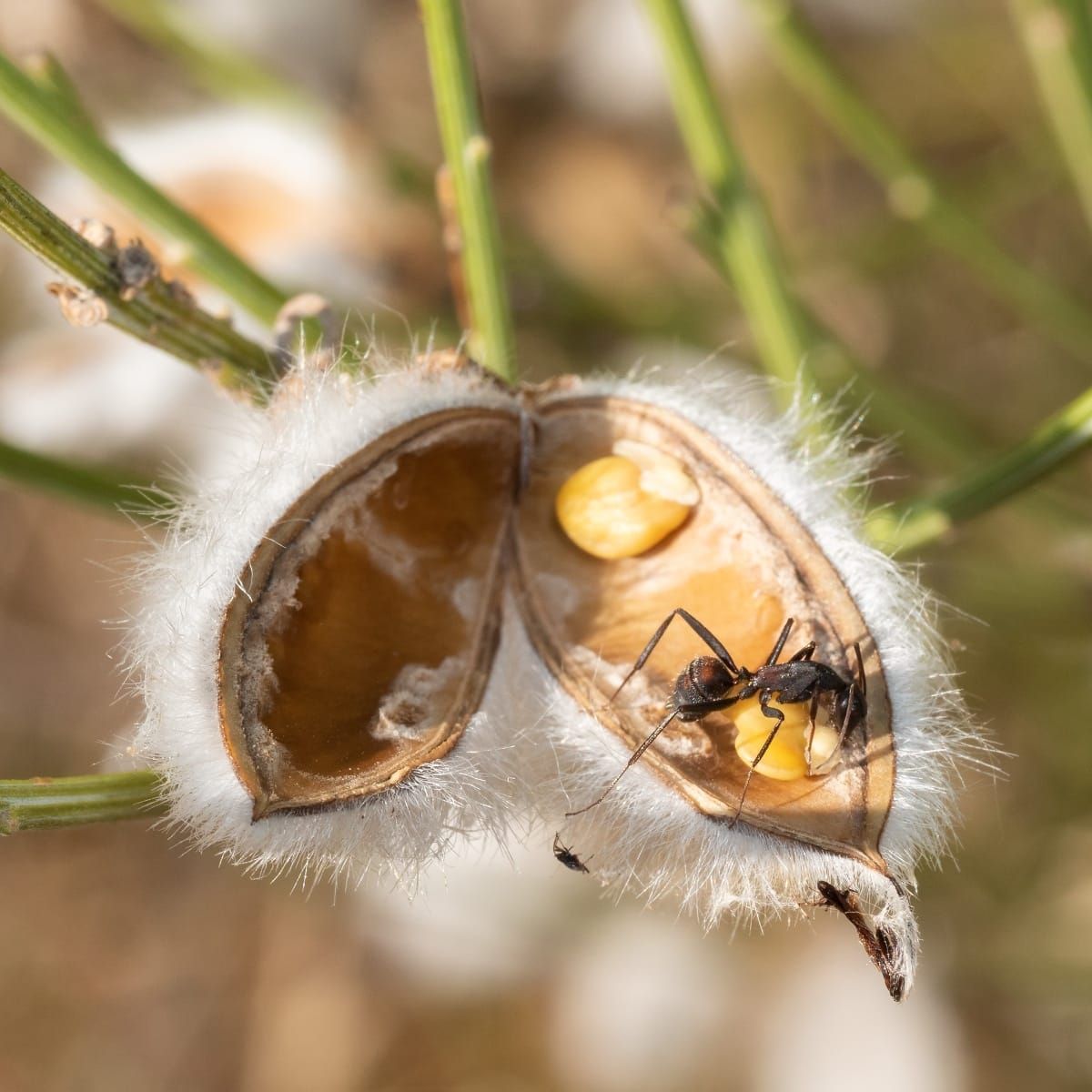

Plants cannot walk away from trouble, but their seeds can travel with help from animals. Some animals eat fruits and later deposit the seeds in their droppings. Others carry seeds stuck to fur, feathers, feet or mud. Ants may drag seeds back to their nests, while some vertebrates may actively carry and store them. That movement is becoming more important as ecosystems change. Climate change, habitat loss, invasive species and altered land use are reshaping where plants can survive.
Since the late 17th century, naturalists and scientists have been recording which animals disperse which plant seeds in Europe. Earlier work has shown that hundreds of European animals disperse seeds, from birds and mammals to ants, beetles, fish, slugs, snails and earthworms. But this knowledge has not built up evenly. Researchers often specialise in one animal group or one method of dispersal, partly because each requires different skills and field methods. A bird ecologist, for example, may not study ants; an ant specialist may not study mammals. That specialisation is useful, but it can also divide the field into separate boxes. If each box looks only at its own animals, then it becomes harder to compare their roles or spot the biggest missing pieces.
A recent study led by Sara B. Mendes, a postdoctoral researcher at the University of Göttingen in Germany, examined more than 11,000 recorded seed-dispersal interactions between 1,902 plant species and 455 animal species in Europe, asking how much scientists really know after 400 years of observations. Their answer: much less than the long history of study might suggest. The team estimates that scientists may have recorded only about a third of Europe’s plant–animal seed-dispersal interactions.
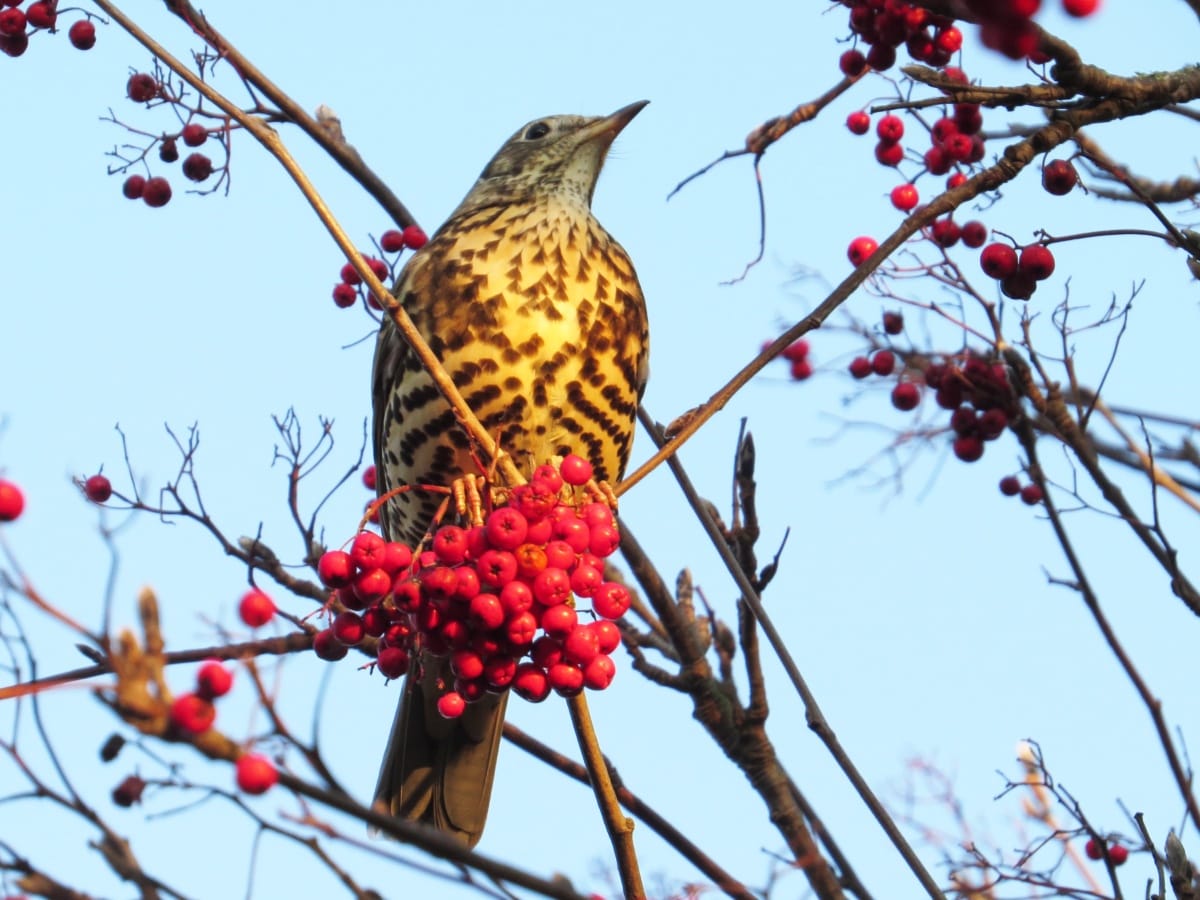
The results show a field with a strong favourite: birds. Passerines, the group that includes many familiar perching birds such as sparrows, finches and thrushes, appeared in almost a third of the publications. Carnivorous mammals and waterbirds also received substantial attention. By contrast, birds of prey, non-ant arthropods, gastropods such as slugs and snails, fish, parrots and earthworms were barely represented, each appearing in about 1% or less of the studies.
Mendes and colleagues argue that this uneven focus matters because ecosystems do not depend on one tidy group of seed movers. A plant may have several animal partners, and different animals may move seeds to different places, at different times, or over different distances. If scientists mainly study familiar dispersers, then they may miss animals that are rare, difficult to observe, or taxonomically tricky to identify, but still ecologically important. Some neglected animals may provide services that cannot simply be replaced by better-known species. A bird of prey, a rodent or an ant may disperse fewer plant species overall, but could still be the only known mover of a particular seed, or could carry seeds unusually far. That matters for conservation, because protecting only the best-known dispersers could leave some plants without the partners they need to spread, recover after disturbance, or track suitable climates.
The imbalance was also clear in how seed dispersal was studied. Most work focused on endozoochory, where animals eat fruits or seeds and later pass the seeds through their digestive system. Other routes, including seeds stuck to animals’ bodies, seeds carried by ants, or seeds actively carried by vertebrates, were much less studied.
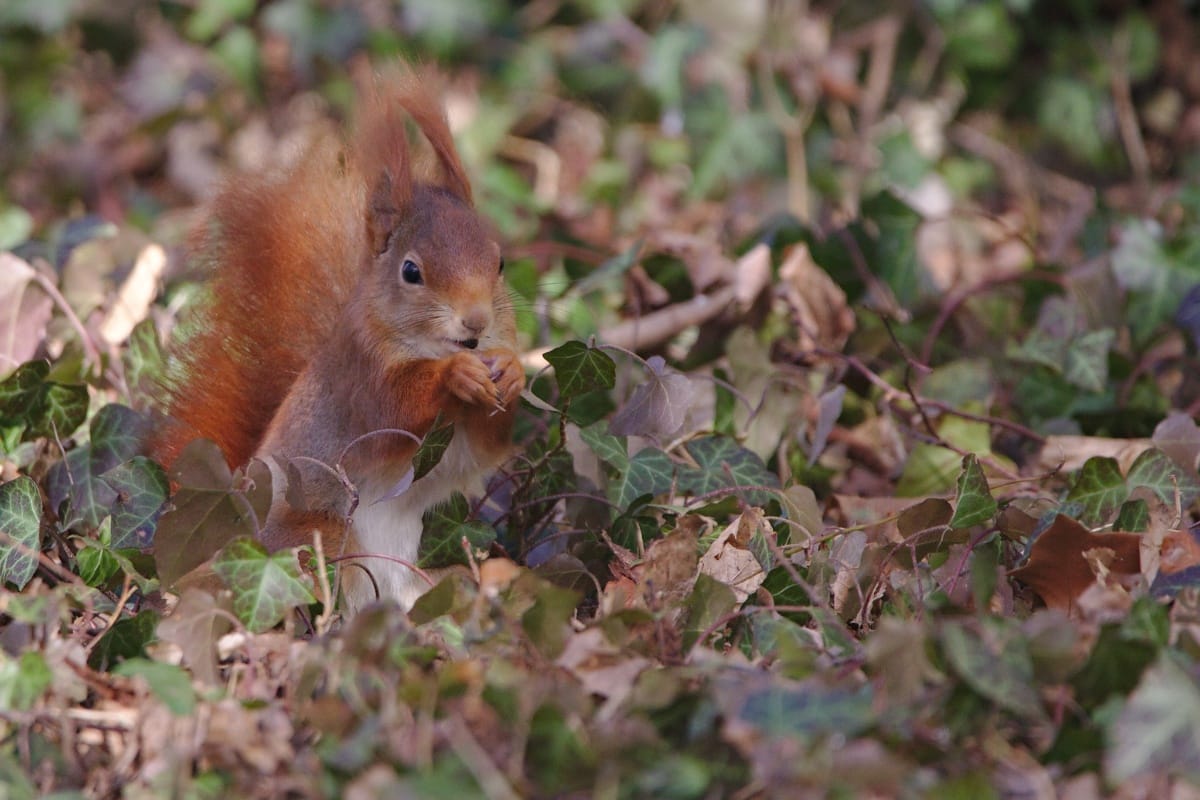
When Mendes and colleagues estimated how complete the available knowledge was, the gaps became sharper. Birds of prey, ants and rodents emerged as especially neglected groups. Carnivores were the best-covered group, suggesting that current knowledge about their seed dispersal role is already relatively complete.
But “well studied” does not mean “finished”. The analysis suggested that thousands of plant–animal interactions are still waiting to be documented, including many involving familiar groups such as passerines, ungulates and waterbirds. Ants were especially striking: although poorly covered, they may account for thousands of undiscovered dispersal interactions. Plants with fleshy fruits were also better covered than plants with dry fruits, even though dry-fruited species make up a large part of the European flora. This matters because animals may disperse many seeds that do not look, at first glance, as if they were “designed” for animal transport.
The study also uncovered a more human kind of blind spot. When the researchers compared their statistical estimates with what scientists had previously described as poorly studied, the two did not always match. In other words, researchers’ impressions did not always point to where the biggest gaps really were. This mismatch may partly reflect how specialised the field has become: 92% of studies focused on a single type of disperser. That focus can produce detailed knowledge, but it can also make the wider network harder to see. Moreover, conservation priorities can be shaped by what scientists think is missing as well as by what the data actually show. As a result, Mendes and colleagues’ analysis suggests that finding the gaps requires more than expert intuition; it also needs a broad view of the whole seed-dispersal network.
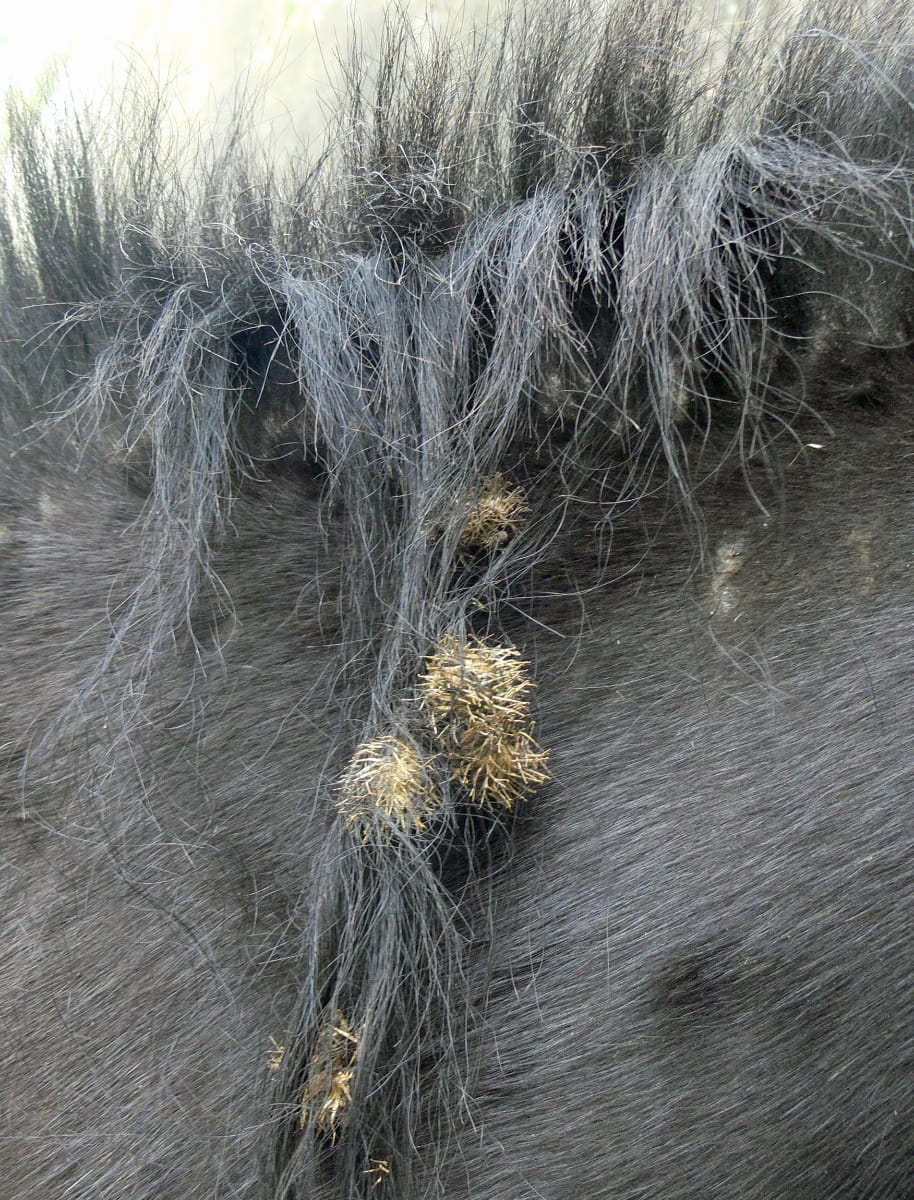
After four centuries of observations, Europe’s seed-dispersal map is still far from complete. That does not mean past work was wasted; it means the picture is still too patchy to guide conservation with confidence. As climate change, habitat loss and biological invasions reshape ecosystems, plants will increasingly depend on animals to move their seeds into recovering or newly suitable places. To understand that process, researchers will need to look beyond the usual suspects and connect studies of birds, mammals, ants, rodents, dry fruits and seeds stuck to animals’ bodies.
The solution is not to abandon focused studies. Instead, the authors call for more work that connects them: studies that bring together different animal groups, fruit types and dispersal mechanisms. In the end, the future of seed dispersal research may depend less on finding one star disperser and more on seeing the whole network.
READ THE ARTICLE:
Mendes SB, Sebastián‐González E, Auffret AG, et al.. 2026. Neglected seed dispersers and research compartmentalisation: how much do we know about what we don't know? New Phytologist. https://doi.org/10.1111/nph.71294
Spanish and Portuguese translation by Erika Alejandra Chaves-Díaz.
Cover picture: A Camponotus ant in Cytisus striatus fruit. Photo by Luis Fernández García (Wikimedia Commons, CC BY-SA 4.0).