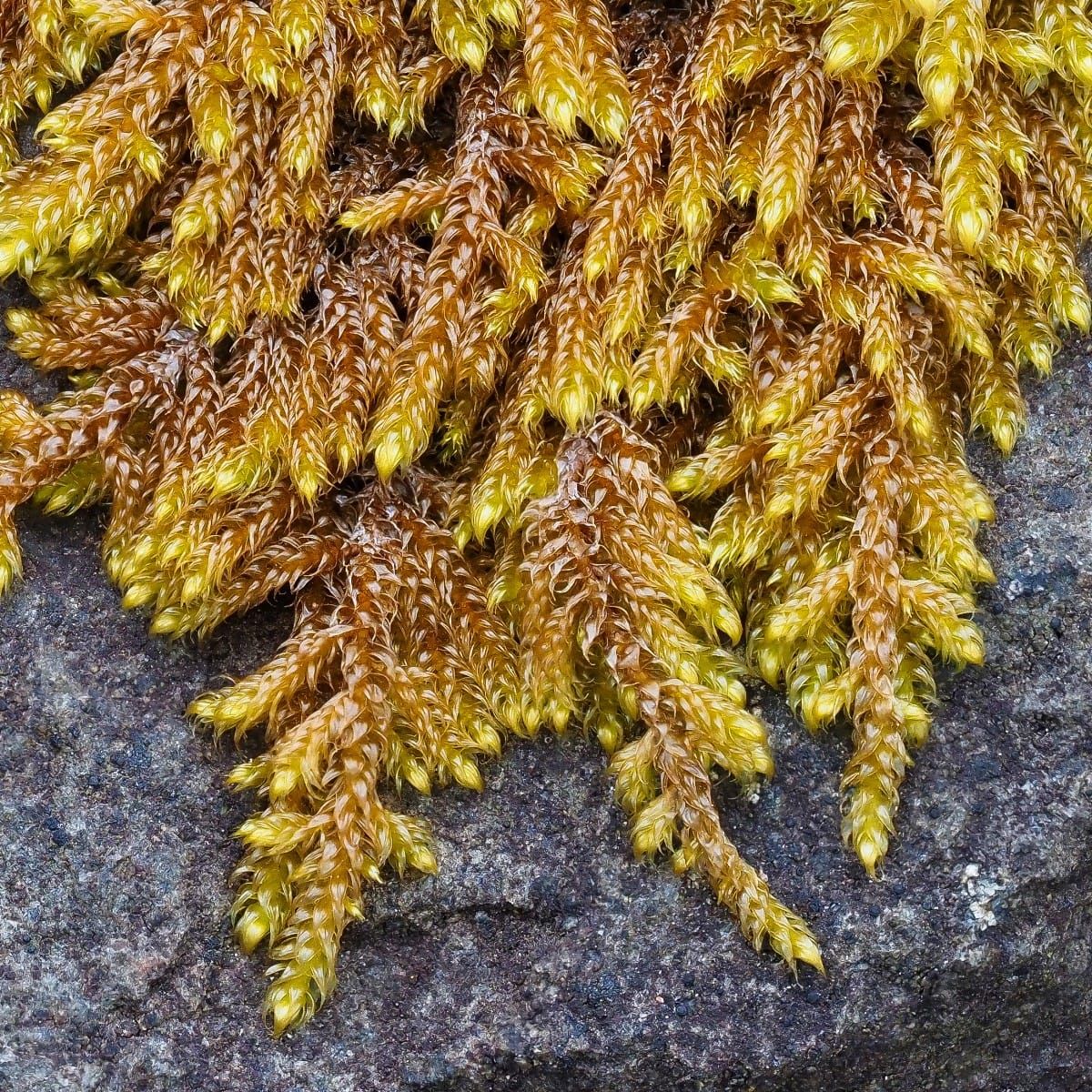

Antarctica is often seen as one of the most pristine and undisturbed environments on Earth. However, a new study suggests that even on this remote continent, some plant species may already be facing significant extinction risks. For the first time, a native Antarctic plant was assessed according to the criteria of the International Union for Conservation of Nature (IUCN), and the result delivers an important warning: the moss Roaldia revoluta is Endangered.
The assessment marks a milestone for the conservation of Antarctic flora. Although bryophytes dominate much of the continent’s terrestrial vegetation, surprisingly little is known about the conservation status of these plants. Until now, no Antarctic plant species had been formally assessed using the IUCN’s global criteria.
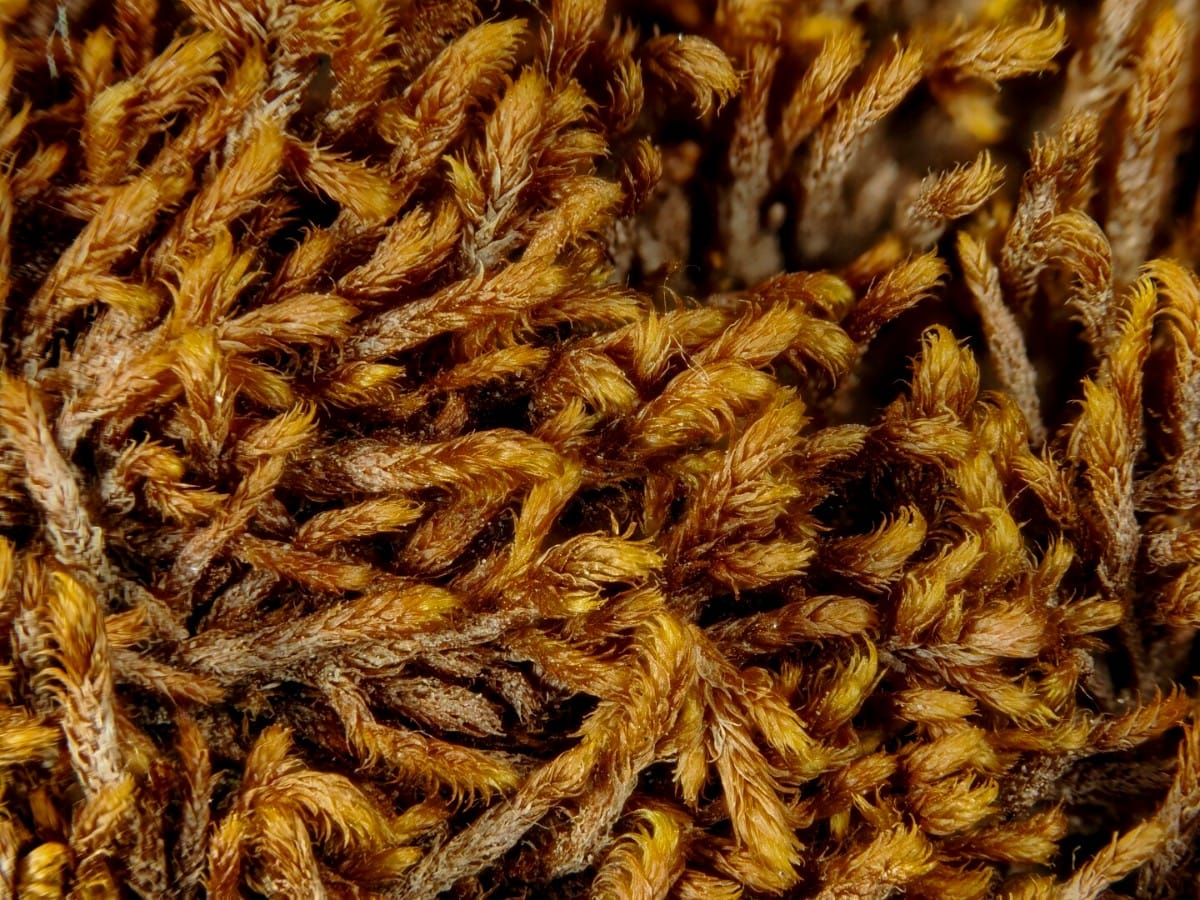
To carry out the assessment, the researchers gathered all known records of Roaldia revoluta in Antarctica, combining herbarium data, scientific literature and field surveys. After compiling 173 records distributed across Antarctica and applying standardised methods adapted to the particularities of bryophytes, the authors estimated that tall known Antarctic colonies together represent only about 80 mature individuals. Based on these data, the species meets the IUCN criteria for the Endangered category.
Although its occurrence extends across a broad geographic region, the populations are strongly fragmented. One particularly concerning aspect is that the species appears to reproduce exclusively asexually in Antarctica. The researchers found no sporophytes in any of the specimens examined, suggesting that the populations depend on vegetative propagation for persistence. This limitation may reduce dispersal capacity and make it harder to recolonise areas where populations have been lost.
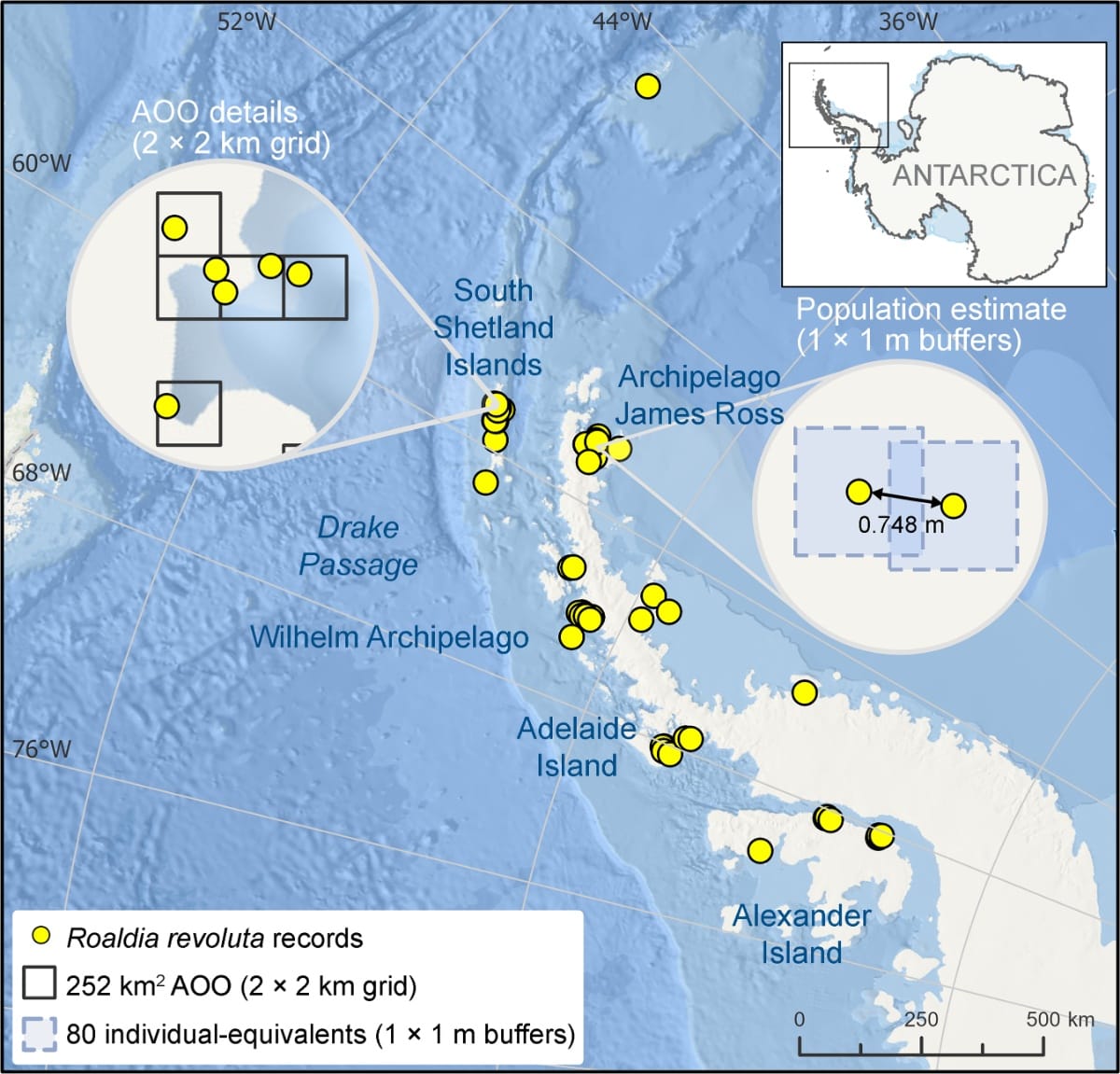
The main threats identified are linked to climate change, increased human presence and invasive species. Antarctica is among the fastest-warming regions on the planet, and changes in temperature, water availability and the spread of non-native species may profoundly alter the habitats occupied by Roaldia revoluta. At the same time, many populations occur in areas subject to intense scientific and tourist activity, especially on King George Island, where research stations, airfields and frequent visits increase the risk of local disturbance.
Another concern is that the species was not recorded in any Antarctic Specially Protected Area, revealing an important gap in the continent’s current conservation strategies.
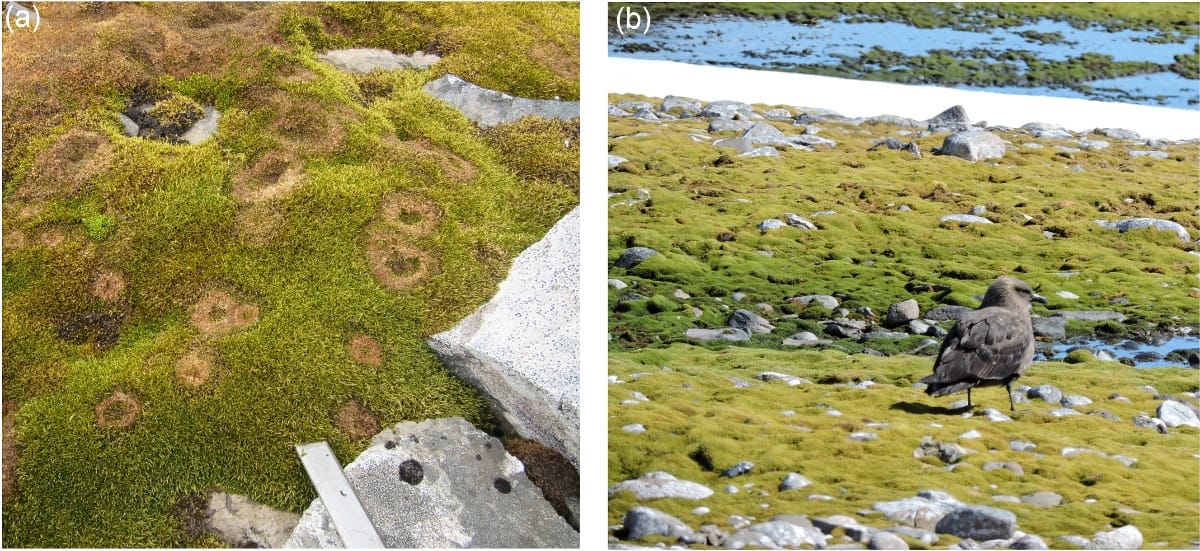
Beyond the conservation implications, the study also offers a relevant methodological contribution. Estimating the number of individuals in bryophytes is notoriously difficult, since a single moss mat may contain numerous branches potentially equivalent to independent individuals. To address this problem, the authors proposed a standardised approach based on the area occupied by colonies, providing a tool that may help future risk assessments for mosses and other bryophytes.
More than assessing a single species, the work highlights how little we still know about Antarctic flora. If one of the species that make up the continent’s terrestrial vegetation already meets the IUCN threat criteria, other bryophytes may be facing similar risks without enough data for anyone to recognise the danger. Antarctica’s mosses may not have the public profile of penguins or seals, but they form much of the continent’s living green skin. This study suggests that protecting them can no longer wait until they are better known.
READ THE ARTICLE:
Amorim ET, Neves BLE, Crispim Ferreira G, Convey P, Câmara PEAS. 2026. First extinction risk assessment of a bryophyte species in Antarctica. Oryx: 1-10. https://doi.org/10.1017/s0030605325102135
Portuguese translation by Pablo O. Santos
Cover picture by Des Callaghan (Wikimedia Commons, CC0 1.0).