
Flowers are not just colourful by accident: their colours, spots and patterns are often tuned to match the way their main pollinators see the world. To a hoverfly or bee, a flower can act like a signpost, advertising nectar or pollen and guiding the visitor to the right place. For the plant, that guidance increases the chance that pollen will be carried from one flower to another.
Some flowers go a step further by changing colour during anthesis, the period when a flower is open and functioning. In many species, young flowers begin with colours that attract pollinators, then shift to colours that are less appealing once the flower is older or has already been pollinated. This strategy is thought to stop insects wasting time on flowers that no longer need visits, while keeping those flowers visible as part of a larger display — a useful trick if a plant needs to look conspicuous from a distance but guide insects more precisely once they arrive.
Botanists have known about floral colour change for a long time, but most examples involve petals or sepals, the outer parts of the flower that usually attract most of the pollinator’s attention. Far less attention has been given to the smaller reproductive parts, at least until now.
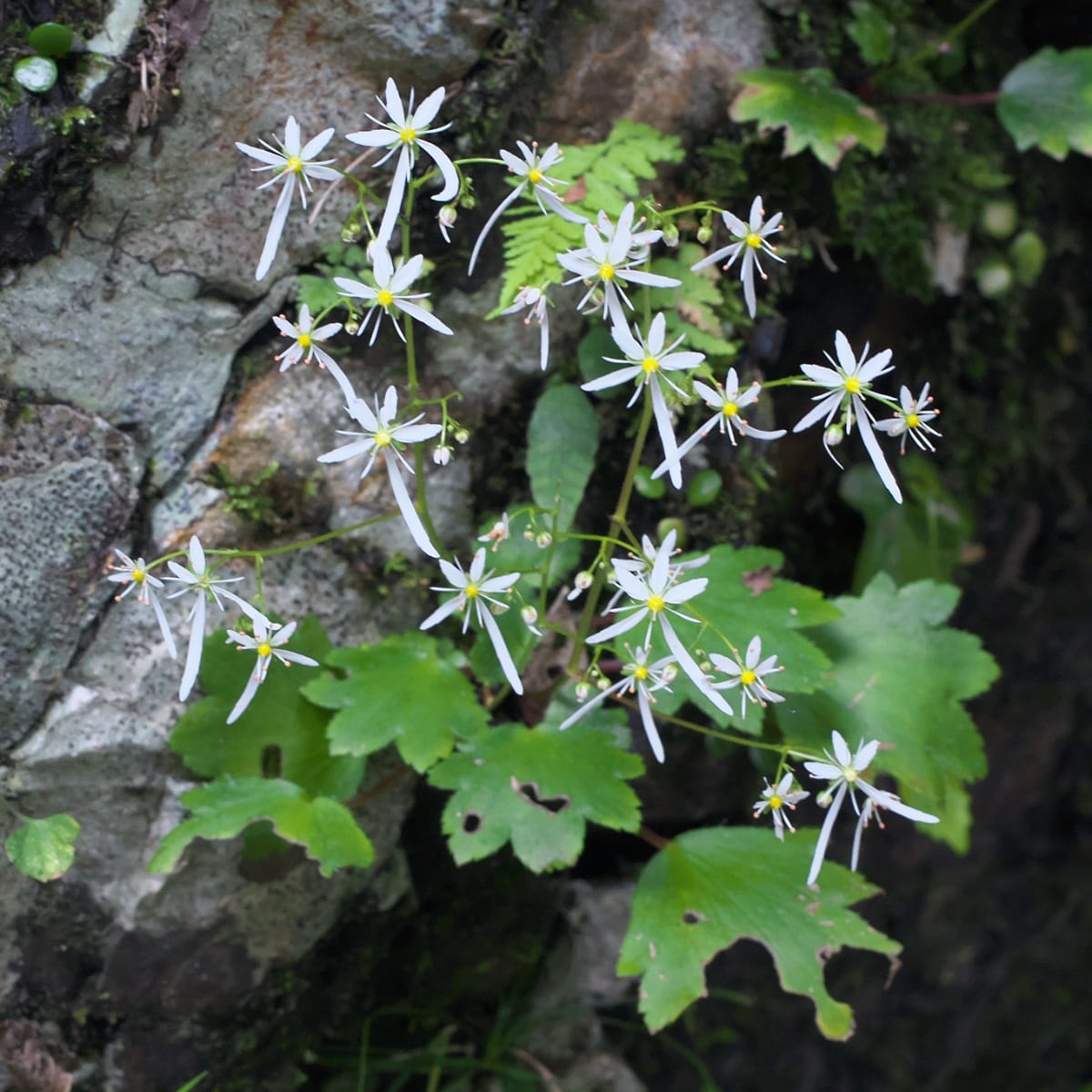
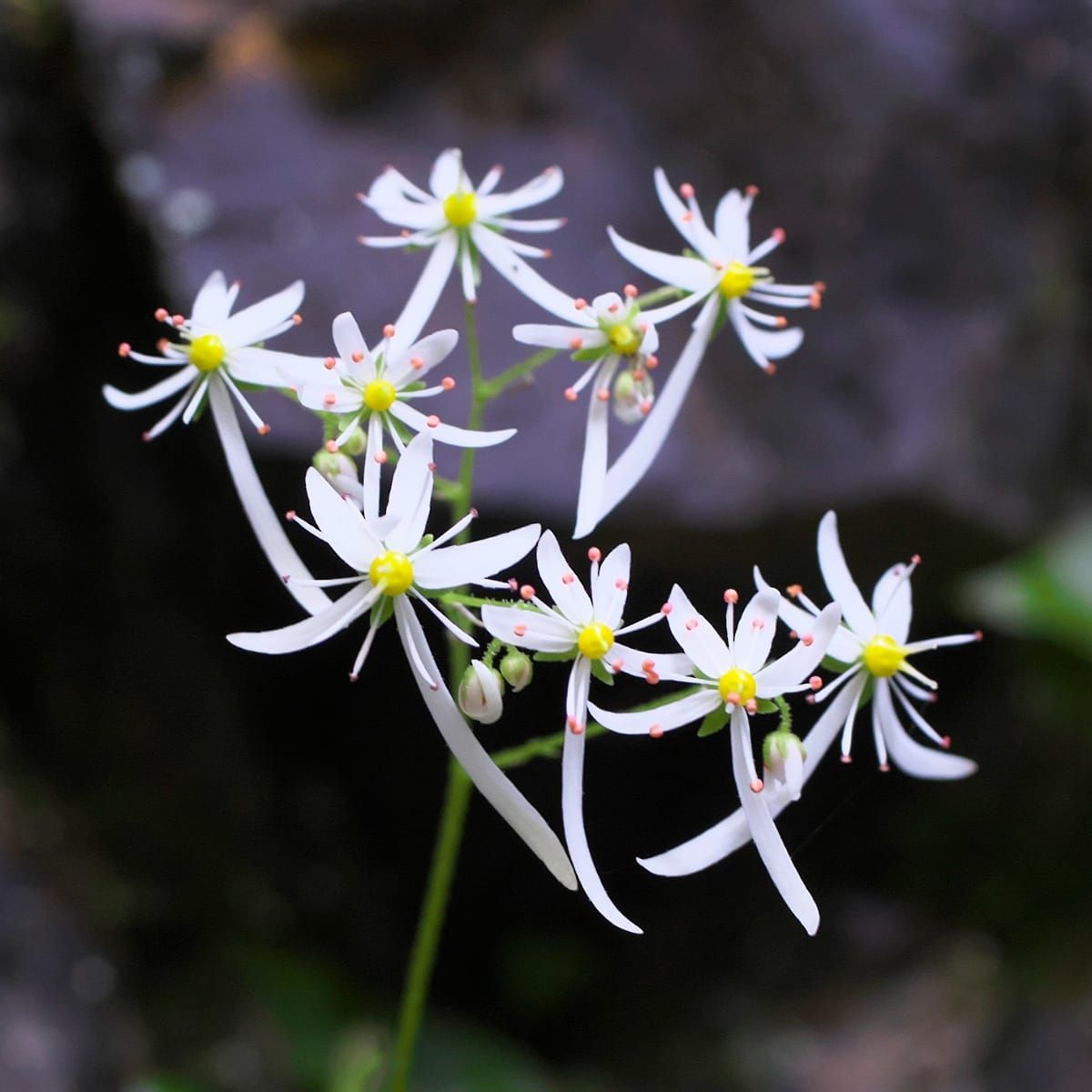
In a recent study published in Plants, People, Planet, Kazuma Takizawa and colleagues have shown that in Saxifraga fortunei flowers, the colour-changing signal comes from an unexpected place: the pistil, which is the central female part of the flower. After successful pollination, this tiny structure often shifts from yellow to red. This change is particularly interesting because hoverflies and honeybees are among the plant’s most common visitors, and hoverflies are often drawn to yellow but less sensitive to red. The team therefore asked whether the pistil itself might be helping guide insects towards some flowers and steering them away from others.
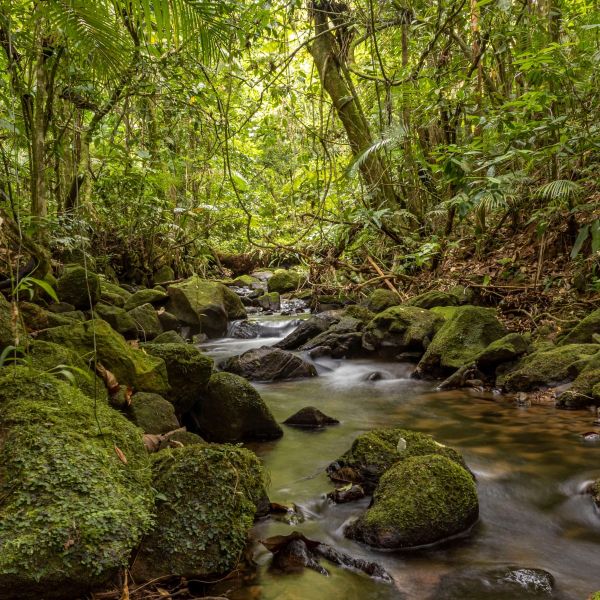
To test this idea, Takizawa and colleagues combined close watching in the field with controlled experiments in cultivation. The fieldwork focused on a natural population of Saxifraga fortunei growing beside a stream in the Tanjō Mountains near Kobe, Japan. Around 1000 plants flower there each year, giving the researchers a living display of flowers at different stages.
First, the team followed flowers from opening to early fruit development, recording how their colours changed over time. They also used ultraviolet photography to see parts of the flower as pollinators might see them. This matters because many insects can detect ultraviolet patterns that are invisible to humans.
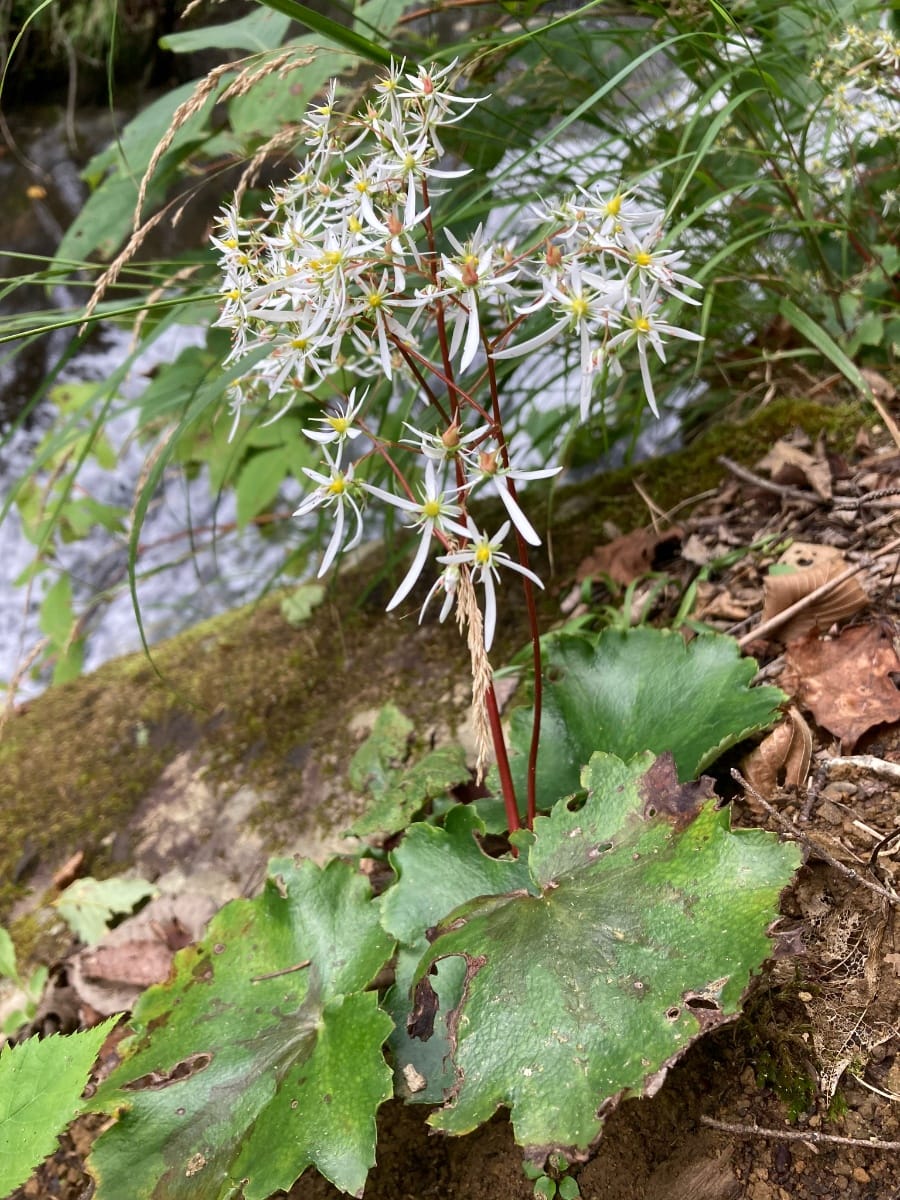
The next step was to ask whether red pistils really meant that pollination had already happened. Flowers with yellow and red pistils were collected from wild plants, then examined under a fluorescence microscope. This allowed them to look for pollen tubes, the tiny growths that carry sperm cells from pollen grains down through the pistil towards the ovules.
Field observations added the insect side of the story. Over three flowering seasons, the researchers watched and filmed insects visiting Saxifraga fortunei. They focused especially on hoverflies and honeybees, the most common visitors, and recorded whether they chose flowers with yellow or red pistils.
Finally, the team used hand-pollination and wounding experiments to test what might trigger the colour change. Some flowers received pollen from the same plant, some from another plant, some had their anthers removed, and others were gently damaged with a needle. This helped separate the effect of pollination from ageing or injury.
The results strengthened the traffic-light idea. When flowers of Saxifraga fortunei first opened, their pistils were yellow. They stayed yellow while the flower passed from its male phase, when it released pollen, into its female phase, when the stigma became ready to receive pollen. Only later did some pistils turn red. Under ultraviolet light, which many insects can see, the change was also clear: yellow pistils reflected ultraviolet light, while red pistils absorbed it.
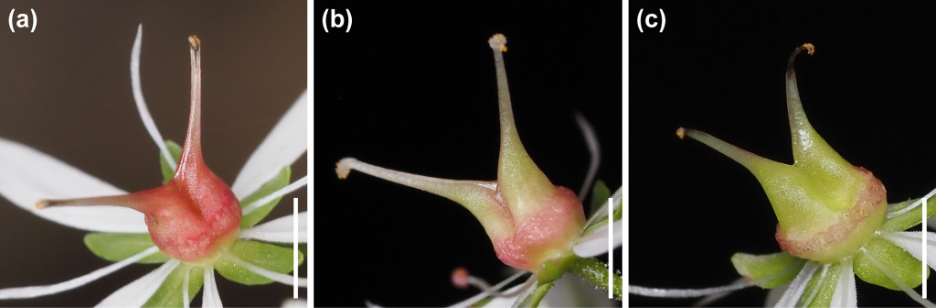
The microscope work showed why this mattered. Some yellow pistils had received pollen, but not always successfully. By contrast, every red pistil examined had pollen tubes reaching the ovules. In other words, red pistils were strongly linked with successful progress towards seed formation.
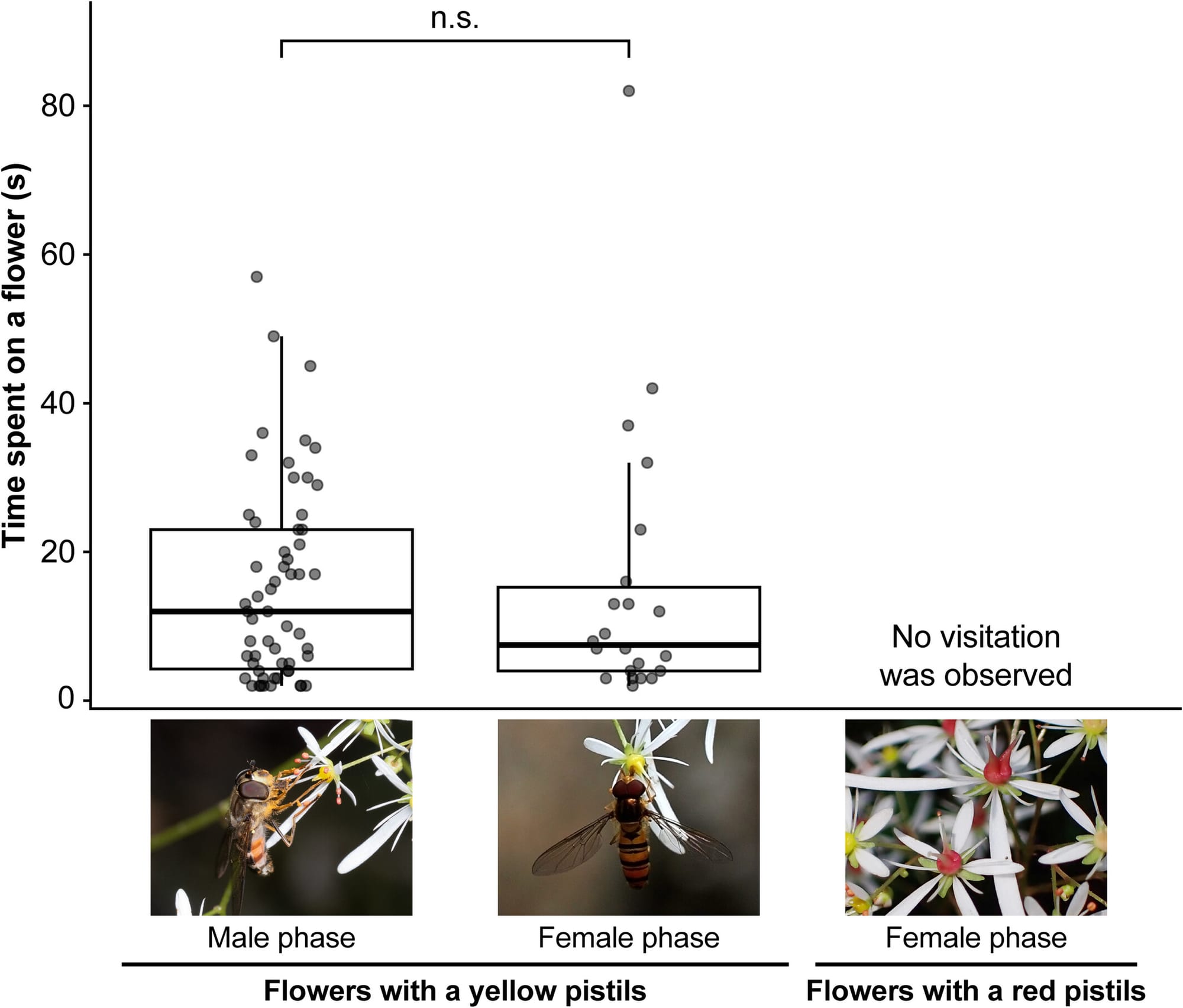
The insects behaved as though they noticed the difference. Hoverflies and honeybees were seen visiting flowers with yellow pistils, but not those with red pistils. Hoverflies made most of the recorded visits, while honeybees were less frequent, so the evidence is strongest for hoverflies. Even so, the pattern suggests that red pistils may help steer pollinators away from flowers that have already been pollinated.
The experiments backed this up. When flowers were hand-pollinated, most pistils reddened. When flowers were left unpollinated, had their anthers removed, or were gently wounded, reddening was rare and did not lead to fruit. This suggests that the colour change is mainly linked to pollination rather than simple ageing or damage. As a result, the colour shift could help insects focus on flowers that still need visits, while allowing already pollinated flowers to remain on display.
To see whether this was a one-off curiosity, the researchers also checked related species using field observations, scientific literature and online plant photographs. The result? They found yellow-to-red pistil changes in closely related plants, such as Saxifraga rufescens, Saxifraga serotina and Micranthes occidentalis. This hints that the same visual strategy may have appeared more widely than expected.
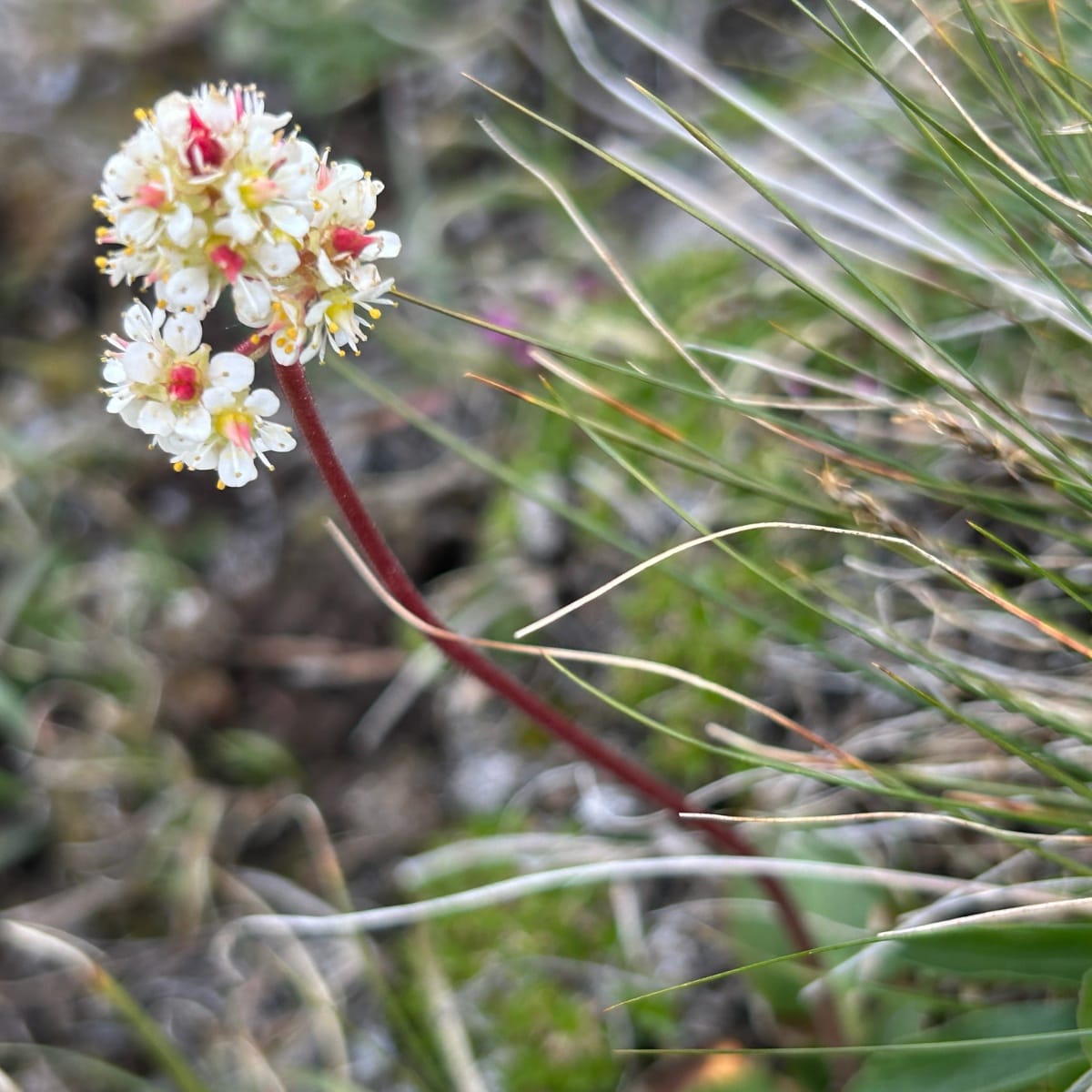
For Saxifraga fortunei, then, the pistil is more than a place where seeds begin to form. It is also a tiny signal board, showing pollinators which flowers are still worth visiting and which have already been served. By demonstrating that this message can come from the pistil rather than the petals, Takizawa and colleagues’ study widens the way we think about flower colour and plant–pollinator communication. It also raises a larger possibility: other plants may be using subtle signals that scientists have simply not looked for closely enough. Future studies of related species could reveal whether yellow-to-red pistils are a rare botanical trick or part of a broader, overlooked strategy for making pollination more efficient.
READ THE ARTICLE:
Takizawa K, Furukawa M, Suetsugu K. 2026. The pistil as a traffic light: Yellow‐to‐red color change likely influences pollinator visitation patterns in Saxifraga fortunei (Saxifragaceae). Plants, People, Planet. https://doi.org/10.1002/ppp3.70193
Portuguese translation by Victor H. D. Silva
Cover picture: Saxifraga fortunei by 空猫 (iNaturalist, CC BY-NC 4.0).