
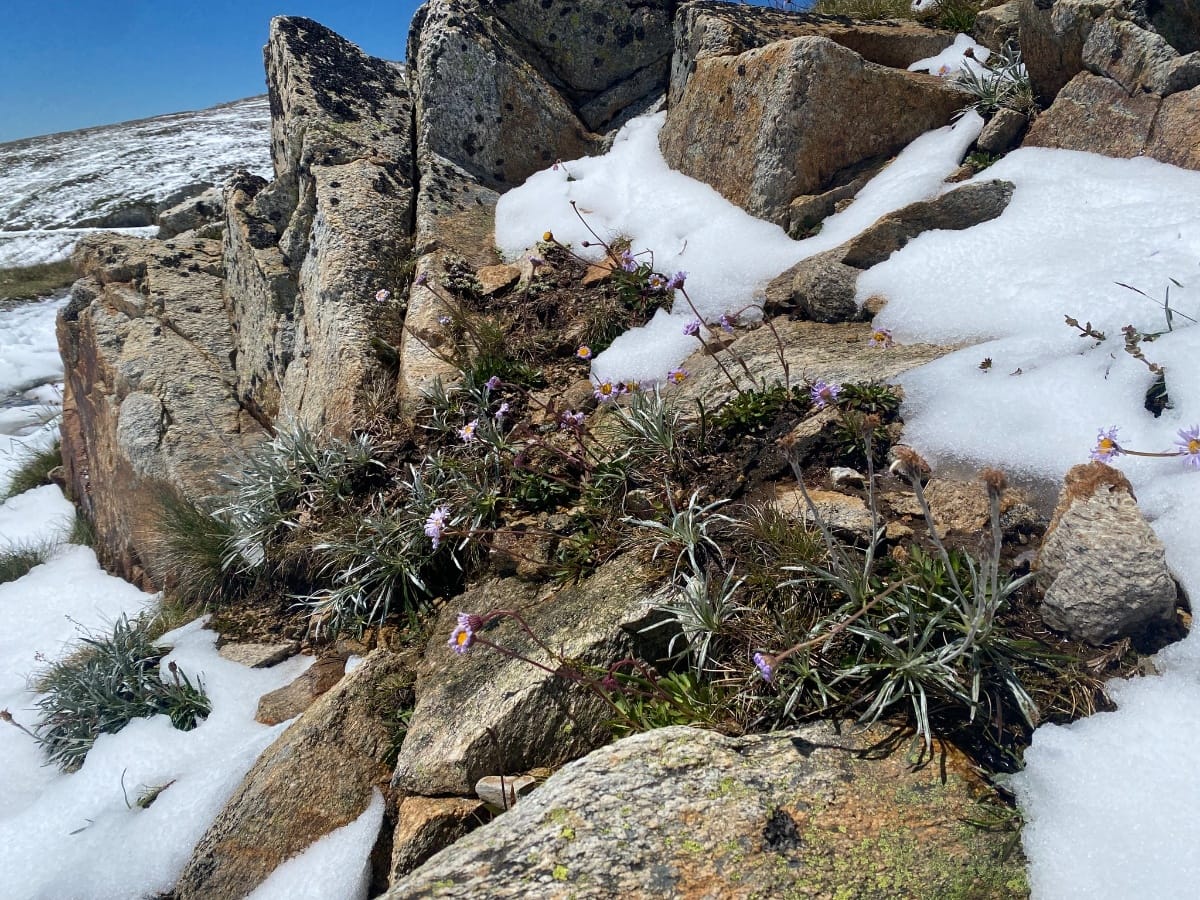
Mountain ecosystems are among the most challenging places on Earth for pollinator insects. Low temperatures can shorten how much they move around looking for food, increase the energy required for flight and limit which species can survive at high elevations. As a result, in these environments, even small thermal advantages can make a remarkable difference.
Previous studies have shown that flowers are far more than passive structures producing nectar and pollen. Their colour, scent and shape can all influence pollinator behaviour. Nowadays, researchers have discovered that some flowers can also create warm microclimates by absorbing sunlight and trapping heat. In cold environments, these floral hotspots may provide insects with a valuable source of warmth.
Insects seem to be able to detect these temperature differences: experiments have shown that bees and flies often prefer warmer flowers, particularly when the weather is cool. By visiting warmer blooms, they may reduce the energy needed to heat their bodies before flight, allowing them to remain active for longer and forage more efficiently.
Despite this, one important question remains unresolved. Most studies focused on a single plant species, laboratory experiments or artificially warmed flowers. Researchers knew that flowers could be warm and that insects sometimes preferred warmth, but they lacked evidence showing whether these effects could influence entire plant and pollinator communities under natural conditions.
To fulfil this gap, Joshua M. Coates and his team studied an entire community of mountain plants and their insect visitors in the Australian Alps. Using infrared thermography, a technique that detects heat without disturbing the organisms, they measured the temperatures of hundreds of flowers growing and their floral visitors across the alpine landscape.
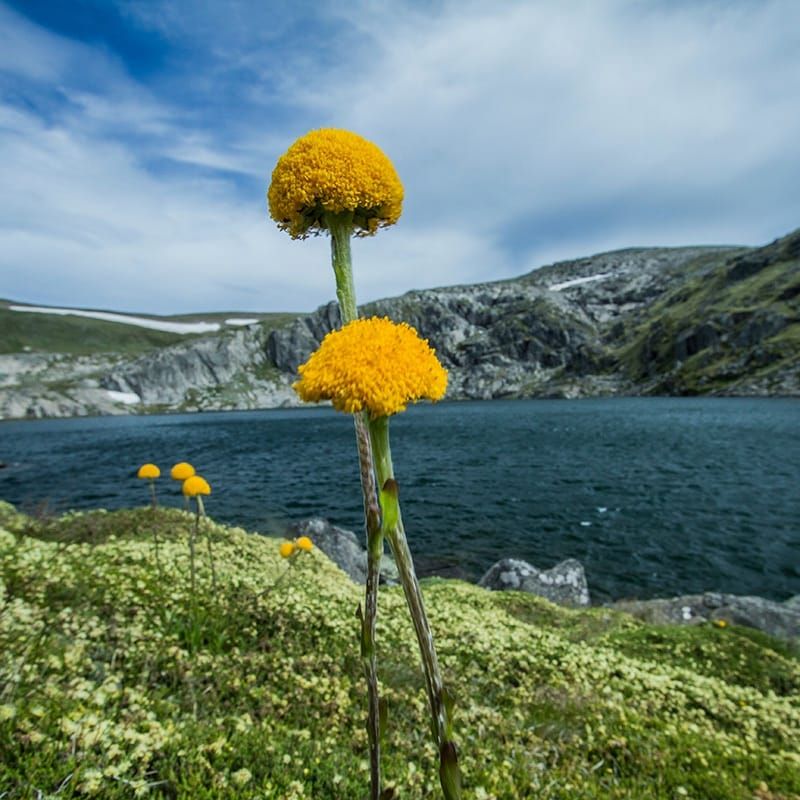
They found that most flowers were warmer than the surrounding air, with some species, such as Craspedia aurantia and Oxylobium ellipticum, reaching temperatures up to 10 °C higher than ambient. Dry and sunny conditions amplified this effect, turning some blossoms into miniature solar collectors.
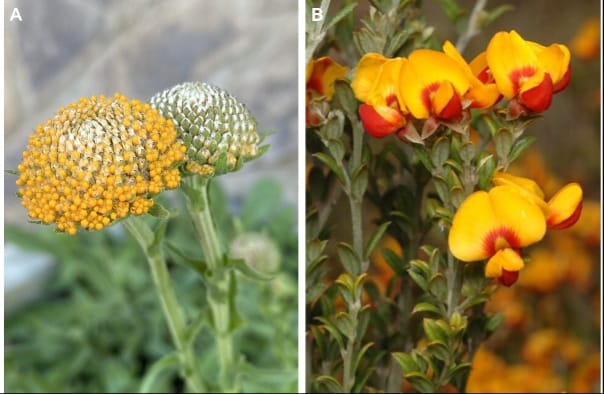
In a landscape where cold temperatures can restrict flight and feeding, these warm blooms appear to function as tiny thermal refuges. During cooler weather, flowers that warmed the most received significantly more insect visitors, particularly flies. Because flies are often among the few pollinators active under cold mountain conditions, access to warmer flowers may help them reduce the energy required to reach flight temperatures.
However, not all flowers were equally effective at trapping warmth. They found that this capacity varies with the floral shape. Rounded, cup-shaped and star-shaped flowers tended to heat up the most, while tubular and bell-shaped flowers remained only slightly warmer than the air around them.
The reason lies in simple physics. Cup-shaped and globular flowers often present surfaces directly to the sun, allowing them to capture and retain more solar energy while creating sheltered pockets of air that reduce heat loss. Tubular and bell-shaped flowers, by contrast, are less exposed to the sun and, therefore, less effective at collecting and retaining warmth.
These findings suggest that warmth itself can function as a floral reward, just like pollen and nectar. In other words, insects may choose certain flowers not only because of what they can eat, but also because those flowers help them remain active in challenging conditions. For plants, this can be a win too, since attracting more pollinators increases the chances of successful reproduction.
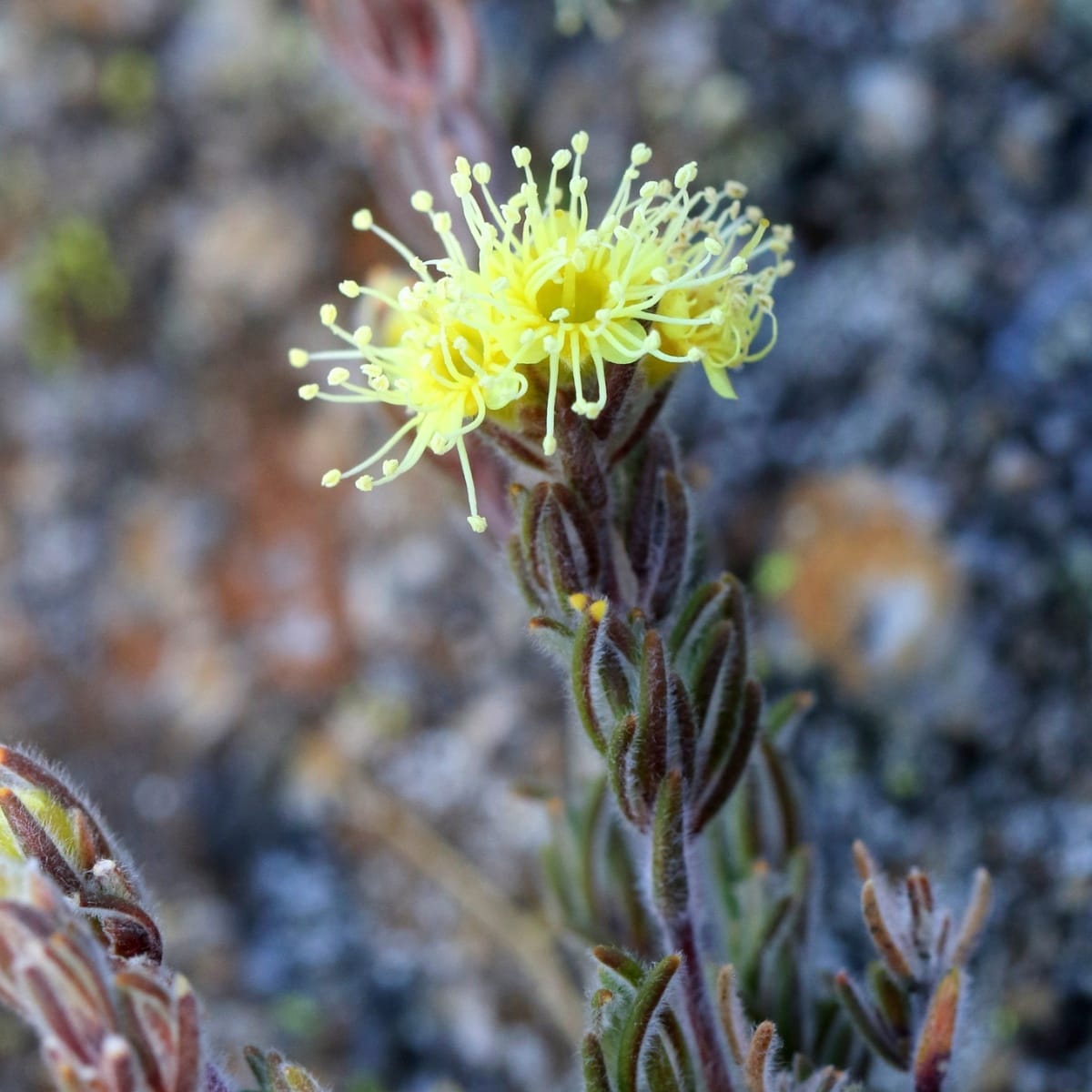
As climate change continues to alter weather temperatures and patterns in mountain regions, understanding these fine-scale thermal relationships becomes important. Changes in flowering communities could affect not only the availability of nectar and pollen but also the thermal refuges that insects rely upon.
Finally, this study reminds us that ecosystems are shaped by hidden interactions that often go unnoticed. Sometimes, the difference between an insect taking flight or remaining grounded may come down to the warmth of a single flower.
READ THE ARTICLE:
Coates JM, Evans MJ, Scheele BC, Cunningham SA. 2026. Hotspots on cold mountains: Hot flowers as pollinator refuges in mountain ecosystems. Functional Ecology 40: 1850-1861. https://doi.org/10.1111/1365-2435.70331
Portuguese translation by Victor H. D. Silva.
Cover picture: Craspedia aurantia in Kosciusko National Park Australia. Photo by Lizards View (iNaturalist, CC BY-NC 4.0).