
If you climb to the top of tropical mountains, you will come across a breathtaking landscape filled with stunning scenery bursting with plants, pollinators, and life! But also strong winds, scorching sun, and long months of drought. This unique and challenging environment is home to several plant species that live in the campos rupestres.
But how do plants manage to reproduce and thrive in such a harsh place? A group of researchers decided to investigate this question by closely monitoring 13 species of Vellozia. They belong to one of the oldest plant lineages in this ecosystem and are true survivors of tropical mountaintops.
Producing a large, colourful, and beautiful flower requires a lot of water and energy, valuable resources that are scarce in the mountains. To avoid wasting this effort, Vellozia species adopted a strategy of synchrony. Instead of opening isolated flowers throughout the year, most species bloom massively all at once. For two weeks during the rainy season, populations of these plants treat us to a true “sea” of white, lilac, and purple flowers among the rocks, attracting pollinators from afar.
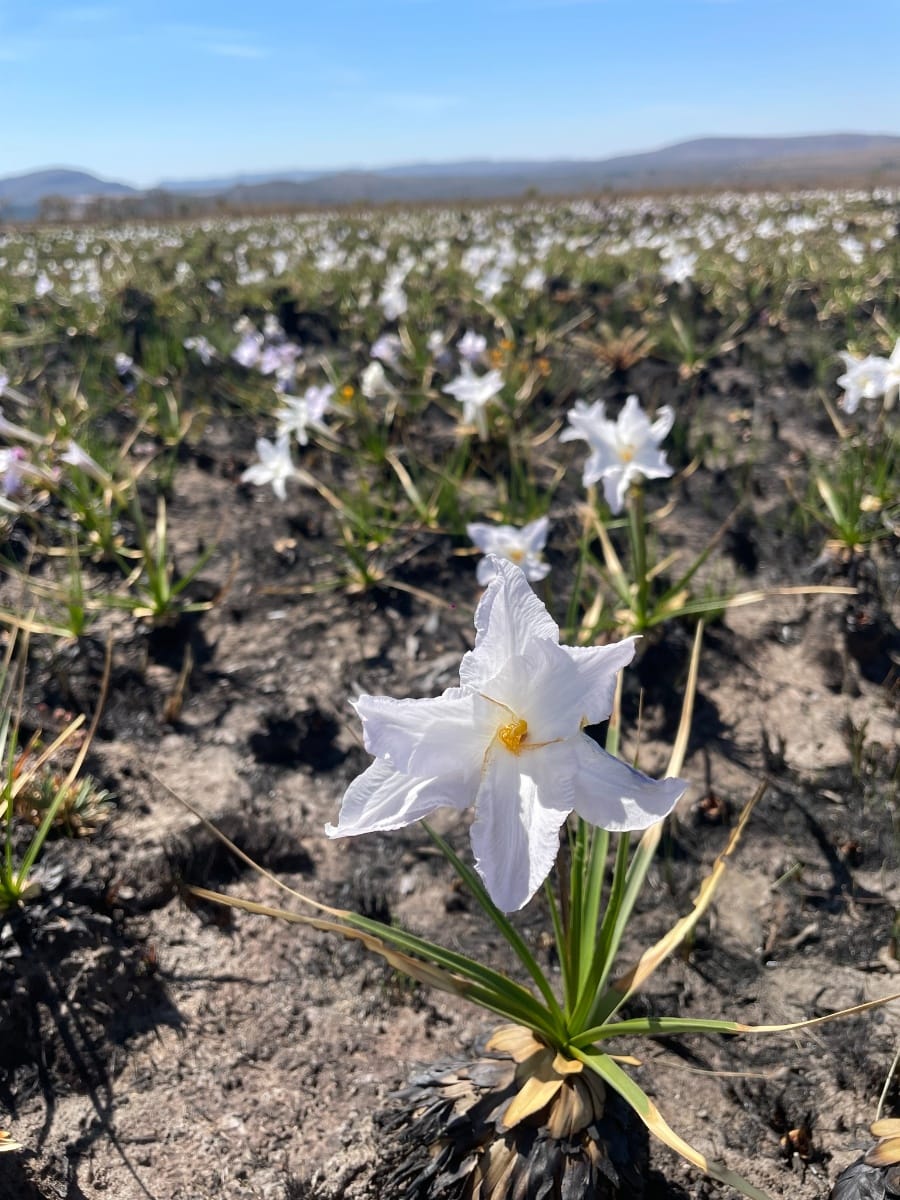
A Vellozia flower usually stays open for three to six days. However, scientists discovered that if the flower receives no visits from pollinators during this period, it extends its lifespan by an extra 24 hours to give reproduction one last chance.
For reproduction to produce strong and healthy seeds, the ideal scenario is for pollen from one plant to travel to the flower of another plant of the same species, a process known as cross-pollination. To prevent self-pollination, Vellozia flowers feature a clever strategy: the female part of the flower, the stigma, becomes ready and receptive before the male part, the anthers, starts releasing pollen. This strategy is known as “protogyny”. Additionally, the female structure is positioned well above the male structure, physically preventing its own pollen from falling onto itself; this physical distance is known as “herkogamy”.
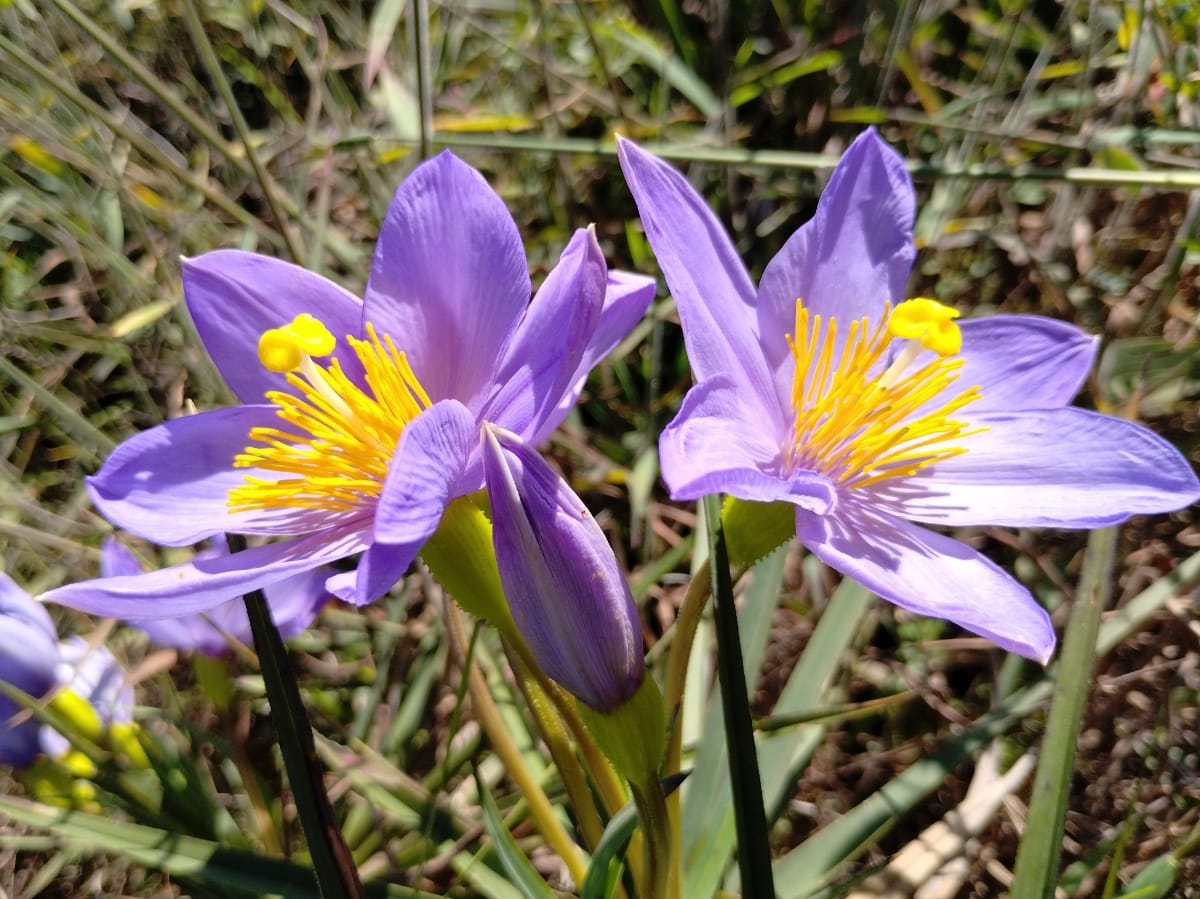
In biology, species that can produce fruit on their own, without the help of pollinators, are called self-compatible. Almost all Vellozia species have this capacity. However, the study revealed a crucial detail: although the plant can produce fruit on its own, seeds produced without a pollinator's visit simply failed to germinate, they are sterile.
This means that for new Vellozia individuals to keep sprouting among the rocks, the presence of pollinators is mandatory. The great heroes of this story are hummingbirds and native bees, which visit these flowers in search of pollen and guarantee viable, vigorous seeds.
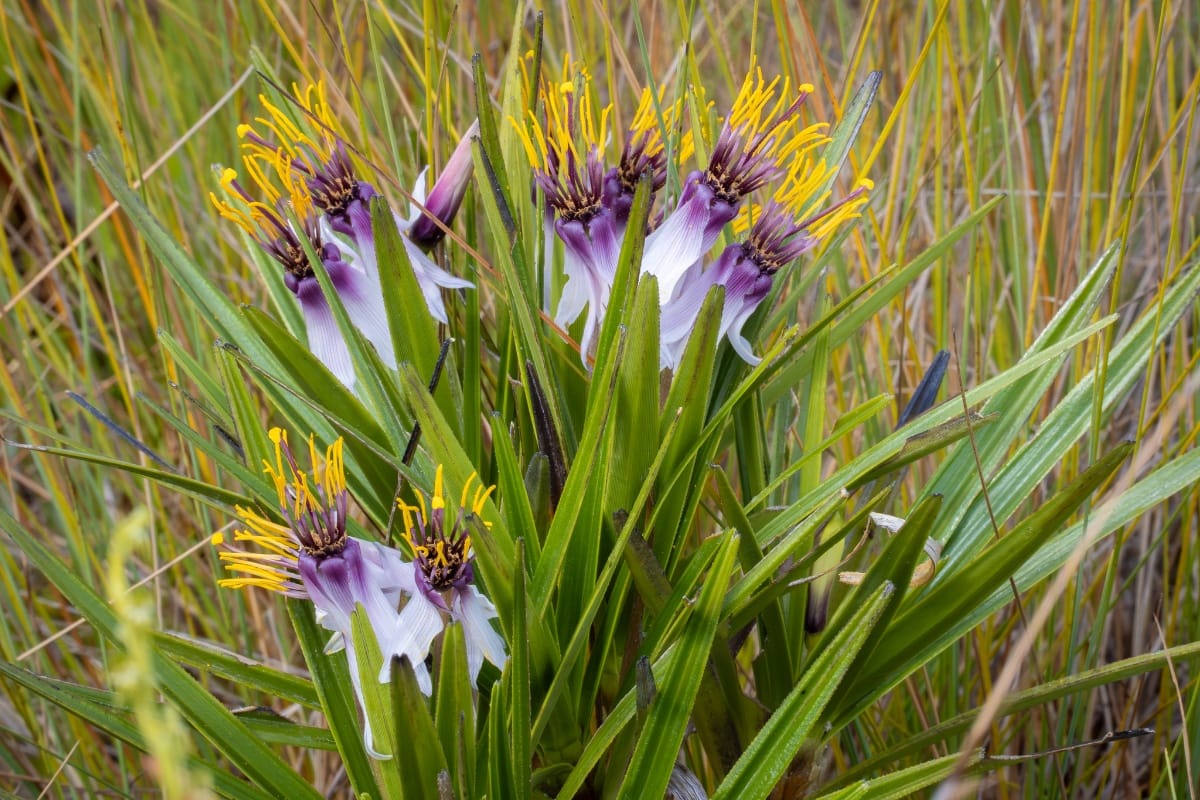
As if a tough life on the rocks were not enough, the campos rupestres frequently suffer from fires. But some Vellozia species have learned to use fire to their advantage. Two of the studied species, Vellozia alata and Vellozia caruncularis, bloomed spectacularly right after a fire passed through. Within a few weeks, amidst the ashes, they produced their colourful flowers. With no other plants around to compete with, they became the only visible, irresistible attraction for the pollinators left in the area, effectively claiming the title of "the main attraction in town".
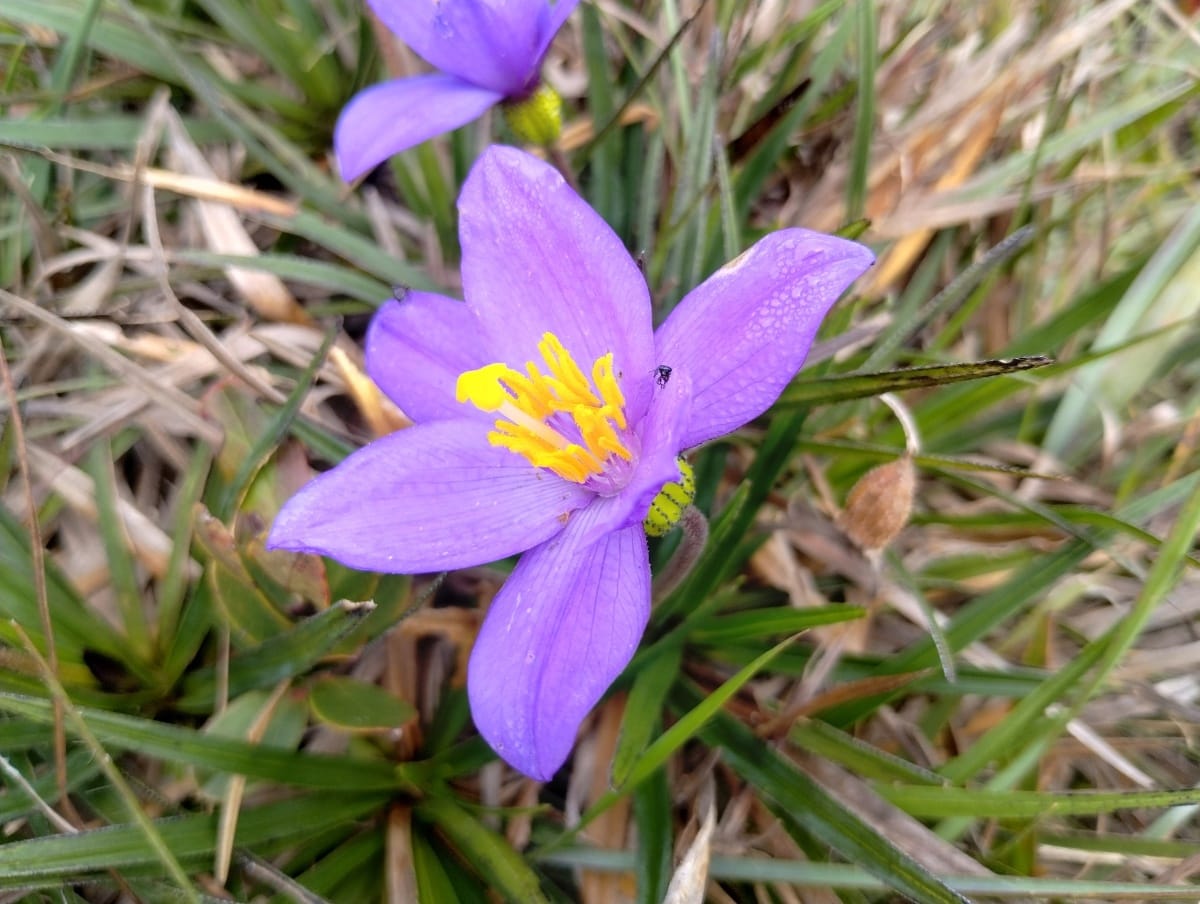
Vellozia species are iconic in these regions, and many are at risk of extinction due to habitat loss from mining, unregulated tourism, and agriculture. By revealing that these plants depend entirely on healthy pollinators to produce seeds that actually germinate, this study shows that protecting the flora of the campos rupestres also means protecting the animals that live alongside them. It is a web of survival that must not be broken.
READ THE ARTICLE:
Gélvez-Zúñiga I, Ashworth L, Santiago JC, et al.. 2026. Old lineage, new insights: phenology, pollination and reproductive traits of Vellozia species from cerrado savanna mountaintop grasslands. Annals of Botany. https://doi.org/10.1093/aob/mcag152
Portuguese translation by Andressa Luna.
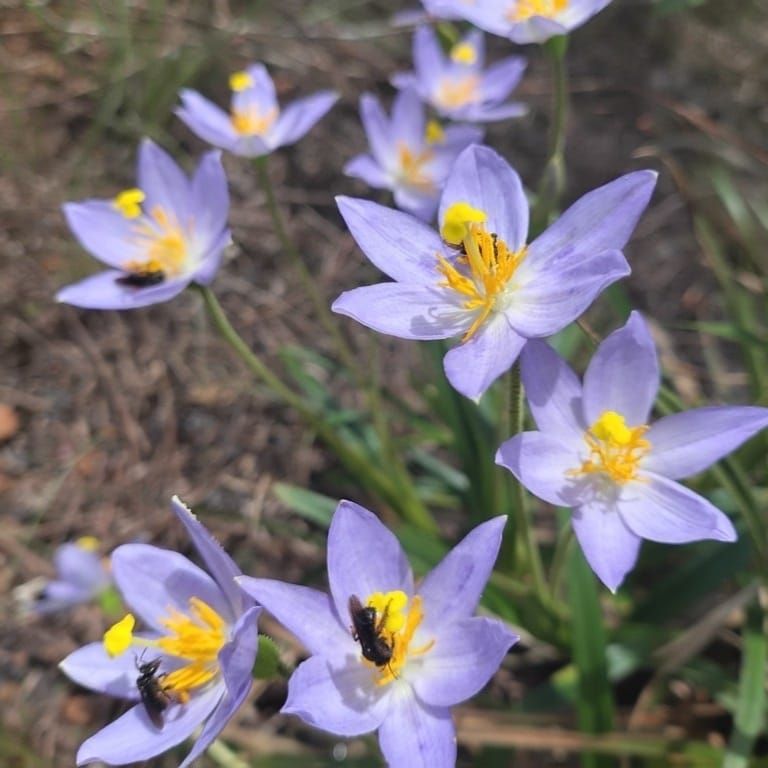
Cover Picture: Bees visiting Vellozia flowers in the campos rupestres. Photo by André Felipe de Souza Reis (iNaturalist, CC BY-NC 4.0)