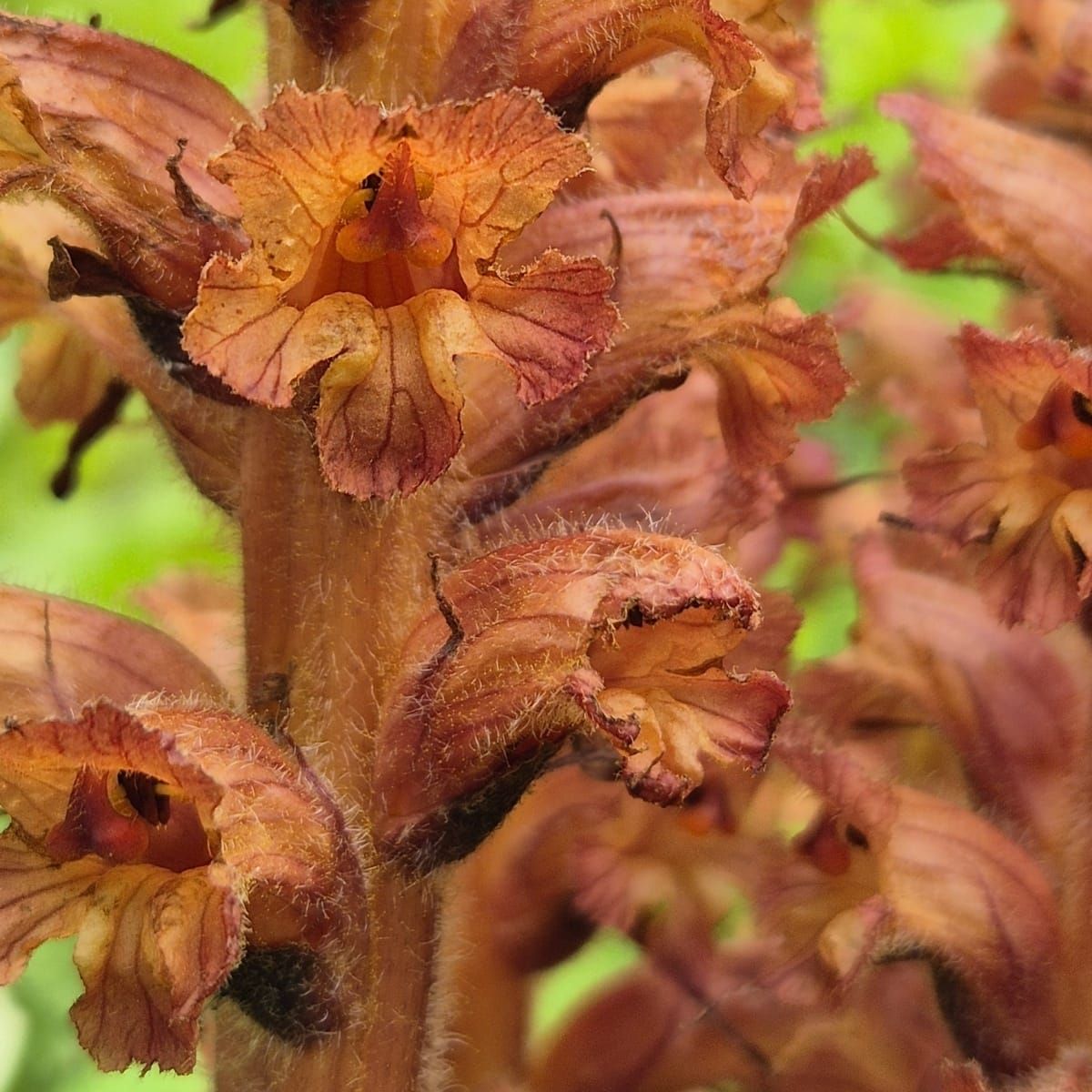

Broomrapes, plants in the genus Orobanche, live by attaching to the roots of other plants and drawing water and nutrients from them. The butterbur broomrape, Orobanche flava, is one of these root parasites. It grows mainly in central European mountain regions and attacks butterburs such as Petasites albus, Petasites kablikianus and Petasites paradoxus. Like other broomrapes, it spends much of its life hidden underground. Its tiny seeds germinate only when they detect chemical signals from a nearby host root.
Once attached, the parasite grows at the host’s expense, later emerging above ground to flower. But flowering brings a new challenge: like many plants, Orobanche flava needs the help of pollinators to reproduce. Previous studies had shown that broomrapes produce rich and species-specific floral scents, made from volatile organic compounds —small airborne chemicals that evaporate easily and can carry scent. These blends can help plants advertise nectar, guide pollinators, deter unwanted visitors or even mimic other odours.
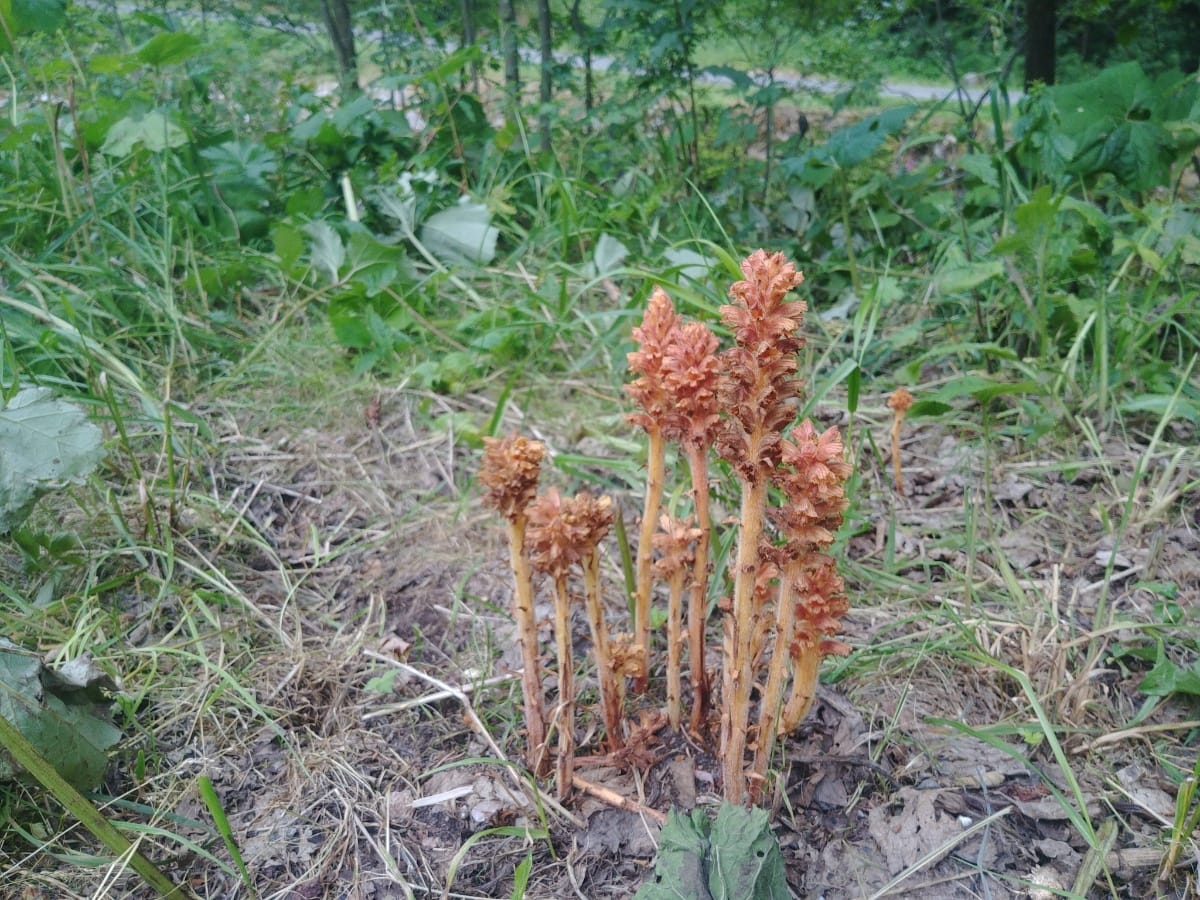
However, researchers still know little about what these scents do for broomrapes in natural ecosystems. Tóth and colleagues therefore asked whether differences in the floral scent of Orobanche flava are linked to differences in the insects visiting its flowers. To answer that, they first had to capture both sides of the conversation: the chemicals released by the flowers and the pollinators arriving to investigate them.
To do so, the researchers worked at 11 sites in Slovakia where Orobanche flava was growing naturally. The team then collected the scents released by the flowers. They cut two or three flowering shoots from each site, placed them in water, and sealed them inside glass jars. Clean air was passed into each jar, while outgoing air was drawn through a special cartridge that trapped the volatile organic compounds. Each scent collection lasted five hours, mostly between 10 a.m. and 3 p.m., when pollinator activity was likely to be high. The trapped chemicals were then analysed using gas chromatography–mass spectrometry, a technique that separates a complex chemical mixture and helps identify its individual components, rather like turning a perfume into a list of ingredients.
Finally, the team watched the flowers in the field. In 2009 and again in 2012, they observed each site for five hours during calm, sunny weather and recorded the insects that visited Orobanche flava.
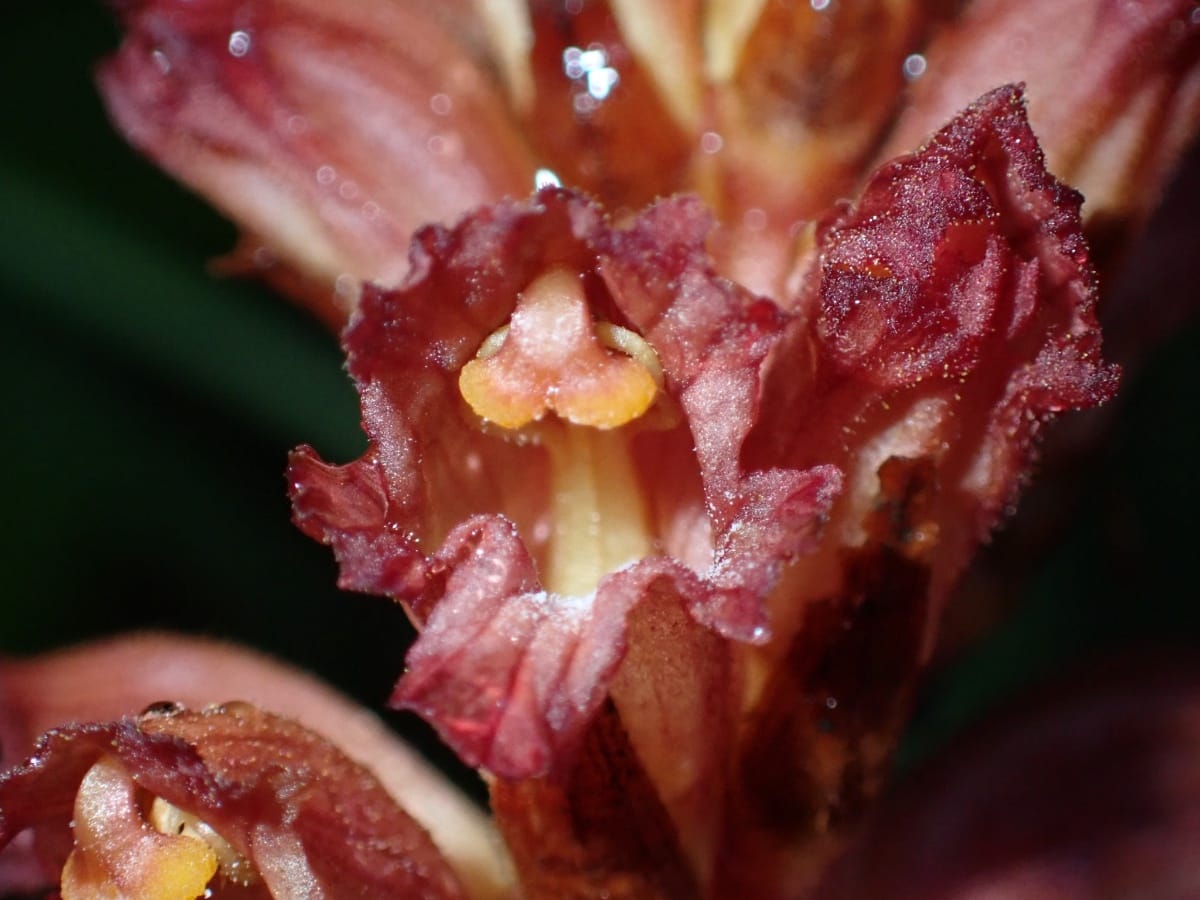
All these analyses led to a surprising result: the same parasitic plant species did not smell the same everywhere, nor did it attract the same insects. In other words, Orobanche flava was not sending the same scented message in every habitat. The team identified 135 volatile organic compounds released by Orobanche flava flowers. Several compounds, such as toluene, methyl 3-methylbutanoate, nonanal and tetracosane, appear to be part of a general broomrape scent signature, because they have also been found in other broomrapes. Still, plants from lowland and mountain sites released them in different proportions, suggesting that local environments may shape how this species finds its pollinators. Each population seemed to carry its own chemical postcode.
These scent differences matched changes in the insects visiting the flowers. In lower, sunnier mountain valleys, Orobanche flava was visited by several pollinators, including bumblebees, wasps and solitary bees. At higher sites, the usual visitors appeared to be less available, and hoverflies became more important. The flowers there produced higher levels of scent compounds such as pinene and myrcene, which are known to attract hoverflies. These shifts in scent were accompanied by changes in flower colour, suggesting that local forms of Orobanche flava may differ in several traits at once, not just in smell.
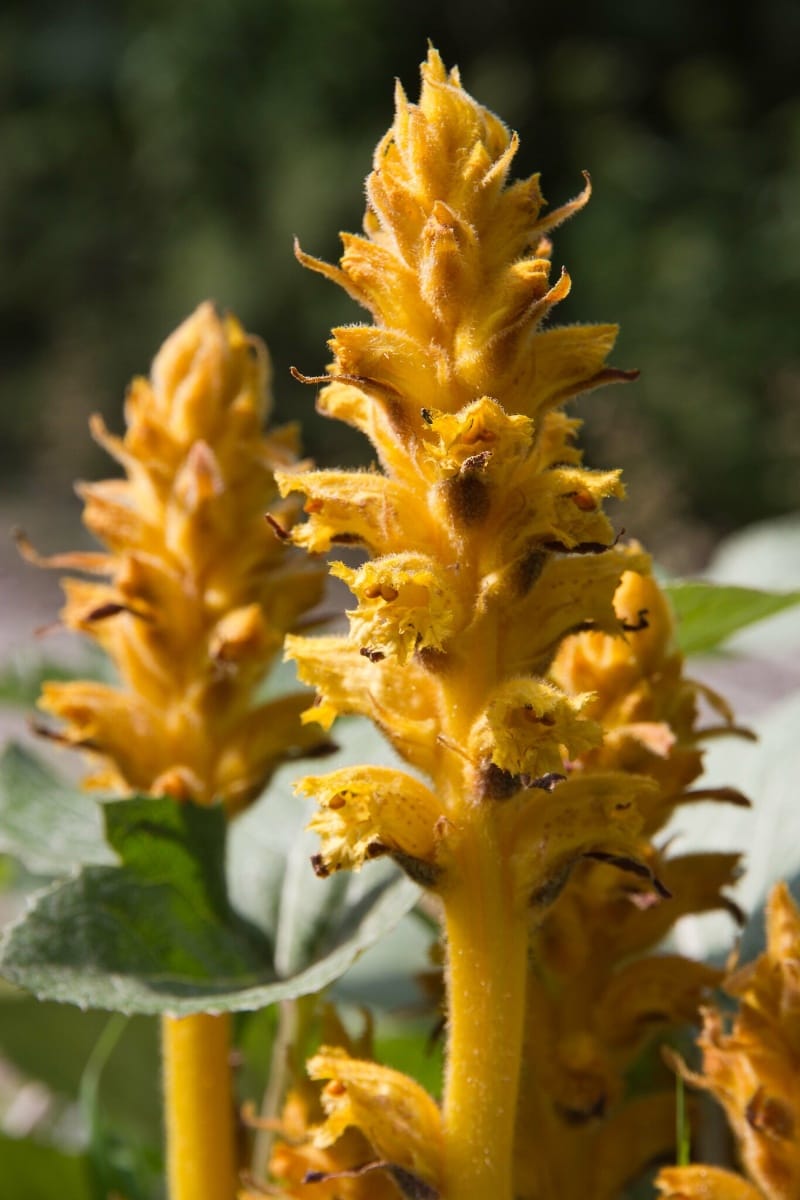
The wider message is that parasitic plants, even if they are anchored to other plants’ roots, are anything but inactive. Instead, Orobanche flava appears to maintain a fine-tuned, scented conversation with the insects it needs. Once it flowers, this parasitic plant must fit into the local community above ground, adjusting its chemical signals to the insects available nearby. That makes floral scent an important part of how plants respond to different habitats, pollinator communities and ecological pressures. For future research, the study points towards a richer view of parasitic plants: not only as species that take from their hosts, but as active participants in complex networks of scent, insects and environment. Even a plant that spends much of its life hidden underground must still speak the right language when it meets the world above.
READ THE ARTICLE:
Tóth P, Huizinga S, Bouwmeester H. 2026. The pollination syndrome of parasitic plants depends on the environment. Plant and Cell Physiology 67: 648-658. https://doi.org/10.1093/pcp/pcag023
Portuguese translation by Victor H. D. Silva.
Cover picture by kalina_hable (iNaturalist, CC BY-NC 4.0).