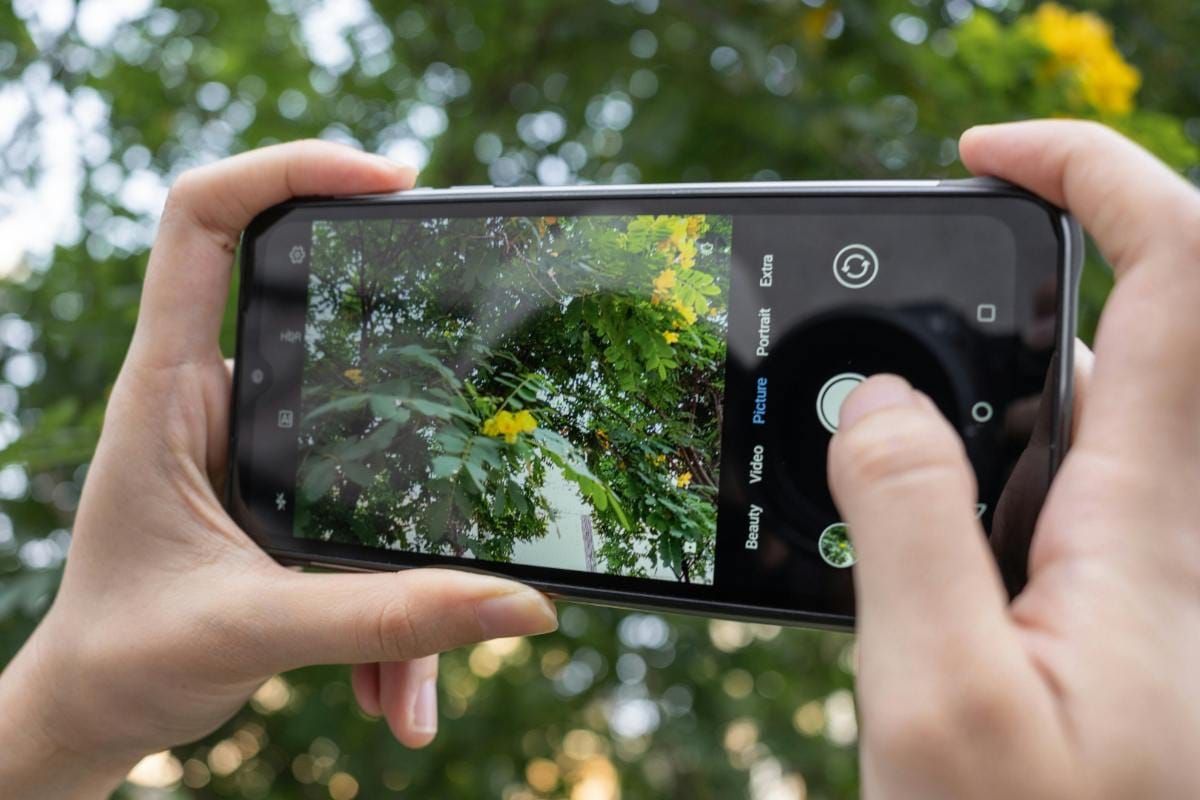

Every time someone photographs a wildflower in an urban park or a berry-laden shrub at the edge of a trail, they are doing more than recording a moment of curiosity. For most iNaturalist users, that photograph may simply be a personal record, a weekend discovery, or a way to identify the plant in front of them. Yet, that digital file can also become raw material for science. With the help of a computer vision tool called PhenoVision, community photographs can be turned into a vast database for tracking how plants respond to environmental change.
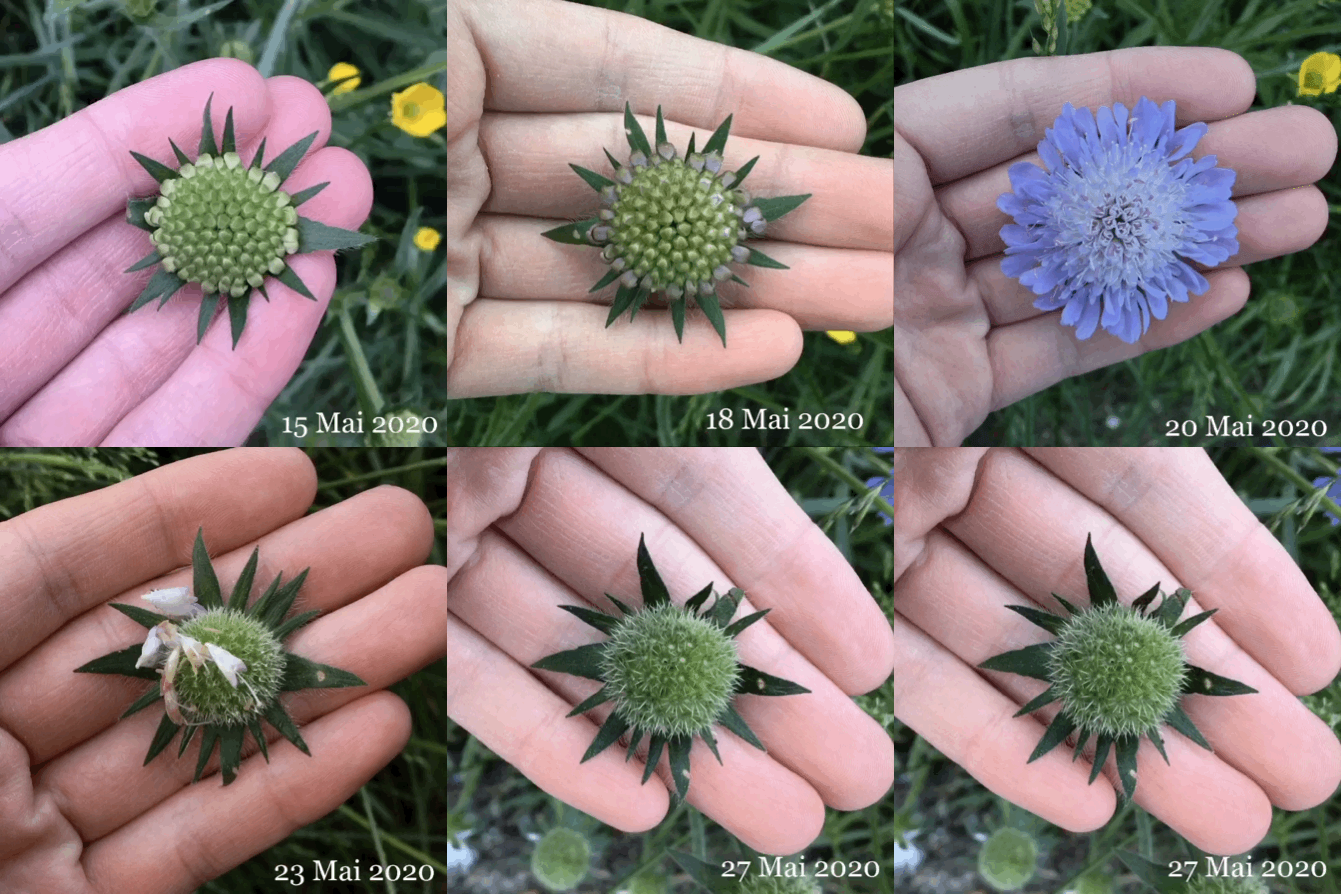
Plants have their own biological clocks, and phenology, the timing of life-cycle events such as leaf bud burst, leaf-out, flowering and fruiting, is one of the clearest signs of how ecosystems respond to changing conditions. If plants flower or fruit earlier than usual, they may fall out of step with pollinators, seed dispersers or other species that depend on them. These shifts can affect interactions among species and alter ecosystem structure and function. To detect and forecast such changes, scientists need detailed, high-quality phenology data from across the globe. However, historical phenology records are often sparse and geographically biased, limiting broader insights into how plant life is changing.
This is where community science data becomes vital. Platforms such as iNaturalist now receive millions of nature observations each month, creating an extraordinary record of where and when plants and other organisms are observed. Despite this massive influx, most of these images are not labelled with information about whether a plant is flowering or fruiting. Human annotation is far slower than the rate of new uploads, making manual review of tens of millions of field images unrealistic. To address this bottleneck, a team led by researchers Russell Dinnage, Daijiang Li, and Robert Guralnick developed PhenoVision. This computer vision model automates flower and fruit annotations from field images, representing a performant framework driven by strict research-grade needs.
To build PhenoVision, the researchers trained a computer model, based on a Vision Transformer, with 1.5 million iNaturalist images that people had already marked as showing flowers, fruits or neither. They also gave the model additional training with a large plant-identification dataset, helping it learn the visual cues that botanists and naturalists use when identifying plants.
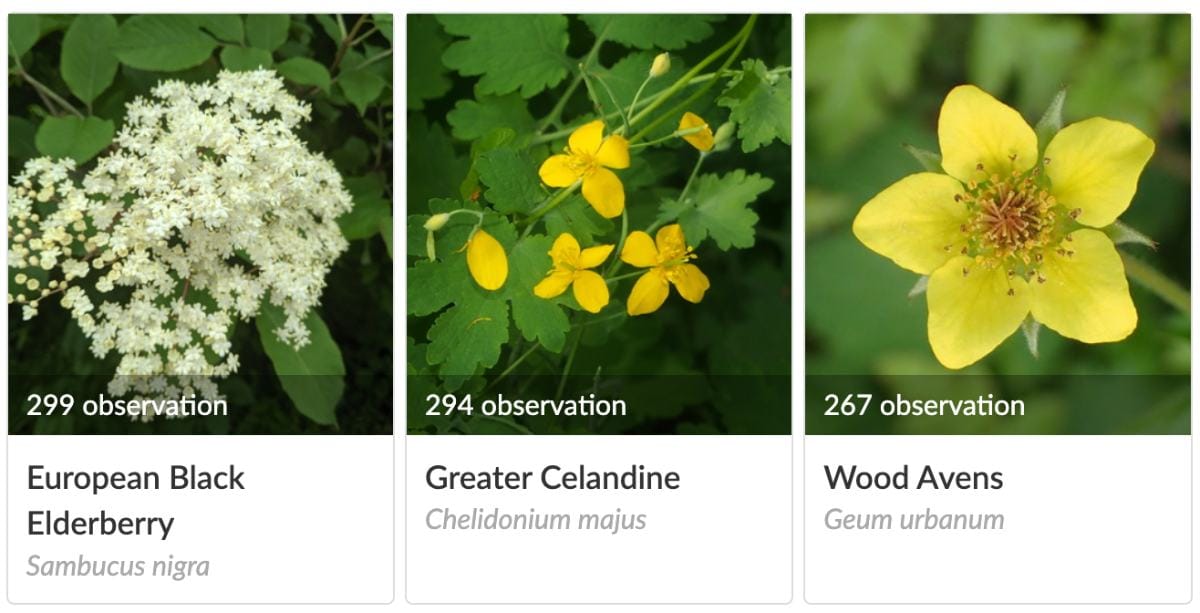
However, iNaturalist photos are not studio portraits. They can be blurry, distant, poorly lit, crowded with other plants, or taken from unusual angles. To deal with this, the researchers set strict cut-off points for when the program could confidently say that a flower or fruit was present, and when an image should be treated as ambiguous. After this quality-control step, PhenoVision performed very well on test images, correctly detecting flower presence with 98.5% accuracy and fruit presence with 95% accuracy.
Once the model outputs were calibrated, the researchers applied PhenoVision to more than 53 million unannotated plant images from iNaturalist. The result was a major new resource for digital botany: 30,199,391 standardised, research-ready phenology records, including over 25 million records for flowers and nearly 5 million for fruits. This greatly expands phenology data from places that have often been under-represented, especially in the Global South and away from major urban or coastal research centres. The project also broadens taxonomic coverage by generating automated plant phenology labels for 119,340 species, representing over a quarter of all known plants, across 10,406 genera and 408 families. across 10,406 genera and 408 families.
To make these data easier to use alongside other botanical records, the researchers mapped the resulting phenology information to the Plant Phenology Ontology and then introduced it into a web application called PhenoBase. This allows community science records to be combined more easily with physical specimen records from herbaria and with in situ monitoring data. Together, these sources can give scientists a wider view of when plants flower and fruit, and how those patterns are shifting across regions, species and ecosystems.
An early research paper is already showing what PhenoBase data can reveal. Using iNaturalist photos labelled for flowers and fruits, the authors compared plants in tropical cities with plants in nearby rural areas. They found that city plants tended to flower or fruit for longer, with less clear seasonal patterns. If cities are changing the usual flowering and fruiting calendar, that could affect pollinators, seed production, plant survival and the wider urban ecosystem.
For iNaturalist users, the project shows how community science can extend far beyond individual observations. A photograph taken during a walk, field trip or weekend outing can become part of a global effort to monitor biodiversity change. For researchers, PhenoVision provides open-source models, workflows and standardised quality metrics that can support large-scale phenology studies. For conservation, near-real-time phenology data can help detect unusual flowering seasons, track climate-related shifts, and identify regions where plant timing is changing fastest.
Digital botany is not about replacing the wonder of plants with algorithms or databases. Instead, frameworks like PhenoVision show how machine learning can amplify everyday human curiosity. The next time you photograph a flowering plant for iNaturalist, that image may do more than preserve a memory or help with an identification. It may become one small part of a global effort to understand how plant life is changing.
READ THE ARTICLES
Dinnage, R., Grady, E., Neal, N., Deck, J., Denny, E., Walls, R., Seltzer, C., Guralnick, R., & Li, D. (2025). PhenoVision: A framework for automating and delivering research-ready plant phenology data from field images. Methods in Ecology and Evolution, 16, 1763–1780. https://doi.org/10.1111/2041-210X.70081
Jha, R., Simha, A., Ita, R., Rao, R., Li, D., and Kandlikar, G. (2026) Urban Environments Reshape Reproductive Phenology in Plants Across the Tropics. . Available at: https://doi.org/10.64898/2026.01.28.702306.
Spanish and Portuguese translation by Erika Alejandra Chaves-Diaz.
Cover picture by Zoro (Canva).
Guest Writer Profile
Erika is a Colombian biologist and ecologist passionate about tropical forests, primates and science communication. She holds an MSc in Ecology and Wildlife Conservation and works with @cienciatropical to connect people with biodiversity.