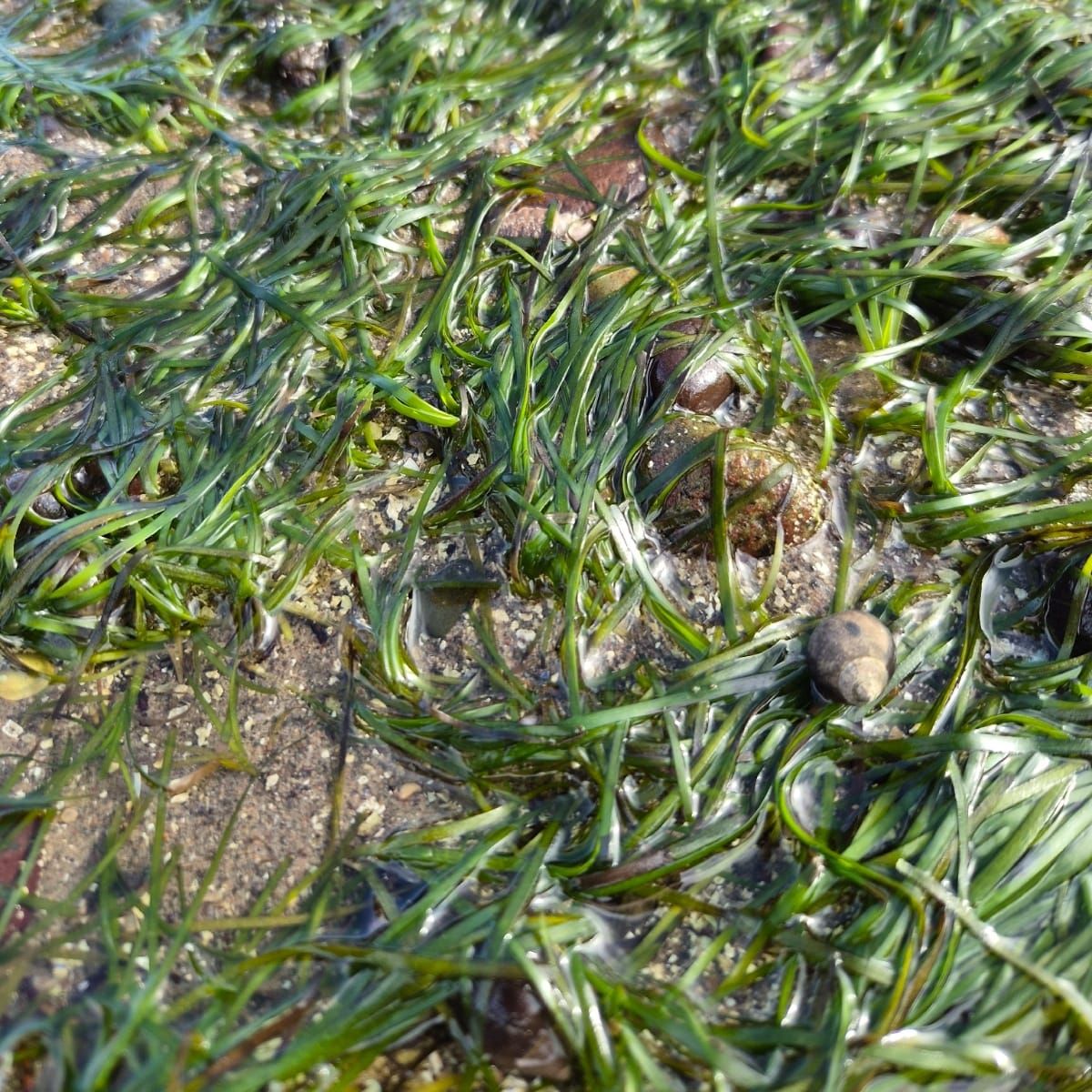

Seagrass meadows, dominated by species such as Zostera marina, commonly known as eelgrass, are highly productive ecosystems that are essential for coastal biodiversity and environmental regulation. However, these habitats are increasingly threatened by eutrophication, which is driven by excess nutrients flowing into the marine environment from agricultural runoff, sewage and wastewater discharges and increased deposition from the atmosphere.
These meadows are home to a variety of marine invertebrates, the epifauna, which serve vital ecological functions by facilitating nutrient recycling and providing food for fish and other predators.
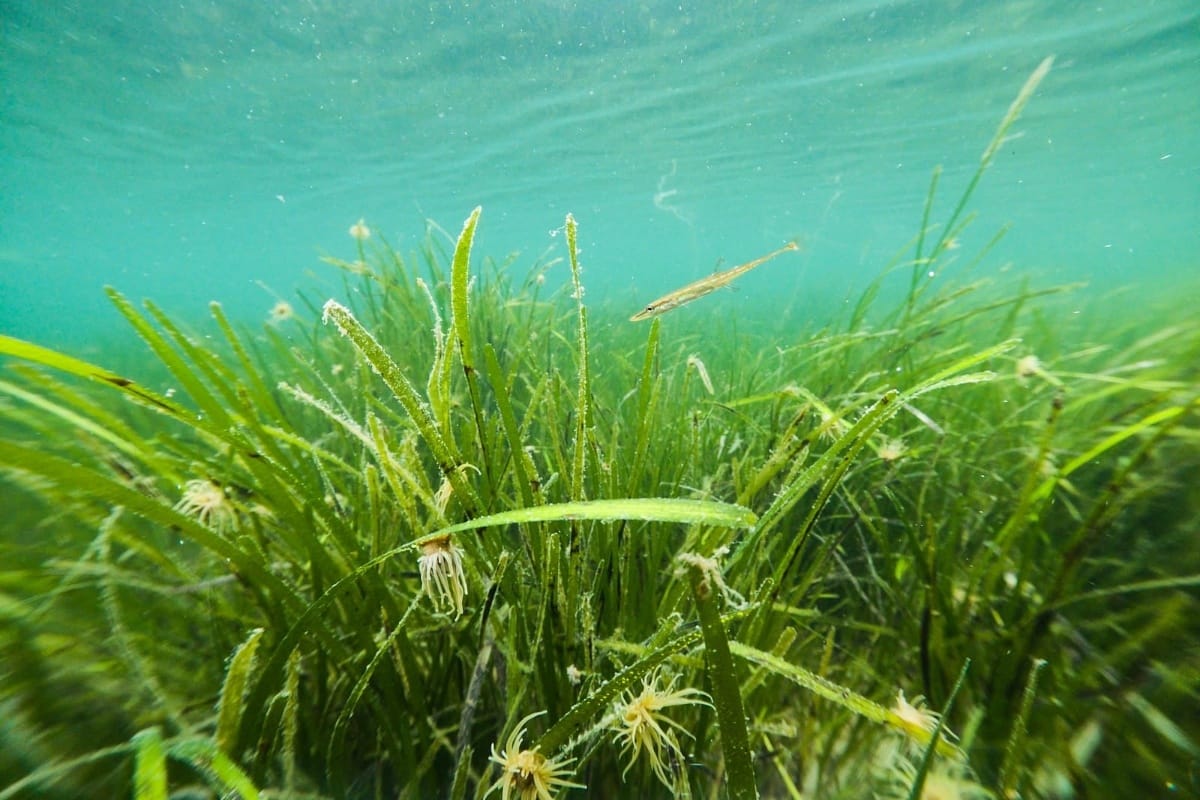
In an effort to clarify how nutrient enrichment affects the epifauna, Manning Hope and colleagues sampled of seagrasses and their epifauna at 16 sites across the British Isles, including estuaries, lagoons, coastal areas, and islands.
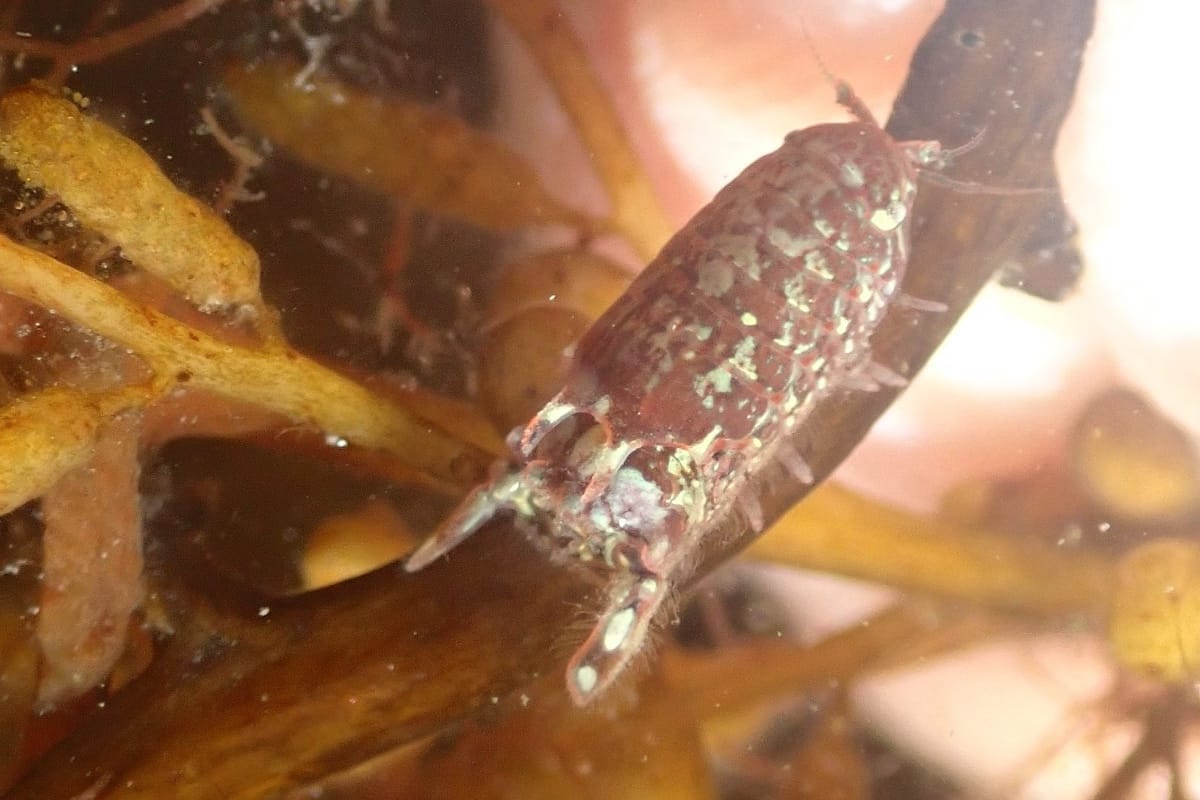
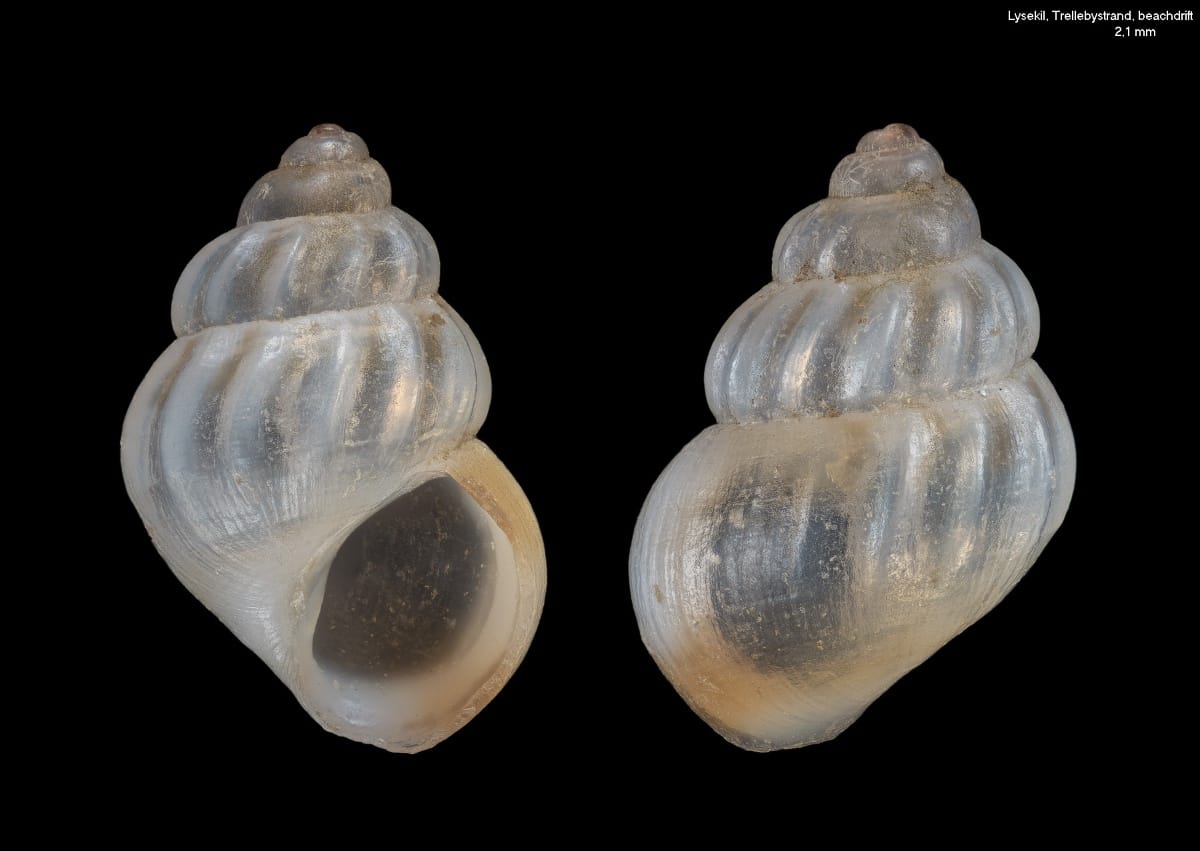
The team identified a total of 50 distinct species of invertebrates. Among them, the gastropod Pusillina sarsii stood out as the only species present in all types of environments sampled. The island ecosystems recorded the highest abundance and species richness, with a strong presence of the horned isopod (Dynamene bidentata) and the amphipod Apherusa cirrus, while coastal zones had the lowest abundance and lagoons had the lowest species richness.
Surprisingly, the morphological traits of eelgrass leaves, such as width, length, or dry biomass, showed minimal direct influence on the abundance and richness of invertebrates. This led the study’s authors to conclude that the physical complexity of the habitat, by itself, is not the determining factor in the structure of these communities.
On the other hand, nutrient availability proved to be a decisive factor. Overall, higher nutrient concentrations in leaf tissues were associated with a marked reduction in the abundance and richness of epifauna per unit of leaf area, with a reduction of about 90% in abundance observed for each unit increase in nitrogen.
The effects of nutrients proved to be strongly dependent on the environmental context. In coastal zones and lagoons, increased nitrogen resulted in marked losses of biodiversity, whereas in estuaries and islands, moderate enrichment was associated with an increase in species richness. Phosphorus, in turn, had a strongly negative effect on species richness in lagoons, which are more vulnerable ecosystems due to lower water turnover.
These findings demonstrate that protecting seagrass meadows requires targets that are more specifically tailored to individual environments rather than general targets for an entire region. Effective conservation and restoration of Zostera marina require nutrient reduction strategies adapted to each site, integrating the hydrodynamic conditions and ecological status of each ecosystem.
READ THE ARTICLE:
Hope, M.; Jones, B.L.H.; Unsworth, R.K.F. 2026. Increasing nutrients negatively impact seagrass-associated biodiversity. Global Ecology and Conservation 67. https://doi.org/10.1016/j.gecco.2026.e04164
Portuguese translation by Giovana O. Reis
Cover Picture by cathseeds (iNaturalist, CC BY-NC 4.0).