
Imagine standing in a wide-open field on a sunny day. A refreshing breeze brushes against your face, and all around you, breathtaking mountains reveal a sea of yellow, red, pink, and white flowers. A beautiful scenery, isn't it? But have you ever stopped to think why a flower "chooses" to be yellow, pink, or red?
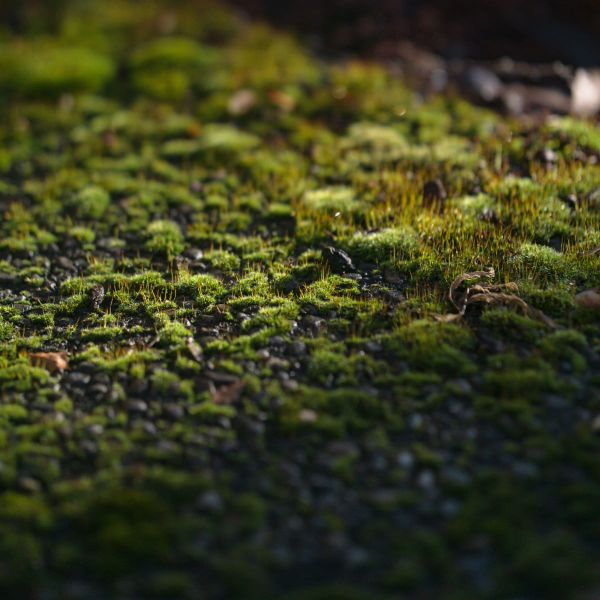
If you have ever hiked through Brazil's campos rupestres, those enchanting mountaintop landscapes that develop over shallow, sandy soils and are surrounded by rocky walls, then you have probably noticed the stunning amount of colourful flowers.
In nature, a flower's colour doesn't just happen by chance. It works like a large, glowing LED panel designed to attract highly important species: the pollinators. At the same time, these colours come from pigments that protect the plant against environmental challenges, such as the harsh sun and high-altitude cold.
But does the plant rule the colour palette — or something else? To understand what drives the colours of this ecosystem, either the animals or the climate, a study conducted by Brazilian and Spanish researchers investigated 179 plant species in Serra do Cipó (Minas Gerais, Southeastern Brazil), an ancient and hyperdiverse mountain ecosystem, along different altitudes ranging from 808 to over 1,400 meters high.
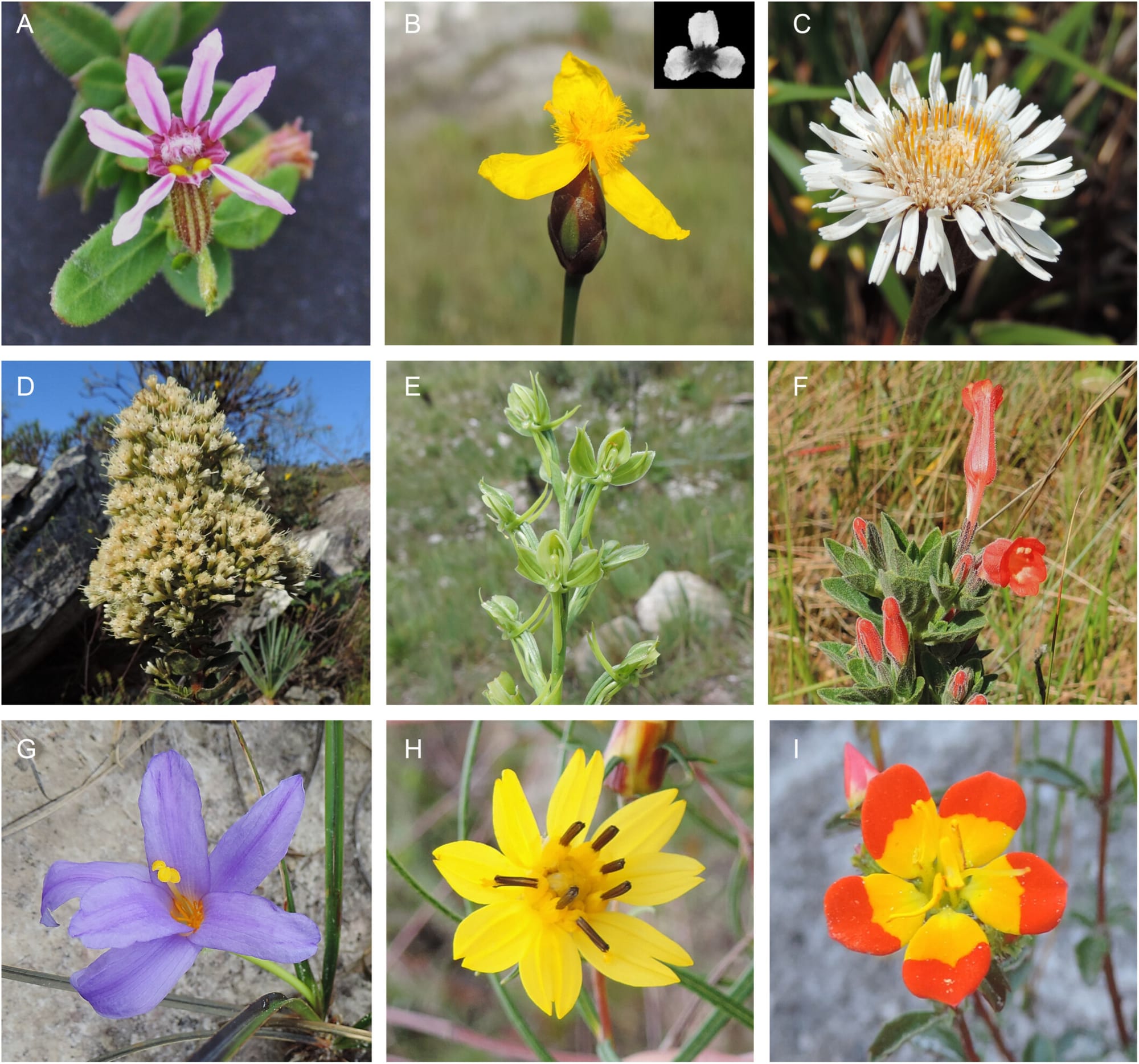
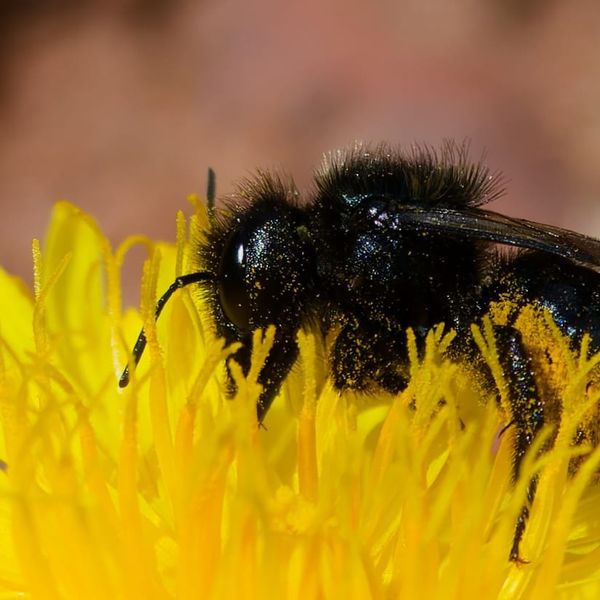
To do this, they used specialized equipment and mathematical models to see the flowers exactly as bees and hummingbirds see them. After all, their vision is quite different from ours; bees, for instance, can see UV light, which is completely invisible to us.
The study confirmed a clear link between colours and pollinators. Bees, the most frequent pollinators, prefer pink, yellow, and white flowers, which, to their visual system, glow in shades of blue and green. Many of these flowers have floral guides or "nectar guides" that act like flashing runways pointing out where the food is. Meanwhile, hummingbirds are drawn to red flowers, whose contrast against the green leaves is perfect for the birds' vision.
On mountains in cold countries, such as those in the temperate regions, the summits are usually hostile places, and colour variety drops drastically as you go higher. Few insects survive up there, and the flowers end up looking almost all the same. However, the Brazilian campo rupestre breaks this rule! Researchers discovered that colour diversity remains high from the base to the top of the mountain.
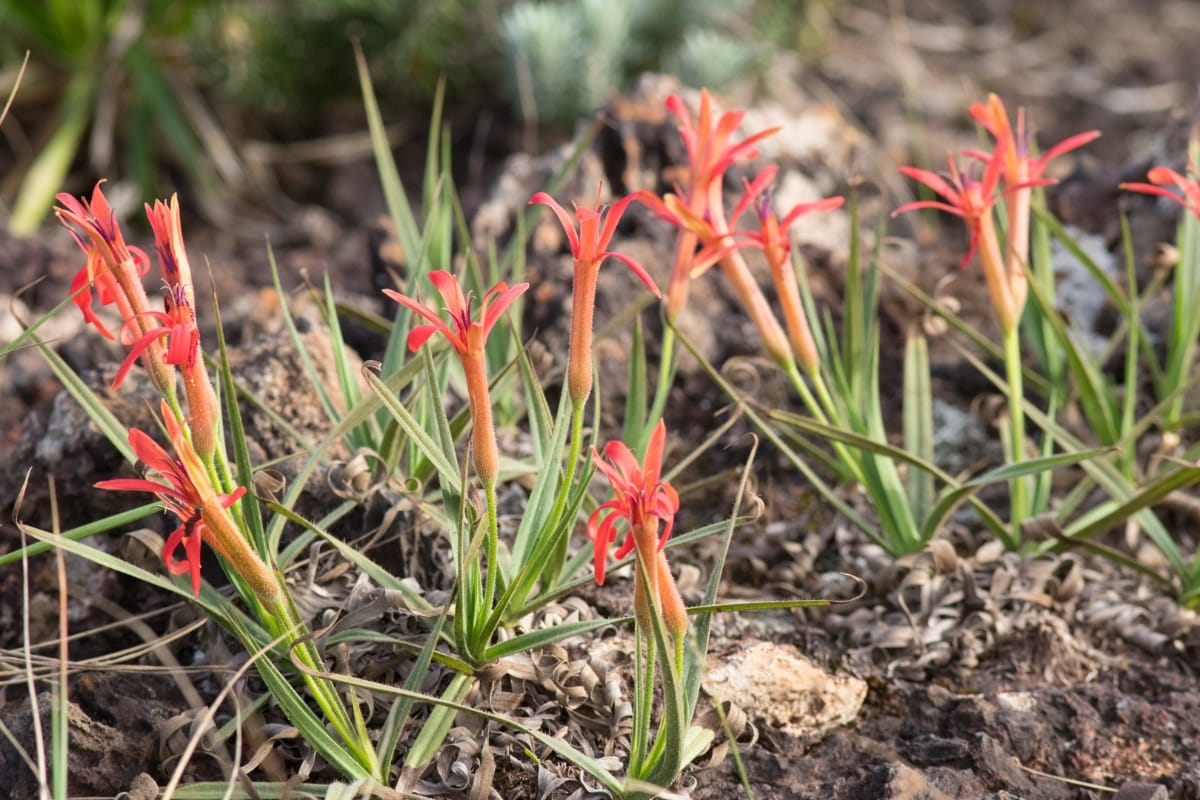
Even with changes in soil type and altitude, plants keep up a healthy competition for the pollinators' attention. The palette simply adapts strategically to the local scenery: where the terrain is more sandy, yellow flowers gain ground because they contrast better with the sand. In more humid areas, more intense colours appear, and at the mountain top, flowers increase their brightness and ultraviolet light reflection, ensuring that bees can still find them while protecting their inner structures against solar radiation.
But after all, who rules the colour palette: plant, climate or pollinators?
This study shows that in ancient tropical mountains, biotic interactions — the animals — are the true master artists. Since the mountain climate doesn't reach freezing extremes, bees and hummingbirds keep working hard at any altitude. As the environment does not impose a harsh thermal barrier, it is the constant pressure to attract these animal partners that maintains such a rich and stable diversity of flower colours over millions of years.
The next time you spot a flower in the wild, remember: it invested heavily in marketing because, in tropical mountains, appealing to the right pollinator is what truly guarantees its survival!
READ THE ARTICLE:
Camargo MGG, Arista M, Bergamo PJ, Monteiro BL, Morellato LPC. 2026. A mosaic of colors: The influence of biotic and abiotic factors shaping flower color diversity across a tropical mountain ecosystem. American Journal of Botany 113. https://doi.org/10.1002/ajb2.70147
Portuguese translation by Andressa Luna.
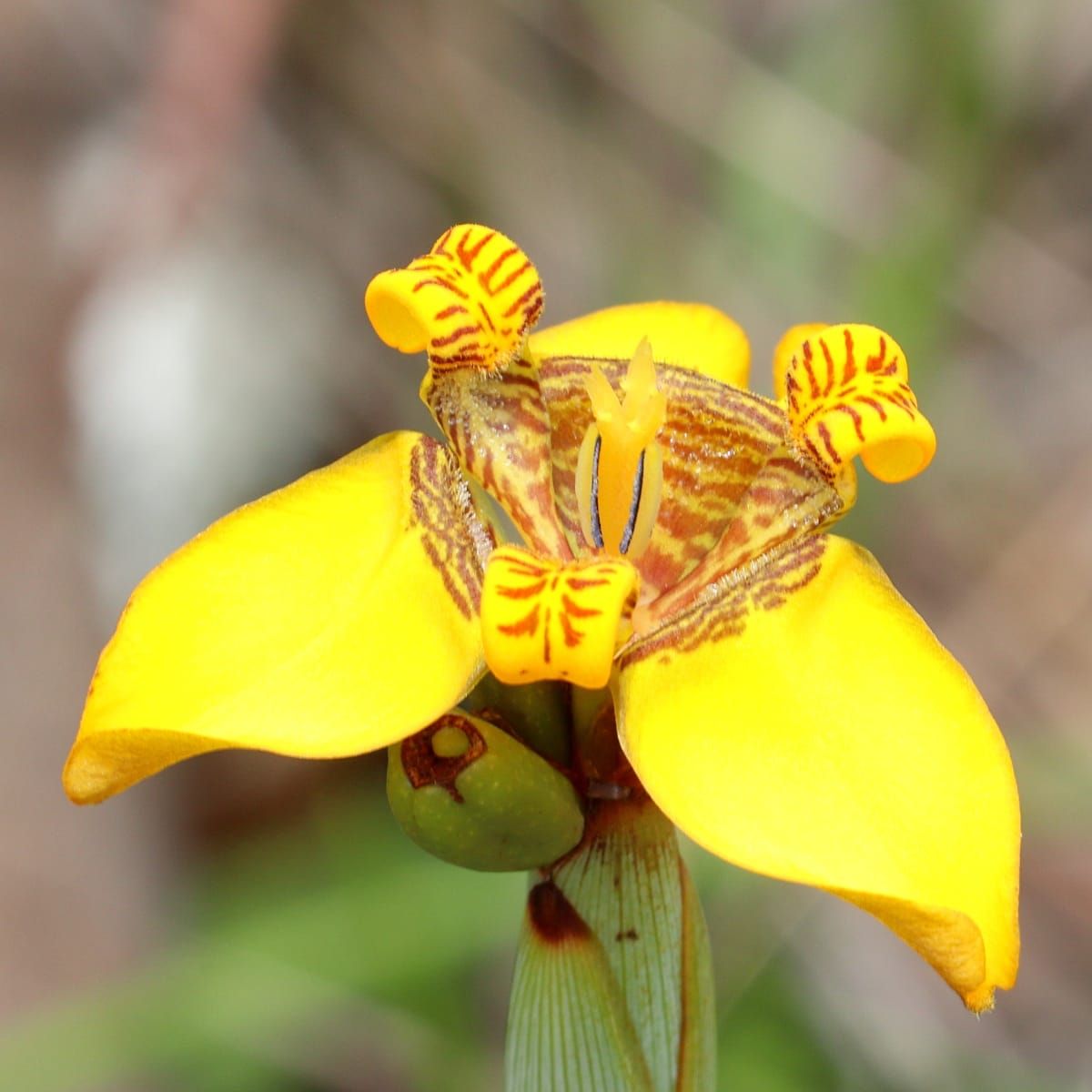
Cover Picture: Trimezia juncifolia. Photo by Paulo Henrique da Silva (iNaturalist, CC BY-NC 4.0)