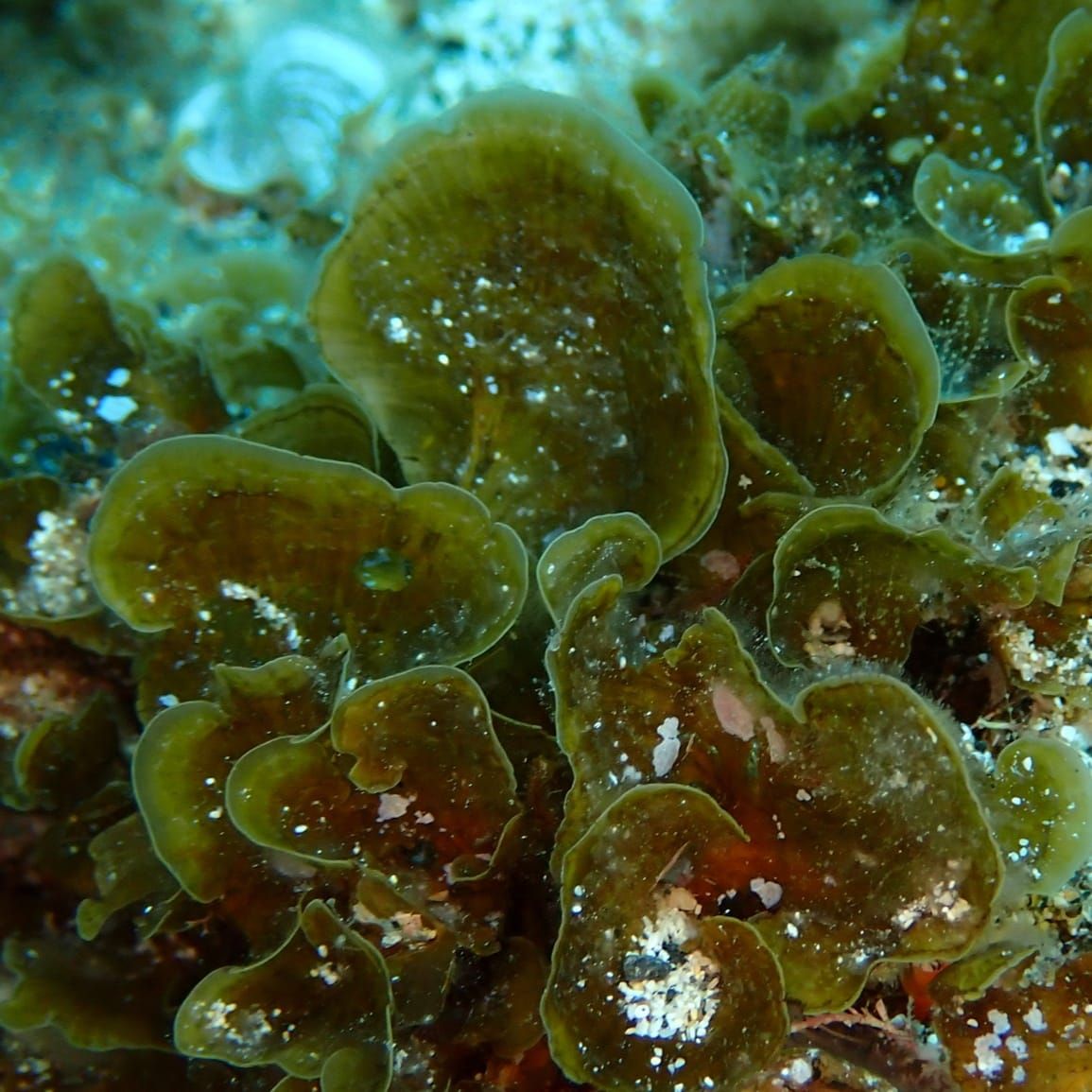

Climate change and invasive species are major threats to marine biodiversity. One of the most vulnerable ecosystems to these pressures is the macroalgal forests, which are major sources of food and energy for coastal sea life, as well as key shelter, nursery and breeding areas for many other species. However, recent studies have suggested that invasive species, which have proven to be adapted to increases in temperature, could compensate for native loss, helping preserve their ecological functions.
In a recent study published in Annals of Botany, Dr Martina Mulas and colleagues tried to tackle this issue by studying the presence of two thermally adapted invasive non-native seaweed species, Lobophora schneideri and Galaxaura lessepsiana, compared with the highly sensitive-to-warming endemic species, Gongolaria rayssiae, in the Levantine basin, Northern Mediterranean shore of Israel.
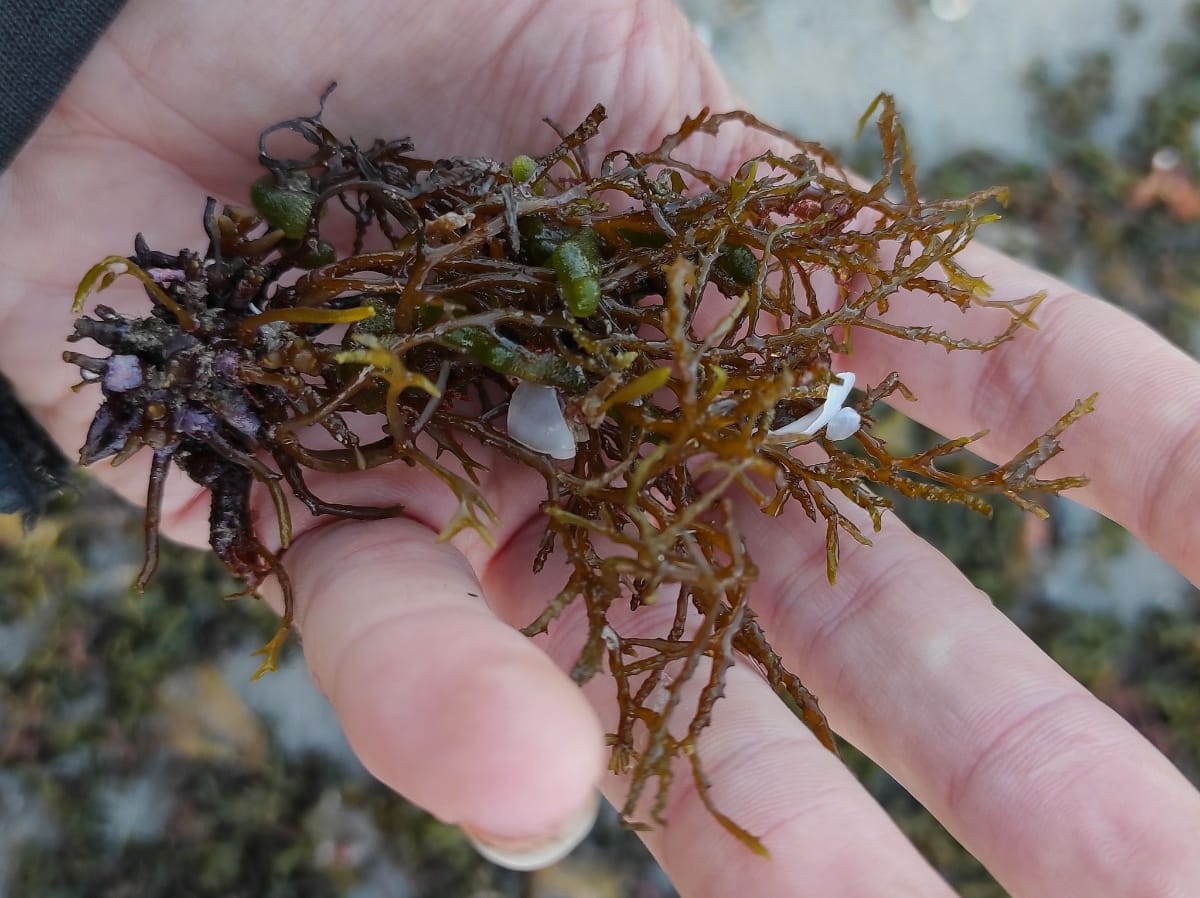
The presence of tropical and subtropical invasive seaweed species in the ecosystem, which can adapt to the thermal conditions in the Mediterranean Sea, has increased in the last decades, surpassing the temperate and cosmopolitan species. In the Levantine basin, the rates of temperature and salinity have grown faster, as well as the intensity of storms and the frequency of marine heatwaves. So, in this case, ocean warming could be favorable to the establishment of invasive non-native species, and leads to compensation to the loss of native habitat.
Previous studies have suggested that the presence of temperate species in the Levantine species may impact negatively the ecosystem. However, these studies focused on communities during only a single season, unlike the study by Mulas and colleagues. Here, the authors analysed annual variations in biomass and percentage cover of native versus invasive seaweeds to compare the performance under natural variations of temperature throughout the year. The authors hypothesised that the invasive non-native seaweed species Lobophora schneideri and Galaxaura lessepsiana are more adapted to warm temperatures during the summer, considering that the water temperature in the Levantine basin is nearing 32°C, and that the species could be prepared for warmer conditions in the future.
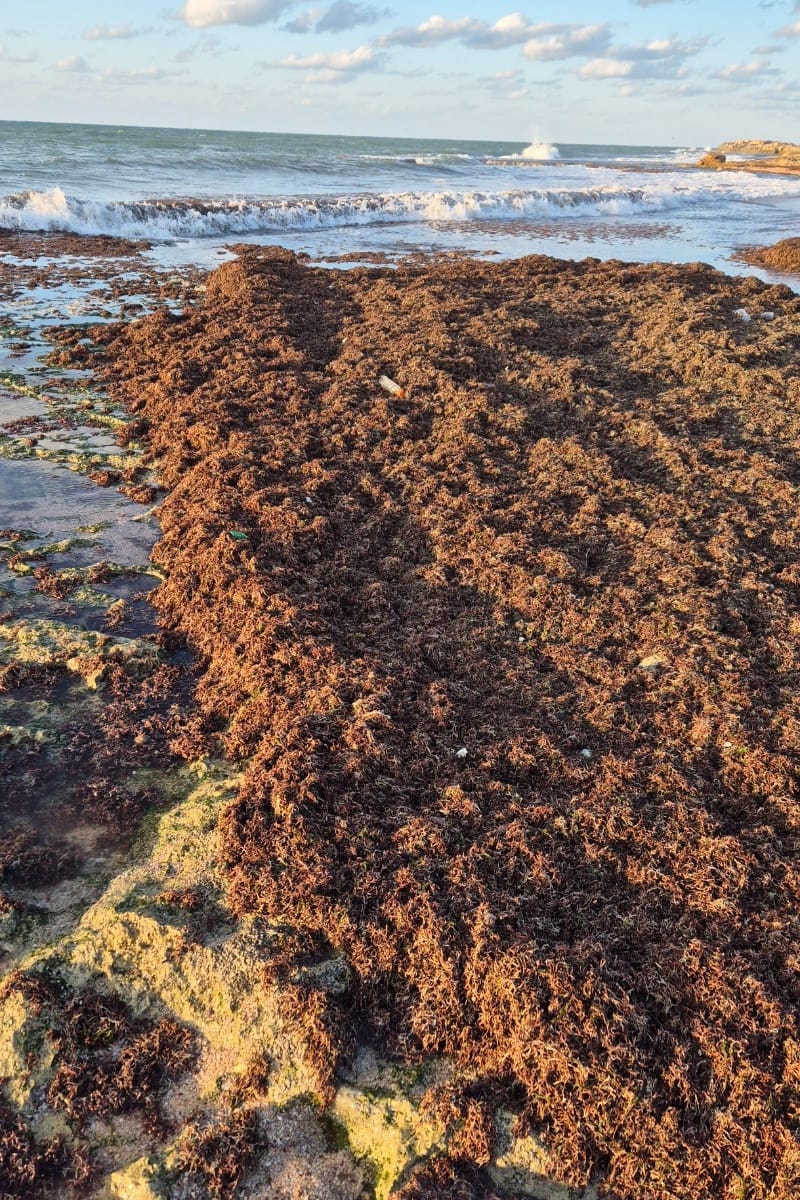
To obtain the percentage cover and biomass in different seasons of the year, the research team used five 25 x 25 cm quadrats along a 30-m transect. The authors also measured the rates of respiration and photosynthesis in these periods to estimate the thermal performance of the species in a wide range of temperatures. With these results, it was possible to calculate the annual carbon absorption and use this as an indicator of potential biological carbon production. Moreover, these measurements allowed the authors to to predict the seasonal habitat adaptability in different future thermal scenarios in the area.
The results showed that the two invasive non-native species were physiologically functional species during the year, presenting high biomass year-round. In contrast, the native species was only functional during the spring. In addition, the invasive non-native species showed higher biomass produced in summer with temperatures around 32°C, the opposite of the native species, which lost its branches early in summer with temperatures around 28°C. All these results are consistent with the author’s hypothesis that the invasive non-native species are more resilient and better adapted to current and future ocean warming in the Levantine Sea. In addition, this means that both invasive non-native species are able to retain some of the ecosystem functions loss in front of the reduced niche available for Gongolaria rayssiae.
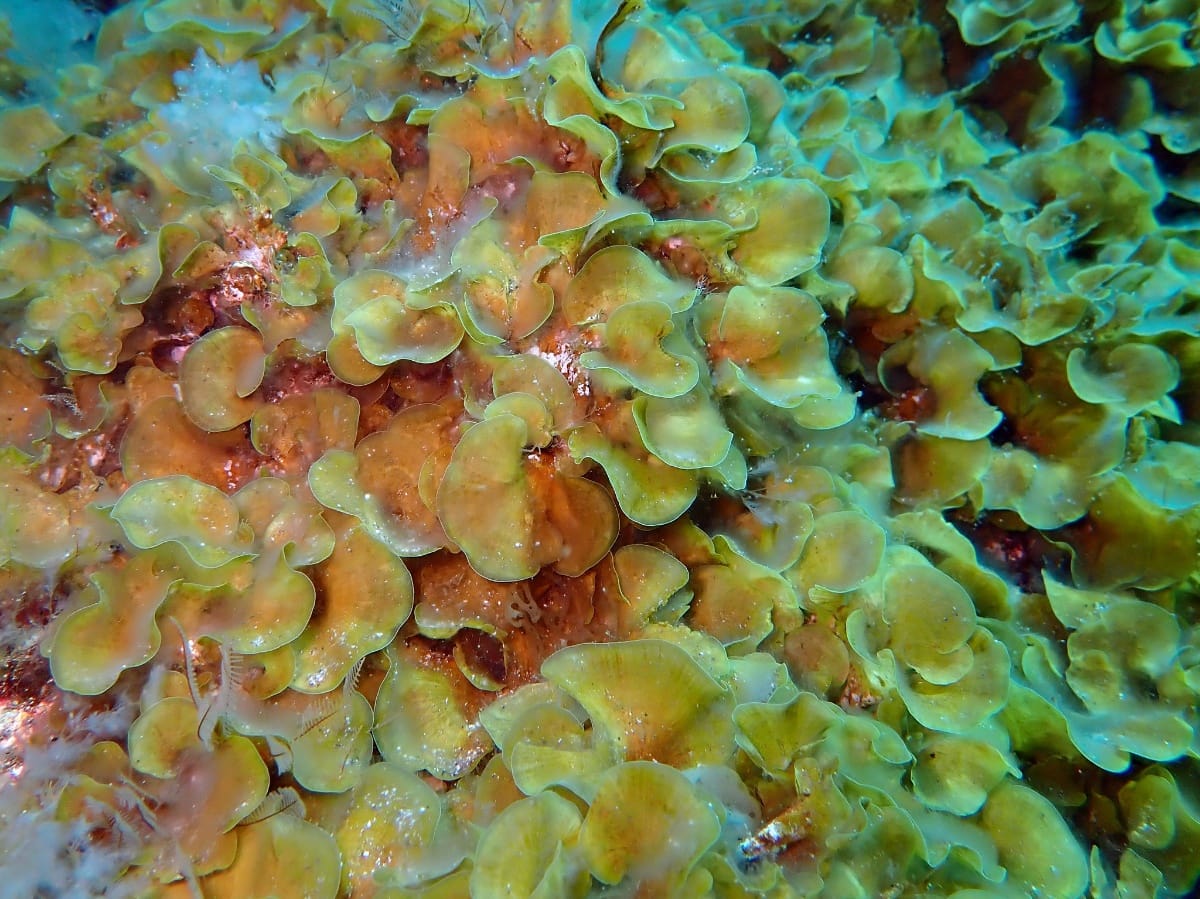
When it comes to our initial question about whether the presence of invasive seaweed is positive or negative for ecosystem functions, the study led by Mulas suggests that the presence of invasive non-native species can be positive, compensating the loss of native species and helping to maintain the fundamental functions and services to the ecosystem. Obviously, at a certain moment the temperature will be higher than the invasive non-native species can survive, so there is a limit.
This study was the first to pay attention at the consequences of ocean warming with bioinvasions, focused on the macroalgal community at the Levantine basin and how this species regulated the metabolic processes on the ecosystem. All the data obtained in this study are important for projections about the distribution of species in the future and demonstrate that an invasive species is not necessarily destructive to the ecosystem.
READ THE ARTICLE:
Mulas M, Silverman J, Garval T, et al.. 2026. Invasive seaweeds may functionally compensate for the expected loss of endemic temperate species in the fast-warming Mediterranean Sea. Annals of Botany. https://doi.org/10.1093/aob/mcag105
Portuguese translation by Giovanna Reis.
Cover picture Lobophora schneideri by Marleen Schouten (iNaturalist, CC BY-NC 4.0).