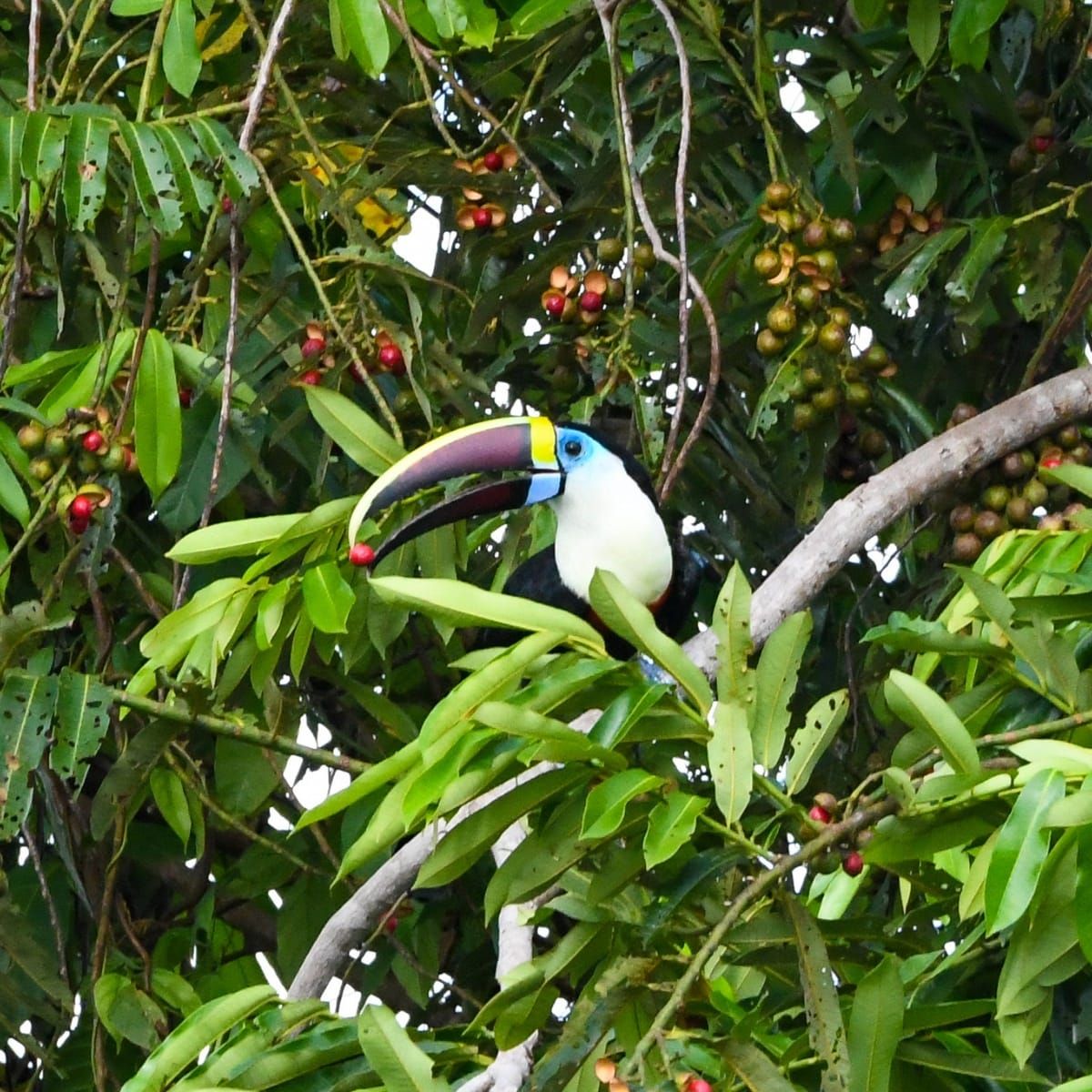

When we think of the Amazon rainforest, the first image that probably comes to mind is that of a grand landscape: gigantic trees, massive rivers, and an endless green immensity. In other words, the perfect portrait of life in abundance. But behind this curtain of leaves lies an invisible and frenetic traffic of animals working day and night. They perform two of the major vital tasks for the plant life cycle: pollination, the act of transporting pollen from one flower to another, and seed dispersal, the act of transporting fruits and seeds to give rise to new trees.
A study published in the journal Communications Biology has mapped out these interactions by compiling data on 5,201 Amazonian tree species — half of all known species in the region — to unravel the complex web of interactions that sustains this gigantic forest.
The study's conclusion brings a very clear warning: nearly 80% of Amazonian trees depend on animals both to be pollinated and to disperse their seeds. Less than 1% of the species can live and reproduce completely free from animal assistance.
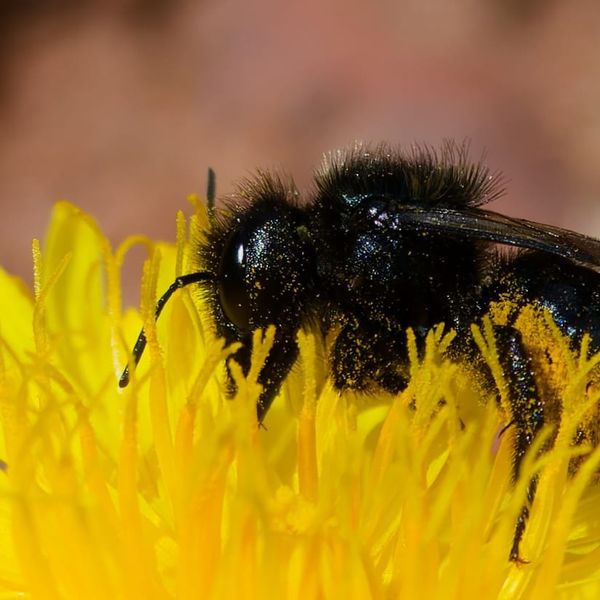
And bees dominate the scene! Although the Amazon harbours an enormous variety of floral visitors, such as butterflies, beetles, flies, bats, and hummingbirds, bees are the ultimate champions. They are the most common visitors, responsible for the pollination of 74% of all studied tree genera and for attending to 84.3% of all individual trees in the forest.
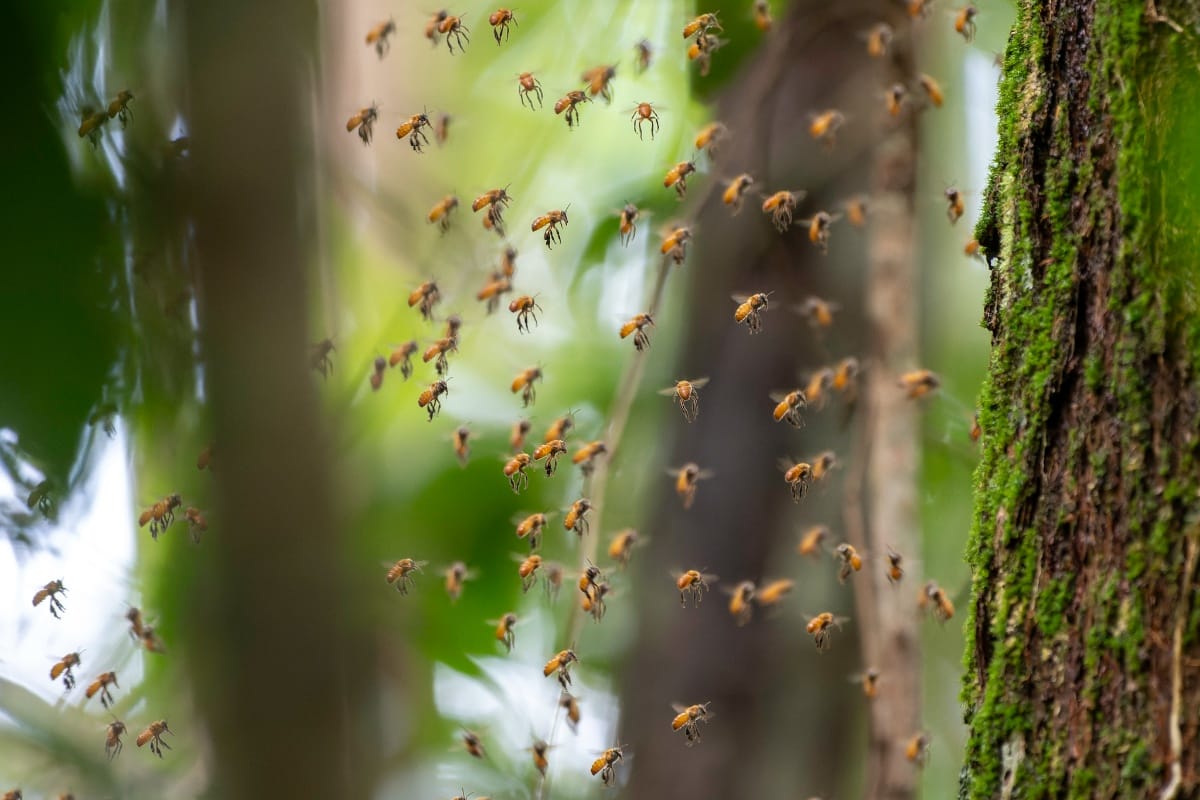
The study also analysed the visual characteristics of these flowers and discovered a curious pattern: among the 3,269 tree species with available colour data, 68.2% have white flowers, followed by 25.4% with cream petals. In a dense and shaded forest, these shades work beautifully as points of light. However, scientists suggest that the main strategy of these flowers lies in their fragrance and chemical signals to guide pollinators from a distance.
The resources offered by plants were also highlighted by the researchers’ results: nectar is the most common reward, present in 60% of the species, functioning as a quick and cheap source of energy for animals. Pollen is the next most common reward, offered as a resource in 42.5% of the trees.
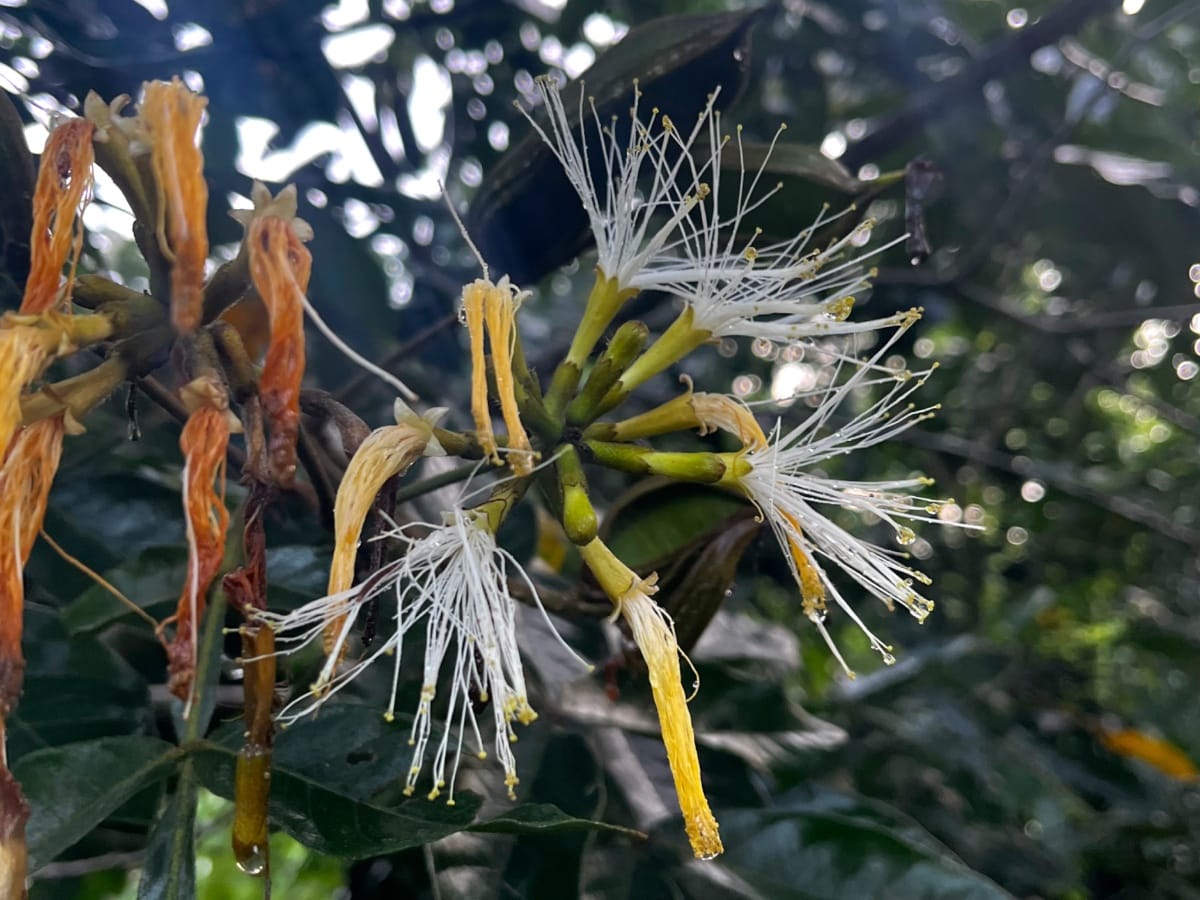
And some tree genera were shown to have an outsized, hyperdominant effect on pollinator networks: the study revealed that just 16 plant genera concentrate half of all pollination connections in the forest. Among the highlights are highly species-rich genera such as Inga and Miconia. Therefore, while the Amazon houses about 392 billion trees, resource production is not distributed equally between them.
A similar pattern emerges when we look at the distribution of food for the seed dispersers: out of the 808 tree genera recorded in the study, only 40 tree genera are responsible for half of all fleshy fruit resources in the Amazonian community. In particular, trees of the genera Protium, Eschweilera, and Pouteria feed birds, primates, bats, and rodents that keep the forest in constant renewal.
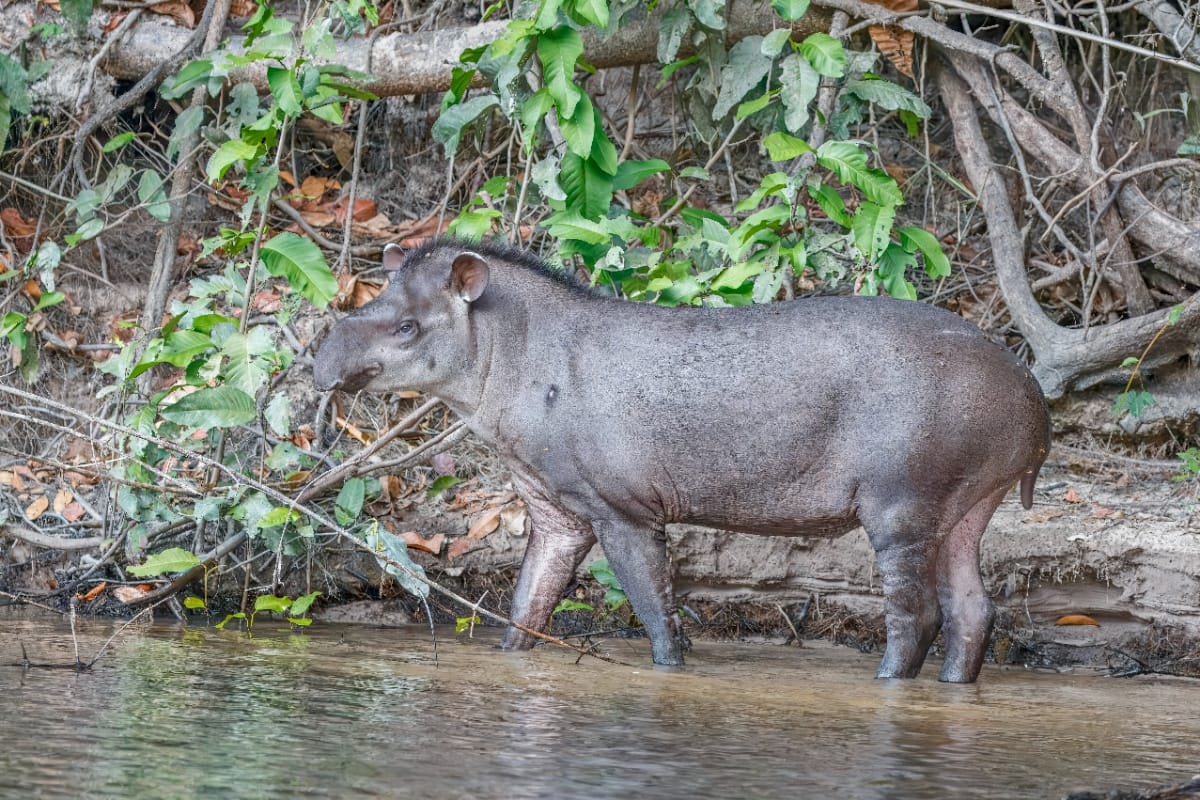
And it is precisely because of all these findings that the alarm is being sounded: the loss of fauna driven by hunting, habitat fragmentation, and infrastructure expansion can trigger a catastrophic domino effect. Without large monkeys, birds, and bats to eat the fruits and carry the seeds away, hyperdominant trees stop recruiting, which could drastically alter the structure and regeneration capacity of the Amazon. This reveals a serious vulnerability.
The study makes it clear that protecting the Amazon does not just mean keeping the trees standing; it means protecting the ecological interactions between animals and plants. Saving pollinators and dispersers is the key to ensuring this great forest remains standing.
READ THE ARTICLE:
ter Steege H, Ballarin CS, Pinto CE, et al.. 2026. Pollination and dispersal networks in the Amazonian tree flora. Communications Biology 9. https://doi.org/10.1038/s42003-026-09896-1
Portuguese translation by Andressa Luna
Cover picture: Ramphastos tucanus feeding on fruits of a Protium species. Photo by Leandro Rezende (iNaturalist, CC BY-NC 4.0).


.JPG?ref=botany.one#/media/File:South_American_tapir_(Tapirus_terrestris).JPG)