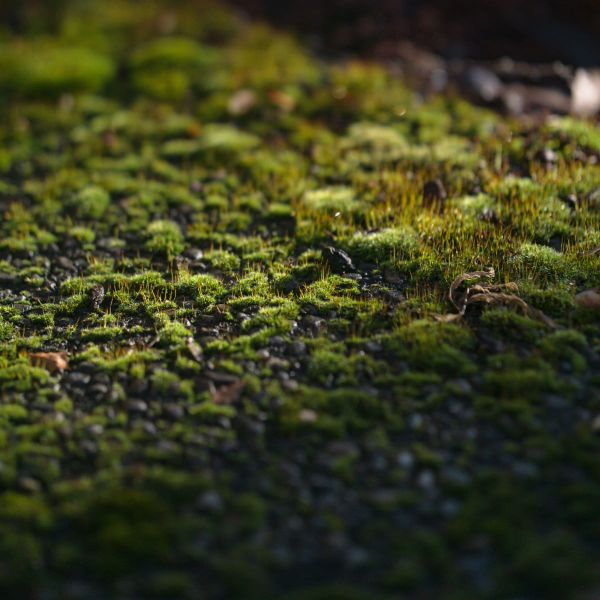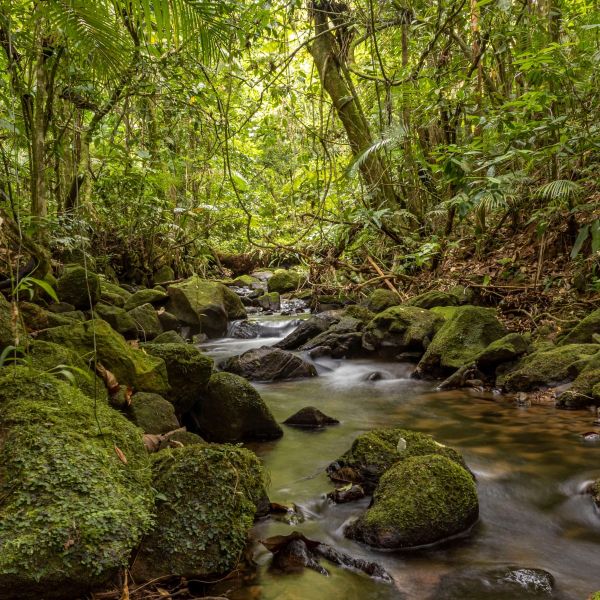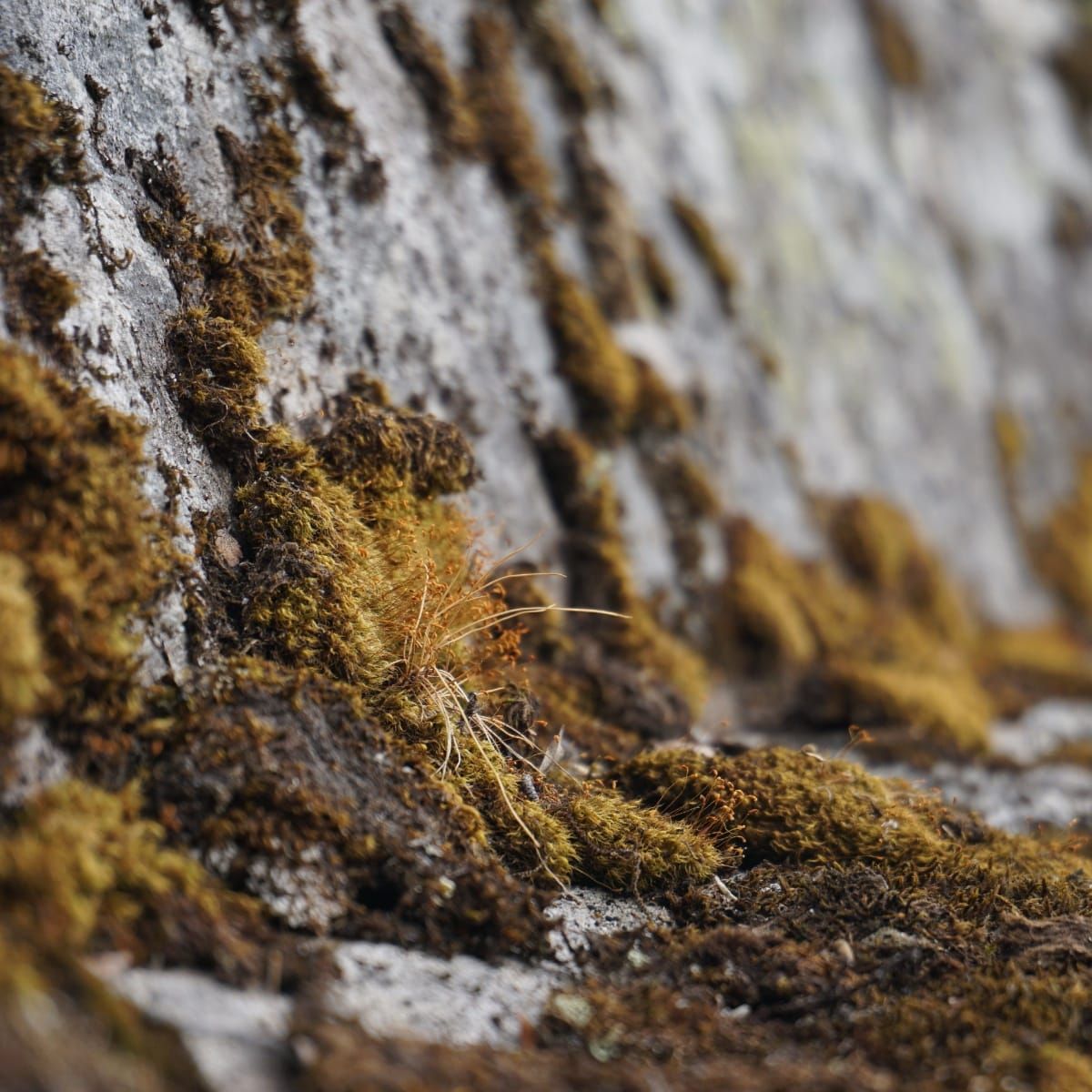

Coal mining leaves behind environments that may seem inhospitable to the return of vegetation. Waste heaps can have low nutrient and water availability, high salinity, and mineral substrates that are difficult to colonise. Yet, while much restoration effort focuses on trees, grasses and other vascular plants, a much smaller group may be quietly playing an important role in the recovery of these environments: bryophytes.
In a new study, Dr Anna Salachna and Dr Lynn Beseneyi discuss how mosses and liverworts may contribute to the development of novel ecosystems in post-coal-mining areas. The authors bring together evidence on the biology and ecological functions of bryophytes to show that characteristics that have allowed these plants to colonise challenging terrestrial environments throughout their evolutionary history may also help them establish in landscapes profoundly transformed by human activity.
One such characteristic is their ability to survive under conditions in which many vascular plants struggle. Bryophytes absorb water and nutrients across much of their surface, can tolerate periods of desiccation, and often grow in dense colonies. These characteristics allow some species to colonise poor and unstable substrates, precisely the type of environment found in areas degraded by mining.
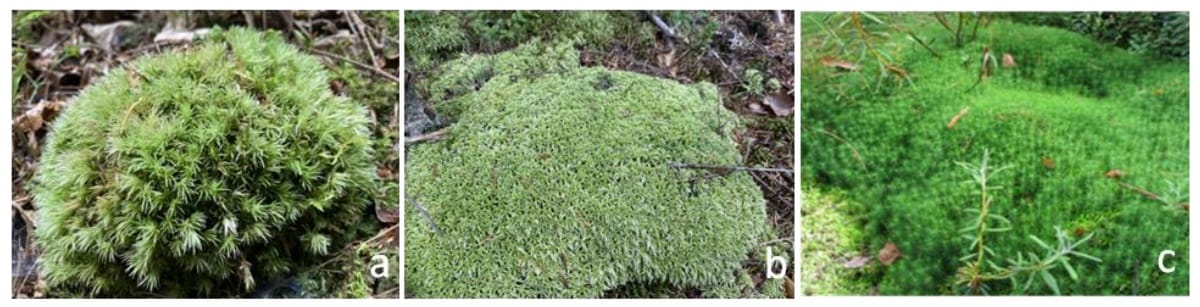
But simply surviving in these places may not be the only contribution bryophytes make. By forming mats over the substrate, they can retain water, influence nutrient cycling, contribute to soil formation, and help reduce erosion. Previous studies discussed by the authors also indicate that, on mining waste, bryophytes can reduce rainfall infiltration into waste heaps, contribute to slope stabilisation, and promote the early stages of natural revegetation. In this way, small moss mats may help create conditions that allow more complex biological communities to establish later.
The ability to occupy extreme environments is also reflected in the relationship between some bryophytes and metal-rich substrates. Some species show an affinity for metalliferous environments and are known as “copper mosses”, although the group also includes liverworts. Species such as Ceratodon purpureus, Bryum caespiticum and Marchantia polymorpha, for example, are among those associated with these substrates. This tolerance may be particularly relevant in post-industrial landscapes, where soil chemistry represents an important barrier to vegetation establishment.
In Poland, data compiled in the study show that 166 bryophyte species have already been recorded in post-industrial habitats, including 147 mosses and 19 liverworts. Most are species capable of tolerating environments under strong human pressure. At the same time, restored mining areas can support considerably greater bryophyte diversity than unreclaimed waste heaps, reinforcing the idea that these small plants respond to the changes taking place during ecosystem reconstruction.
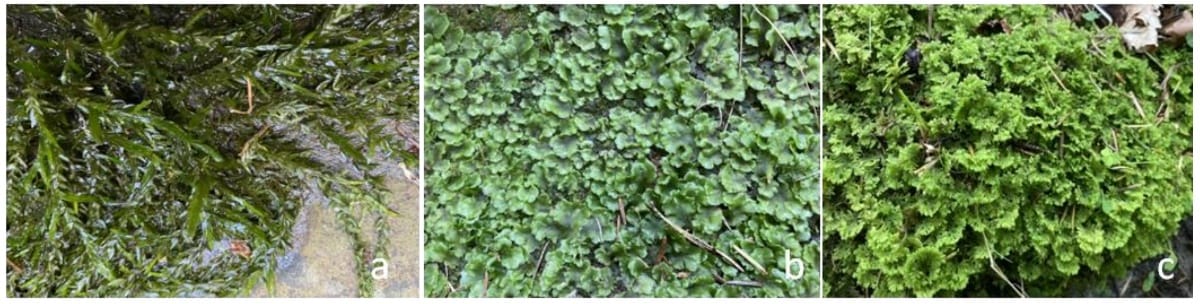
This sensitivity also makes bryophytes useful tools for monitoring environmental recovery. Because they absorb substances directly through their surfaces, and some species accumulate pollutants in their tissues, mosses and liverworts are used as bioindicators of air and water quality. In post-mining areas, this creates a particularly interesting possibility: as well as participating in recovery processes, bryophytes may potentially help reveal whether environmental conditions are actually improving.
The idea emerging from the study is that restoring a mined area does not necessarily mean trying to recreate exactly the ecosystem that existed before mining. Profoundly transformed environments can develop so-called novel ecosystems, formed through interactions among organisms capable of colonising environmental conditions created by human activity. In this process, bryophytes may be among the first organisms to prepare the ground for more complex communities.
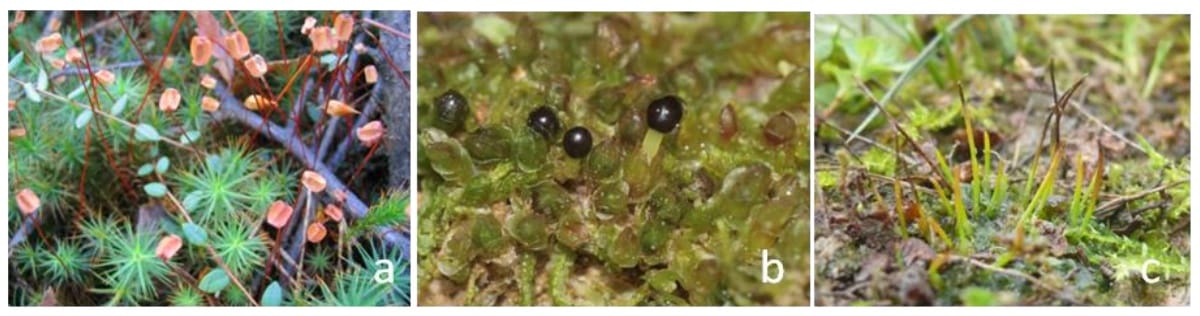
However, the authors highlight an important knowledge gap: we still know relatively little about the true contribution of mosses and liverworts to the development of these novel ecosystems. Although there is evidence for their roles in water retention, soil formation, substrate stabilisation and nutrient cycling, few studies have directly assessed how these functions operate on mining waste heaps.
Perhaps some of the first steps towards rebuilding degraded ecosystems do not depend solely on large trees or complex revegetation projects. They may begin much closer to the ground, with small colonies of mosses and liverworts capable of slowly transforming a hostile substrate into an environment where other forms of life can become established once again.
READ THE ARTICLE:
Salachna A, Beseneyi L. 2025. Bryophytes potentially supports the development of the novel ecosystem on post-coal mining heaps. IOP Conference Series: Earth and Environmental Science 1457: 012013. https://doi.org/10.1088/17551315/1457/1/012013
Portuguese translation by Pablo O. Santos
Cover picture by Nick (Pexels).