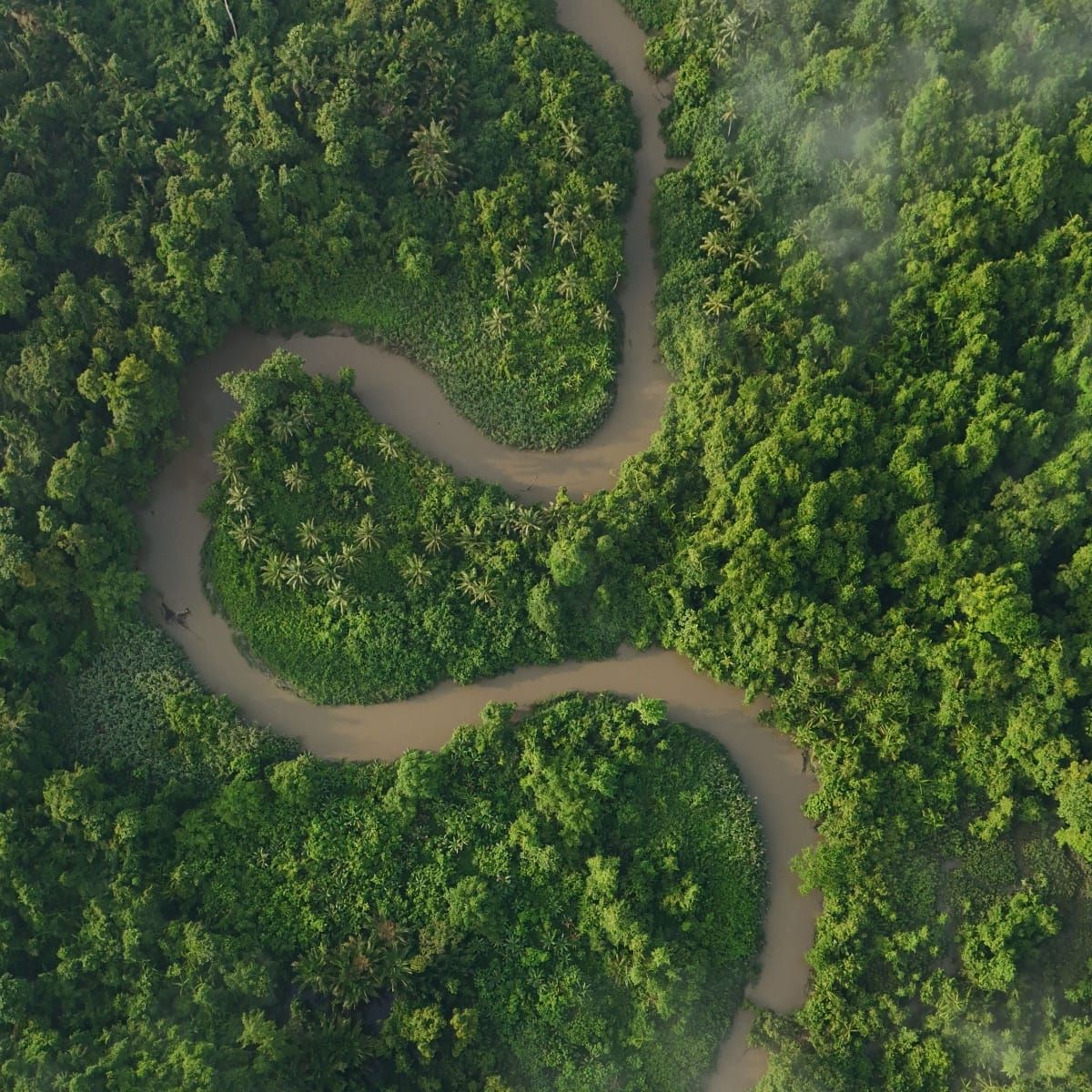

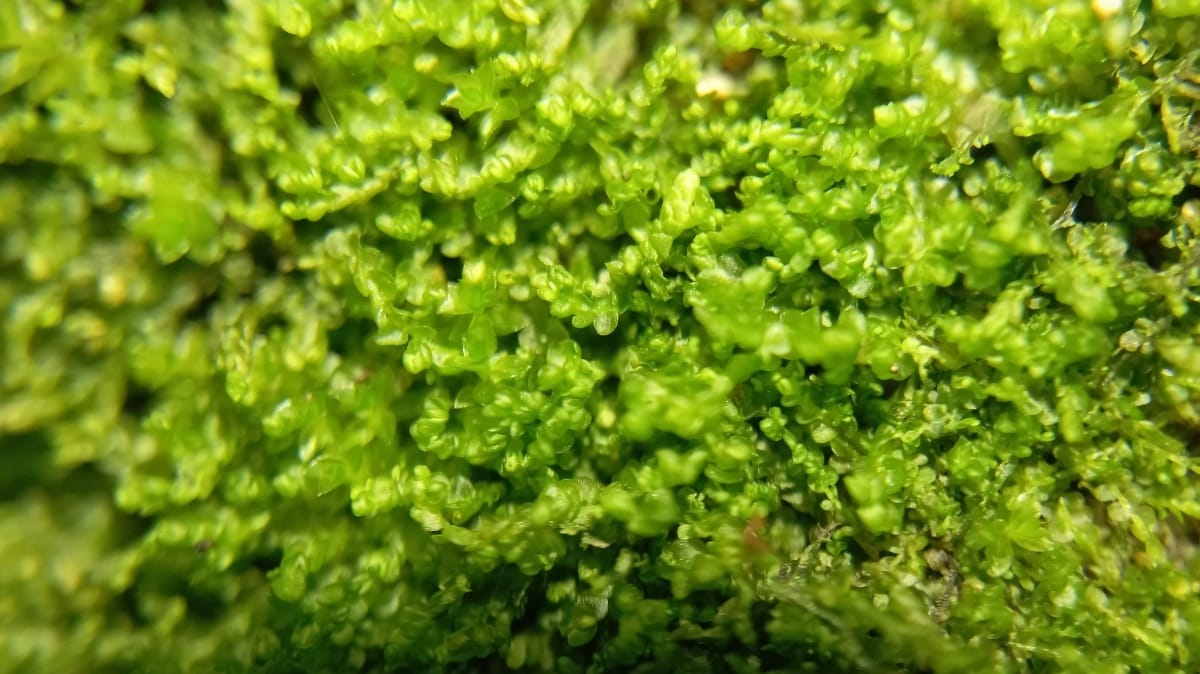
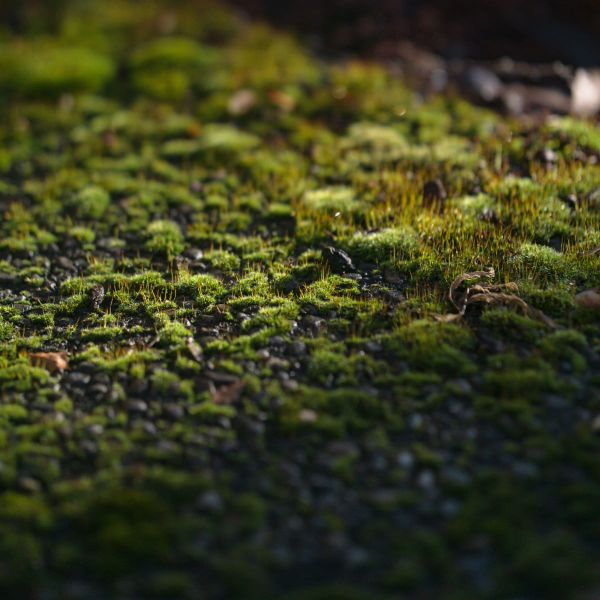
Selective logging is often considered a less damaging alternative to clear-cut deforestation. Because only some trees are removed, it is commonly assumed that much of the forest's biodiversity remains intact. However, a new study from the Brazilian Amazon suggests that this perception may overlook important effects on frequently neglected organisms: bryophytes, the group of plants that include mosses, liverworts and hornworts.
Researchers investigated how selective logging affects the interactions between mosses and their host trees, known as phorophytes, in Caxiuanã National Forest, Pará, Brazil. Rather than simply asking how many species remain after logging, the study examined how these species remain connected through ecological networks, revealing changes that would be difficult to detect by species count alone.
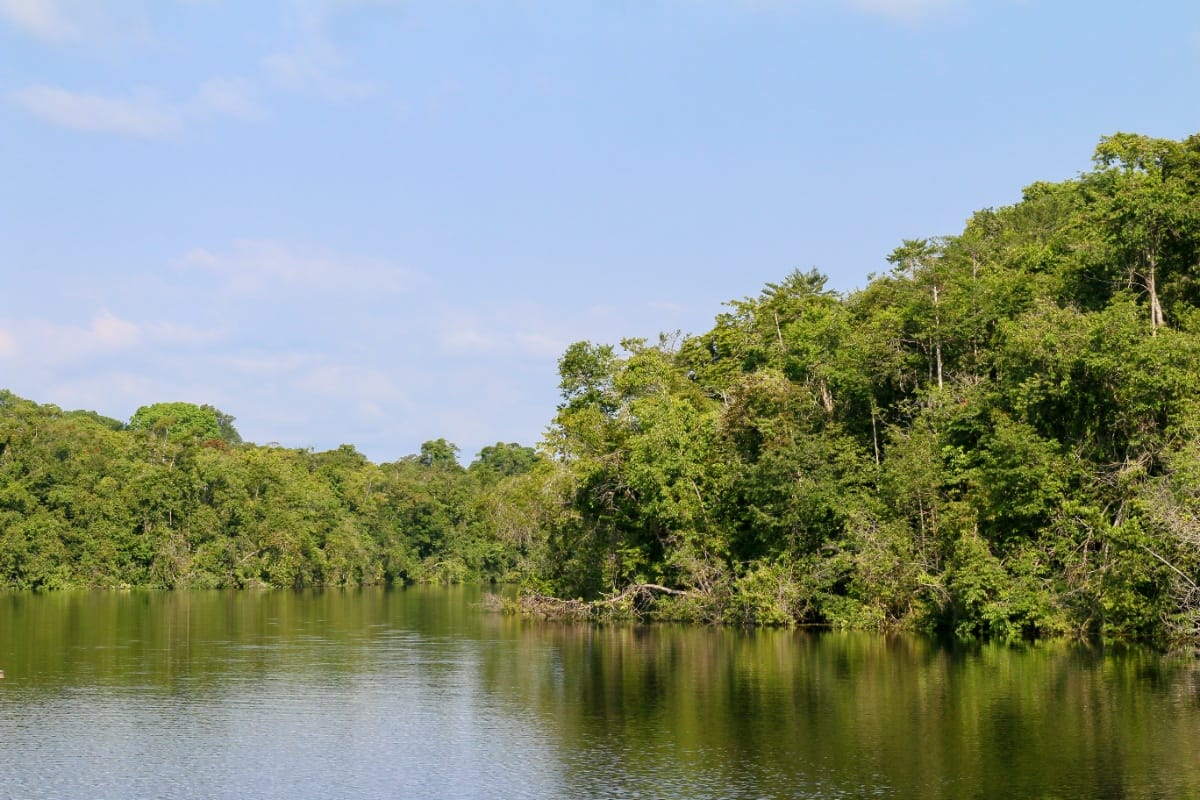
The researchers recorded 87 species of epiphytic bryophytes growing on 78 tree species. Primary forests supported greater richness, harbouring 82 bryophyte species, whereas selectively logged areas contained only 57 species. But the differences went beyond species numbers. In primary forest, the liverwort Rectolejeunea versifolia occupied a central position in the ecological network connecting bryophytes with their host trees. No bryophyte played an equivalent role in selectively logged forest. This suggests that logging does more than reduce diversity: it can also reshape how species are organised and connected within the forest community.
The factor that best explained bryophyte diversity was tree diameter. Larger trees supported significantly more species and hosted communities that differed from those found on smaller trees. According to the authors, large trees remain available for colonisation for longer periods and provide a greater diversity of microhabitats, including variation in light, humidity and bark texture, favouring the establishment of species with different ecological requirements.
These findings help explain why selective logging produces such marked changes. Because forest management preferentially removes large-diameter trees, it eliminates the principal substrates supporting epiphytic communities. Consequently, the structure of the interaction networks linking bryophytes and trees is also altered. Although the forest may appear largely preserved, the ecological community changes substantially, becoming more homogeneous and characterised by simpler interactions.
To assess the resilience of these communities, the researchers simulated different scenarios of tree loss. When trees were removed at random, the ecological networks remained relatively stable. However, when the first trees removed were the largest individuals, species persistence declined rapidly. This indicates that not all trees play the same ecological role: some act as genuine pillars supporting much of the epiphytic community.
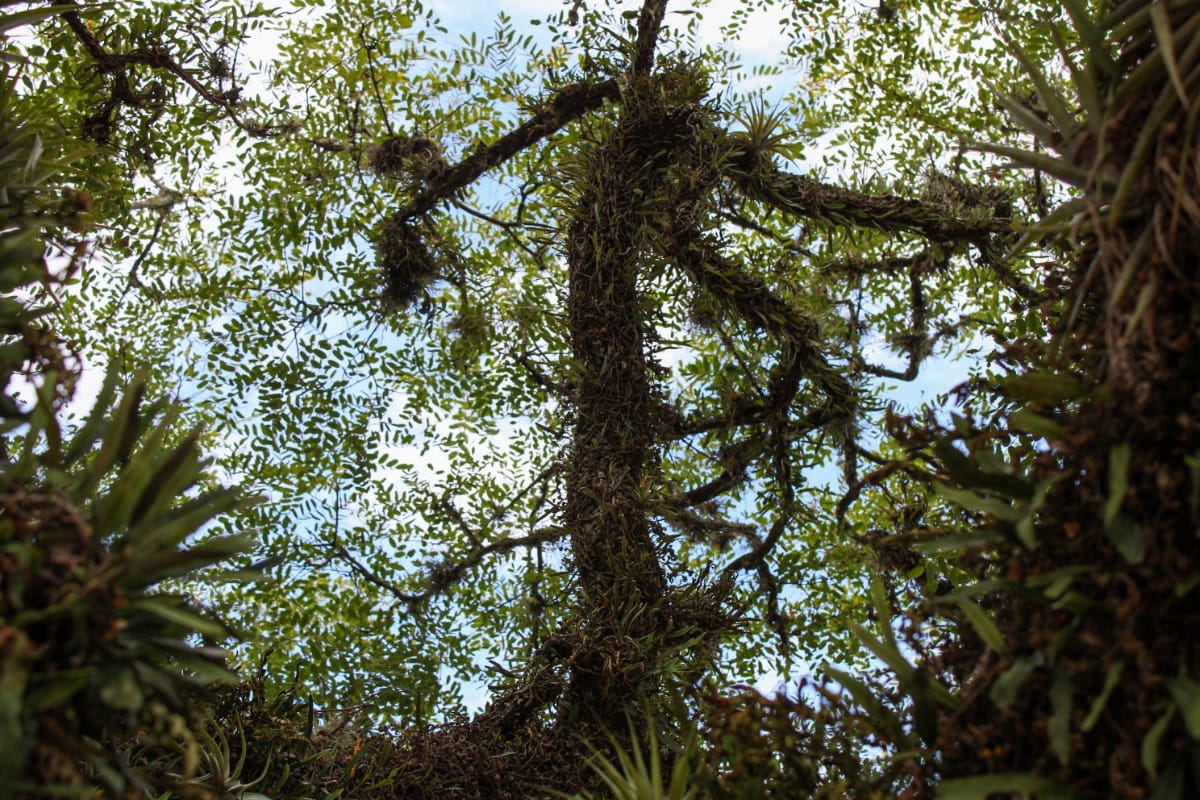
The findings reinforce that the impacts of selective logging extend well beyond the loss of individual trees. By preferentially removing large trees, forest management alters forest architecture and reorganises the ecological relationships that sustain biodiversity. For organisms such as bryophytes, which depend on trees for survival, preserving only part of the forest canopy may not be sufficient if the most important trees are removed.
According to the authors, forest management strategies and environmental impact assessments should explicitly consider epiphytic communities and other non-vascular organisms, while also prioritizing the retention of large trees. More than storing carbon or producing timber, these trees function as biological infrastructure that sustains the diversity and stability of forest ecosystems.
READ THE ARTICLE:
Silva JP, Takashima TTG, Torquato IHS, Ilkiu-Borges AL. 2026. Effects of selective logging on diversity, community composition, and stability of bryophyte–phorophyte interaction networks in terra firme forests of the Brazilian Amazon. Forest Ecology and Management 612: 123740. https://doi.org/10.1016/j.foreco.2026.123740
Portuguese translation by Pablo O. Santos
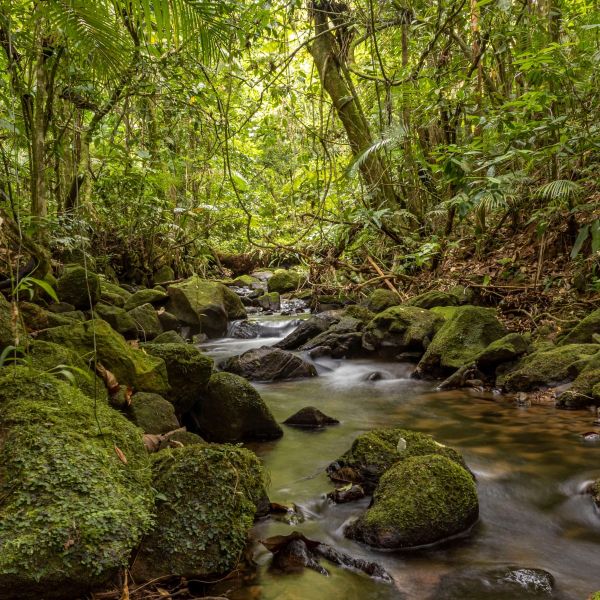
Cover picture by Oncy Oni (Pexels).


.jpg?ref=botany.one)