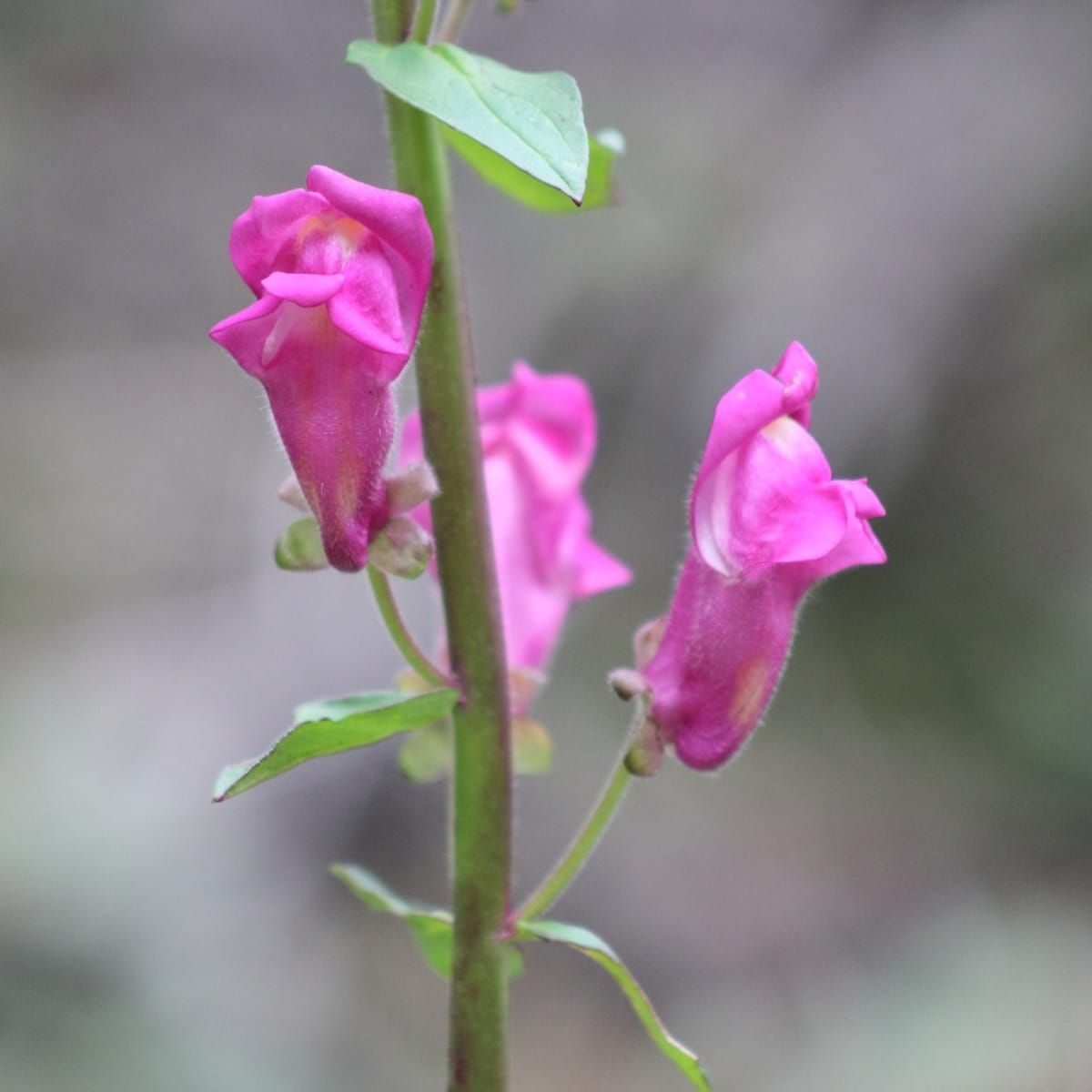

For millions of years, flowers have coexisted in a complex scenario with the creatures that interact with them. They need to attract pollinators, which help them to reproduce, while avoiding herbivores, which reduce their chances of producing seeds. This constant evolutionary tug of war helped to create the high diversity of colours, shapes and scents that we see in flowers today.
Over time, humans have also become part of this story. People have selected plants not only for food but also for their beauty, considering specific colours, forms and fragrances to grow in gardens. But does human taste align with nature? Do the flowers that people find most attractive also appeal to pollinators, or do they attract unwanted pests instead?
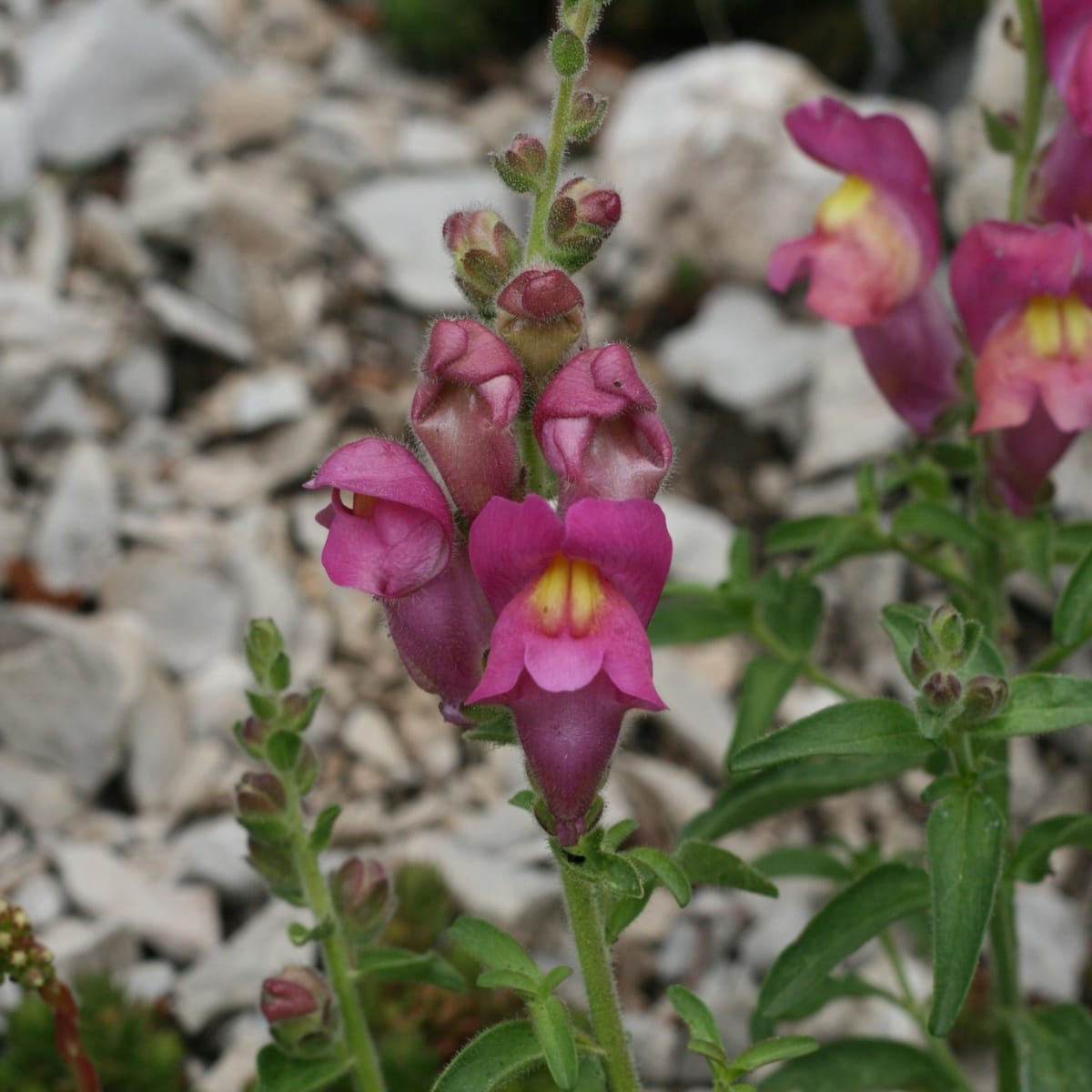
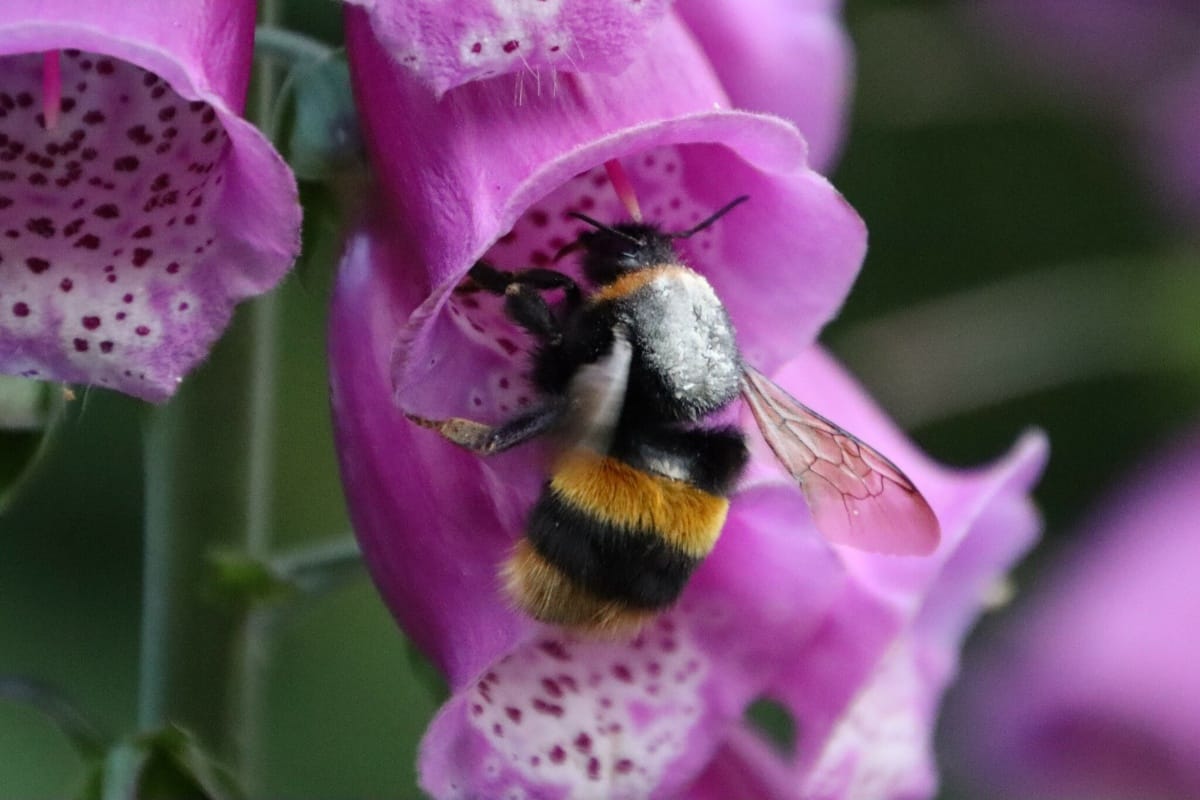
Previous studies have shown that both bumblebees, which are important pollinators, and flower trips, tiny insects that feed on flowers, are strongly influenced by traits such as flower colour, shape and scent. However, studies evaluating preference similarities between humans and insects are still missing. To fill this gap, Victoria Ruiz-Hernández and her team set up an experiment with a collection of snapdragons with different floral traits.
They created a collection of snapdragons with a wide range of traits by crossing Antirrhinum linkianum and Antirrhinum majus. Then, they tested which flowers were preferred by bumblebees, human plant experts and thrips and measured features including colour, shape, size, scent, pollen and tiny hair-like structures on flowers.
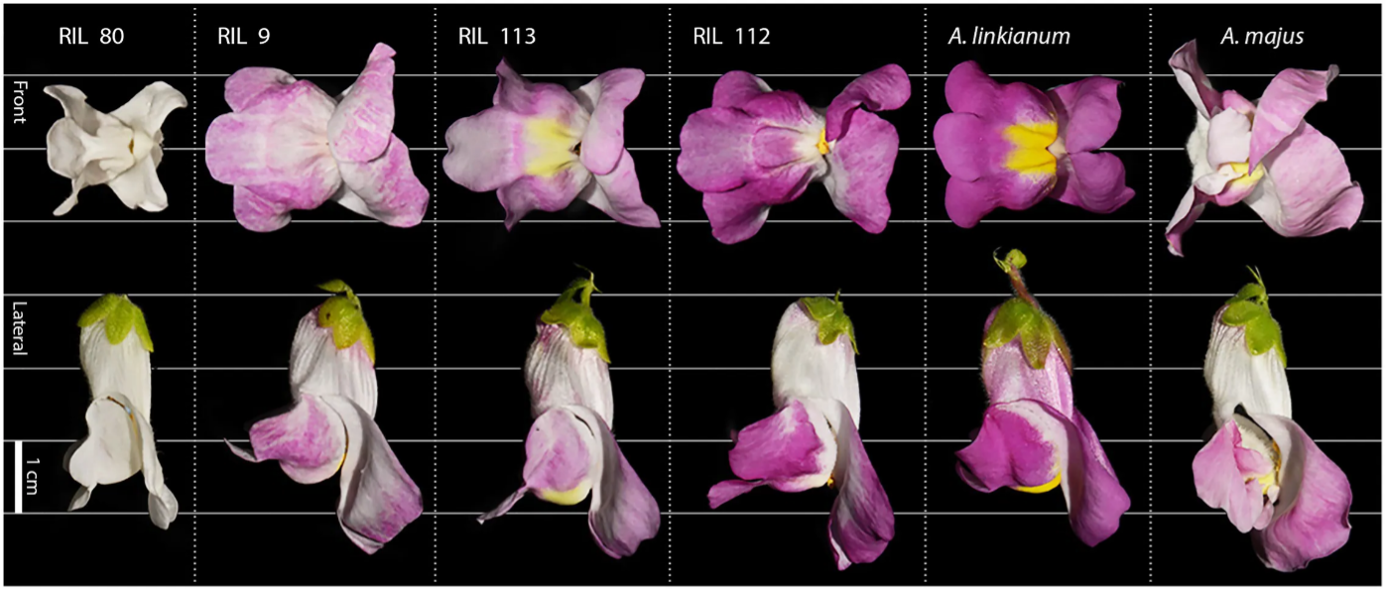
They found that humans and bumblebees often agreed on which flowers they preferred, whereas thrips usually chose different ones. Both humans and bumblebees were particularly attracted to Antirrhinum linkianum and RIL 112, one of the hybrid lines. These flowers were smaller and darker than Antirrhinum majus and shared similar colours and shapes. In contrast, thrips were more attracted to several of the recombinant lines, suggesting that the flowers most appealing to plant visitors are not always the ones most attractive to plant pests.
Colour was important for all three groups, but scent also plays an important role. Bumblebees relied mainly on visual cues when flowers were visible. However, once the flowers were hidden from view, scent became much more important, especially methyl benzoate, one scent compound attractive to these pollinators.
Similarly, humans also relied on floral scent, even when they could not see the flowers. This suggests that our appreciation of flowers depends on more than appearance alone, with multiple senses working together when we decide which blooms we like best.
Together, these results show that flowers communicate with their visitors through a sophisticated combination of signals. A bloom that is perfect for a bee may not be ideal for a pest, and a trait that appeals to people may have unexpected effects in nature. In other words, flower evolution is not driven by a single rule, and to understand the competing pressures behind this could help scientists and plant breeders to develop plants that better balance beauty, pollinator attraction and natural defence.
READ THE ARTICLE:
Ruiz-Hernández V, Joubert L, Rodríguez-Gómez A, et al.. 2021. Humans Share More Preferences for Floral Phenotypes With Pollinators Than With Pests. Frontiers in Plant Science 12. https://doi.org/10.3389/fpls.2021.647347
Portuguese translation by Victor H. D. Silva.