
As climate change becomes increasingly evident in everyday life, one word keeps returning to the conversation: carbon. This element makes up greenhouse gases—such as carbon dioxide and methane—that are released into the atmosphere through industry, agriculture, and land-use change, driving global warming. As a result, much of the discussion on climate change revolves around a key question: how can we keep more of this carbon out of the atmosphere?
One answer lies in nature itself. Plants fix carbon dioxide and convert it into sugars to fuel their growth, storing carbon in their tissues. For this reason, conserving native vegetation and restoring degraded areas have become key strategies in the fight against climate change. Forests have been at the forefront of this discussion, as it is evident that trees—towering and with dense woody tissues—are major carbon reservoirs.
In wetlands, however, soils are waterlogged and low in oxygen, so dead plant material decomposes very slowly, building up thick layers of carbon-rich material known as peat. Peatlands store a disproportionate amount of carbon: with only 3% of the Earth's surface, they store 21% of global soil carbon. Yet they are also major natural sources of methane, a powerful greenhouse gas. This dual role—as both carbon sinks and greenhouse gas sources—means that even small changes in how these ecosystems function can have global consequences.
Still, much of what we know about peatlands comes from cold northern regions or wet tropical rainforests, where constant moisture helps preserve carbon. Until recently, scientists assumed that strongly seasonal environments were unlikely to support significant peat formation. But a recent study led by Larissa S. Verona, published in New Phytologist, suggests otherwise.
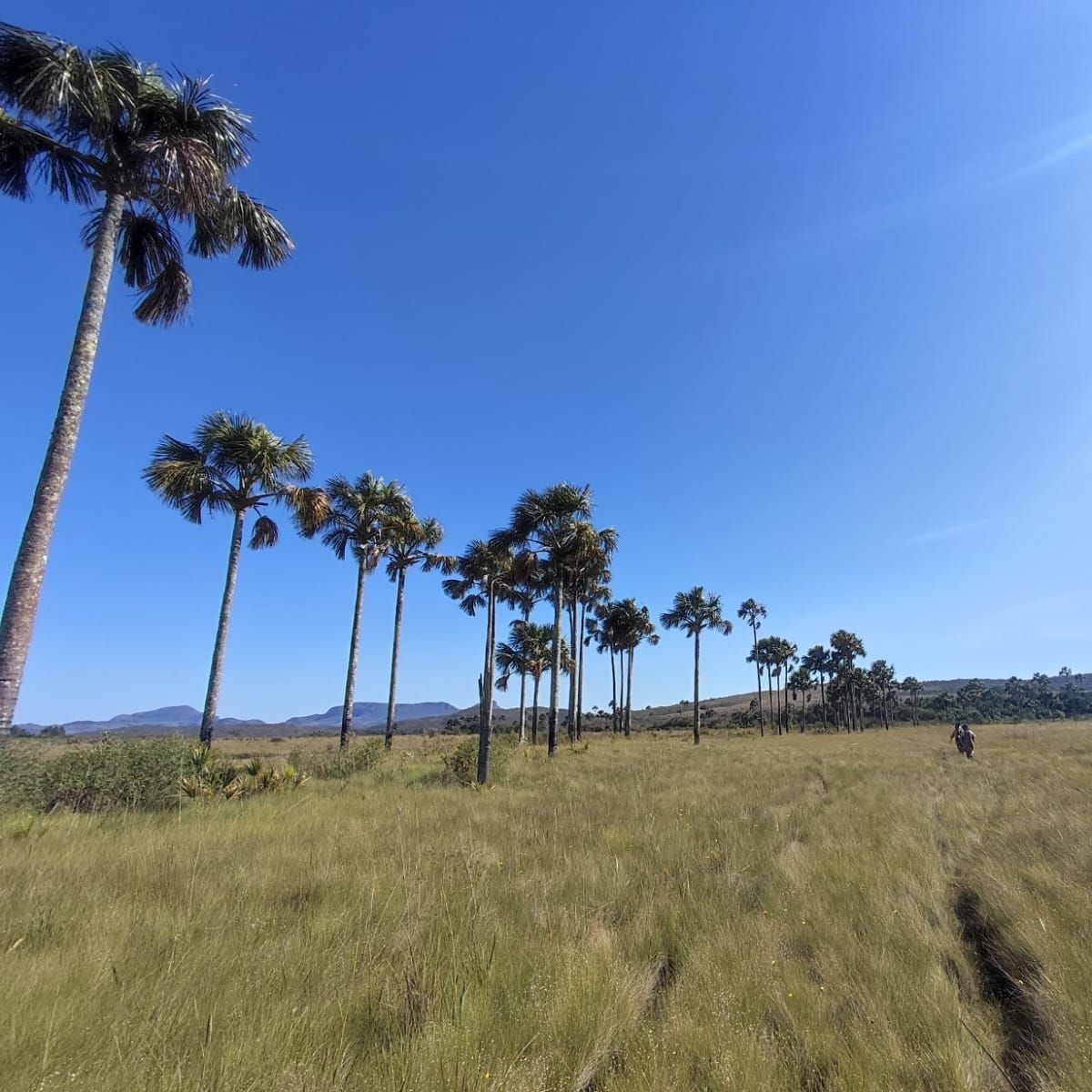
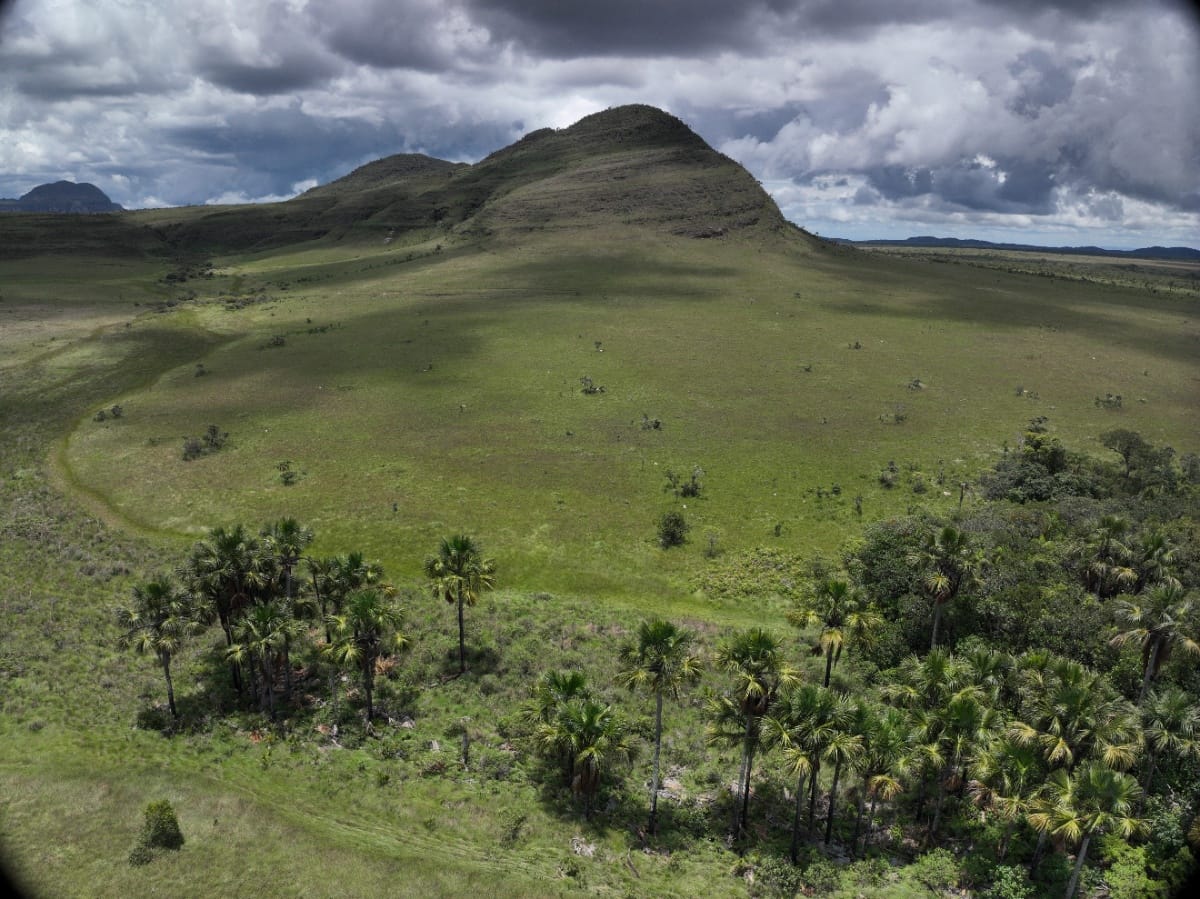
The research team worked across several wetlands in and around Chapada dos Veadeiros National Park, one of the largest conservation areas of the Cerrado in central Brazil. They focused on two types of wetlands: palm-dominated swamps, locally known as veredas, and open wet grasslands fed by groundwater, known as campos úmidos.
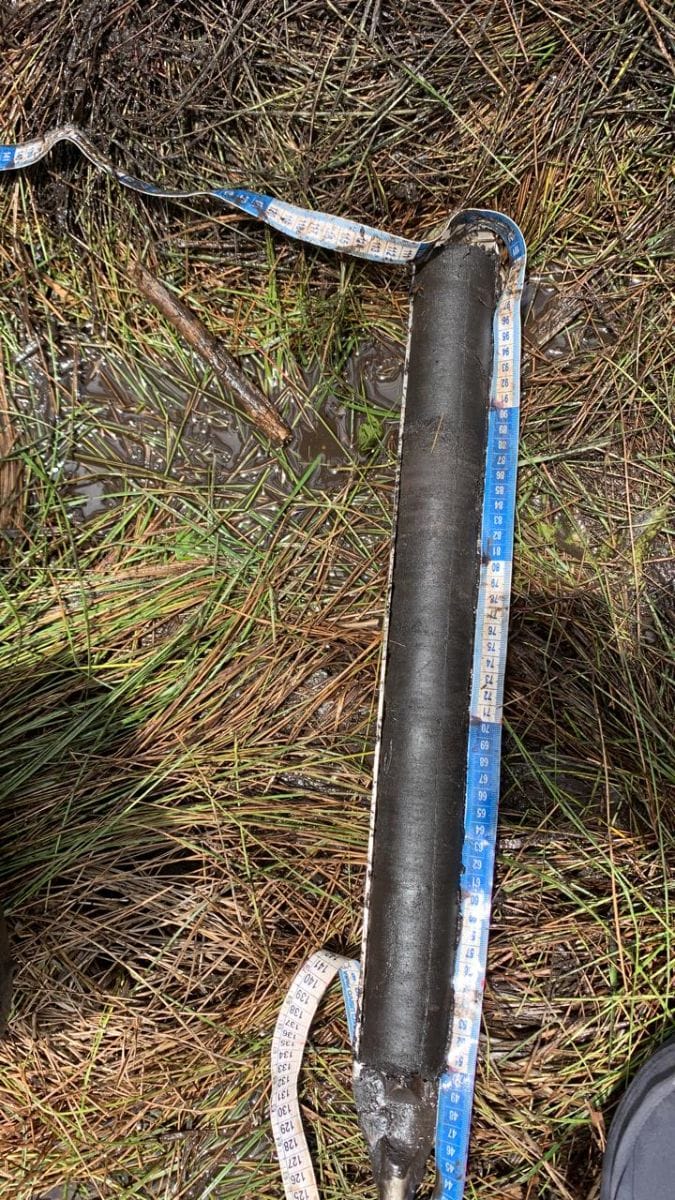
To understand how much carbon these ecosystems store, the researchers extracted deep soil cores reaching down as far as four metres. By analysing each layer, they reconstructed how carbon had accumulated over time. They also measured plant biomass above and below ground to estimate the total carbon stored at each site. In addition, they examined the chemical composition of the soil to assess how “stable”—or easily decomposed—the carbon is, and used radiocarbon dating to determine how old it is.
To capture how these wetlands behave today, the team also measured greenhouse gas emissions. Using sealed chambers placed on the soil surface, they monitored carbon dioxide and methane released from the ground across different seasons, allowing them to track how emissions changed throughout the year.
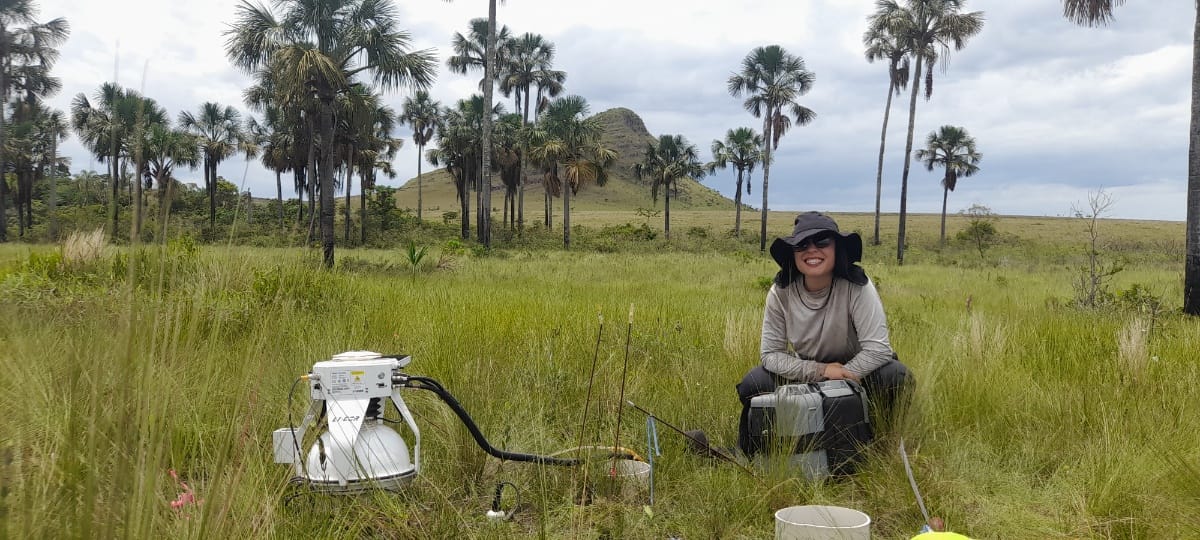
These measurements revealed that the soils of these wetlands store extraordinary amounts of carbon, more than 1,100 tonnes per hectare, far exceeding most savanna vegetation and even rivalling some of the world’s best-known tropical peatlands. Notably, 96% of this carbon is locked in thick soil layers rather than in vegetation, thanks to shallow groundwater that keeps soils wet for much of the year. Radiocarbon dating showed that this material has been accumulating for thousands to tens of thousands of years, with some deposits more than 20,000 years old. According to the authors’ estimates, these wetlands cover roughly 16.7 million hectares, making them a major, previously underestimated component of Brazil’s carbon landscape. In an interview with Botany One, Verona commented:
“Carbon can only be stored in these systems under flooded conditions, which create anoxic environments that slow down decomposition. Therefore, the accumulation and long-term preservation of carbon over thousands of years suggest that the hydrological dynamics of these wetlands have remained relatively stable over long timescales.
If prolonged or intense droughts had occurred frequently in the past, this stored carbon would likely have been exposed to oxygen and decomposed, preventing its long-term accumulation. Thus, the presence of very old carbon indicates that these ecosystems have maintained persistent flooding conditions over time.”
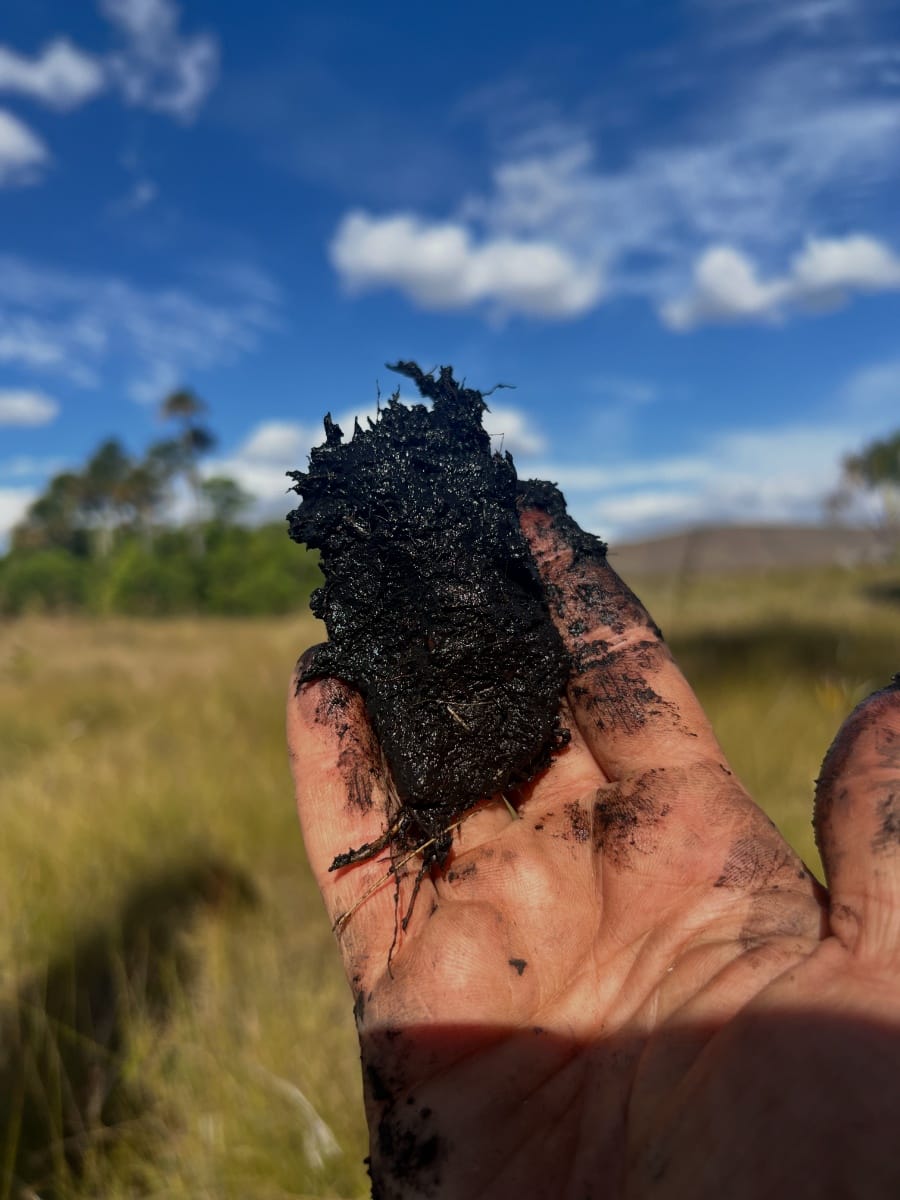
Yet despite this long history, the chemical analysis revealed a key vulnerability. Since the vegetation of veredas and campos úmidos is mostly herbaceous, the organic matter is relatively rich in cellulose and hemicellulose, compounds that microbes can break down easily, making it more fragile than peat in other tropical regions. In contrast, many tropical peatlands contain higher amounts of lignin, a tougher compound that resists decomposition.
This difference became clear when the researchers measured greenhouse gas emissions. Cerrado wetlands released large amounts of carbon dioxide, particularly during the dry season, when falling water levels allow oxygen into the soil and accelerate decomposition. Methane followed a different pattern: emissions were highest in permanently flooded areas, but could drop to near zero during dry periods in seasonally flooded sites. Remarkably, around 70% of total emissions occurred during the dry months, briefly turning these ecosystems from carbon sinks into carbon sources. Verona explains that both carbon and methane dynamics are strongly controlled by water level, which in turn affects the presence of anoxic conditions. “Carbon dioxide emissions are driven by aerobic decomposition and are suppressed under high water table conditions due to limited oxygen availability. Under these flooded, anoxic conditions, anaerobic microorganisms become dominant, including those that produce methane. During the dry season, as the water table declines, anoxic conditions are reduced or lost. This shift promotes aerobic decomposition, increasing carbon dioxide emissions, while simultaneously reducing methane production”.
Because these processes are tightly linked to water availability, any changes in hydrology, such as altered rainfall, rising temperatures, groundwater extraction, or land-use conversion, can disrupt the conditions that keep carbon locked away. In other words, carbon stored over millennia could be released far more rapidly under increasing environmental pressure.
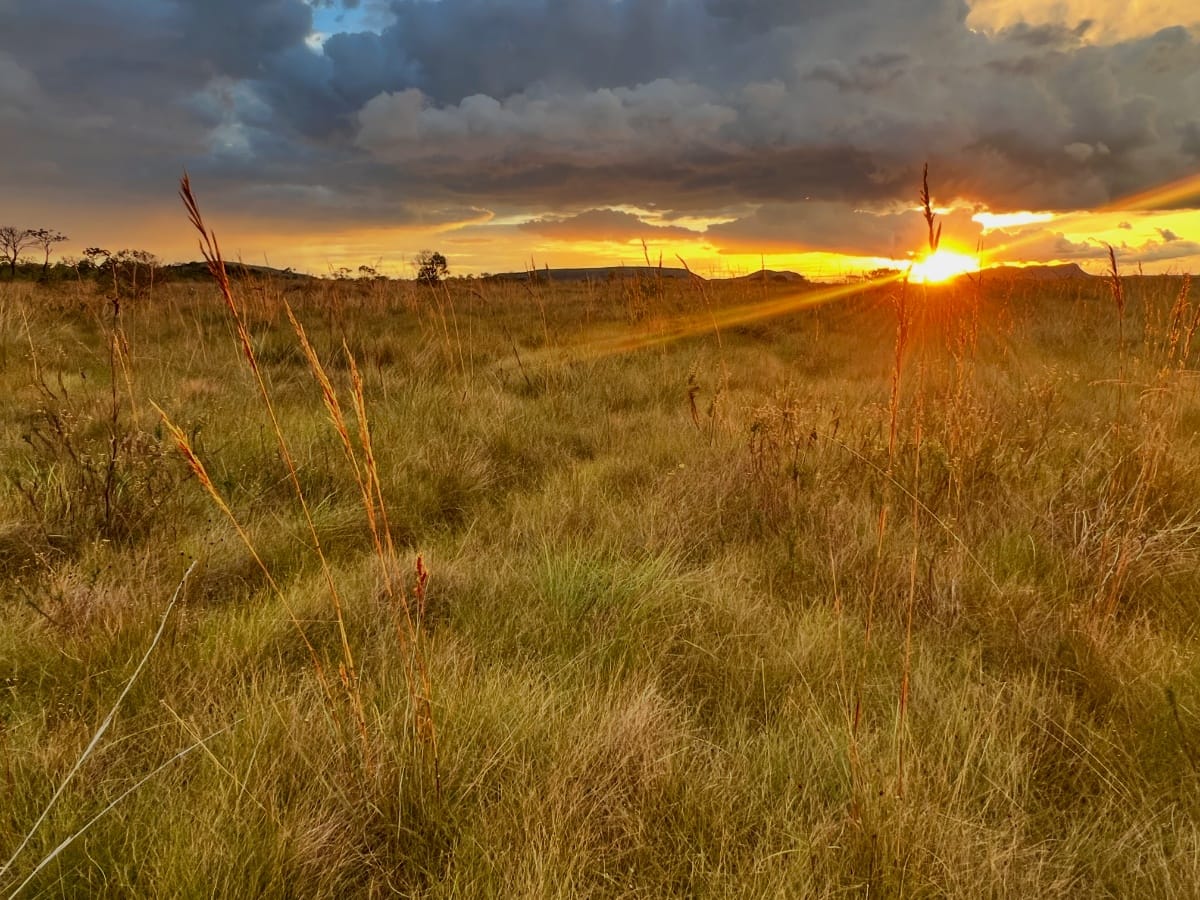
Taken together, the findings present Cerrado wetlands as both a climate ally and a potential risk. As agriculture expands, groundwater is diverted, and dry seasons intensify, these systems may approach a tipping point where long-term carbon storage gives way to rapid emissions. What makes this especially urgent is that they have been largely overlooked in climate strategies that prioritise forests, leaving a major carbon reservoir unprotected. Safeguarding veredas and campos úmidos will require recognising their hidden value, not only for their biodiversity, but as critical carbon stores in one of the world’s most threatened biomes.
READ THE ARTICLE:
Verona LS, Zanne AE, Trumbore S, et al.. 2026. Vast, overlooked peat, and organic soils in Brazil's Cerrado: carbon storage, dynamics, and stability. New Phytologist. https://doi.org/10.1111/nph.71027
Cover picture: Veredas at the Parque Nacional Chapada dos Veadeiros. Photo by Guilherme Alencar.