
It’s common for botanists to lament how people are more disconnected from nature and understand it less. At first glance a recent paper by Gaël Le Roux and colleagues backs that up. Over a 10-year period in France, there were over 80,000 cases of accidental plant exposures reported to French Poison Control Centres. But when they took a closer look they found something odd happening.
There were certainly cases of people getting unwittingly poisoned by plants around them, such as toddlers putting things in their mouth. Two thirds of cases involved the under-sixes, but most of the time they weren’t symptomatic. The moderate or severe cases were more likely to be in adults. Why? Well, one reason might be that the toddlers didn’t know what they were doing, they might chew a leaf and spit it out. But the adults unfortunately thought they did know what they were doing. This meant they might have gone out of their way to ingest the poisonous plants.
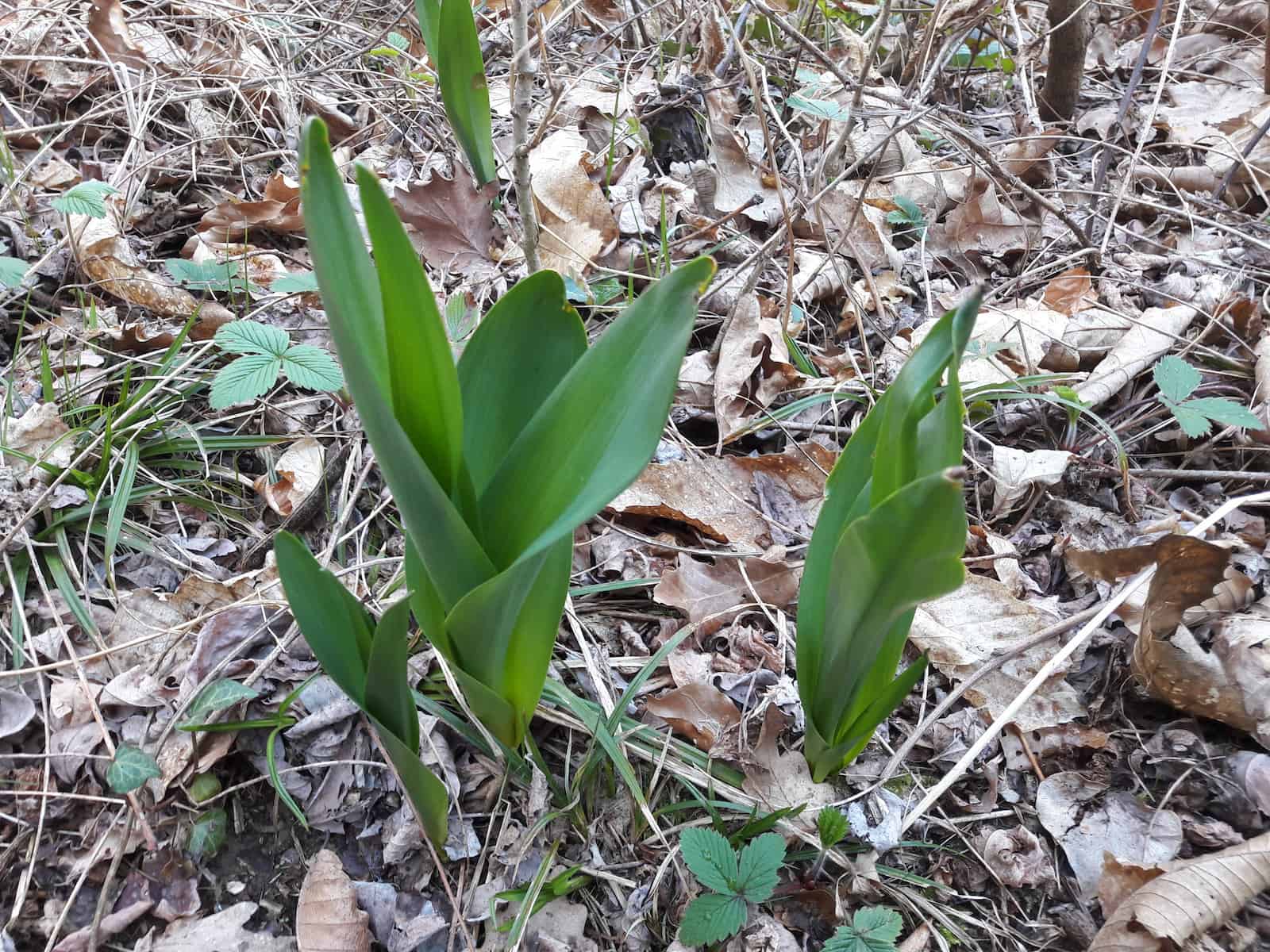
There are some sample cases. A woman made pesto with what she thought was wild garlic. It wasn’t wild garlic. It was autumn crocus, Colchicum autumnale. A two men in separate incidents ran afoul of the same plant. One ate roots of what they thought was wild parsley and in the other case it was thought to be wild carrot. What both of them had found was hemlock water-dropwort, or Oenanthe crocata. All three sadly died.
It’s not just mistaken cases of food. Le Roux and colleagues also found examples of therapeutic uses of herbs gone wrong. In one case a woman over 60, a regular user of herbal remedies, thought she’d eaten some comfrey, which itself is not a great idea. Unfortunately, what she’d actually eaten was foxglove, and again it was fatal.
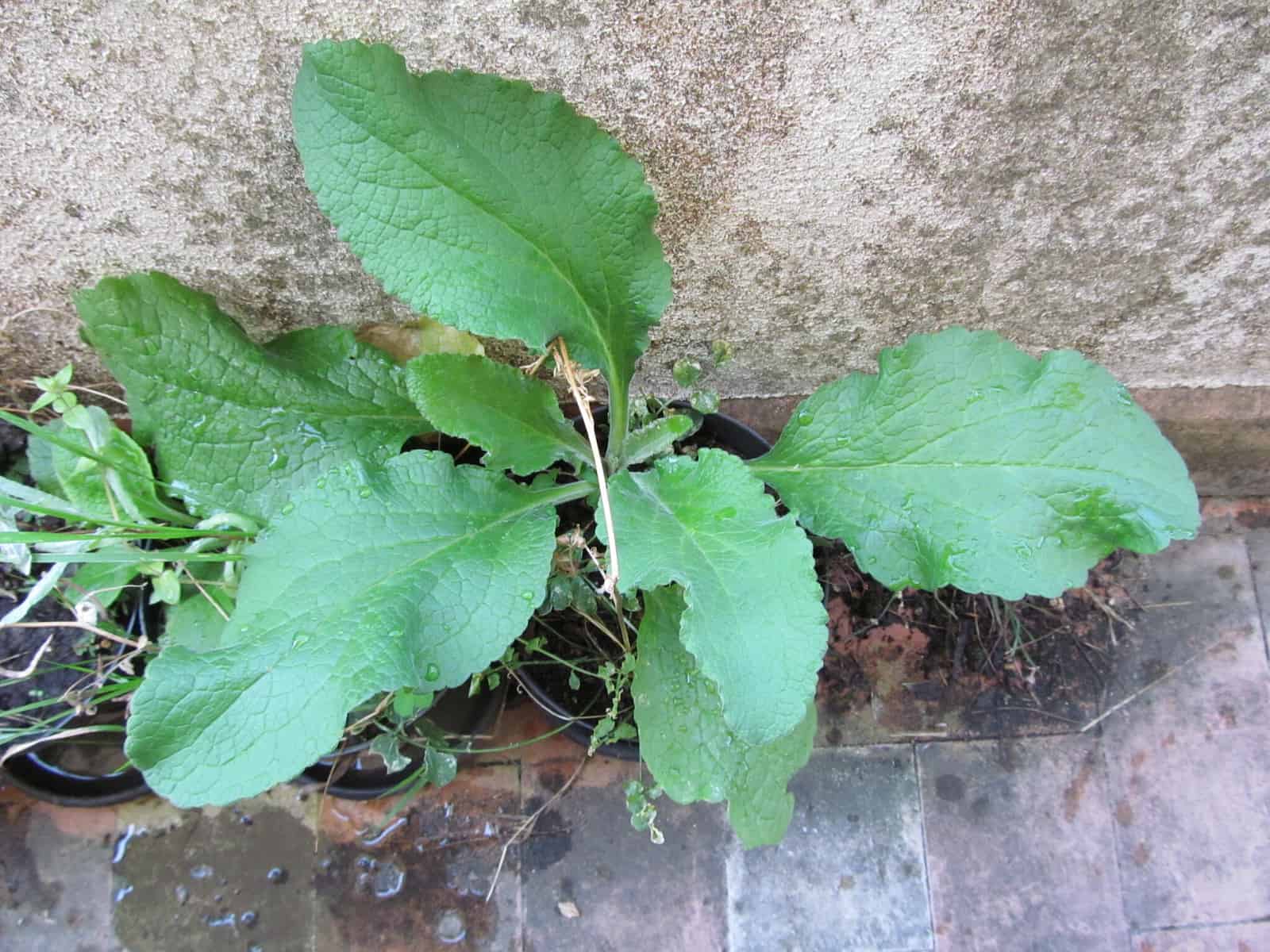
What connects these cases isn’t that people are wilfully ignorant of plants. On the contrary, these are people who are seeking out plants, and appreciating them. Regrettably, they’re not very good at identifying them. Le Roux and colleagues write: “...plants that were once familiar are becoming indistinguishable, and popular reference points are being lost. These mistakes, sometimes fatal, illustrate the risks of a modern reconnection with nature driven by a desire to return to direct contact, but lacking sufficient transmission of botanical knowledge.”
Some plants may be causing trouble across Europe. Le Roux and colleagues looked at poison centre reports from Belgium, Switzerland, Germany and Sweden. Between them, the reports feature spurges, yew, foxglove, datura and aconite. Yet they also argue there’s a need for localised knowledge. They cite a recent publication which found in southern France that most poisonings came from oleander. This is a Mediterranean plant, common in the region. What matters are the plants that grow locally.
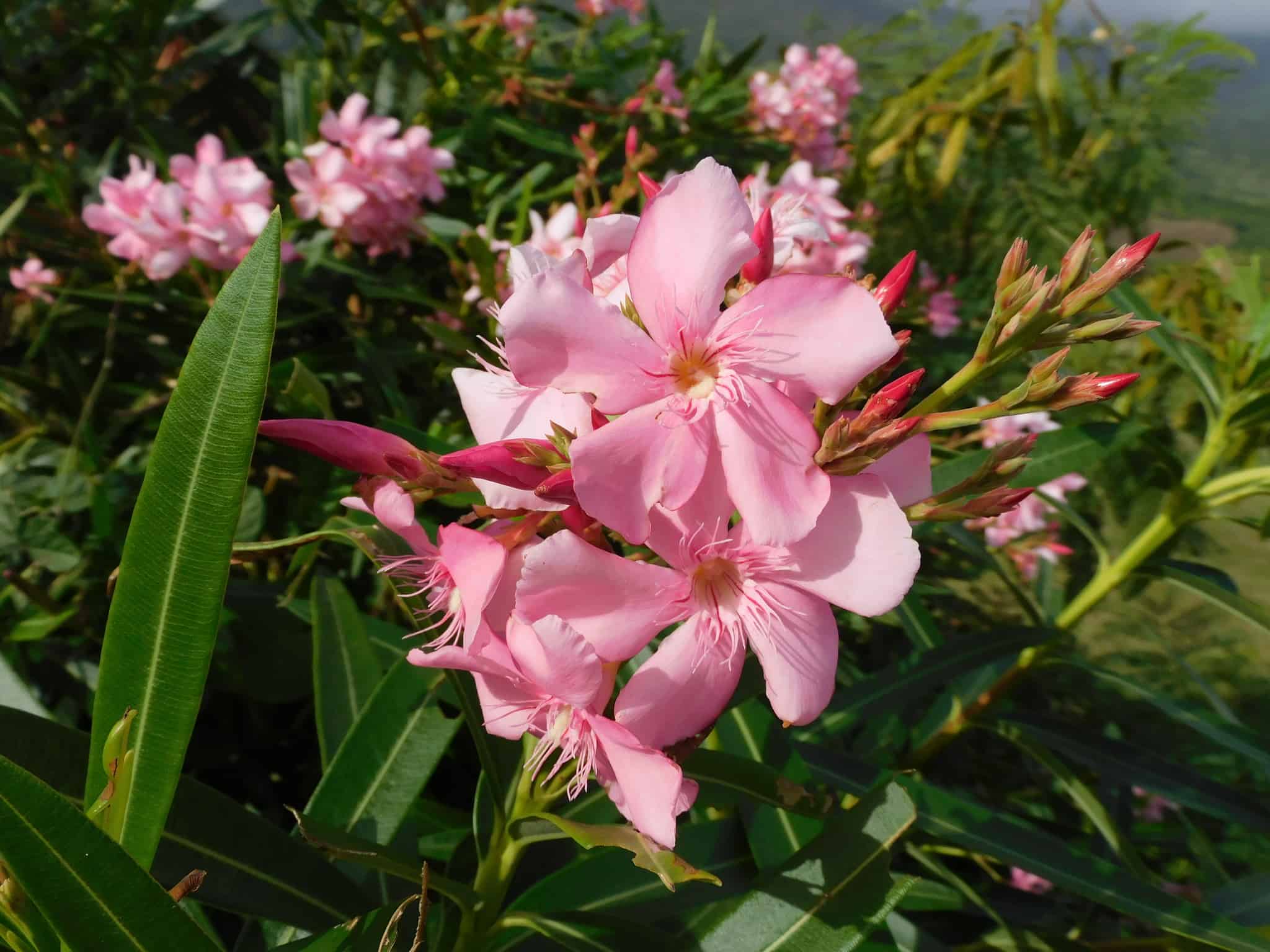
Probably.
Where the poisonings of the future are going to come from is something that would be useful to know. They mention that houseplants can be a problem. There’s a drive for more and more exotic plants, though there might be a lack of knowledge about safety. Discussion about ornamental plants in gardens and the house tends to be “are they cat safe?” It might be helpful to expand that to “are they human safe?” too.
READ THE ARTICLE
Le Roux, G., Maillot, A., Michel, S., Langrand, J., Larréché, S., Tournoud, C., Boels, D., Labadie, M., Delcourt, N., Paret, N., de Haro, L., and Sinno‐Tellier, S. (2026) Accidental plant poisonings in France: Lessons from a decade of national toxicovigilance. PLANTS, PEOPLE, PLANET. Available at: https://doi.org/10.1002/ppp3.70258.
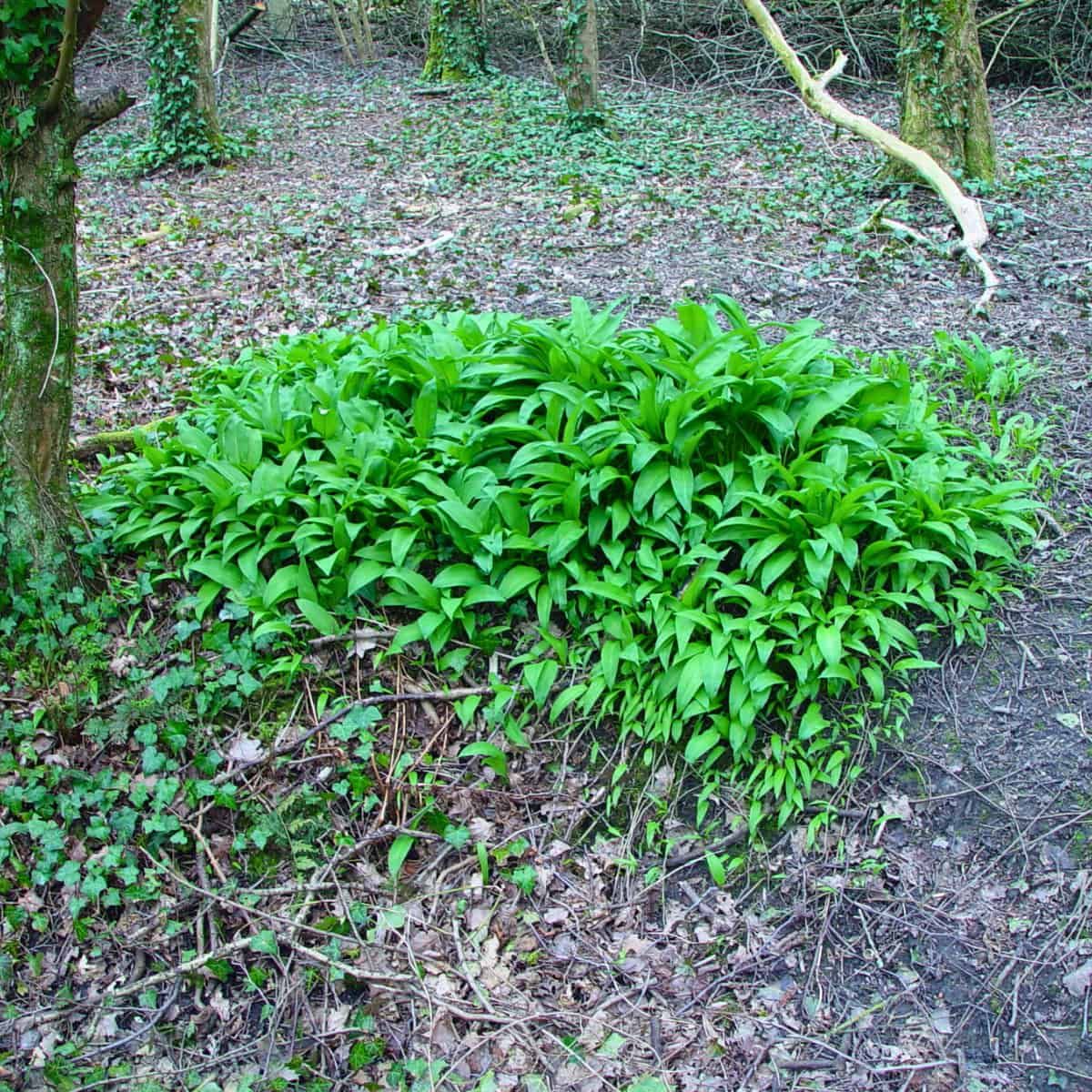
Cover image: Allium ursinum by David Earl CC BY-NC