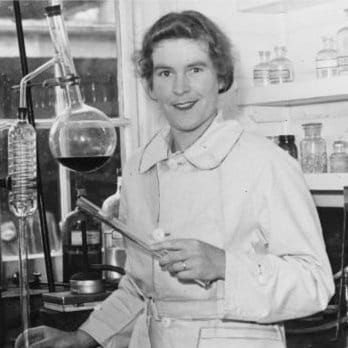

Natural history collections are historical repositories brimming with potential. Not only are plant and fungal specimens fundamental to scientific research, but they also give us insights into the places, people, and times involved in their collection.
Thanks to worldwide digitisation efforts, we now have more power to detangle these stories and give specimens more meaning - and not only for plants, but fungi too!
Digitisation accelerates the transformation of a collection object into an ‘extended specimen’. By engaging with specimens in biological and social contexts, researchers constantly enrich their accompanying datasets, ‘extending’ their meaning and suggesting future work. Digitisation allows us to bridge collections from across the world, frame specimens in their historical contexts, and tell the stories of under-recognised groups.
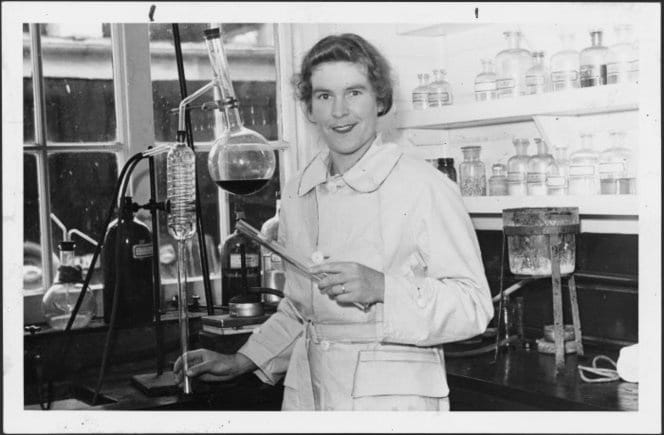
Published in Plants, People, and Planet, a new study maps the collector-networks of New Zealand mycologist Greta Barbara Stevenson (1911-1990) to contextualise her fungal collections.
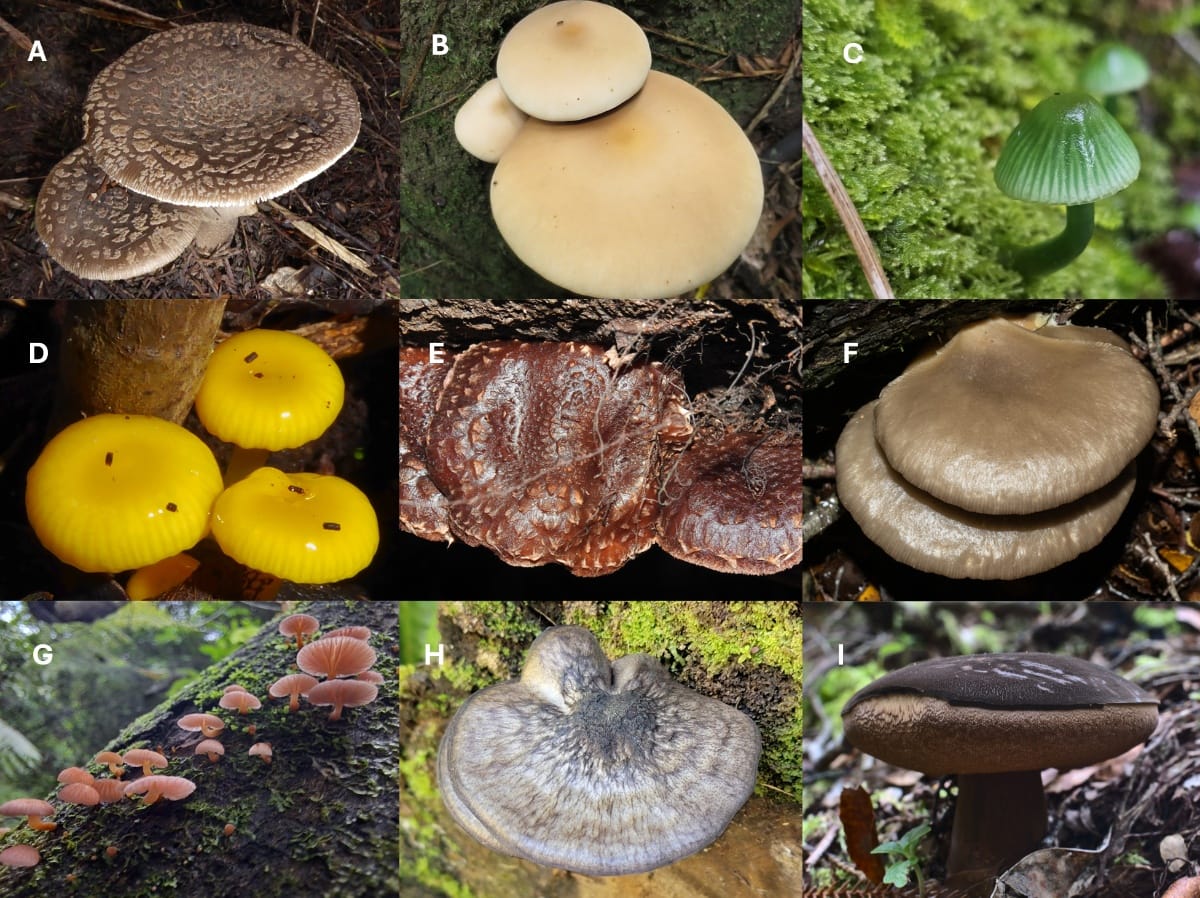
Digitised records from Kew’s Fungarium and the New Zealand Fungarium Te Kohinga Hekaheka o Aotearoa form the basis of this research by Christopher Kreuzer at the Royal Botanic Gardens, Kew, Geoff Ridley at Manaaki Whenua – Landcare Research (who keeps an excellent blog here), and Nathan Smith at Amgueddfa Cymru National Museum Wales.
Stevenson was one of the most prolific female mycologists of the last century. Born in Auckland, she received an MSc from the University of Otago and a PhD from Imperial College London. Best known for her five-part Kew Bulletin series detailing and describing New Zealand’s mushrooms (accompanied by her own detailed watercolours), Stevenson named 151 new species. She taught and worked in universities, research institutes, and schools across the United Kingdom and New Zealand, sometimes for long, unpaid stints - she also participated in New Zealand’s first significant all-female mountaineering ascent.
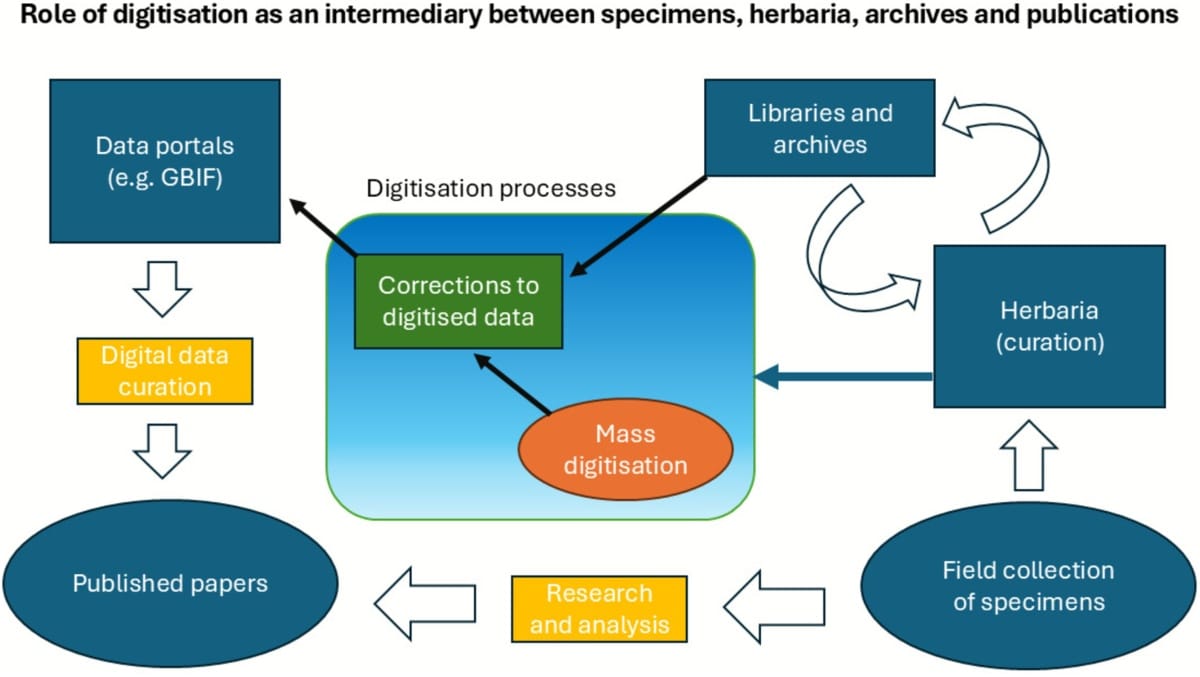
The figure below shows how the authors characterise digitisation as an “archival intermediary”. Stevenson’s specimens were brought into contact with archives and scientific publications, which were used to create a more informative dataset. The authors could then identify collectors, analyse their relationships, and properly quantify their collections.
Stevenson’s ‘first herbarium’, assembled over her early career (1946-1958) and kept at Kew, featured more women collectors than men, whilst her ‘second herbarium’ in New Zealand (1973-1983) was more evenly split between men and women.
Many collectors were Stevenson’s friends and associates, reflecting strong kinship between female scientists in New Zealand. For example, her first herbarium contains specimens from Marie Taylor, from which Stevenson described nine new species. Taylor was another pioneering mycologist who popularised New Zealand’s mycofauna through her guidebooks and illustrations.
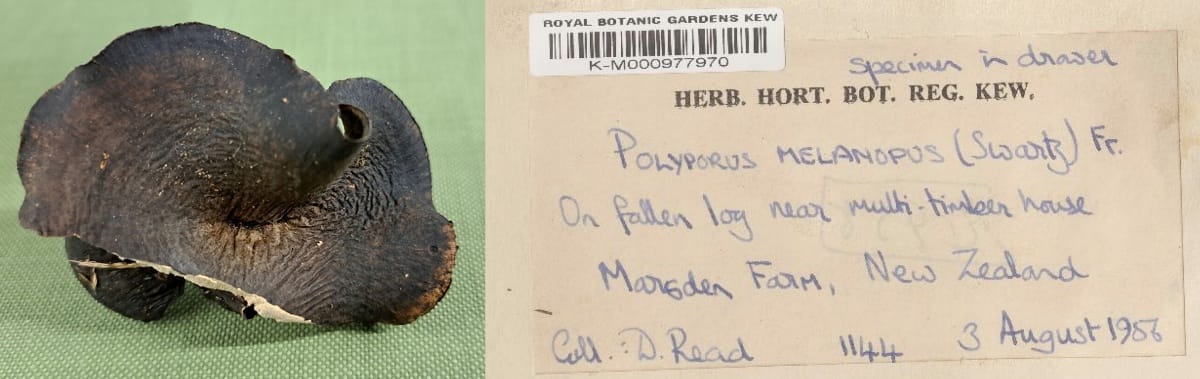
After Stevenson, the next most prolific collector in her ‘first herbarium’ was Dorothy Read. Read was a technician at the Cawthron Institute in Nelson, where Stevenson moved in the 1950s. You can see one of her specimens with its label below:
Botanical societies were also hubs of mycological knowledge. Collectors in Stevenson’s herbarium were grouped together based on their membership of societies, which involved amateur and professional botanists alike – Stevenson herself was an active member of the Wellington Botanical Society.
Other collectors were associated with schools, universities, and public courses where Stevenson taught and worked. In their paper, Kreuzer, Ridley, and Smith recognised collectors whose contributions had evaded the literature, allowing their voices to enter the history of mycology for the first time.
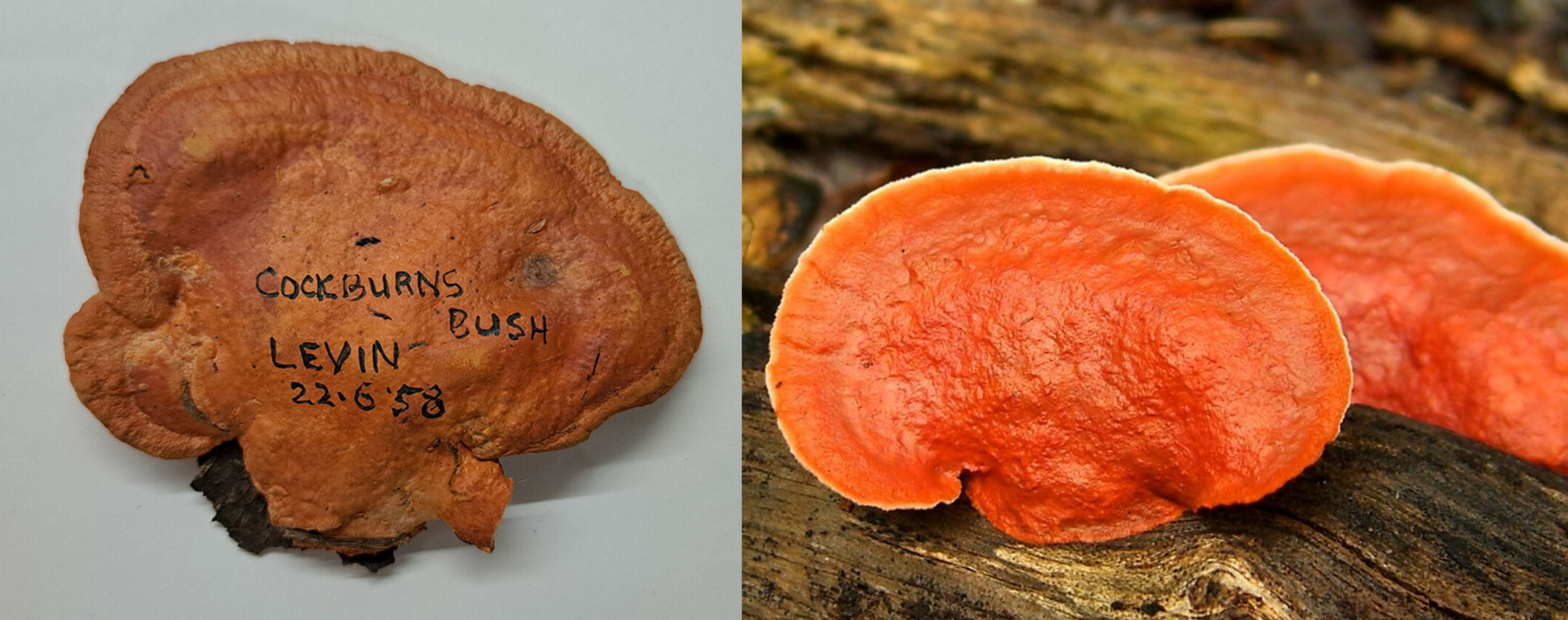
Stevenson’s collector-networks generate other questions – how did gender influence natural history collections? For example, as a single mother, Stevenson’s collecting was interrupted when she changed jobs and had to resettle her family. And were there more female collectors in her first herbarium because of wartime?
Digitisation does not reduce specimens into one-dimensional online records, but extends them. Stevenson’s specimens are now better anchored in her own biography and output, thanks to corroboration with her notebooks and publications. However, we can also see the wider network around her that brought mycological knowledge into being, including not only women scientists such as Marie Taylor and Dorothy Read, but farmers, students, teachers, and amateur botanists.
A specimen can be linked to collector labels, photographs of botanical societies, newspaper articles, notebook entries, student registers, or other specimens in the world. Digitisation allows these threads of data to meet and generate richer accounts of the collectors, friendships, societies, institutions, and wider historical and geographical contexts that are connected with specimens and scientific knowledge.
Like fungi themselves, many of the stories surrounding natural history collections have remained cryptic, complex, and yet to surface. We can use digitisation to bring together records and make these stories visible. Specimens become part of a much more meaningful history of science, place and people.
You can see some of Stevenson’s collections in Manaaki Whenua — Landcare Research’s Systematics Collections Data website (SCD). Also, explore some of her drawings and handwritten descriptions!
READ MORE:
Kreuzer C, Ridley GS, Smith NEC. 2026. Digitisation as archival intermediary: Quantifying and qualifying Greta B. Stevenson's mycological collector networks. Plants, People, Planet. https://doi.org/10.1002/ppp3.70173
Guest Writer Profile
Ben is a New Zealand-born, London-based ecology graduate who surveys mycorrhizal diversity as part of the RBG Kew team. He is passionate about natural history collections and excited to spotlight their stories as a Botany One guest writer.

_1941.jpg?ref=botany.one)