
Digital botany is changing what we can ask of old collections. Herbarium specimens, once used mainly for taxonomy and identification, are now helping researchers study evolution, species distributions, environmental change, and conservation priorities at a global scale.
To explore that shift, Botany One interviewed Dr. Barnabas Daru, Assistant Professor of Biology at Stanford University in California. He studied botany in Johannesburg and was a postdoctoral researcher at Harvard University, where he worked on new uses of herbarium specimens for the understanding of plant ecology and evolution in the Anthropocene. In his current research, Daru examines the role of phylogeny in understanding how species are distributed, conserving unique communities, and understanding changing distributions in the Anthropocene. This interview has been edited for clarity and brevity.
What made you become interested in plants?
I never planned on studying botany. It kind of happened incidentally. I was on a field course, called the Tropical Biology Association field trip in Uganda, to a place called Kibale National Park. The idea for that was for young undergraduates or those who are just about to finish their undergraduate studies to get some field experience, and also to try something new that they've never done before. I majored in zoology, studying mostly insects, and so I wanted to do something that was slightly different from zoology. We spent a whole month in the field doing research and being taught by different professors. I experimented on pollinators visiting an invasive species of plant called Lantana camara. And so from there, I was interested in just sitting and watching all of these bees, butterflies and flies visiting the plant in so many different ways, especially compared to how they would visit other native plants. That got me interested in how much a species would contribute to providing food to these animals. From there, I wanted to know more about botany, and so I ended up doing my Master’s and PhD in botany.
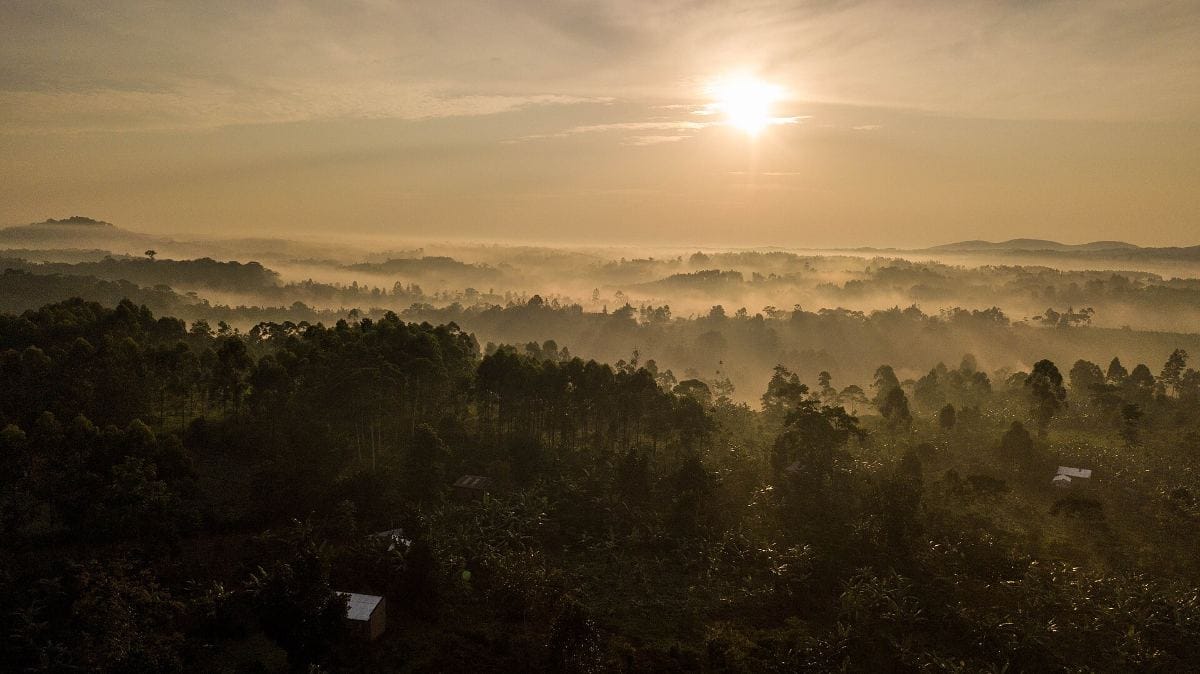
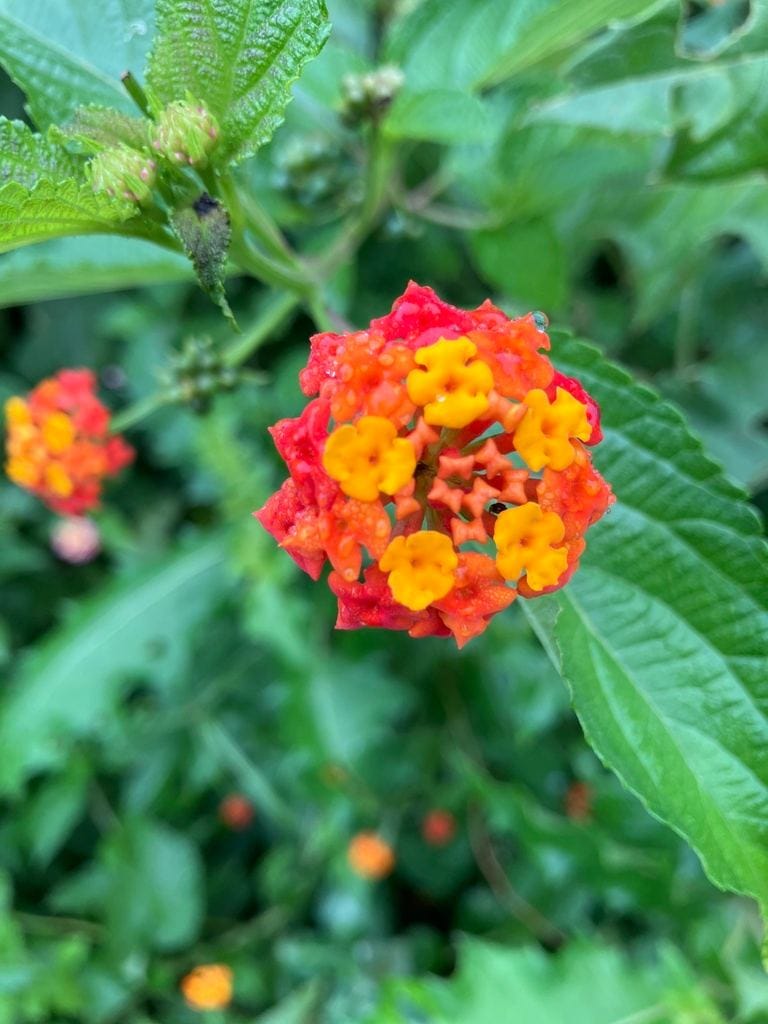
Kibale National Park, Uganda (Image Credit: Brina Kalibbala / Wikimedia / CC BY-SA 4.0). There, Lantana camara may look cheerful, but it is one of the world’s most widespread invasive plants. Its flower clusters often shift from yellow to orange and red as they age, creating colourful cues for pollinators while helping this hardy species spread. Image from Bujongobe, Kibale, Western, Uganda. Credit: brettaugust / iNaturalist / CC BY 4.0
What motivated you to pursue your current area of research?
My PhD was in applied botany, biogeography, and evolutionary biology, focusing on methods and techniques that were more biogeographical, evolutionary, and ecological. Then there was a postdoctoral fellowship opportunity at Harvard University Herbaria, to focus on utilizing collections for ecology and evolutionary biology. I proposed three objectives: to look at extinction risks, microbial interactions with plants, and then the third was to look at the behaviour or the biases of herbarium data. When I started my faculty position, I had to figure out what the people in my lab were going to work on in terms of research and questions. That led me to write a few papers and then set out a project, looking at herbarium data of seagrasses for example. Then I eventually moved to my new role here, as a faculty position at Stanford, where I ended up writing some review papers on my quest to really understand what's going on in that [making the most out of herbarium data] realm.
In this video from 2018, Daru explains his project to study the microbial diversity in herbarium specimens of marine flowering plants.
What is your favourite part about working with botanical/herbarium collections?
I think it's just the ability to get back [into the field]. For me, retracing the routes of where the plants were sampled and then collecting the plants. Just to say this spot I'm standing on, it's possible someone 100 years ago stood here and collected the same plant. And also believing that at some point in the future, 100, 200 years from now, some student would also stand here and say the same thing. Working with these collections helped me see that it's about being part of history and seeing that there’s a story behind each specimen, if you look closely, because each specimen is not just a data point. So just being able to go back to the field, it really helps me to see that actually collecting these specimens, they hold more information than just simple data points and that it takes a whole lot of effort to collect the plants.
What can herbarium data tell us about global biodiversity change?
We can use herbarium data to understand ecological interactions and to understand change over time. And we can use herbarium data as some sort of long-term monitoring experiment, to test what's been going on in the context of plant communities. For example, one thing that we can easily track is population dynamics – the standard ecological logistic growth model, for example, tests whether a species is reaching the carrying capacity under certain conditions or not. That's something one can really track with herbarium data.
Whilst herbarium data has issues (e.g. sampling biases), when those are corrected and adjusted appropriately, then it's possible to even look at directionality – where the plants are moving. We can study what their preferred niches are and whether their distribution appears to be moving North or South, East or West, or whether they are moving towards higher elevations or not.
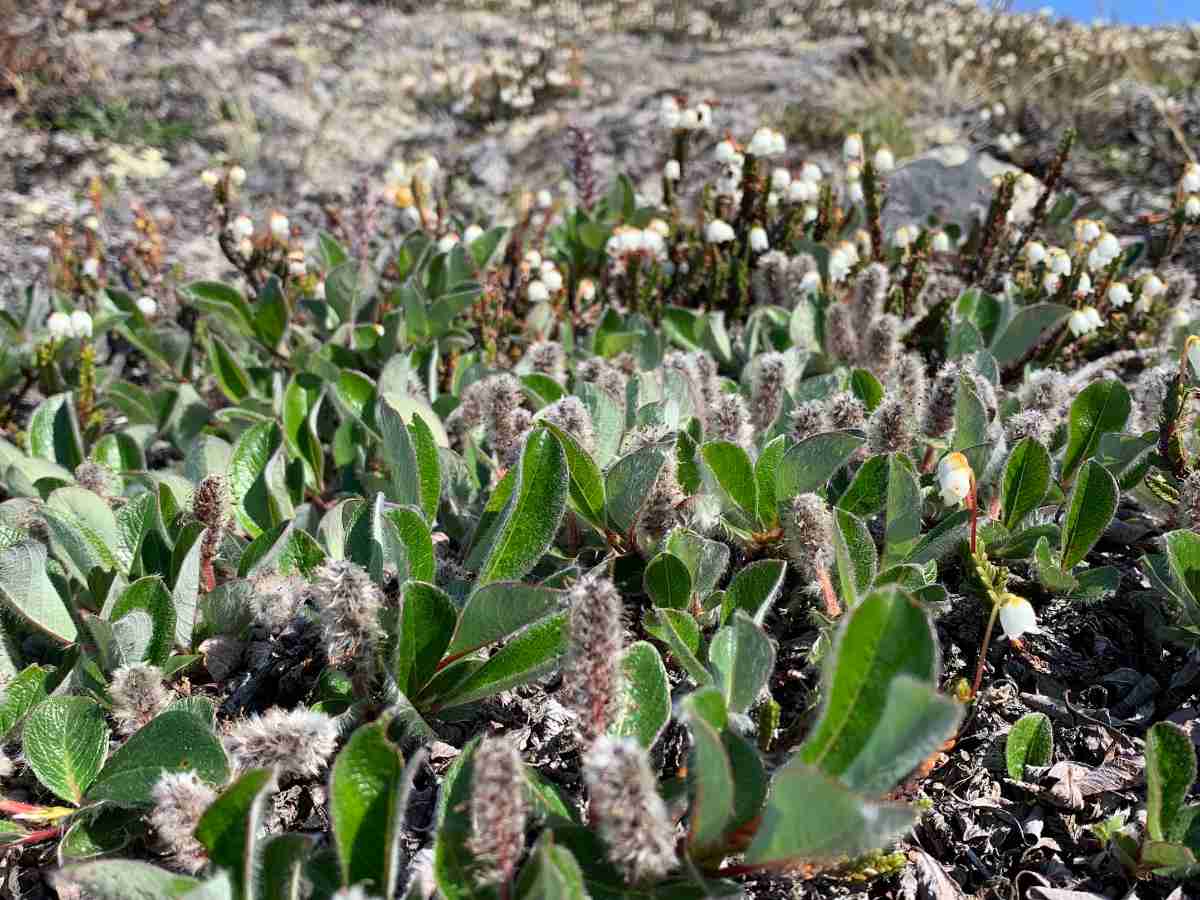
Herbarium data can also help us [understand] functional biogeography. Functional biogeography is an emerging field, and the idea stems from functional diversity, meaning how one could use the traits of organisms to understand how they are different. The context of biogeography is to understand where the functional traits of plants are distributed across space and time. Herbarium data could really help with that.
The very nature of how herbarium data was accumulated or imagined in the first place was originally for classical taxonomy and systematics, and now people are using it in these new ways. But in the context of systematics and taxonomy, a major requirement, at least to be able to collect a herbarium specimen and log it into a herbarium, is that it should have some key distinguishing features in it so that one can be able to identify it.
Some of the key features are that it has to have a leaf, a flower, and a fruit, if possible. Those already are functional traits. And so it's then newer methods, like computer vision models, that might be able to easily extract this. One of my students in the lab is using this approach to test for plants in the Arctic. The way plants respond to the environment can be reflected in the traits, because the traits are what make them function. [...]
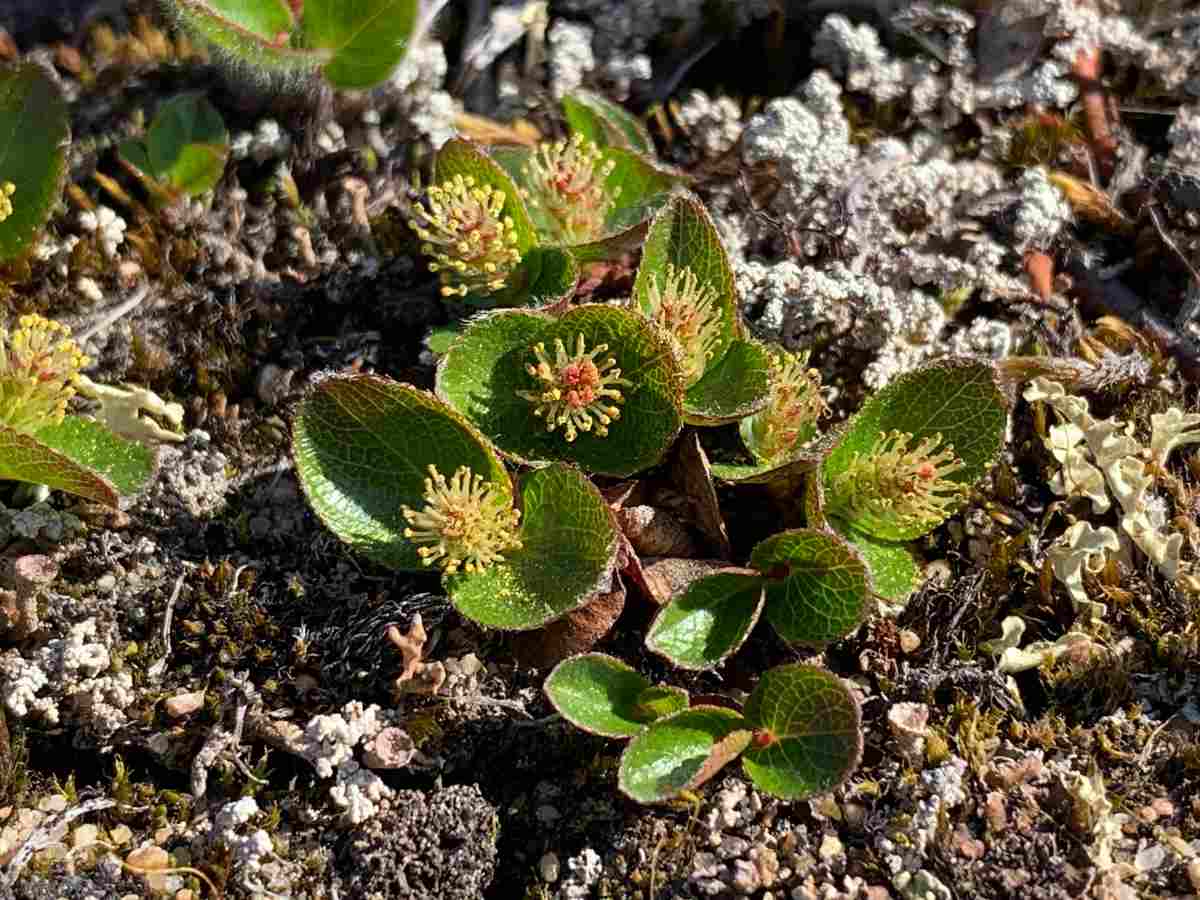
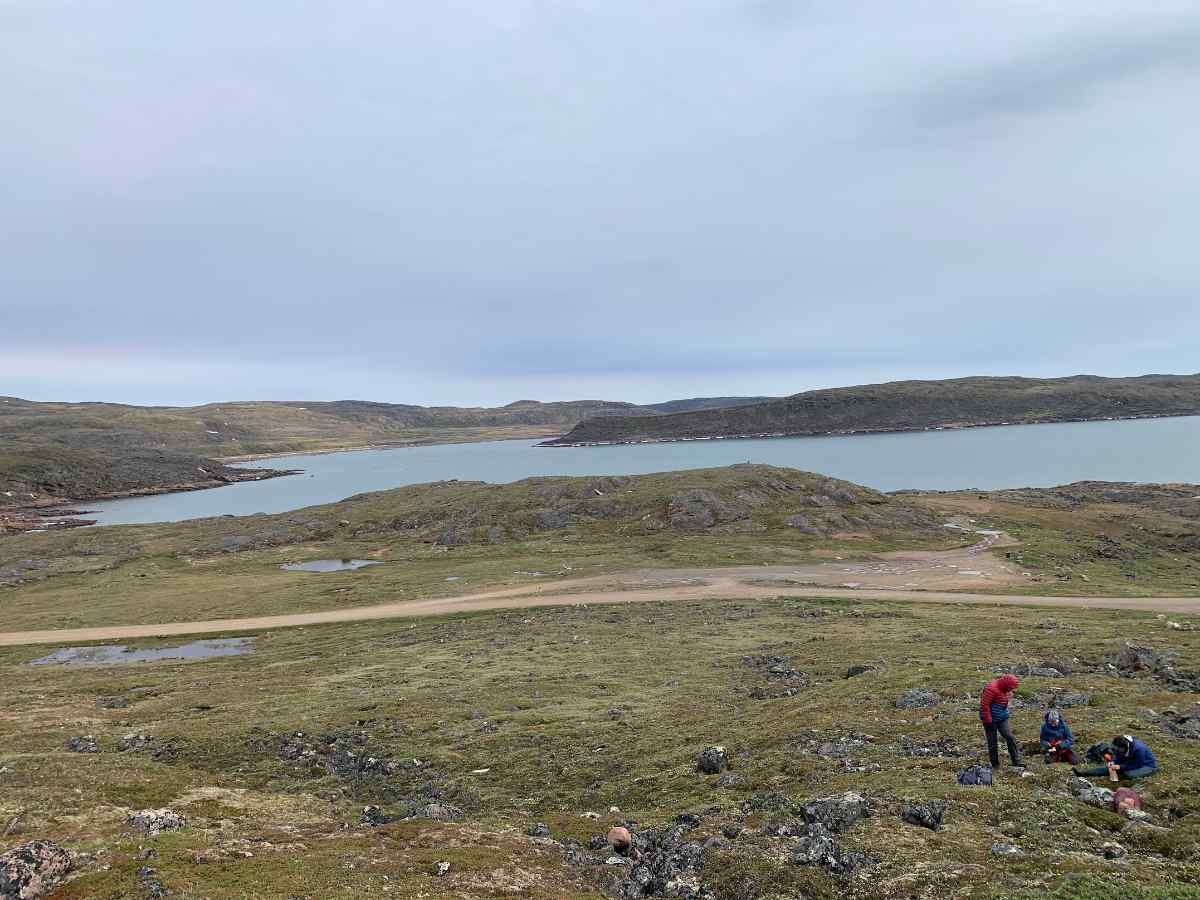
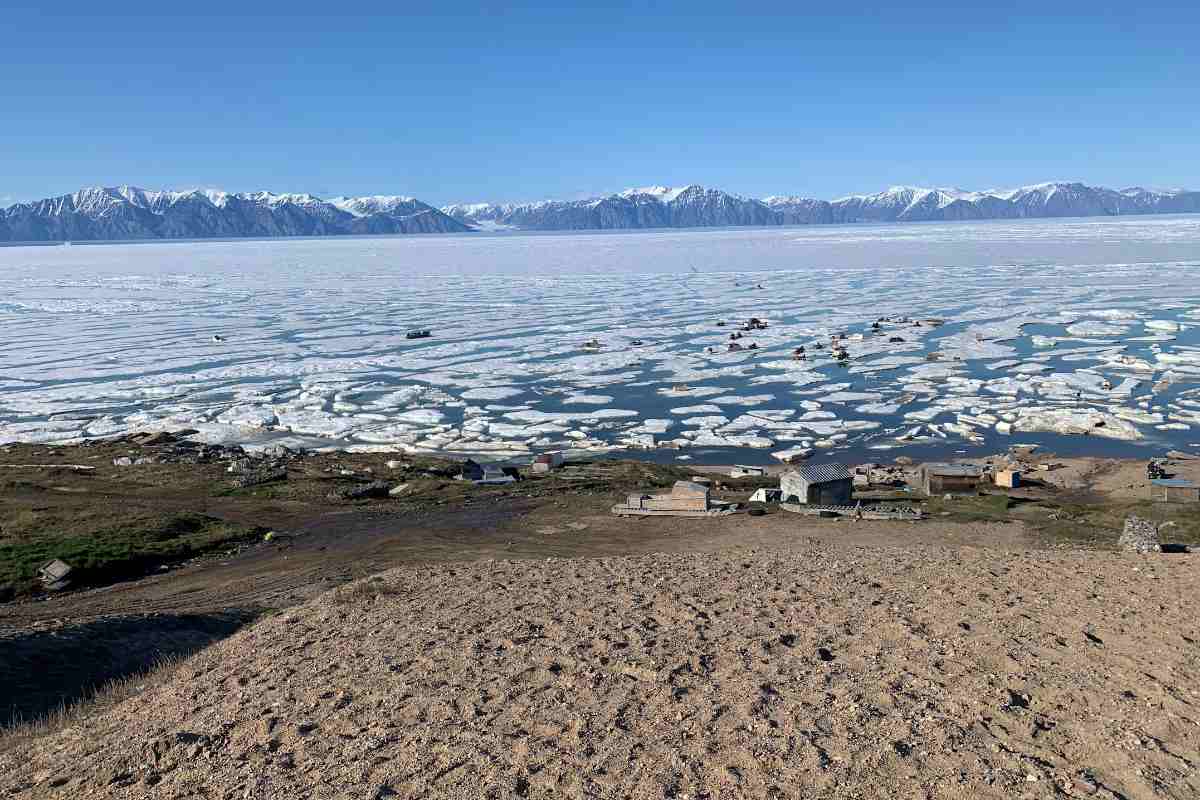
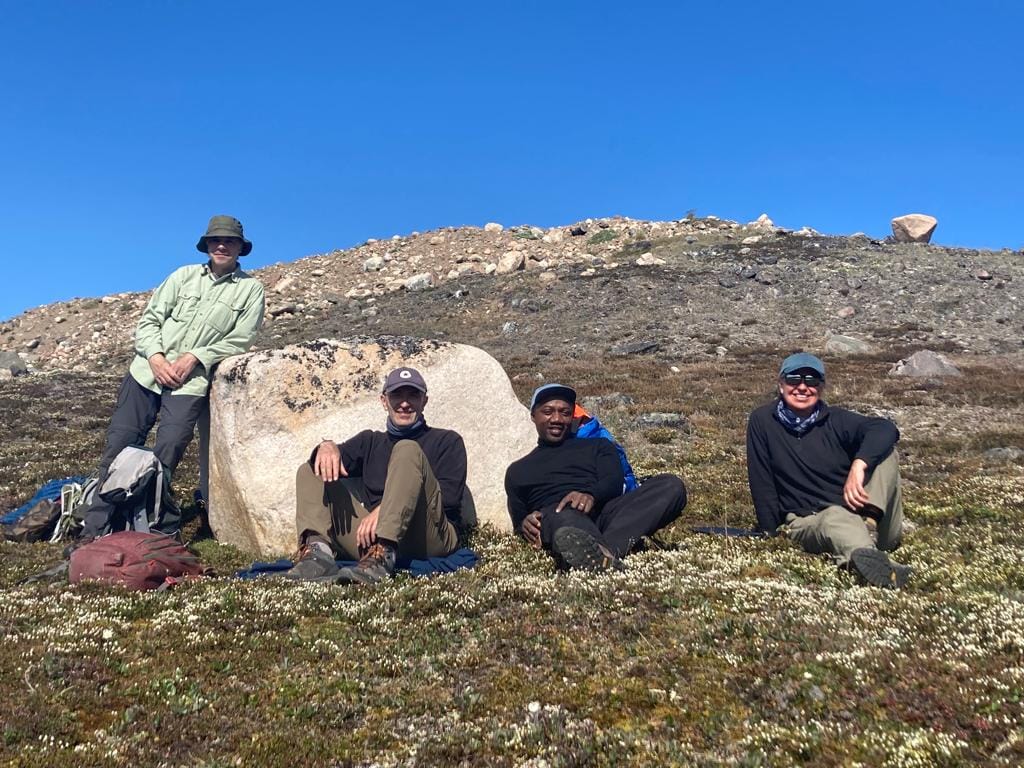
When we were out in Alaska and parts of Nunavut, in northern Canada, the summer temperatures there were similar to those in California, about 70°F. So the question is, if things are also changing in the Arctic, how do we test that?
We retraced the routes where herbarium specimens were collected 100 years ago, and measured the areas of the leaves and other traits, and compared them to how they were 5 years ago, 10 years ago, 100 years ago, to see if, at all, there has been a change. [We] tested this across latitudinal bands and [we] saw that as you move towards lower latitudes, even for the same plant, the size of the leaves increases, and also the margins of the leaf change. Herbarium data is one cool data set that we could use to extract this information.
[Lastly], we can use herbarium data to understand conservation biogeography. One idea is bending the curve of biodiversity change. [We can] imagine 3 possible curves into the future, where one curve is if we continue business as usual, then we are going towards the future where we would only end up with just a few widespread species, and really very distinctive ones are going to disappear.
But if we adapt and at least make some changes, then we may end up with a future where things may be slightly better than the worst-case scenario, with some species. Then there's the best-case scenario, where if we make some really cool changes, the curve can maybe move up.
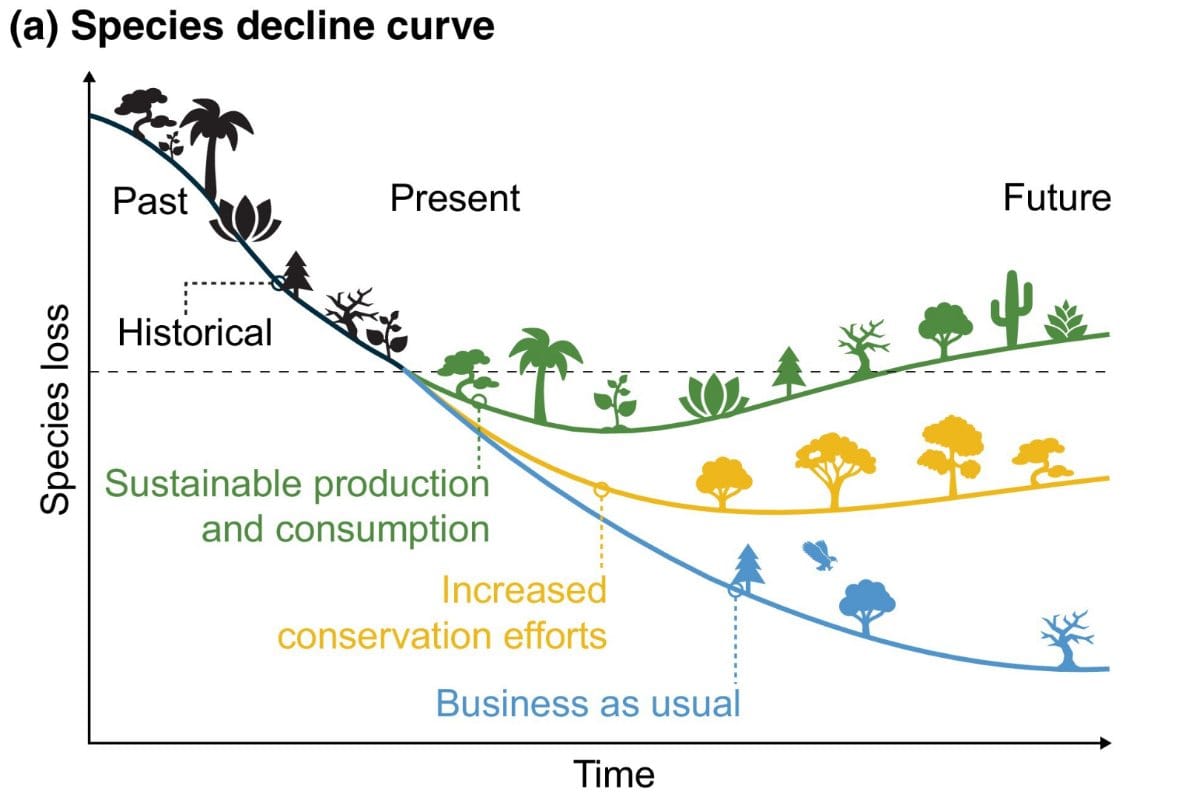
Herbarium data can really help us to address these kinds of things, like how to bend the curve and biodiversity loss. There's another opposite aspect [of biodiversity loss], which seems to be biodiversity gain, but it's a gain in a negative way through invasive species. Invasive species come into a landscape; oftentimes, they seem like they're adding to the biota in the region, but really, they are just causing a homogenization of the biota. They make the communities more similar. And again, we can bend the curve to species invasion in different ways – by how we actively manage invasive species. There is [also a worst case, middle of the road, and best case scenario].
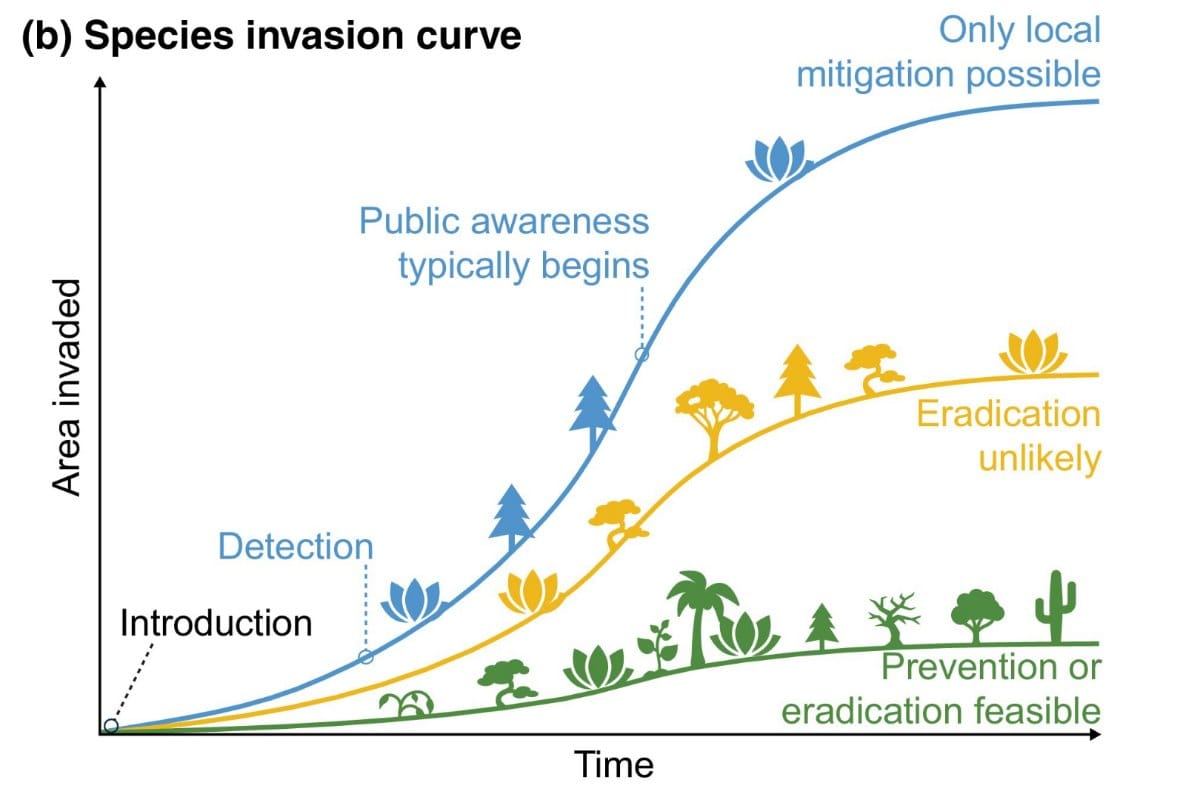
Are there specific plants or species that have intrigued or inspired your research?
I enjoy doing biogeography, but then also, increasingly, certain species have piqued my interest. Seagrasses are one example. Along the coastlines of California, there are four species, including Zostera marina, two Phyllospadix species, and then there's Ruppia maritima. I like all four of them, and we've gone out to the field to collect [them]. I even have a song that I wrote about seagrasses. The California poppy is also really of interest to me because it's the state flower of California and is found only in California and nowhere else. So those are my favourite plants. And again, we have a plant song. It's called ‘My Plant’.
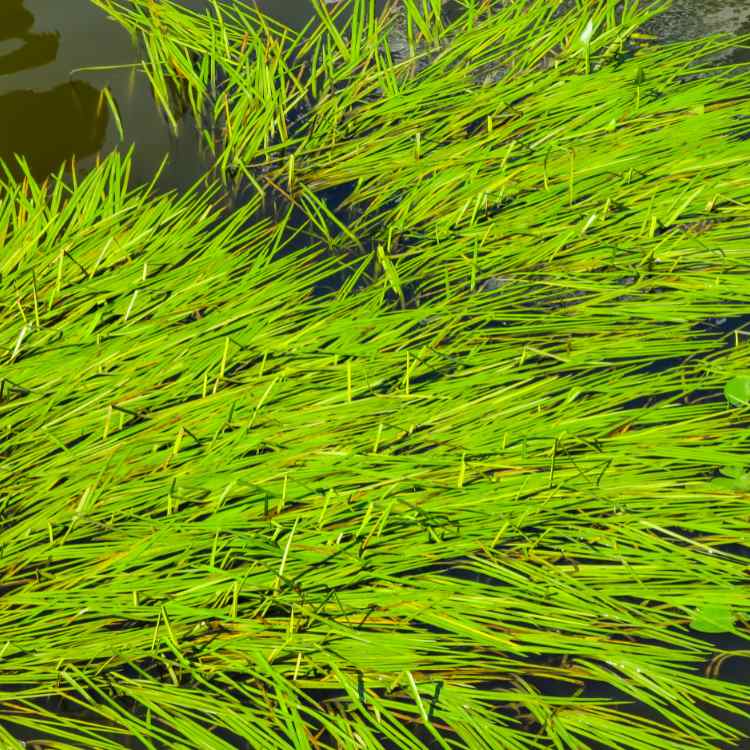
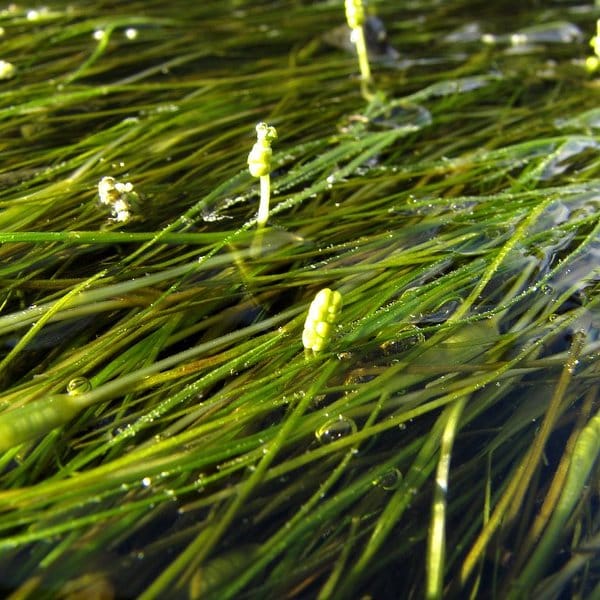
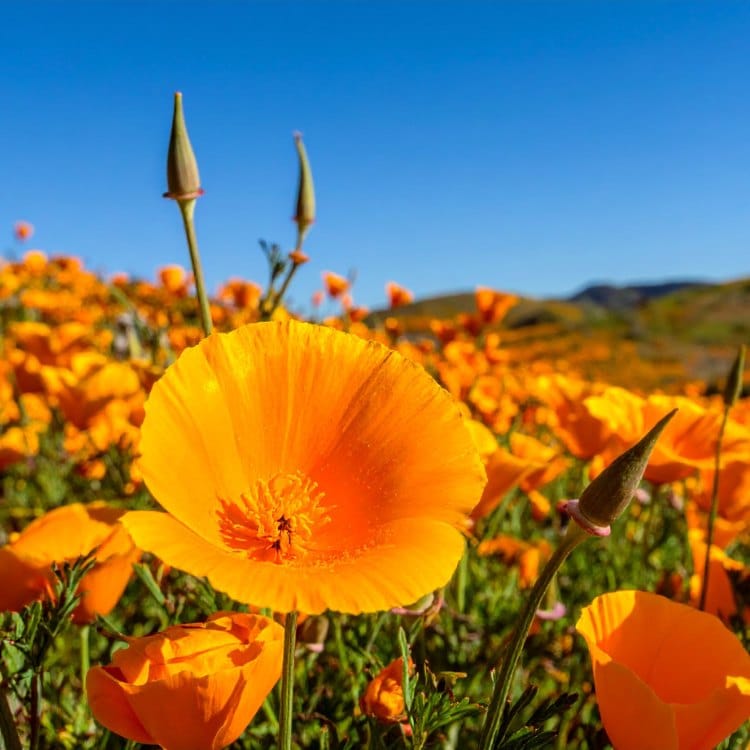
Seagrasses (Left, Zostera marina; Middle, Ruppia maritima) and California poppy (Eschscholzia californica, right) are among the plants that have especially intrigued Daru, linking his interests in biogeography and how plant communities reorganise under environmental change. Sources, left to right: Canva/Jonathan Coffin via Flickr (CC BY-NC-SA 2.0) / Canva
Could you share an experience or anecdote from your work that has marked your career and reaffirmed your fascination with plants?
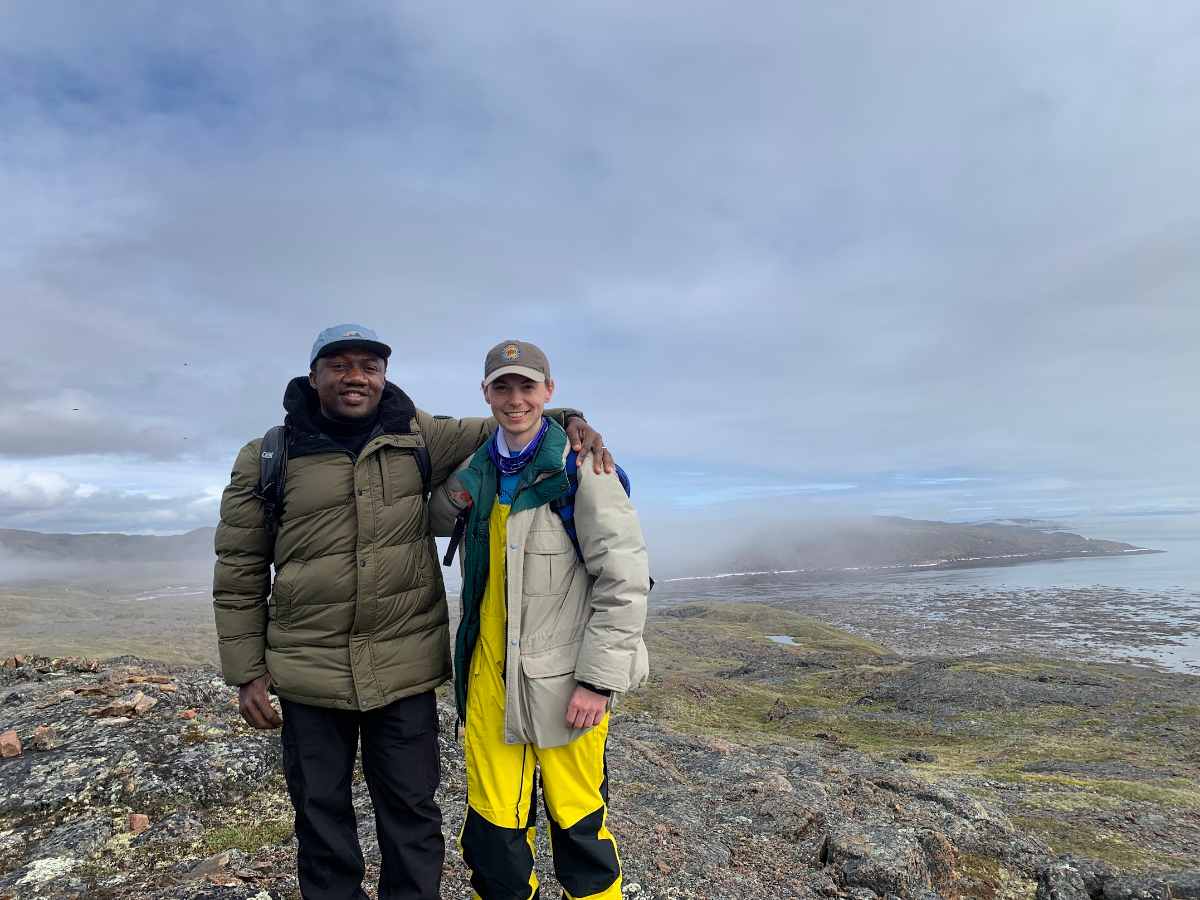
One of our field sites was in Iqaluit, Nunavut, Canada. We flew into Montreal, and then from there we changed planes and flew north to a place called Kuujjuaq. The planes kept getting smaller. We flew from Kuujjuaq on another even smaller aeroplane, one with propeller engines, and that was my first time experiencing that. When we landed in Iqaluit, everything just changed; there was this whole new setting. We were also connecting with the Inuit of Iqaluit. There were certain places where we went to collect plant samples that we couldn't access because one place was an [Indigenous] burial site, so we had to be super respectful and mindful of where we were going to collect. There was also one location where we even saw a bear from far away. So with these experiences, after we brought back the samples and mounted them in the herbarium, I always look at them, and I still have that picture of what happened, you know, of what led to all those collections. So that's my favourite part.
What advice would you give young scientists or students considering a career in plant biology/ecology?
I would say it's so exciting! The whole idea is just to lay out what can be done with the [plant] specimens, and the whole point is just coming from the point of view that plants are foundational to life. They are at the base of the food chain. We need plants, and that is why it is so interesting to study plants. The world of plants is so amazing [..] sometimes there's so much abundance around us that we don't even see them. Just being able to explore these things because there are so many opportunities, even from understanding fundamental science, fundamental ecology, testing questions like interaction or evolution, or biogeography. Those are fundamental research.
From the start to finish of one career, you won't finish exhausting them. [Plants are key to us for food and cures for human diseases, but are also important for well-being]. We're in this world where there's a quest for people to connect with nature because nature is good for well-being. So plant [biology] is a field that when one gets in, there's a whole lot of excitement and opportunities in there, and it's just to be patient and to enjoy it.
How can the public help with making meaningful scientific contributions to these collections?
That definitely is a big step, and especially iNaturalist is really great. I was talking with Scott Loarie, the person who developed the iNaturalist program, and I mentioned how the whole [program] is really great. People are out doing stuff, but for the most part, this army of citizen scientists who go out with their cell phones, capturing this data, most often collect in places that are fairly well known. And sometimes they're not really adding new data points per se. Where we really need data is places like Southeast Asia, the Congo basin of Africa, or the Amazon.
Places that really have plant diversity, but unfortunately, not many people get to go there to collect plants. The logistics are quite challenging, but if there's a way to build in the algorithm of places that have already been oversampled and to block them out, such that you can't do anything new [could be very useful]. So with Scott, we developed a tool called Green Maps. The green maps could be complemented with the iNaturalist program, which gives you predictions of what plants to expect in an area. Let's say you want to go hiking in the Santa Cruz Mountains, in a particular place, you can put in the address of that place and [get] a checklist of the plants that you’d expect to find in that area. So when you are out there, you can actually look for the plants because these are predictions. It can steer users to specific places to compare the plants that are supposed to occur there versus what has actually been sampled. So, as a user, this is a place that you can go to really contribute new data to the research.
For me personally, it's always the whole idea for what we do – [that] is to help throw light on the value of the collection. The reason being that more recently, museum collections and herbarium collections have also been under threat, in so many different ways, either due to budget cuts or defunding.
The most recent example is Duke University, which decommissioned its herbarium and is now moving the collection to somewhere else. So while our research is not necessarily towards policy, we just want to do fundamental research, but sometimes the one message for policy really is that these datasets are so useful. They are not useless. Because most management or policies tend to view this as old science, but really, all these new fancy sciences like genomics and computer modelling, [at] the base of it is taxonomy and systematics and specimens.
The ultimate goal for me as a botanist is that I would really love [for] people [...] to actually collect a specimen. It can be challenging for logistical reasons (e.g. permits), but if one has the opportunity, I would prefer that people send us specimens. The actual physical specimen is really so important for research versus just the data points, because we can’t extract the DNA from the data points from a cell phone. The collections are so valuable, and I couldn't emphasize it more. We need more funding so that young people can find it exciting and interesting to want to do it.
What comes through most clearly in speaking with Barnabas Daru is that herbarium collections are not dusty archives of finished science. They are living research tools: records of where plants have been, how they have changed, and what questions we can now ask with new methods. As collections become more searchable and more connected to ecological models, trait data, genomics, and citizen science, their value only grows. But Daru’s final point is perhaps the most important one: digital records are powerful, but they do not replace specimens. If we want future researchers to keep uncovering hidden stories in biodiversity change, we still need to collect, curate, fund, and care for the physical collections themselves.
READ MORE:
Carlen, E., Estien, C., Caspi, T., Perkins, D., Goldstein, B., Kreling, S., Hentati, Y., Williams, T., Stanton, L., Des Roches, S., Johnson, R., Young, A., Cooper, C., and Schell, C. (2024) A framework for contextualizing social‐ecological biases in contributory science data. People and Nature, 6(2), pp. 377-390. Available at: https://doi.org/10.1002/pan3.10592.
Daru, B., and le Roux, P. (2015) Marine protected areas are insufficient to conserve global marine plant diversity. Global Ecology and Biogeography, 25(3), pp. 324-334. Available at: https://doi.org/10.1111/geb.12412.
Daru, B., and Yessoufou, K. (2016) A Search for a Single DNA Barcode for Seagrasses of the World. DNA Barcoding in Marine Perspectives, pp. 313-330. Available at: https://doi.org/10.1007/978-3-319-41840-7_19.
Daru, B., and Rock, B. (2023) Reorganization of seagrass communities in a changing climate. Nature Plants, 9(7), pp. 1034-1043. Available at: https://doi.org/10.1038/s41477-023-01445-6.
Daru, B. (2024) Predicting undetected native vascular plant diversity at a global scale. Proceedings of the National Academy of Sciences, 121(34). Available at: https://doi.org/10.1073/pnas.2319989121.
Daru, B. (2025) Tracking hidden dimensions of plant biogeography from herbaria. New Phytologist, 246(1), pp. 61-77. Available at: https://doi.org/10.1111/nph.70002.
Zanne, A., Pearse, W., Cornwell, W., McGlinn, D., Wright, I., and Uyeda, J. (2018) Functional biogeography of angiosperms: life at the extremes. New Phytologist, 218(4), pp. 1697-1709. Available at: https://doi.org/10.1111/nph.15114.
Daru, B., Nichodemus, C., and Henao-Diaz, L. (2026) Biogeographic processes underlying global patterns of plant diversity. Science, 392(6800), pp. 845-849. Available at: https://doi.org/10.1126/science.adv6172.
Guest Writer Profile
Alisa (she/her) is a Canadian ecologist and natural history enthusiast. She has worked in herbaria since 2017, first starting at the Department of Agriculture in Ottawa, Ontario and then moving across the pond to join the Royal Botanic Gardens Kew in 2023. She is currently looking for her next adventure in the scientific field.
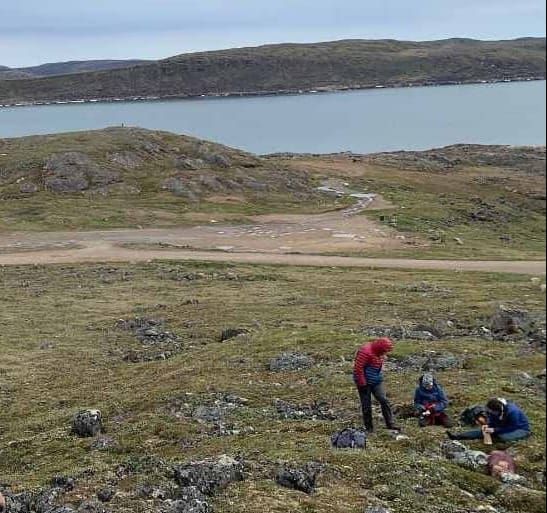
Cover Image: An image from Dr. Barnabas Daru's field trip to Nunavut, Canada. Photo Credit The Daru Lab / Arctic Plants Fieldwork: Nunavut 2023.