
Digitalization, the core topic of this Botany One Special Focus Issue, refers to transcribing and imaging specimens. It removes the need to mail physical specimens, giving researchers fast, global access to millions of digital specimen records. It is often presented as the final step in making biodiversity knowledge accessible for research, conservation, and other scientific uses. But even before digitalization begins, collections require extensive curation, good field documentation, and facilities for pressing, drying, storing, labelling, and mounting specimens under controlled conditions. But, what is actually the trickiest part of this complex process?
It starts by collecting a specimen that is, in many ways, as adventurous as it sounds. Chasing it in the field as if you are a real-life Indiana Jones, it can be difficult, unpredictable, but highly rewarding. Why is this process so difficult? Imagine trying to find your keys, except the keys are hidden somewhere in the world among thousands of very similar-looking ones. Once you find the right one, you must handle it carefully, label it correctly, so it can be identified again later, and preserve it properly… Not an easy task, right?
To learn more, we went full Indiana Jones and chased the perspectives of scientists across Latin America about the trickiest part of turning a specimen into a usable data point with two questions. Here, we summarized their answers, which revealed just how complex and deeply human this process really is.
What makes transforming a plant specimen into data more complex than it seems?
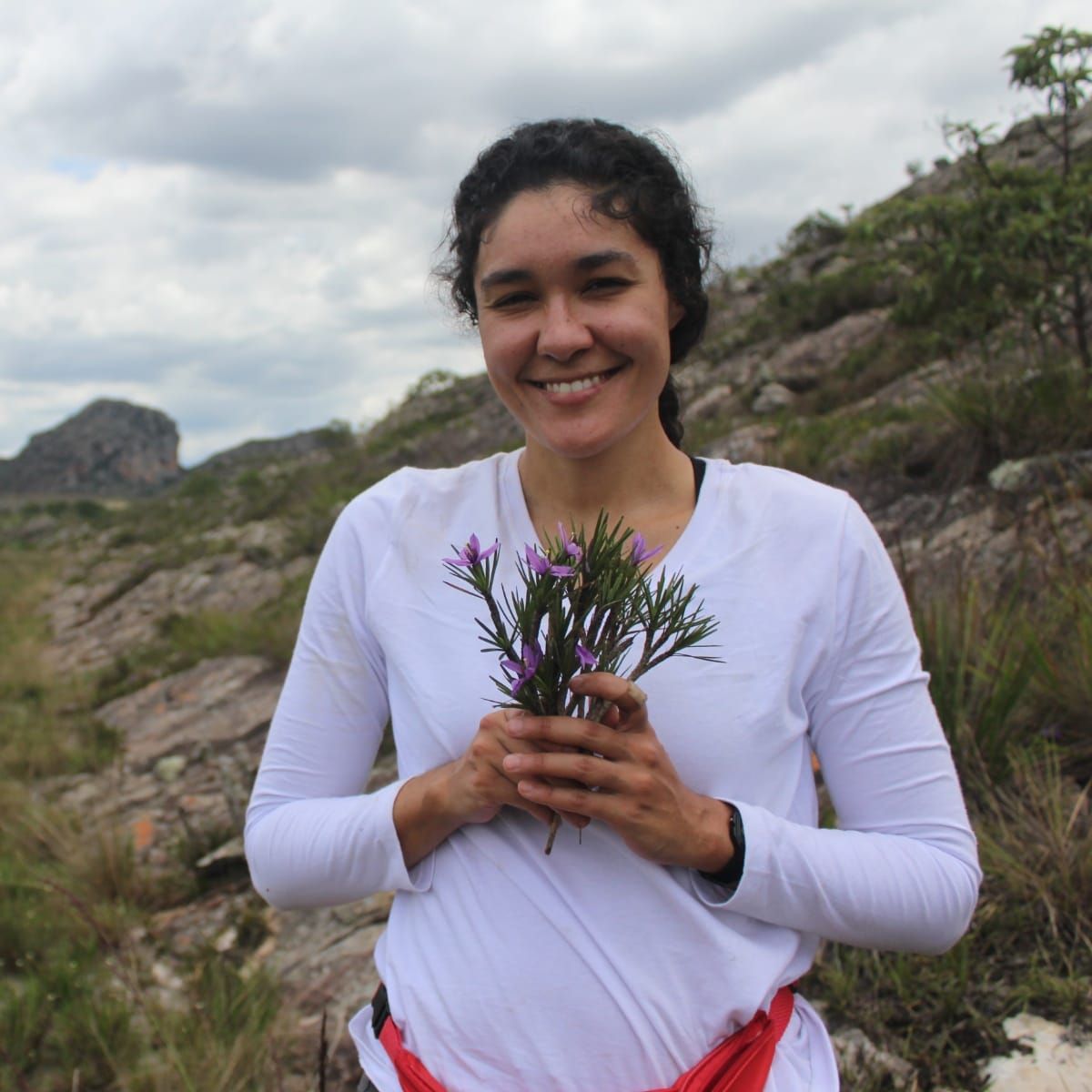
Dr. Jenifer C. Lopes, who specializes in the nomenclature of the genus Vellozia (Velloziaceae) in Brazil, explained that one of the trickiest aspects is documenting all the morphological features: shapes, colours, and microscopic details that often require dissection.
"It is a long journey to learn plant taxonomy and be able to identify a specimen. I spent years of my life studying plant taxonomy and morphology so I could look at a plant and know its name".
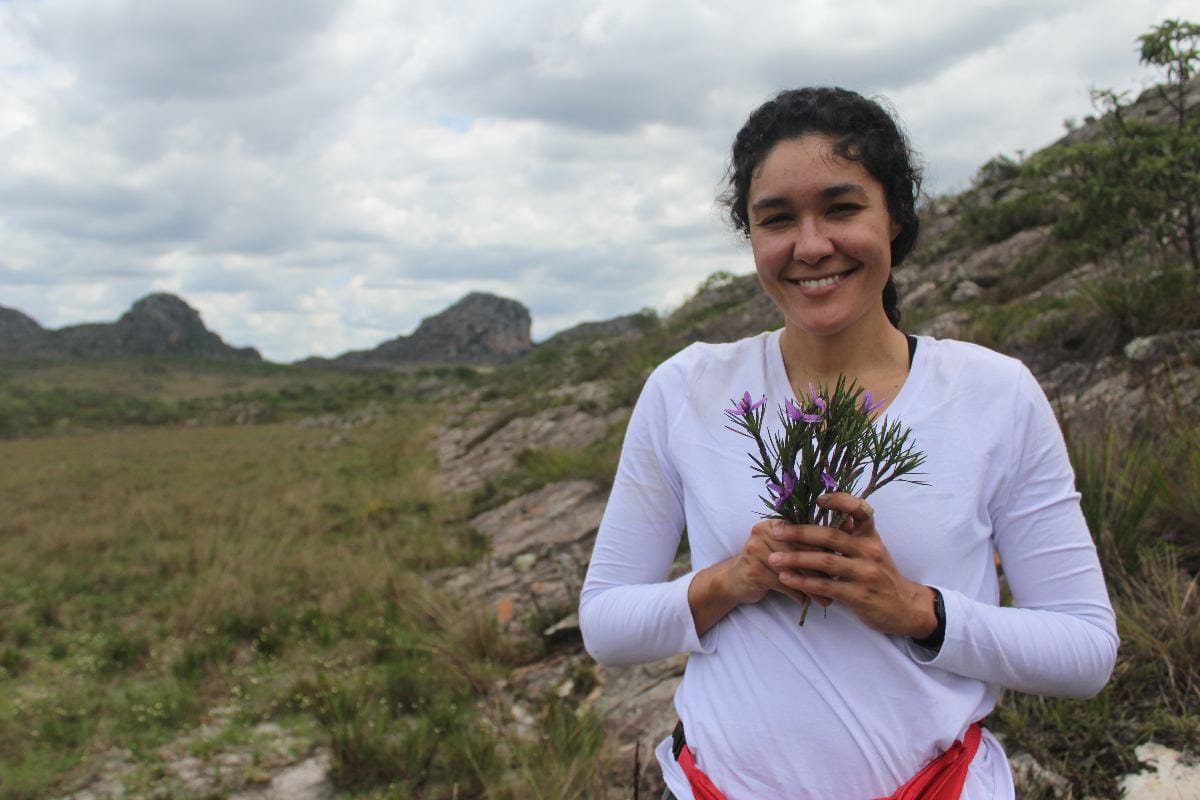
One of the other big challenges in the field is to record the surrounding environment, the type of vegetation, soil conditions, exposure to sunlight, and the specimen’s interactions with other plants and organisms, such as epiphytes or pollinators. These details are essential for understanding species ecology and evolution, but they are also easy to overlook during collection.
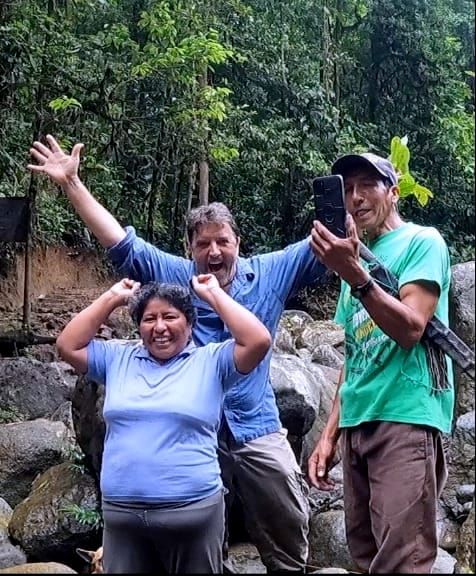
Dr. Thorsten Krömer from the herbarium of the Tropical Research Center (CITRO), whose team is studying the distribution and assessing the conservation status of endemic plants from the state of Veracruz, México, shared that transforming a plant specimen into a digitized record is a long process with many obstacles:
"From properly arranging the plant in pressing sheets and recording complete field data to accurately identifying the species and preparing the specimen label. Unfortunately, many specimens remain stored in boxes for years because there is not enough workforce available for mounting, label transcription, and digitization before they can finally be incorporated into herbarium collections".
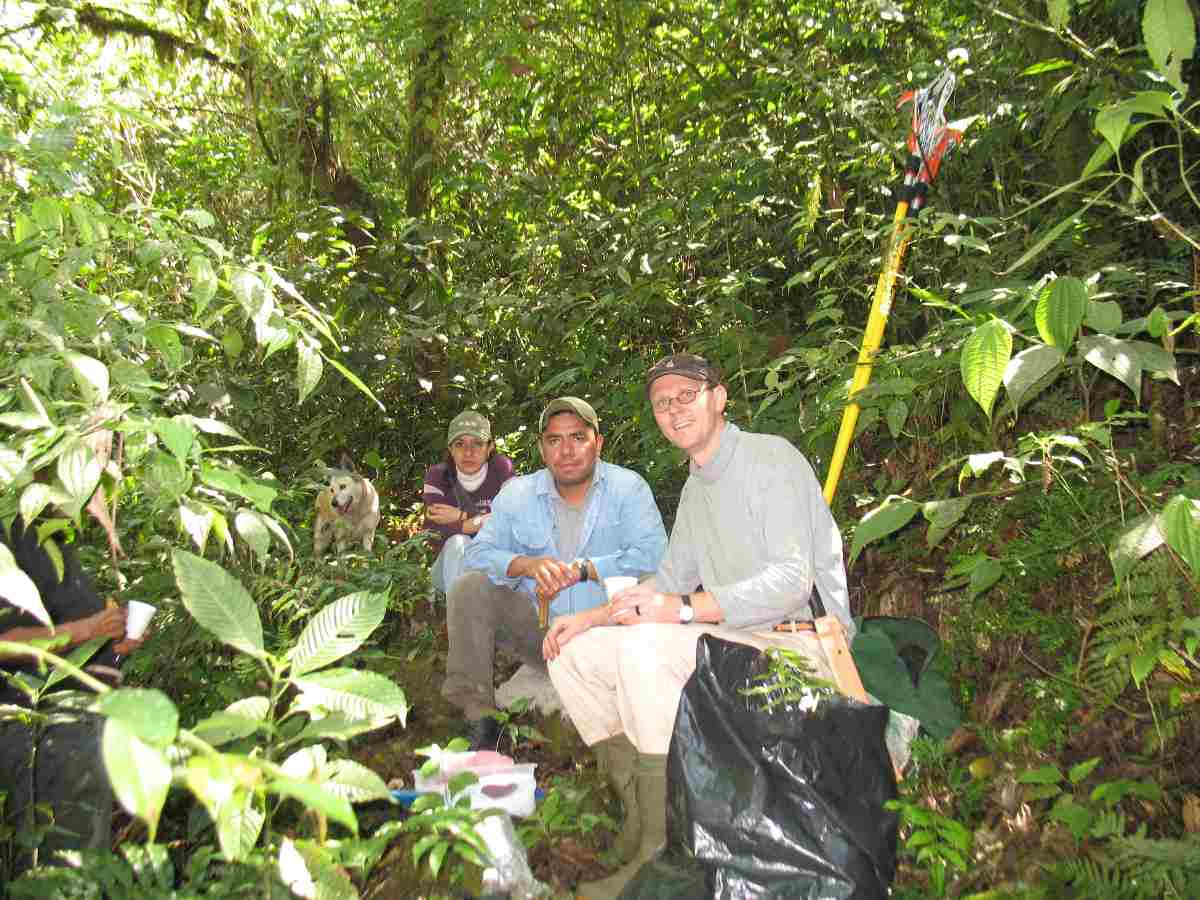
Krömer emphasized that it takes a village, and digitization projects often rely on the invaluable support of volunteers.
Researchers working on the PollenGEO database highlighted just how complex data curation can become when working with pollen grains. This project from the Smithsonian Tropical Research Institute (STRI) in Panama is digitizing one of the world's largest pollen collections, comprising more than 18,000 plant species from the tropics. Working with pollen morphology is extraordinarily diverse, they said; traditional descriptions have generated extensive terminology, yet many grains have different shapes and structures that challenge existing classification. This is why high-quality imaging is so important, as images provide a direct and lasting record of morphology. However, images alone do not solve everything. Researchers explained that even within a single species, pollen can exhibit multiple morphologies, leading to reports of dimorphism and posing difficult decisions about how to standardize and represent this variation in a database.
What is the most memorable or unexpected situation you have encountered during specimen collection?
Lopes highlighted the strong connection between specimens and history:
"Once we were looking for a plant in Rio de Janeiro using the book of the French botanist Auguste Saint-Hilaire, who collected the type specimen in the 19th century. We found one of the places he visited. It was a farm, and the main house was still there. I was amazed by how that plant brought us to a historical place. A specimen is much more than just a sheet in a herbarium, it carries people’s stories and efforts behind it".
Krömer said:
"Without a doubt, the most memorable situation is the discovery of a new species, although this realization often happens later during the identification process rather than directly in the field. On the other hand, unexpected encounters with wildlife during expeditions are always exciting and joyful moments. During fieldwork in tropical forests, we observed monkeys, wild boars, capybaras, coatis, many bird species, and even a jaguar".
And about palynology, anonymous sources said:
"Sometimes you find beautiful, spectacular plants with very simple pollen grains, or completely different plants — like dandelions, Espeletia, and sunflowers — whose pollen looks surprisingly similar".
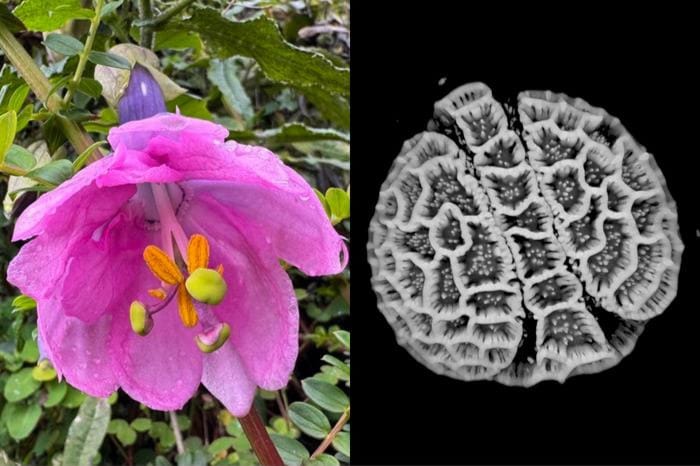
Fern spores present another challenge, especially the monolete spores of the order Polypodiales. After a chemical treatment called acetolysis, the outer layer of the spores is often destroyed, leaving behind spores that all look almost exactly the same. But when scientists compared them with the literature, they discovered that these spores are actually incredibly diverse. It becomes a great reminder of how important proper preservation is, because tiny details can make all the difference in identifying a species.
So as you can see, turning plants into data is far more than a technical process; it is a global and collaborative chain of work. Behind every collected specimen, there are many people involved and a huge amount of invisible human effort, along with countless experiences gathered along the way. The journey begins in the field, often with the help of local guides with deep knowledge of the landscape, followed by the careful preservation of specimens by collectors, the accurate identification and documentation by taxonomic experts, and finally their transformation into standardized digital records. Altogether, the process brings together field expertise, historical knowledge, taxonomy, conservation, and technology.
So stay tuned for the next article, where we will explore this journey in more detail: how does a plant, a fungus, or even a pollen grain become digitized in the first place?
READ MORE:
Herbarium – CITRO. (University of Veracruz). Retrieved May 14, 2026. Available at: https://www.uv.mx/en/citro/herbarium/
King, B. (2025). Digitised pollen database for paleontology research, allergy medicine and more. Smithsonian Tropical Research Institute. Smithsonian Tropical Research Institute. Available at: https://stri.si.edu/story/digital-pollen
Klopper, R., Steyn, H., Baider, C., Bytebier, B., Dayaram, A., Florens, F., Rakotonirina, N., Raimondo, D., Sosef, M., and le Roux, M. (2025) Digitisation of herbarium specimens to the benefit of research: An African perspective focusing on South Africa and Western Indian Ocean Island states. PLANTS, PEOPLE, PLANET. Available at: https://doi.org/10.1002/ppp3.70117.
Lopes, J., Magri, R., and Prado, J. (2024) Unveiling the aftermath of conflict and herbarium specimens’ loss: Typifications of species described by Pohl within the Neotropical genus Vellozia. TAXON, 73(4), pp. 1053-1061. Available at: https://doi.org/10.1002/tax.13218.
Guest Writer Profile
Ana Valladares, part scientist, part data nerd, and full-time globe-trotter. Ana is a Mexican scientist, with a background in biotech, plant breeding and data analysis currently living in Madagascar. Curious by nature, Ana loves exploring new topics, especially about plants, new cultures and places around the world.
Cover picture by Jennifer C. Lopes.
Spanish and French translations by Ana Valladares.