
The online mobilisation of digital collections has made tens of millions of specimens accessible for scientific research, helping discoveries in conservation, food security, and biodiversity studies. Many of these projects focus on questions such as extinction risks, improving estimates of plant distributions across space and time, and conservation planning for threatened species.
But digitisation can do more than help scientists count and map plants. Did you know digital collections can also help preserve biocultural heritage: the knowledge, stories, uses and relationships that connect people with plants? This is where ethnobotanical collections enter the chat. These collections sit somewhere between a herbarium, an archive, and a museum, linking plant specimens and objects to the people who use, name, make and value them.
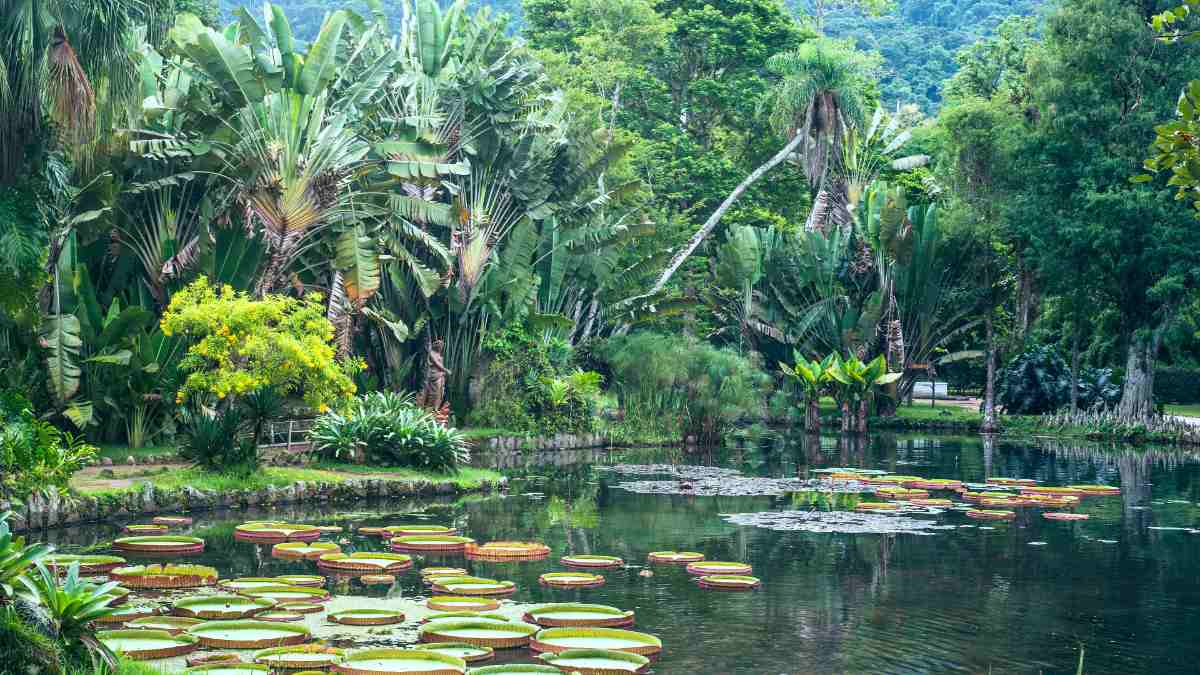
Indeed, studying plants can reveal stories about history and human relationships with nature. Ethnobotany explores exactly this connection: how people and plants interact, and how this knowledge changes through time. Plants have shaped nearly every aspect of human life, from food and medicine to rituals. The challenge now is how to preserve this invaluable knowledge.
The Ethnobotanical Collection (RBetno) of the Herbarium of the Rio de Janeiro Botanical Garden (JBRJ) has taken this challenge very seriously. In their recent study, Viviane Fonseca-Kruel and colleagues from Jardim Botânico do Rio de Janeiro (JBRJ; Brazil) and Instituto Chico Mendes de Conservação da Biodiversidade (ICMBio; Brazil) highlight both the opportunities and challenges of implementing a comprehensive digitisation protocol for the ethnobotanical collection of the Atlantic Forest and the Amazon.
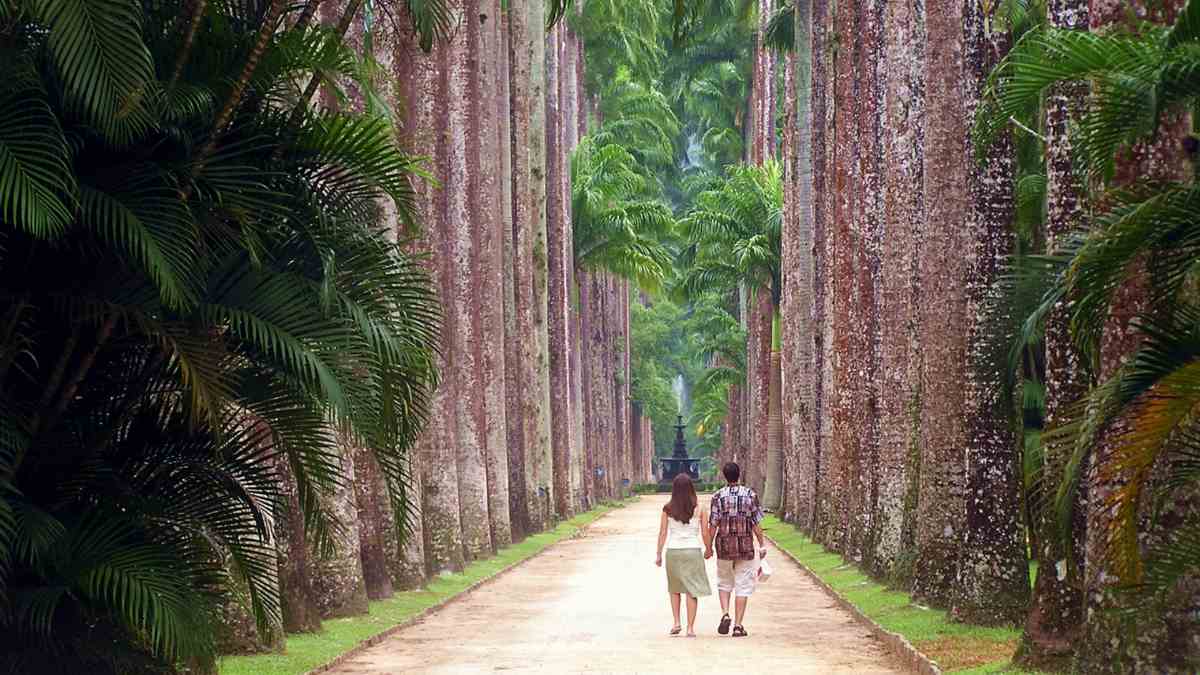
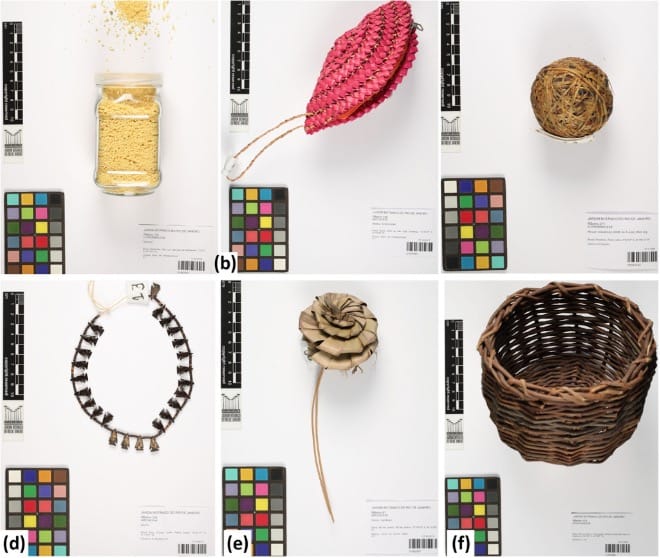
What makes this collection so exciting is that it shows plants beyond the herbarium sheet: as part of daily life, cultural memory and practical knowledge. It includes a huge diversity of plant-made crafts, including necklaces or baskets, medicines, and tools, such as brooms or household utensils, and foods, creating a rich and accessible biocultural repository. Each object undergoes meticulous documentation, decontamination, cataloging, photography, and digital archiving to ensure both long-term preservation and global accessibility.
The ethnobotany collection has approximately 300 records and 817 images, encompassing 57 botanical families, 119 genera, and 91 species. To facilitate public access and traceability, the protocol and digitized information was published according to Global Biodiversity Information Facility (GBIF) standards and cataloged in JBRJ’s JABOT platform, which holds over 3 million plant records from over 100 Brazilian herbaria partners. Whilst the RBetno data is not yet publicly available (as of June 2026), their protocols and case studies are openly available, and their team is open to feedback and collaborations.
But this story is not simply about digitising objects. It is also about reconnecting these items with the traditional knowledge holders behind them, including Indigenous Peoples and Local Communities (IPLCs), whose cultural values, practices, and ecological knowledge are deeply embedded within these materials. For this reason, the researchers included cultural meanings into the metadata, as the vernacular names, local concepts, and traditional management practices provided by Indigenous contributors themselves.
Digitising this information raises a major ethical challenge: balancing accessibility with protection. Some ethnobotanical records contain sensitive cultural knowledge related to medicinal practices, rituals, or sacred plants. This is where digitalisation becomes both powerful and delicate.
The RBetno project is part of a wider conversation about best practice in digital ethnobotany. In a related paper, researchers highlight that digitised herbarium specimens may contain valuable information on plant uses, local species concepts, and management practices, but that this material needs shared standards and careful collaboration with source communities if it is to be used responsibly.
To address this, the RBetno protocol followed both FAIR and CARE principles, which promote ethical access, transparency, and ensure that traditional communities remain recognised as the guardians of this ancestral knowledge.
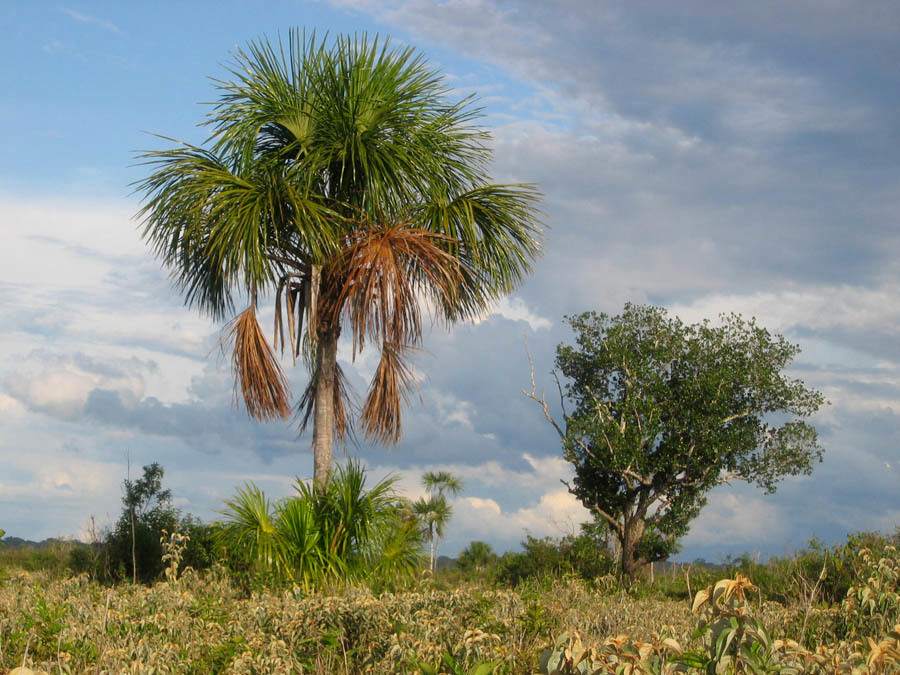
One fascinating example is the versatile buriti palm (Mauritia flexuosa), one of the most culturally important plants represented in the collection. Its fruits are used for oil; its stems become crafts and toys; its leaves are woven into baskets, bags, mats and even transformed into construction materials. Among some Indigenous groups of Central Brazil, buriti logs are also used in ceremonial races practiced for centuries.
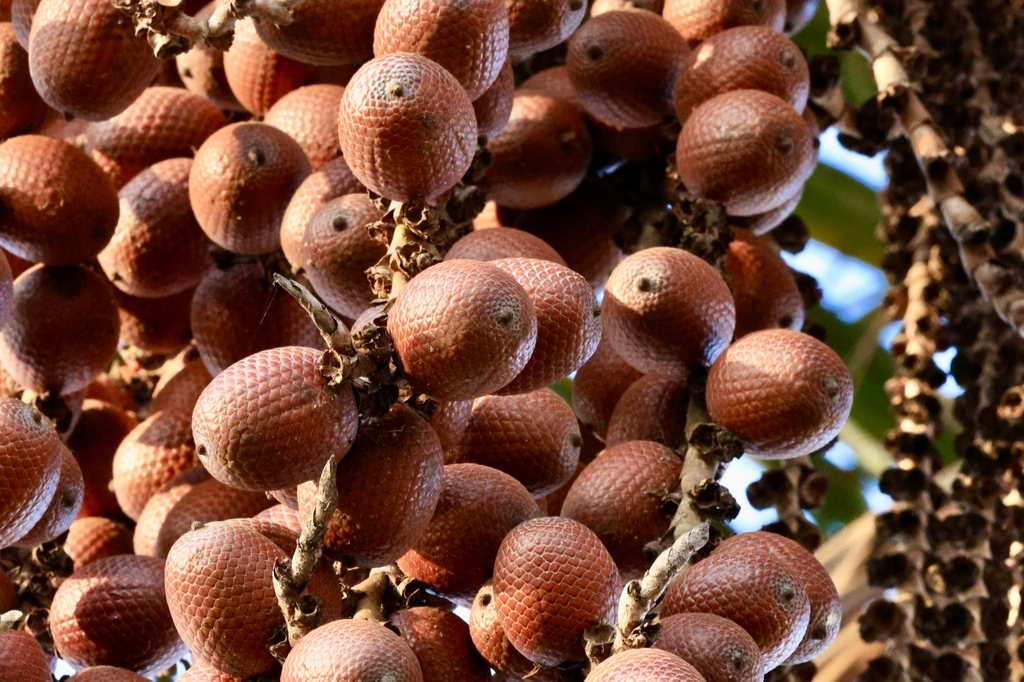
A single species can therefore reveal cultural, economic and spiritual connections all at once – exactly the kind of richness that can be lost when plant records are reduced to names alone.
Fonseca-Krue and colleagues hope their "manuscript inspires new research and initiatives in ethnobotanical documentation, particularly in the Global South, while also stimulating reflection on its challenges and perspectives.”
Despite the challenges, digitised ethnobotanical collections create remarkable opportunities for collaboration between scientists, Indigenous communities, artists, anthropologists, and local communities. Brazil alone contains 305 ethnic groups, 274 Indigenous languages and hundreds of officially recognised Quilombola territories. Collections like RBetno therefore become much more than scientific archives: they are living records of cultural identity.
In their paper, Fonseca-Krue and colleagues write:
“This project demonstrates how technology can be utilized for biocultural conservation, providing data to inform future conservation policies and enhance the traceability of traditional knowledge.”
As we can see, preserving plants comes with preserving the traditions, knowledge, memories and cultural identities connected to them. Digitising ethnobotanical collections brings to the table new ways of exploring the relationships between people and biodiversity while also helping reconnect younger generations with their cultural heritage.
READ THE ARTICLE: Fonseca‐Kruel, V., Coimbra, C., Estevão da Silva, L., Oliveira, F., Vasconcelos Mesquita, M., Taniguchi, M., and Forzza, R. (2025) Connecting tradition and technology: The digitization of the ethnobotanical collection at the Rio de Janeiro Botanical Garden. PLANTS, PEOPLE, PLANET. Available at: https://doi.org/10.1002/ppp3.70105.
PUBLICATION NOTE: The RBetno data is not yet publicly available as of June 2026. Its availability is undergoing a process of adaptation, as it requires the processing of sensitive data and the management of associated traditional knowledge, in accordance with Brazilian Law No. 13.123/2015.
French and Spanish translations by Ana Valladares.
READ MORE:
- Delves, J., Albán‐Castillo, J., Cano, A., Fernández Aviles, C., Gagnon, E., Gonzáles, P., Knapp, S., León, B., Marcelo‐Peña, J., Reynel, C., Rojas Gonzáles, R., Rodríguez Rodríguez, E., Särkinen, T., Vásquez Martínez, R., and Moonlight, P. (2023) Small and in‐country herbaria are vital for accurate plant threat assessments: A case study from Peru. PLANTS, PEOPLE, PLANET, 6(1), pp. 174-185. Available at: https://doi.org/10.1002/ppp3.10425.
- Hart, R., Fonseca‐Kruel, V., Dalcin, E., da Silva Luís Alexandre, E., Pace, M., Schmull, M., Beltran‐Rodríguez, L., Murguía‐Romero, M., Flores‐Camargo, D., Mapes‐Sánchez, C., Nesbitt, M., Romero, C., Townesmith, A., Salick, J., McAlvay, A., Otero‐Walker, K., Balick, M., Golan, J., Hoffman, B., Leonard, K., Mattalia, G., Odonne, G., Prehn, A., and Vandebroek, I. (2025) Repositories of biocultural diversity: Toward best practices for empowering ethnobotany in digital herbaria. PLANTS, PEOPLE, PLANET. Available at: https://doi.org/10.1002/ppp3.70052.
- Humphreys, A., Fisher, D., Witts, N., Silvestro, D., and Antonelli, A. (2025) Harnessing the benefits of herbarium specimen digitisation for inferring recent and ongoing plant extinctions. New Phytologist. Available at: https://doi.org/10.1111/nph.70552.
Guest Writer Profile
Ana Valladares, part scientist, part data nerd, and full-time globe-trotter. Ana is a Mexican scientist, with a background on biotech, plant breeding and data analysis currently in Madagascar. Curious by nature, Ana loves exploring new topics, especially about plants, new cultures and places around the world.
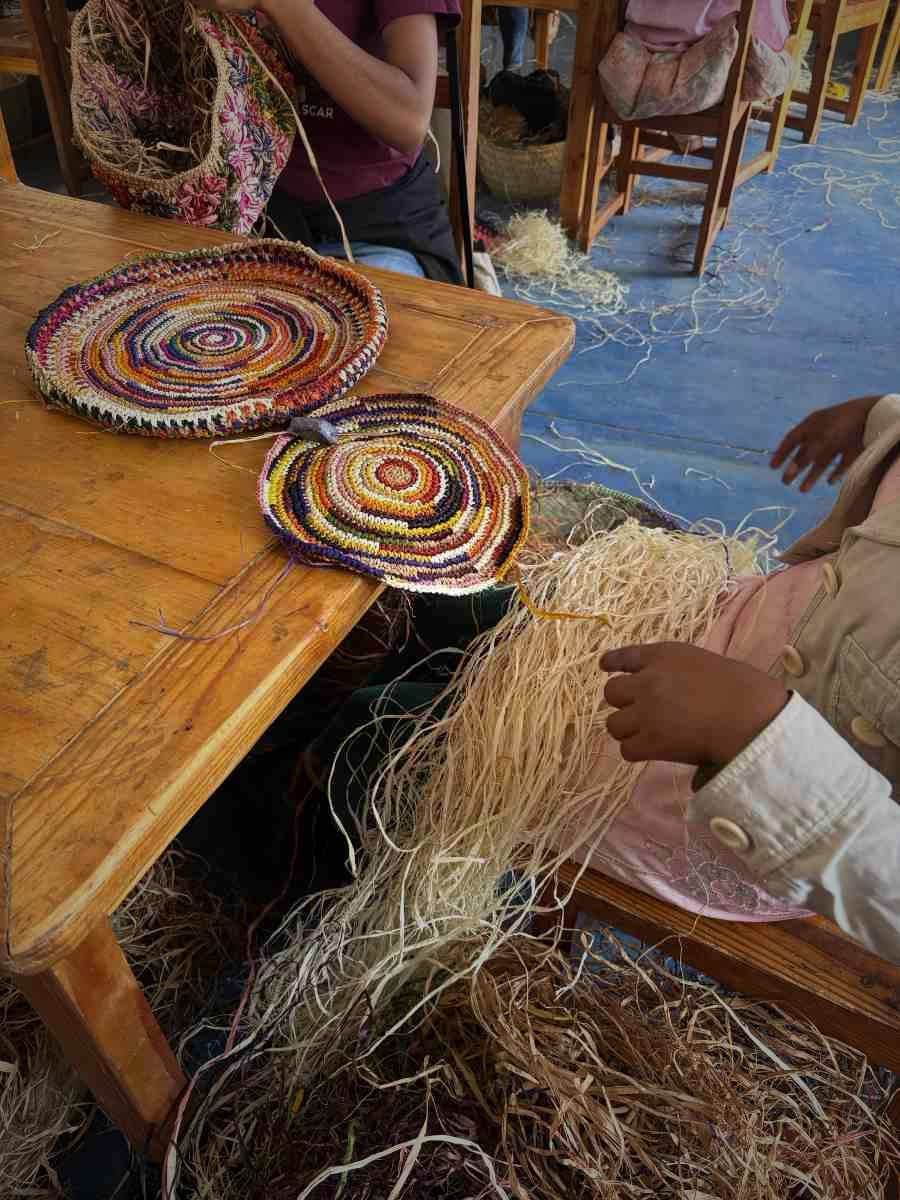
Cover Image: Ethnobotanical knowledge connects plants to their human stories. Here, we see the process of making a bag from natural Raffia palm tree fiber (Raphia farinifera) in Madagascar. Image courtesy of Ana Valladares.