
We often think of herbaria as a scientific resource used by researchers to study plant taxonomy, evolution, conservation and climate change, perhaps. But herbarium collections are also full of human stories. They hold traces of collectors, artists, gardeners, botanists, places, journeys and changing relationships between people, plants and nature.
Digitisation can bring these hidden stories into view. However, there are many more uses for these plant collections besides scientific study. Once specimens, labels, paintings and archival material can be searched and compared across institutions, collections become useful in new ways – not only for science, but also for history, art and public exhibitions. A preserved plant in one collection might connect to a painting in another, a field note somewhere else or a story that no one had been able to piece together before. One such example is an exhibition on the life and works of Canadian botanist and artist Faith Fyles.
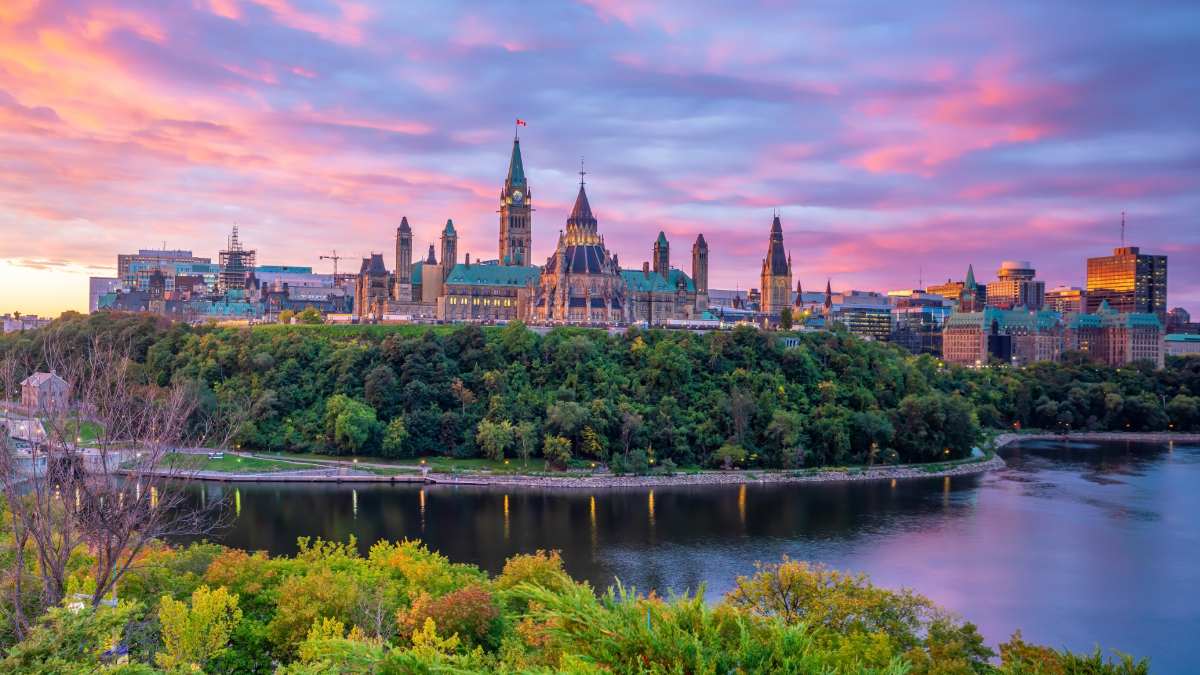
Botany One interviewed Dr. William Knight, the Curator of Agriculture and Fisheries at Ingenium – Canada’s Museums of Science and Innovation. Based at the Canada Agriculture and Food Museum in Ottawa, Ontario, Knight develops research and exhibition projects to share Canadian science history. Among the collections at the museum, Knight says there are “over 300 pieces of artwork from the Central Experimental Farm, which were produced in the horticulture, entomology and botanical divisions by artists in the Canadian Department of Agriculture”.
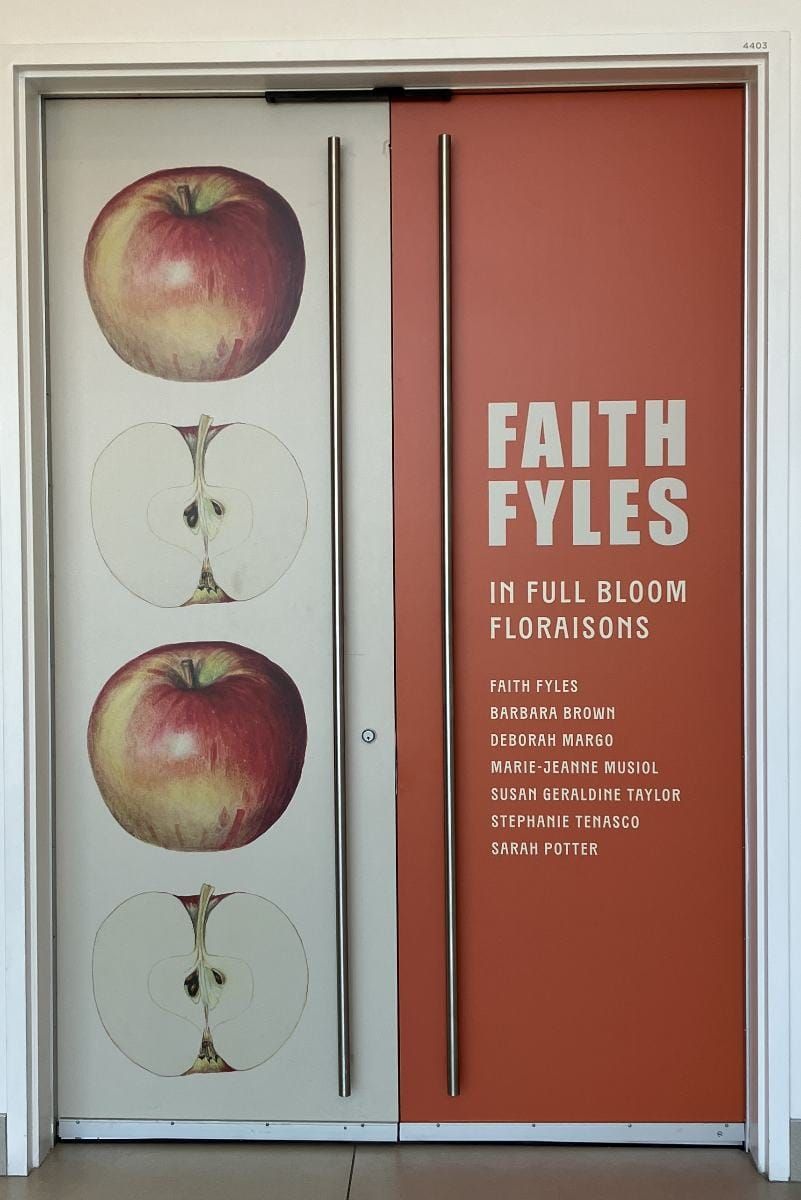
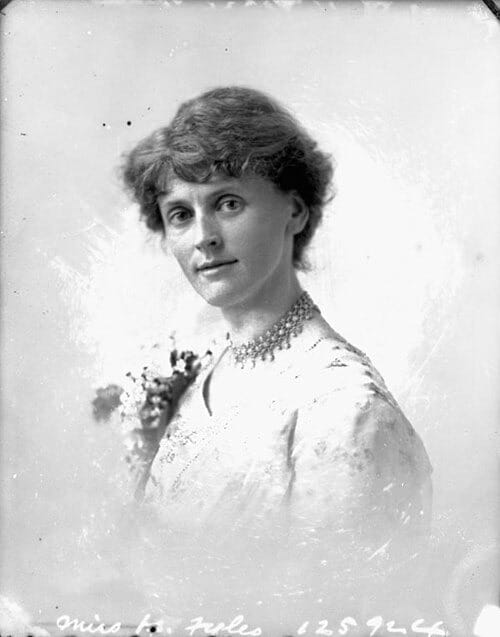
Best known among the artists is Faith Fyles (1875-1961), who was an important Canadian botanist and botanical artist whose work sat right at the intersection of science, agriculture and art. An exhibition on her career and art is currently being displayed at the Ottawa Art Gallery in Canada – Faith Fyles: In Full Bloom.
Knight explains that Faith Fyles has received some attention in feminist history because "she was the first woman appointed to a scientific position with Canada’s Department of Agriculture” and later worked as an artist at Ottawa’s Central Experimental Farm, where her scientific knowledge and visual skill often came together in the same project. Her paintings were not just beautiful; they helped document plants, crops and botanical details at a time when accurate drawings were an important part of agricultural research and the visual record.
“The exhibition explores both halves of her career, as a botanist and an artist,” Knight says.
Fyles's story starts with her education at McGill University in Montreal, Quebec with Professor Carrie Derick – the first woman to teach and research botany in a Canadian University, who became an important mentor to Fyles. Graduating in 1900 as a prize-winning student, Fyles went on to become a teacher, travel Europe and study art. In 1910, Fyles was hired by the federal Department of Agriculture in Ottawa and served as a seed analyst and was quickly appointed assistant botanist, which was a landmark in her career. Between 1911 and 1920, she filled the position of botanist, where she was responsible for the herbarium and the arboretum. During this period, she also documented her discovery of a new species of fungus and published “A Preliminary Study of Ergot on Wild Rice” in the journal Phytopathology.
Between 1914-1920, Fyles “went on collecting expeditions, which wasn’t typical of women at that time, especially those working for the government” Knight explains. She was also heavily involved in the Ottawa Field Naturalist Society, taking people out to botanise and collect specimens.
“She was a botanist in her place of work and also outside her work,” showcasing her passion for plants says Knight. During this period, she collected many specimens for the herbarium, which went on to support the publication of her most major work, a book entitled Principal Poisonous Plants of Canada.
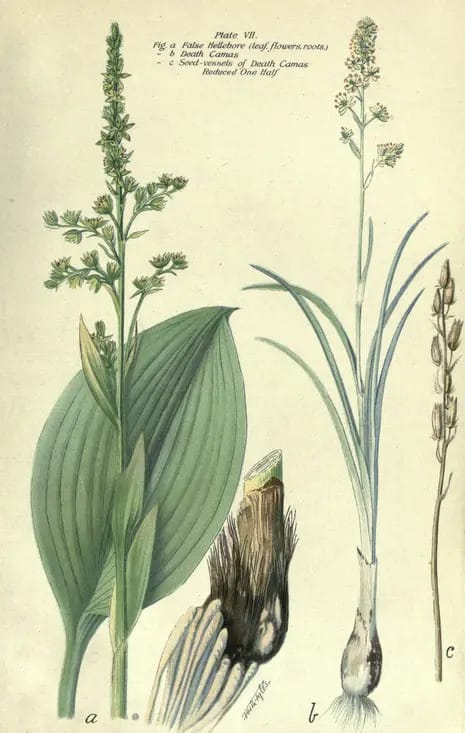
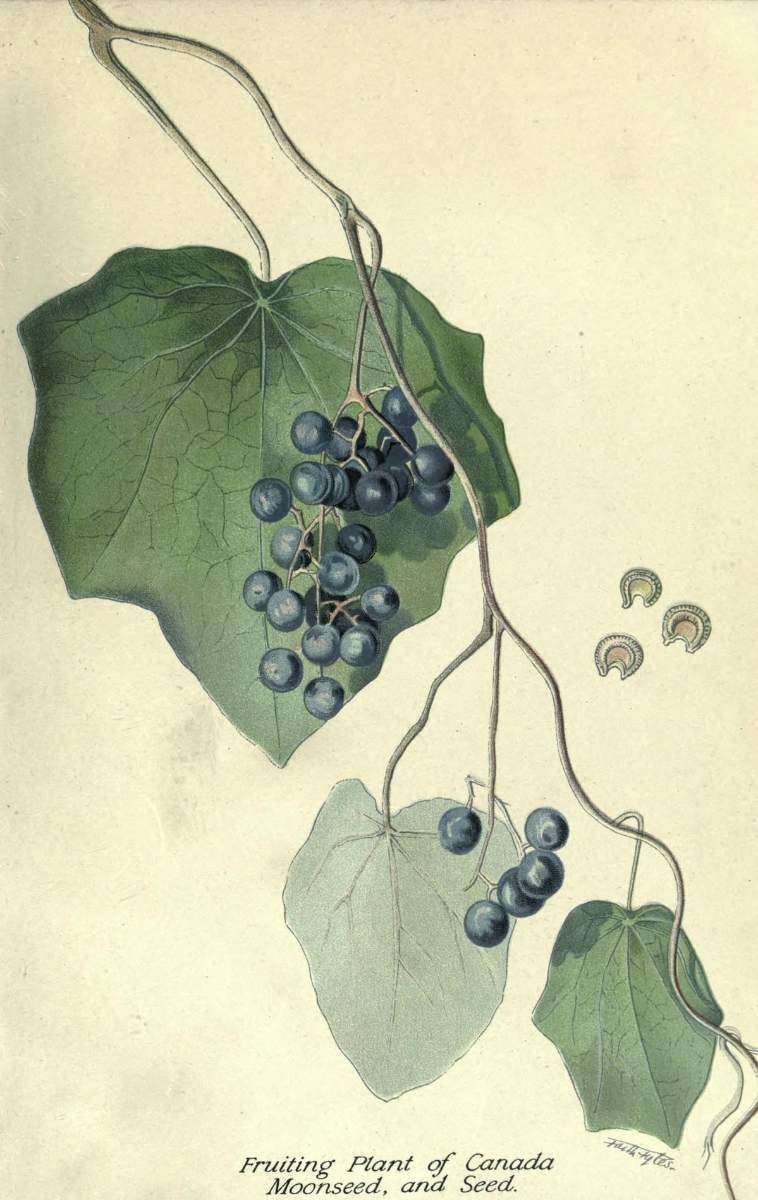
Prior to her book being published, she wrote bulletins and information pieces for the Department of Agriculture to inform farmers and gardeners about practical knowledge relating to weeds. Creating this textbook gave further information, written for farmers and ranchers, so they could properly identify poisonous or toxic plants that would harm their livestock.
Now digitised and found in the Biodiversity Heritage Library (BHL) – the world’s largest open access digital library for biodiversity literature and archives – this book not only details practical information but is also “illustrated with beautiful watercolour plates that she painted, line drawings and about 40 of her original photographs of the plants”, showcasing her skill both as a botanist and an artist says Knight.
Having this book in the BHL archives can help facilitate further research into the scientific and agricultural study of poisonous Canadian plants and also give insight into the history of Faith Fyles as a scientist and an artist.
Where the first decade of her career defined her as a botanist, the latter half saw her working solely as an artist. In 1920, she transferred from the botany division to the horticulture division and was appointed as an artist, making her the first artist at the Central Experimental Farm Horticultural Division. Most of her art that is in the museum’s collection was produced by Fyles during this period of her career, including illustrations for the apple breeding program on the Central Experimental Farm, illustrating the different varieties of apples that were grown and used in the breeding program.
“She was a key figure on the farm, which did breeding work on behalf of all Canadians, particularly focussed on developing disease resistant, hardy varieties that were suited for the different Canadian environments,” Knight says.
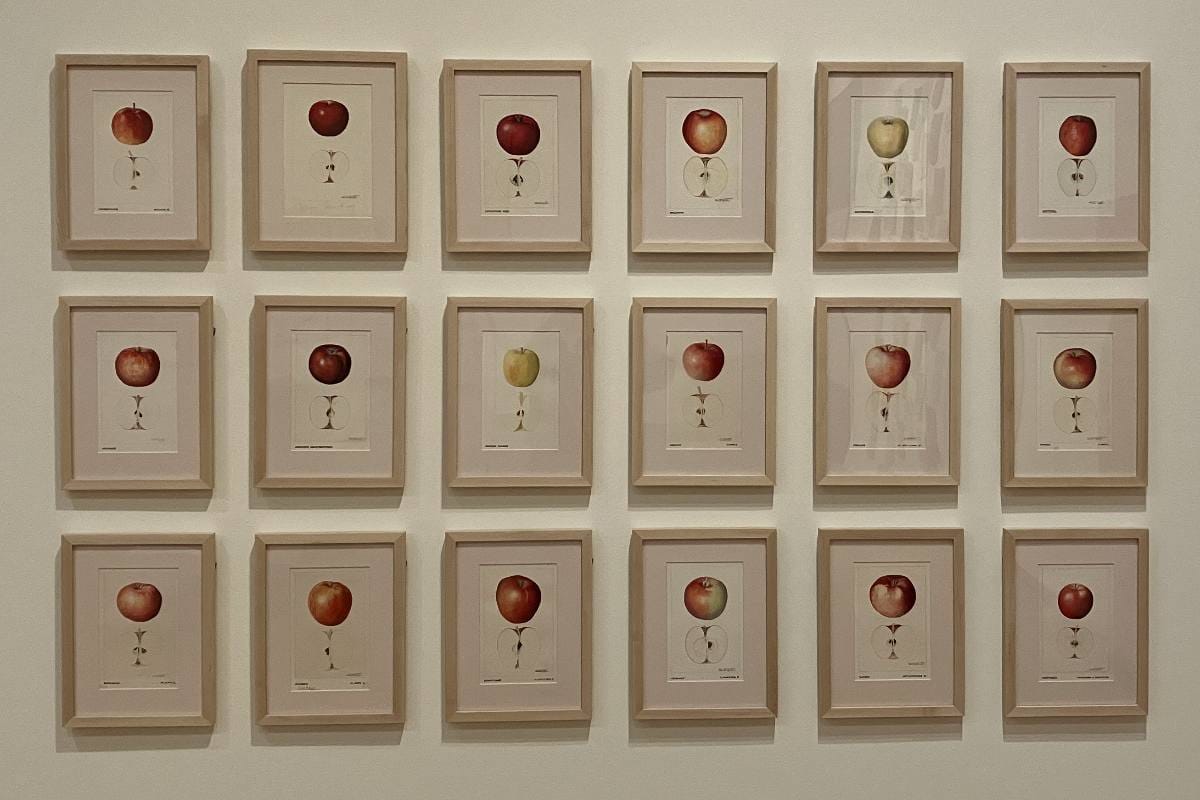
The apple varieties that Fyles documented can be seen in the “Apple Room” at the exhibition, which “showcases her art from 1920 to 1931”. These illustrations helped solidify Fyles’s legacy in the national horticultural project on the Central Experimental Farm. The exhibit provides a rare view of the paintings, which to date have only been accessible to Agriculture Department staff.
Fyles produced hundreds of paintings of apples, berries and other fruits and vegetables during her time as an artist at the Central Experimental Farm. She worked for 10 years in this capacity and then retired in 1931, becoming a full-time practicing artist and even held exhibits in art galleries in Ottawa and Montreal. It is still a mystery as to why she decided to leave her science career behind and pursue art full-time.
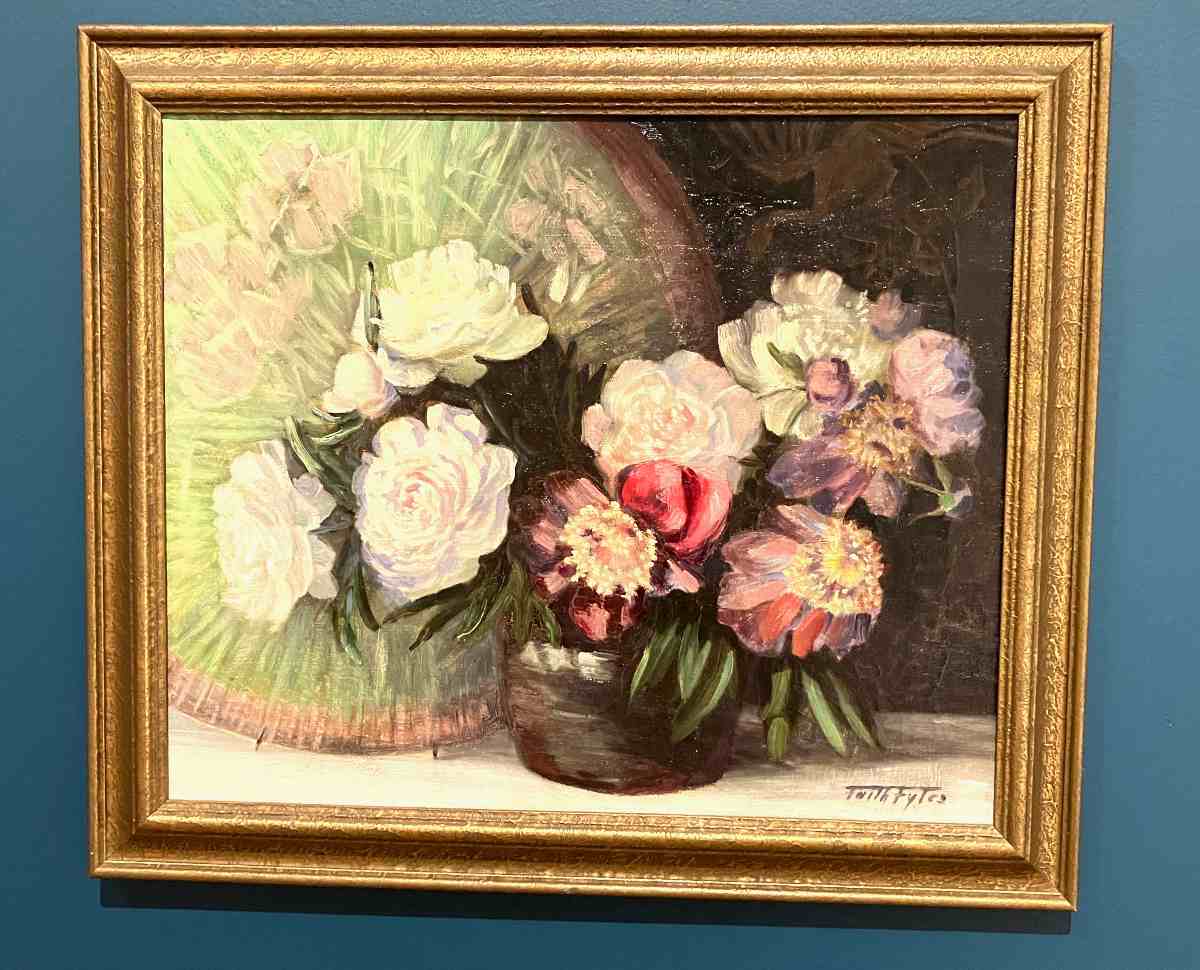
The exhibition Faith Fyles: In Full Bloom features about 40 works by Faith Fyles, including loans from other institutions such as the Canadian Museum of Nature (CMN) and Agriculture and Agri-Food Canada (AAFC).
The exhibition really came together by conducting “old-school detective work, searching through physical items and discovering artefacts and specimens connected to Faith Fyles that no one has seen before”, Knight says.
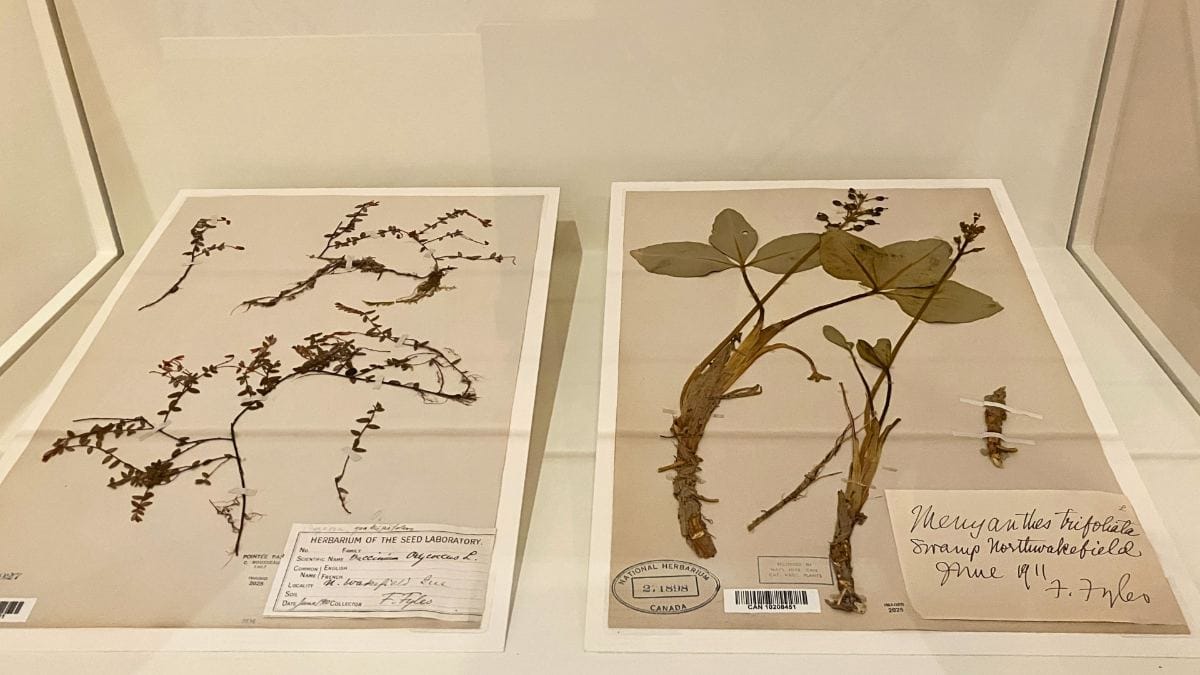
For example, “the CMN loaned out two actual specimens which were collected by Fyles” in the early part of her career: one Vaccinium oxycoccos collected in 1910 and one Menyanthes trifoliata collected in 1911. On display are also numerous paintings and botanical illustrations created by Fyles.
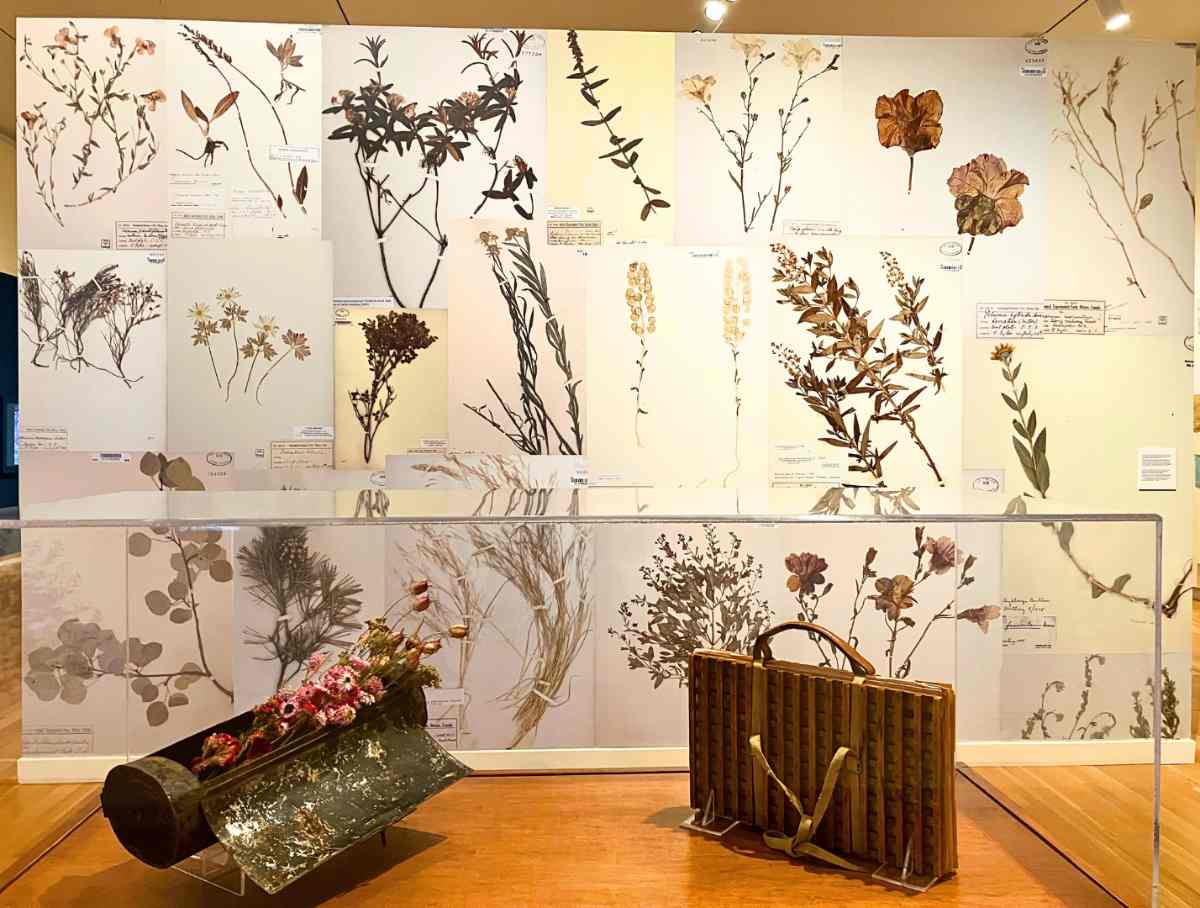
In addition to the physical art, specimens and artefacts, the exhibition features an entire wall of Faith Fyles’s botanical specimen images, which were all digitised at AAFC and the CMN. Using digitised herbarium specimens as art installations is just one of the many ways natural history digitisation projects can become accessible to the wider public, and this exhibition really helps bring herbarium specimens – both physical and digitised – to a wider audience, fostering learning opportunities and public engagement.
These herbarium specimens that Fyles collected from across Canada are themselves "a very careful work of art” says Knight. The whole sheet is a composition – from the annotations and stamps, which reveal a slice of history, to the plant specimen itself, neatly arranged on the sheet, showcasing its leaves and flowers of various colours.
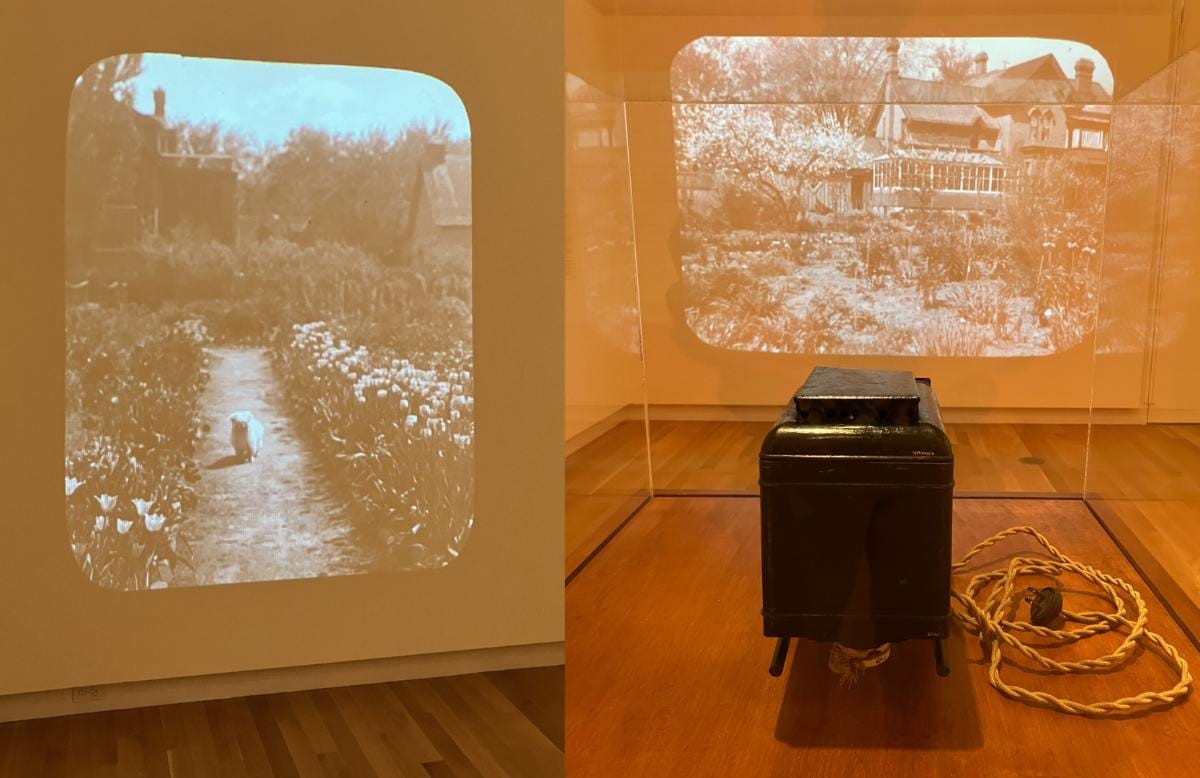
The exhibition focuses not only on Faith Fyles’s own life but also explores the contributions of other women scientists, artists and their connections with agriculture and horticulture as a theme. Featuring various rooms, including glass slide projections of Faith Fyles’s own photography, two projected films – one of which was the first colour film directed by a woman in Canada – and contemporary art from Ottawa-based artists, including Marie-Jeanne Musiol and Indigenous artist Stephanie Tenasco, the exhibit reveals how women continue to observe, document and care for the natural world, whether it is through science or art.
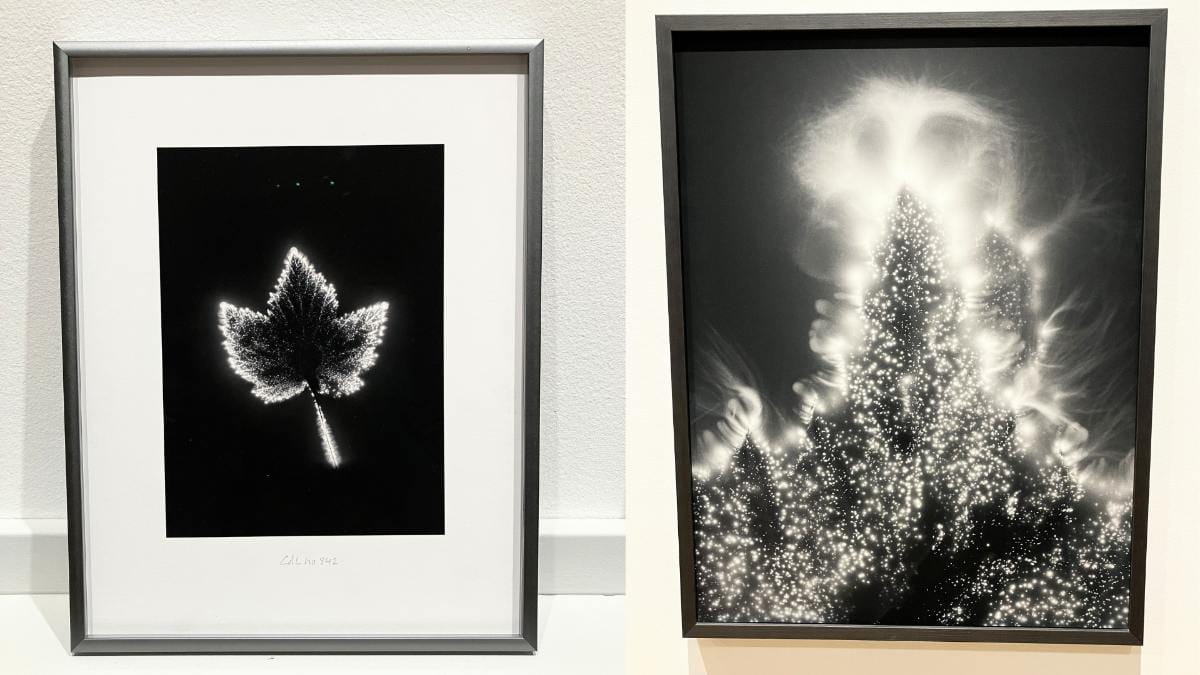
Contemporary art offers us a new perspective on the long history of observing, studying and cultivating plants. Marie-Jeanne Musiol, a Swiss-Canadian photographer, explores the topic of a herbarium in the twenty-first century. Using Kirlian photography – exposing specimens to an electromagnetic discharge – she creates an ‘energy herbarium’ capturing the plants’ presence beyond visible form. Through this artistic experimentation, she sees a future where botanical documentation is both analytical and poetic.
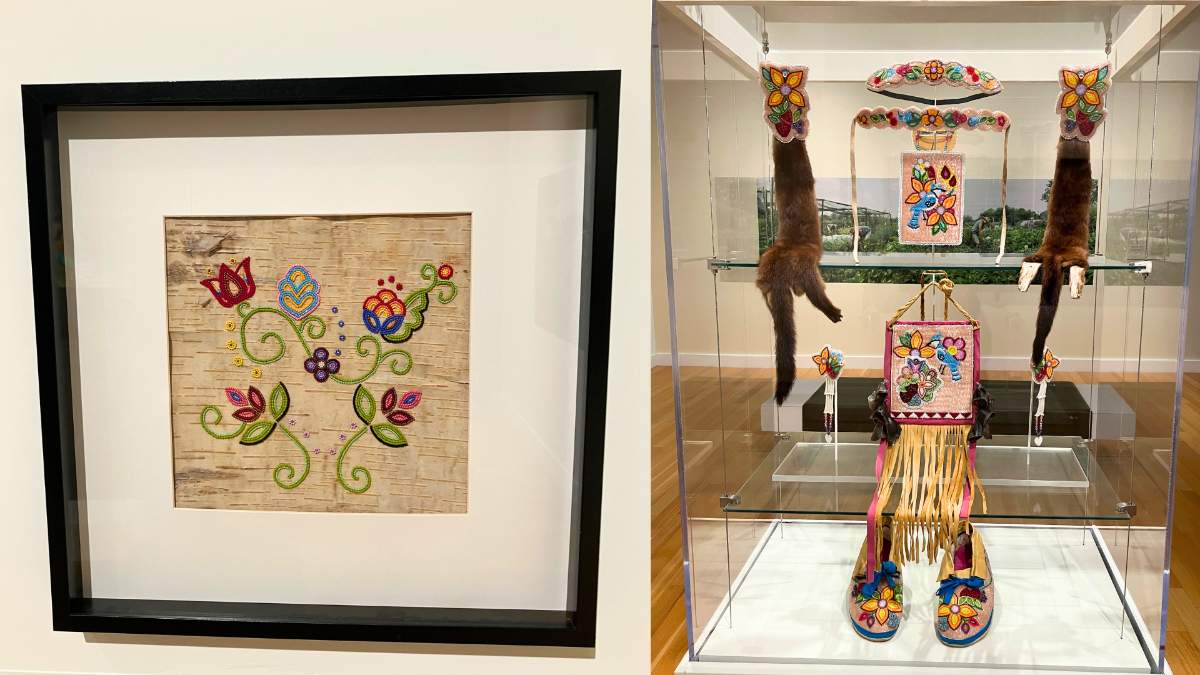
The contemporary work of Stephanie Tenasco explores the legacy of botany and agriculture by honouring the relationship between Indigenous people and the land, pointing towards a future grounded in traditional ecological knowledge on unceded Algonquin territory. Her work reflects traditional knowledge, cultural practices and storytelling which invites viewers to consider diverse ways of interpreting and connecting with the natural world.
Faith Fyles built a career in botany, even though that field of work restricted women’s access to jobs and advancements. Her story serves as an inspiration to all young scientists and artists. This exhibition highlights her greatest achievements and provides us with a rare look at the connection between science and art, showing us how valuable digitisation of specimens can be in regard to science, history and, in this case, art. Whether you go to see the apple illustrations or to find out more about herbarium collections, if you’re in the Ottawa area, I encourage you to go and see the Faith Fyles: In Full Bloom exhibition at the Ottawa Art Gallery which is on until September 27, 2026.
What’s more exciting is the future work with these collections. Continuing to explore the legacy of Faith Fyles, Dr. Knight and a team from the Canadian Nature Museum are working on a follow-up project where they “want to create a map of all the herbaria specimens that Faith Fyles mounted. Using the Canadian Nature Museum's active digitisation project, [they] want to identify all of Fyles’s specimens in every collection around the world to see if [they] can trace out her route because of one expedition she did across Western Canada, which was the basis of her book Principal Poisonous Plants of Canada”.
They want to “visualize her botanical collecting” using specimen “GPS coordinates, dates and [collection locations], like Canmore”, with which they “could more than likely trace out a journey via the railway”. These digitised specimens can be the key to decoding her specimen collection journey and give us more historical context for her work and life.
For those in other parts of the world, I encourage you to look for connections between science and art in your local areas, learn more about herbarium specimens and, if you can, take a botanical drawing class to learn the great skills of Faith Fyles and other artists that came before and after.
All photos of the Faith Fyles: In Full Bloom exhibition at the Ottawa Art Gallery in Canada were taken by Alisa Abramovich and printed with permission. Copyright is retained.
Guest Writer Profile
Alisa (she/her) is a Canadian ecologist and natural history enthusiast. She has worked in herbaria since 2017, first starting at the Department of Agriculture in Ottawa, Ontario and then moving across the pond to join the Royal Botanic Gardens Kew in 2023. She is currently looking for her next adventure in the scientific field.
Cover image: Entrance to exhibition Faith Fyles: In Full Bloom at the Ottawa Art Gallery in Ottawa, Ontario, Canada, on display from 7 March 2026 - 27 September 2026. Photo by Alisa Abramovich. Used with permission.