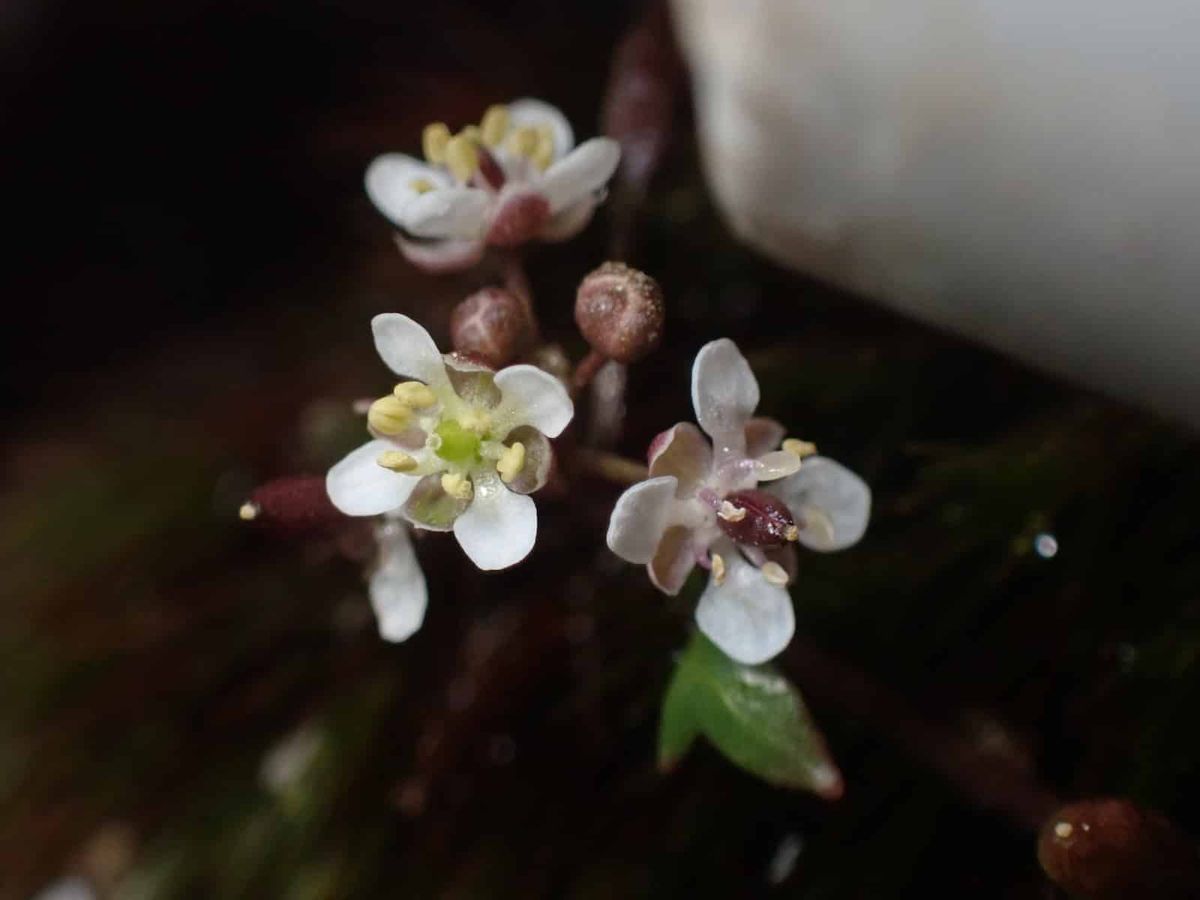

The way I usually choose Plant of the Week is to see what’s been observed on iNaturalist recently and, if I like a photo, look to see if there are more I can use, and try to find something out about the species. I wasn’t optimistic for Ballantinia pumilio. It's rare, and that can mean difficult to find out about.
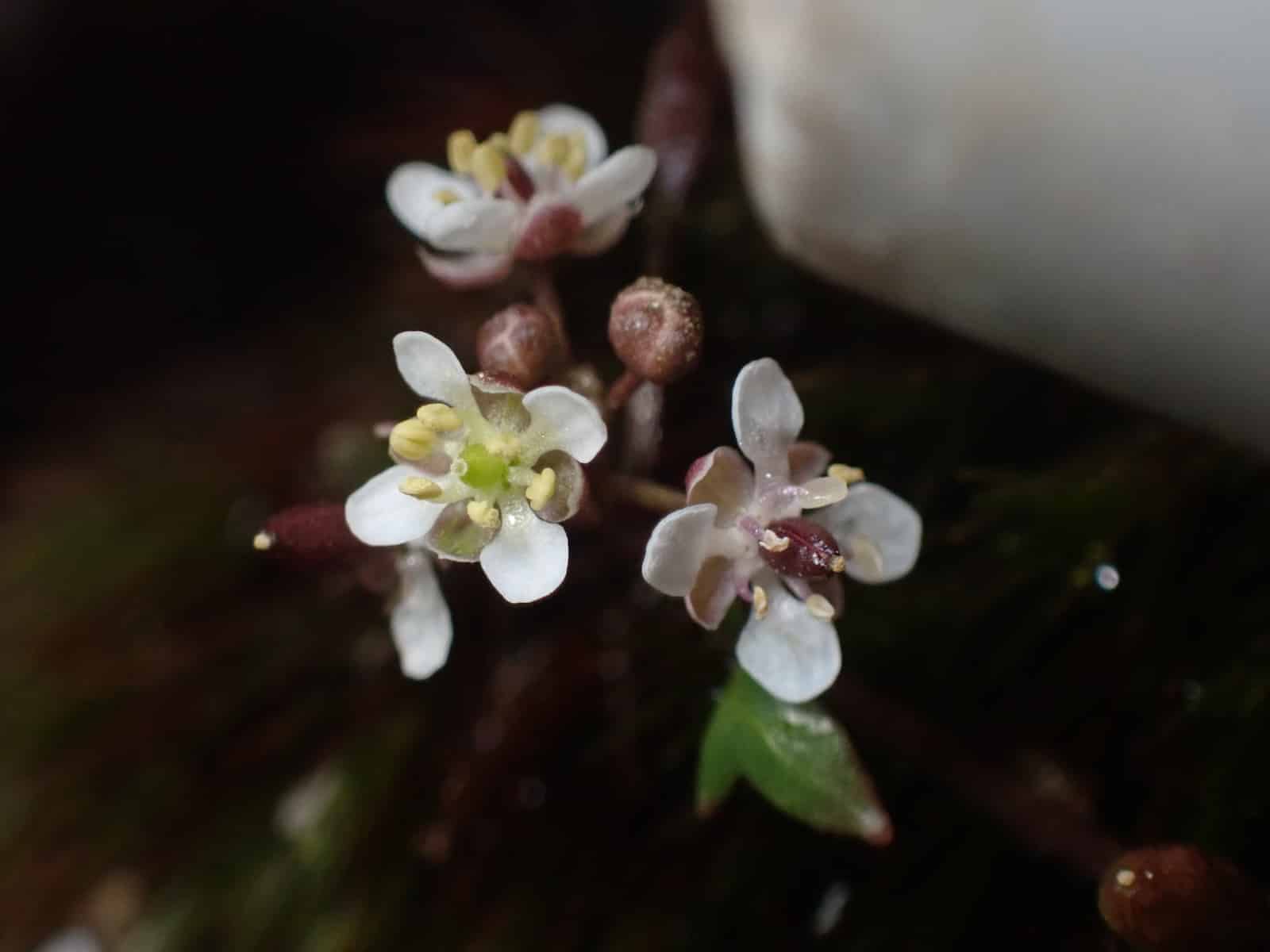
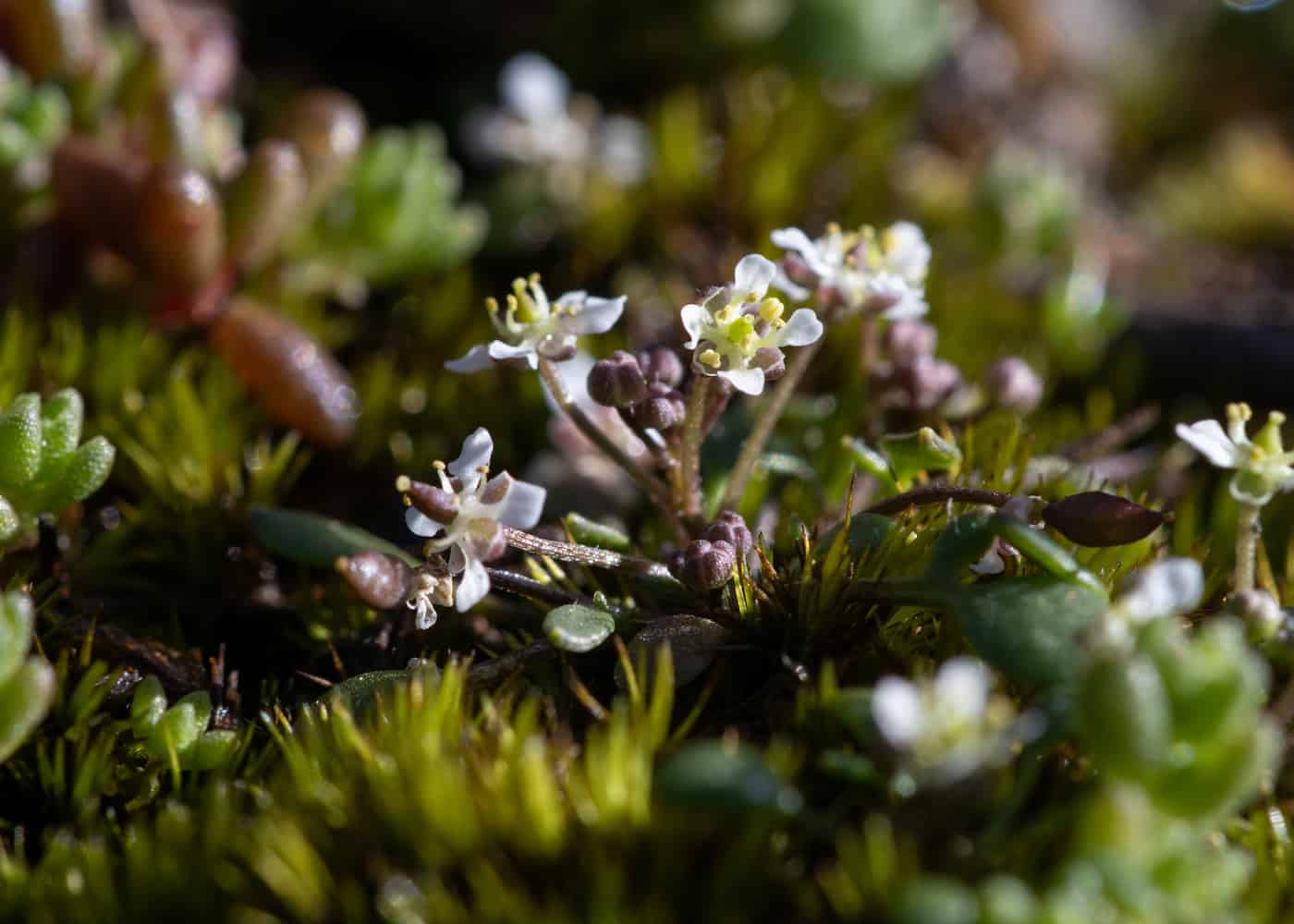
The reason it caught my eye was the combination of name and photo. The common name, Southern Shepherd’s Purse looks apt for this plant. It’s very much southern, being found in just one part of the state of Victoria in Australia. It was also known from Tasmania, but it seems that it’s extinct there now. Like Capsella bursa-pastoris, or Shepherd’s Purse, Ballantinia pumilio is in the Brassicaceae, the Cabbage family. The giveaway are the four petals on the flower, arranged in a cross, giving the family its other name, the crucifers.
Trying to find out more about the plant, my first stop is the International Plant Names Index, which gives the name as Ballantinia pumilio (R.Br. ex DC.) Mabb. This tells me that David John Mabberley has published the name, but he’s updated it from whatever (R.Br. ex DC.) signifies. IPNI also helpfully tells me the basionym, the description that first gave the species an epithet, is Draba pumilio R.Br. ex DC., Syst. Nat. [Candolle] 2: 353 (1821). Pulling this apart, Draba pumilio is the species, meaning the species was first identified as being a member of the whitlow-grasses. R. Br. is Robert Brown is the botanist who found and described it, but it didn’t publish it. DC is Augustin Pyramus de Candolle who published it in Regni Vegetabilis Systema Naturale, sive Ordines, Genera et Species Plantarum Secundum Methodi Naturalis Normas Digestarum et Descriptarum. The R. Br ex DC means Robert Brown’s decription taken from de Candolle’s publication, so both botanists are credited.
Pulling the original description from the Biodiversity Heritage Library, the latin says D. scapis nudis 1-floris, foliis radicalibus ovatis integris petiolatis, siliculis ovatis, which translated Draba with naked flowering stems bearing a single flower; radical leaves ovate, entire, petiolate; silicles ovate. The radical leaves, are leaves at the base of the plant by the root. Petiolate means these leaves are on stalks, and the silicles are short and broad fruits, which are also ovate.
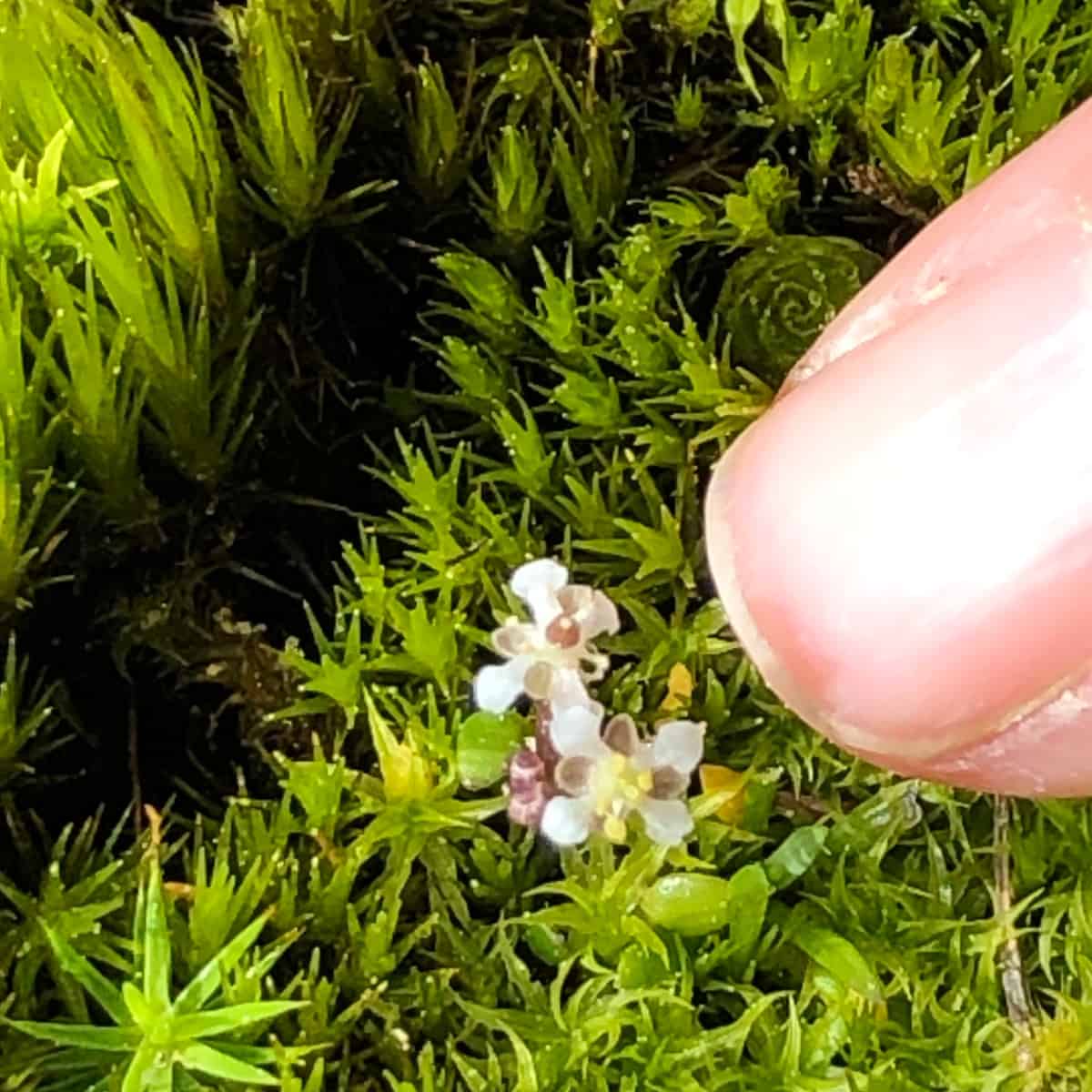
Where it gets interesting is comparing the name with the description. The epithet pumilio means pygmy. The description starts Herbula minima. The minima means something like smaller, but it’s connected to herbula. The Latin for herb is herba. Herbula is a dimunutive, so it means little herb, combine this with minima, and you’re looking at something tiny. This also comes out in the measurements in the description.
Folia radicalia ovata aut ovalia, integra, longè petiolata, cum petiolo 4 lin. longa. Scapi plurimi, radicales, nudi, 1-flori, 2-3 lin. longi.
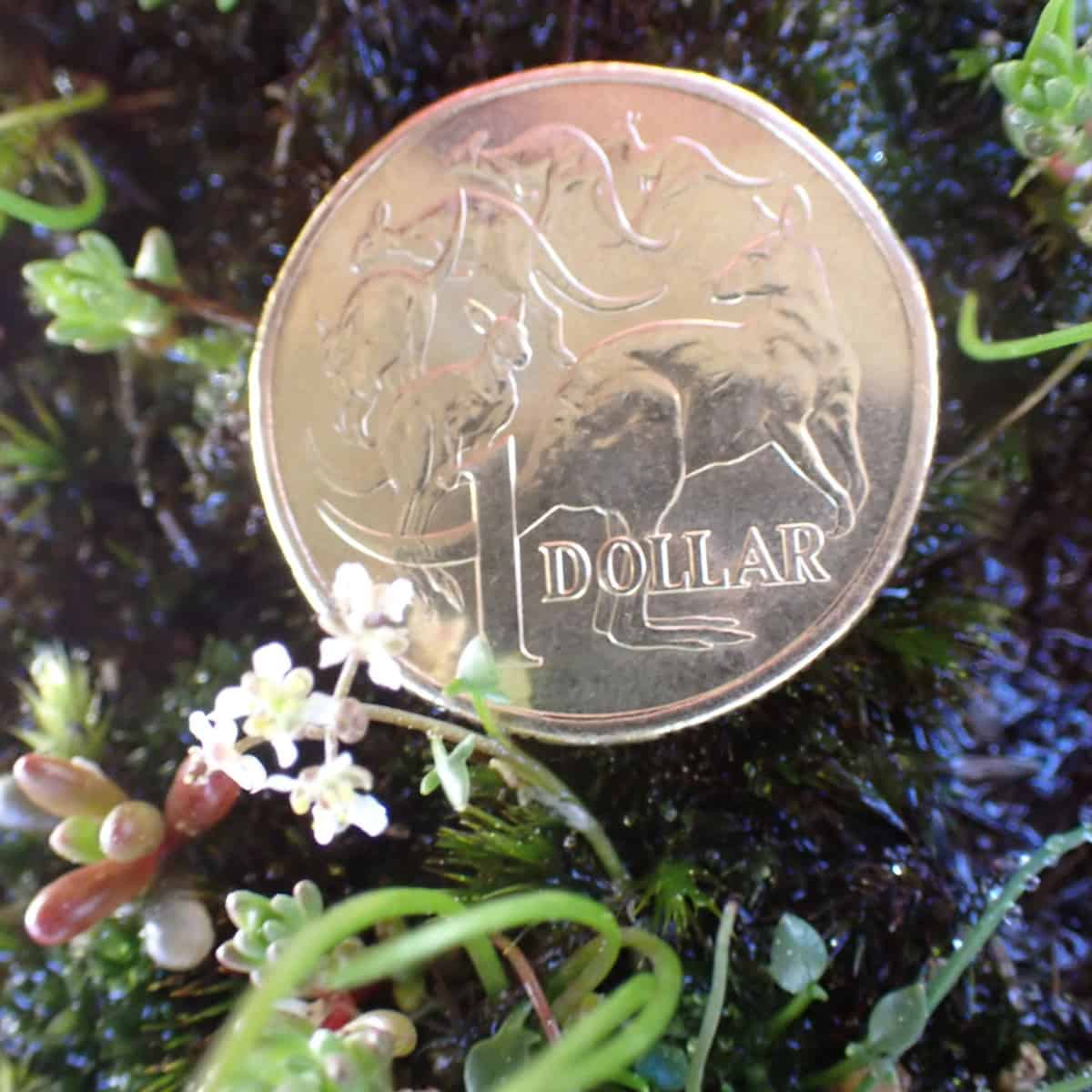
So the leaves, with petiole, are 4 lines long, while the scapes, holding the flower are 2 or 3 lines long. So how long is a line? Today, I learned the line is one of those lesser known imperial measurements. The assumption is that it’s one-twelfth of an inch, as that was the most common definition of the line. However, to make things more confusing, botanists didn’t agree what size and inch was, and the Paris inch was about a fifteenth bigger than an inch in London. These days, you can say a line is between 2.1 and 2.3 mm, but it’s a fuzzy measurement. Leaves 4 lines long measure barely a barleycorn or, in other words, are very small.
This explains where the pumilio, but why is it Ballantinia and not Draba? The next stage in the story comes in 1974. Elizabeth Shaw was looking at two species, or rather she was looking at one. Or maybe three. This bit of the puzzle draws together three strands of independent work, and took me a while to get straight in my head. The species Shaw examined were Capsella antipoda and Hutchinsia australis. These, she decided were the same plant, so it made sense to use the older name as the proper name. Except it wasn’t a Capsella nor a Hutchinsia. It fitted neither genus, so it needed to be placed in a third genus, and someone had already done that.
She writes that it had been moved from Hutchinsia by another botanist, Schulz, into Cuphonotus as Cuphonotus australis. That would have solved the problem but, looking at the plant, Shaw found it didn’t fit there either. This is why the genus needed a new name. She turned to JD Hooker’s notes on the plant labelling it as Ballantinia Hutchinsinioides, showing Hooker himself wasn’t sure that it was a Hutchinsia. The name Ballantinia came from Mary Ballantine, the woman who gathered the plants. Using that for the genus and following the epithet on the older Capsella name, the species name became Ballantinia antipoda. But even Shaw noted that it might be connected to Draba pumilio.
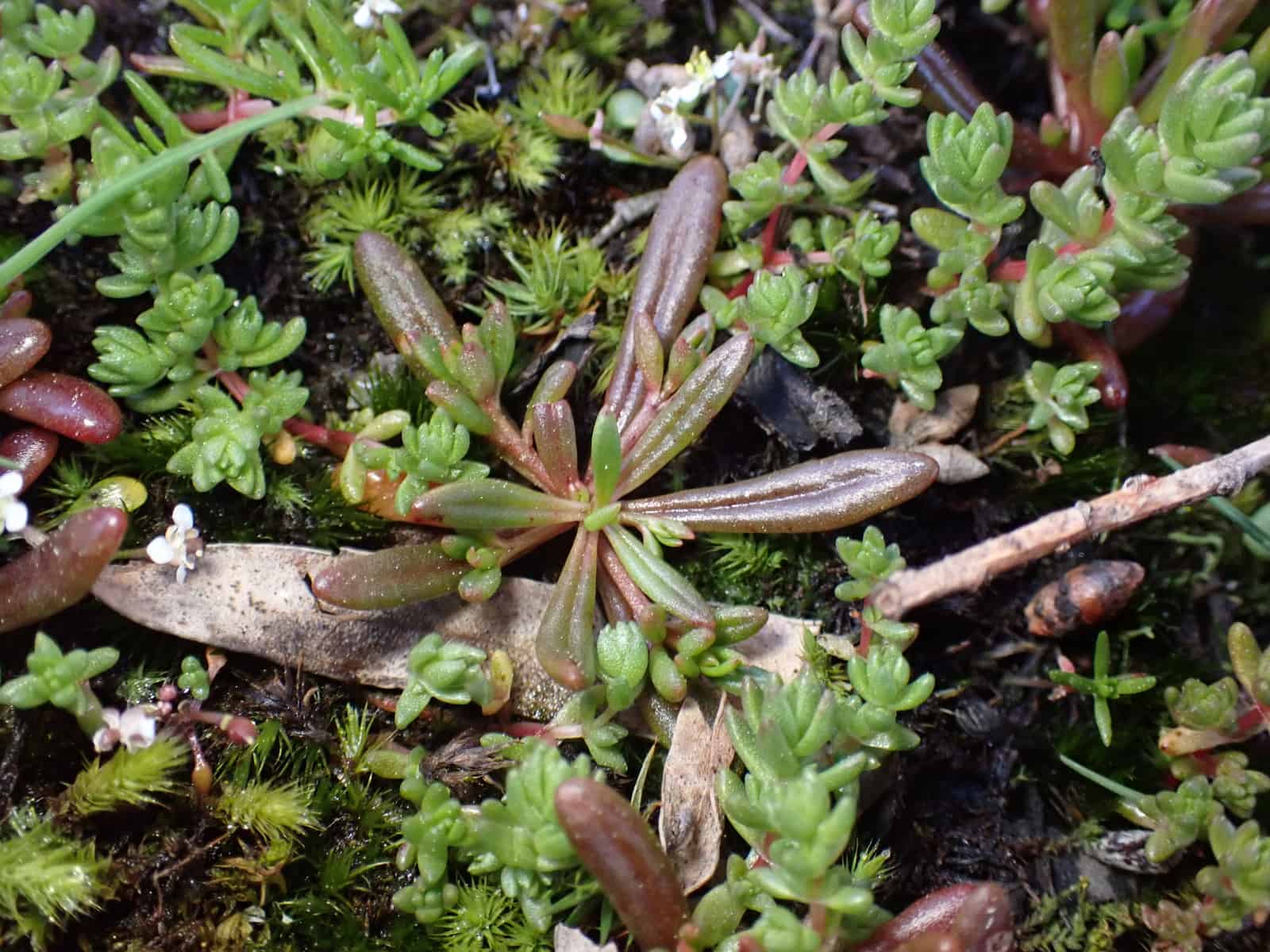
When Mabberley looked at the plant, he thought Shaw’s suspicion was right. When he combined Ballantinia antipoda and Draba pumilio into one species, the name couldn’t be Draba because it wasn’t a whitlow-grass, but it couldn’t be antipoda because pumilio was the older epithet, so by a long route the name Ballantinia pumilio survives. It means it's one of the few plants named, in part, after a woman who isn't a mythological figure or a wife.
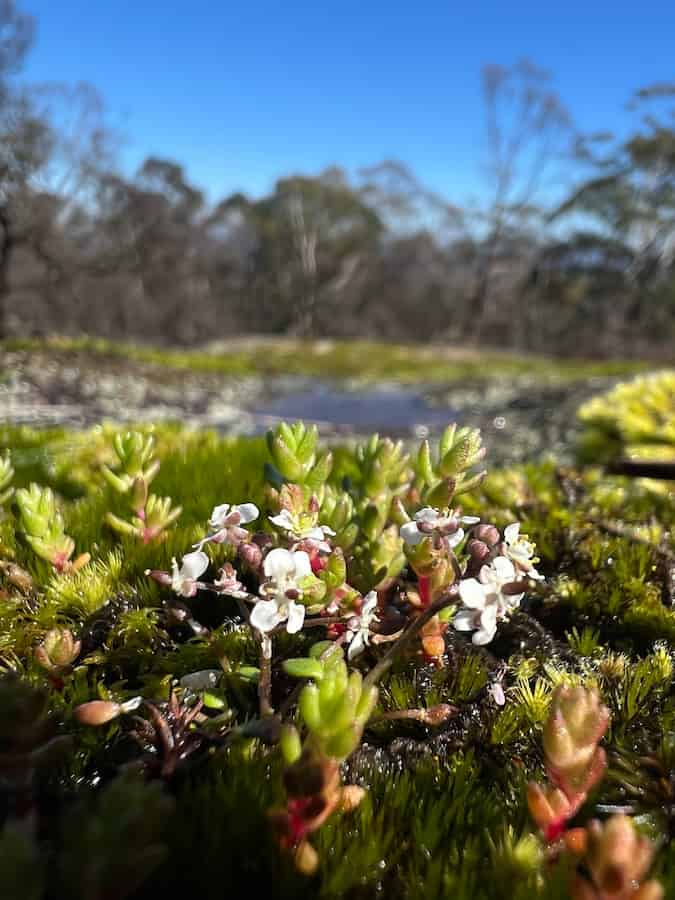
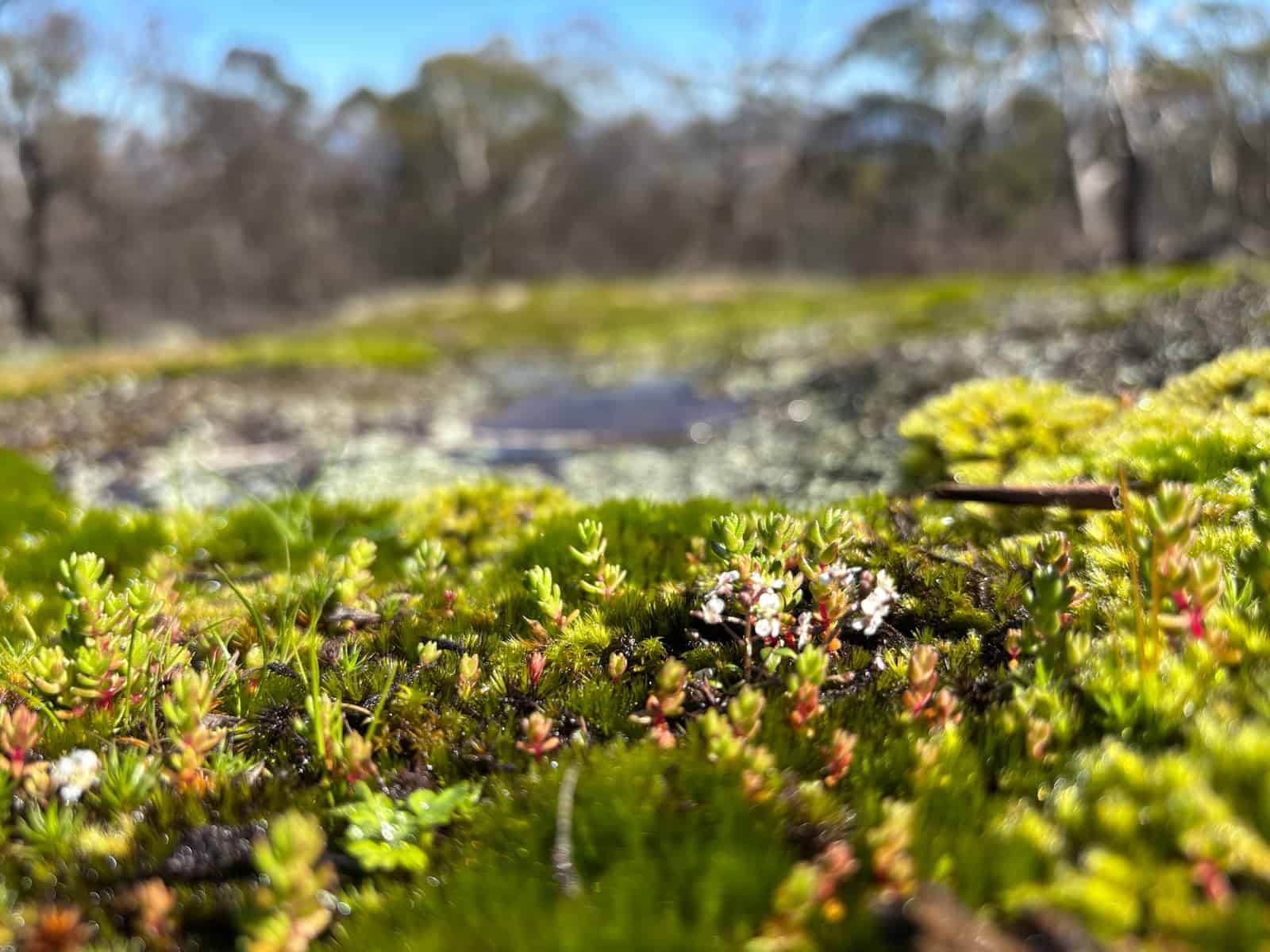
Naming the plant isn’t simply a prize in a pedantic game of pass-the-parcel. Getting the name right matters, because if this plant isn’t correctly labelled, then we don’t have an accurate idea of what the natural range of this plant is, nor of Capsella nor Draba. As Ballantinia pumilio, it’s the only species of its genus. It’s listed as critically endangered in Victoria, so should be getting more protection than it would under another label.
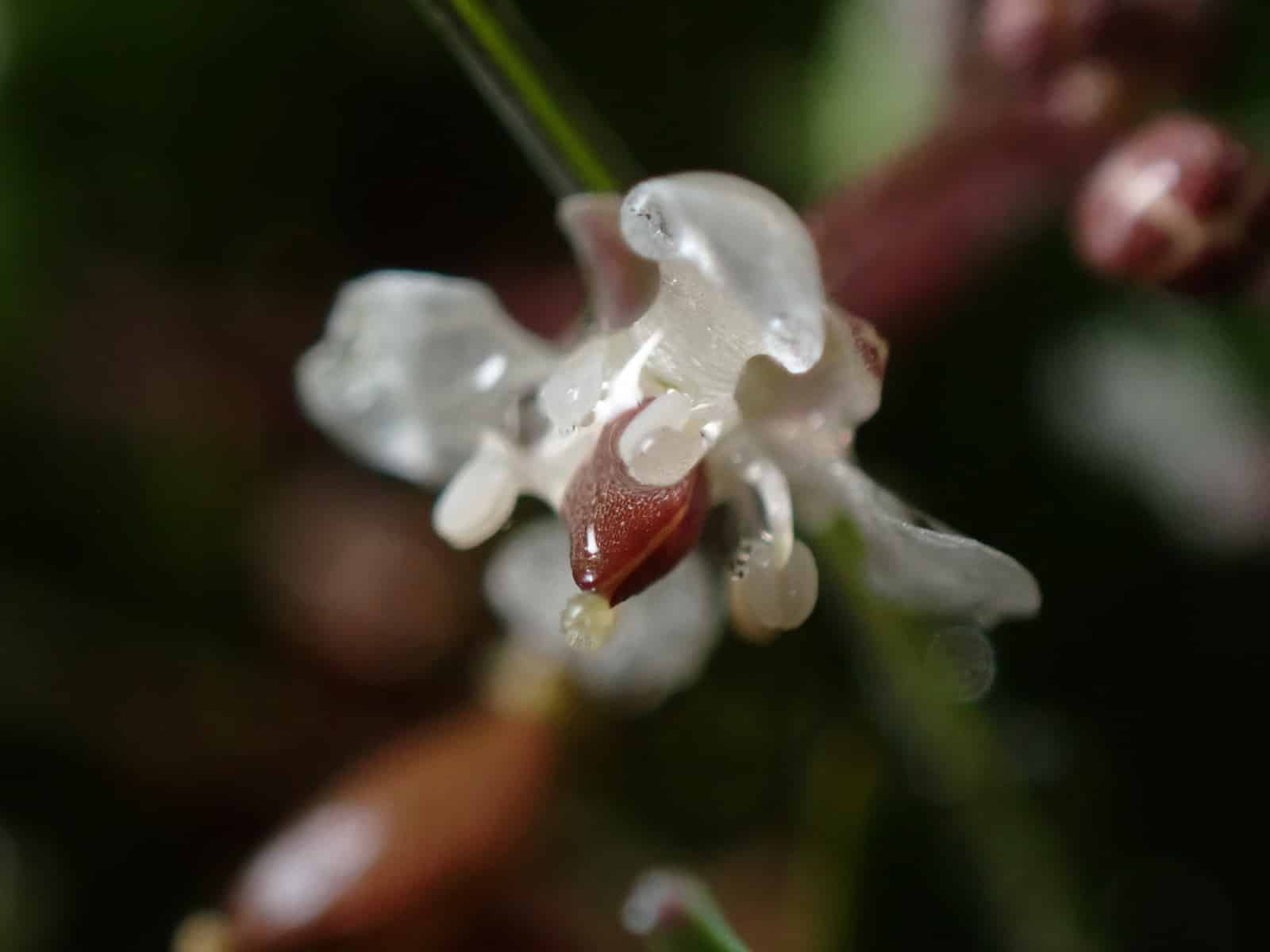
A fair final question would be, if it’s critically endangered, it is really a good idea to post about it? It’s not just plant collectors that could be a danger. Take me as an example. I might simply want to see it in the wild, but I’m clumsy and wear size 11 boots. Is it a good idea to attract attention, and possible risk, or is it helpful to know there are endangered plants, and opportunities for conservation, around? I saw an interesting paper this week that I need to spend more time reading: The most threatened plants receive the least scientific attention. This suggests that ignorance may harm plants that need help, but it’s not always a simple question to answer. Much like: “What’s that plant over there called?”
Cover image: Ballantinia pumilio by Jared Shorma CC BY