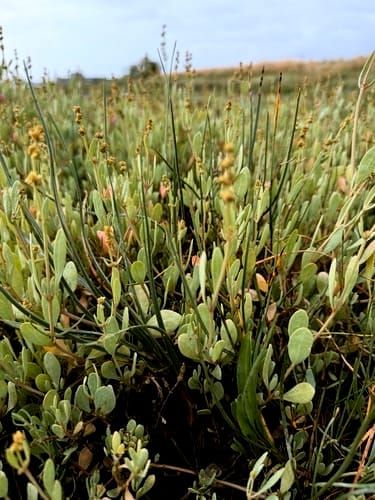

Seed banks are often described as a kind of insurance policy for plants: freeze a sample of a population's seeds today, and you can restore it decades from now if a disaster occurs. But a new study recently published in AoB PLANTS, focused on native plants in the Great Basin of the western United States, suggests that the seeds kept in those vaults may not be a perfect representation of the wild populations they came from.
The Great Basin is under increasing pressure from invasive annual grasses, which dry out early in the season, increasing wildfire frequency and putting native shrubs and grasses under growing stress. Programmes such as Seeds of Success have spent years banking seeds from these native species, to protect them against exactly this kind of threat.
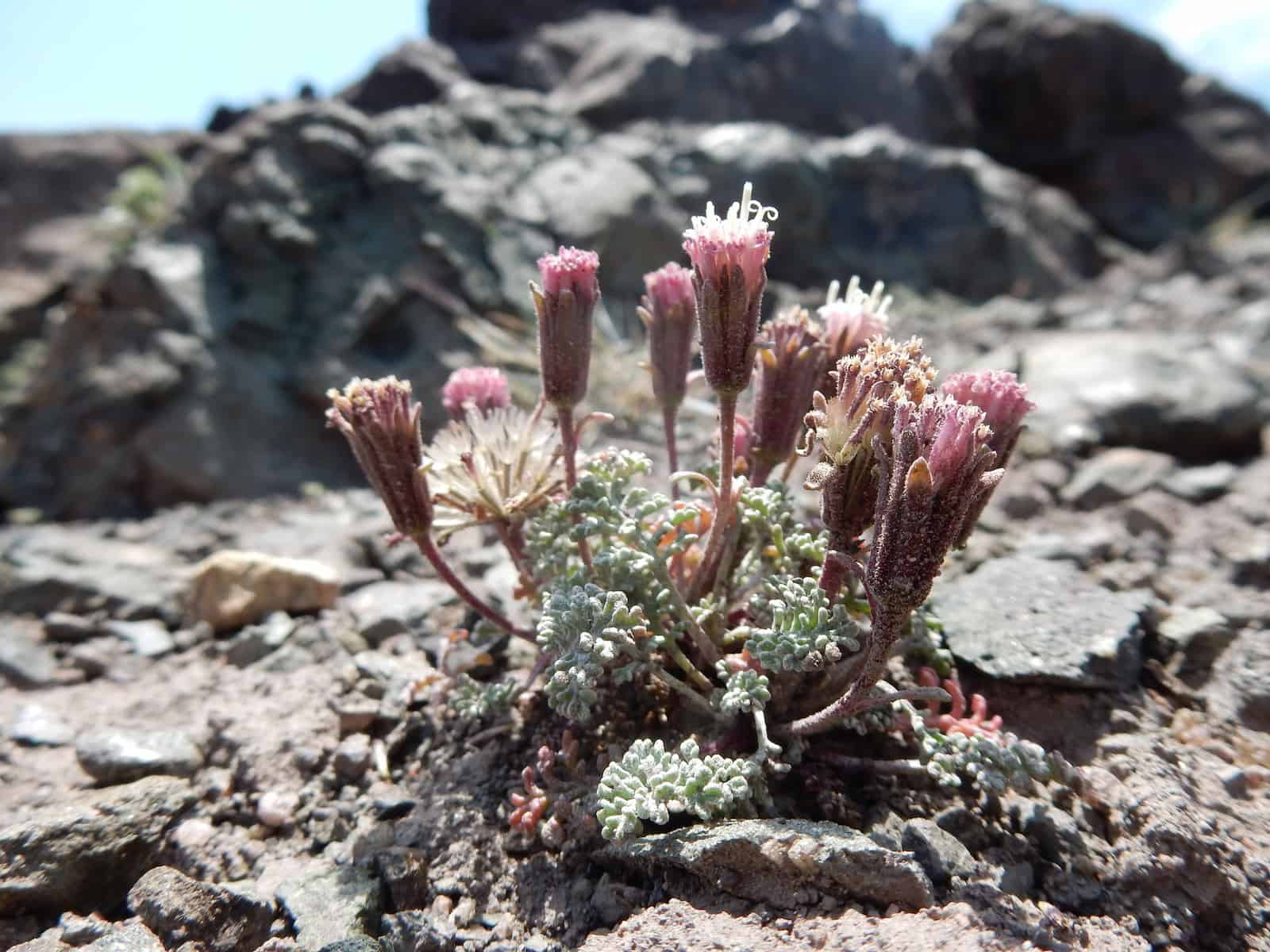
To find out whether banked seeds still matches what is growing in the wild, Shriver and colleagues compared old, stored seed collections with fresh seeds collected from the same populations 3 to 11 years later. They worked with six native plant species, sampling from sites that had burned over the following years, as well as paired sites that had not. All the seeds, old and new, were then grown together in a common garden, removing the environment effects and letting researchers compare seeds and seedlings under the same conditions.
The results suggest that seed banks and wild populations can end up quite different from one another. Every one of the six species showed a change over time in at least one trait, whether or not the site had burned. Seed mass and the timing or success of seedling emergence showed the biggest changes: 12 out of 17 such measurements were different between the old and new collections. Traits related to survival and plant size were quite stable, changing in only 6 of 24 measurements. Interestingly, it was mostly the average that changed, not how much the trait varied within a population.
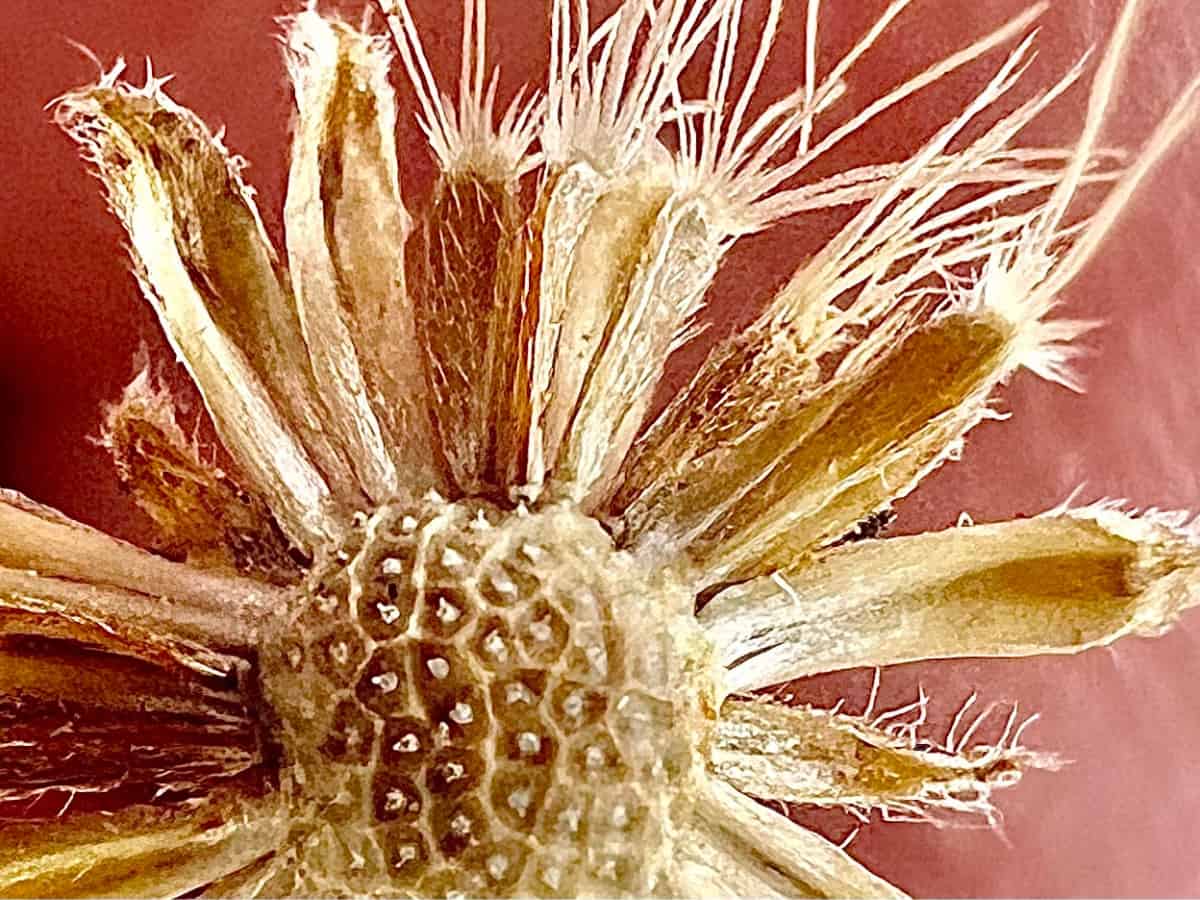
Through a resurrection study, we assessed change over time in native plants collected through the SOS programme, comparing seed and seedling traits in populations collected before and after wildfire. We found evidence of temporal change across all species and nearly all traits.
Why the seeds themselves would be affected by time in storage, rather than the environment out in the field, is not entirely clear. Simple sampling differences between collection dates could explain some of it. So could seeds simply aging in storage, or small differences in what the mother plants went through when each batch of seed was produced. Genetic change over time, whether from random drift or from natural selection acting on the wild population, is another possibility the researchers haven't dismissed.
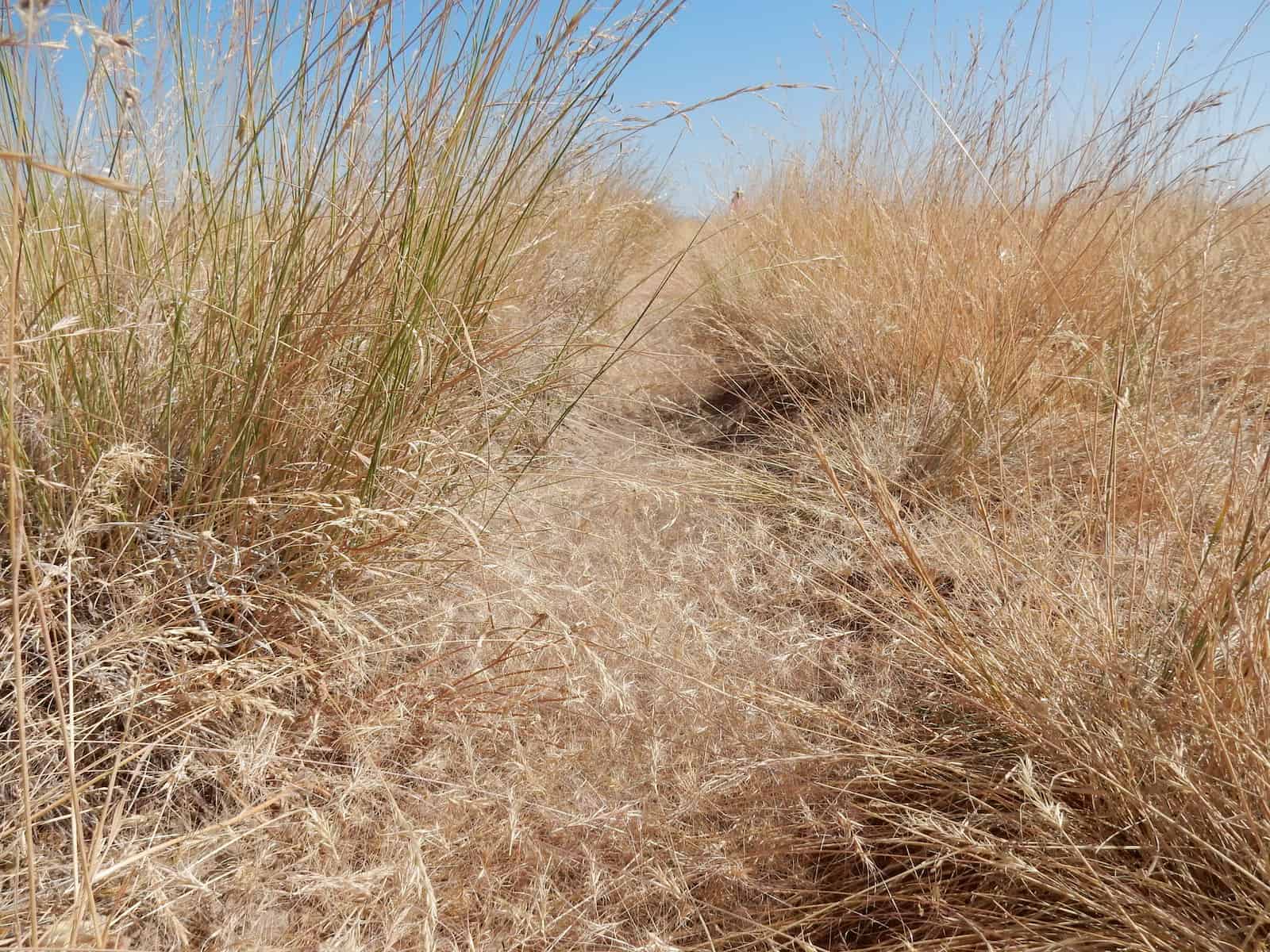
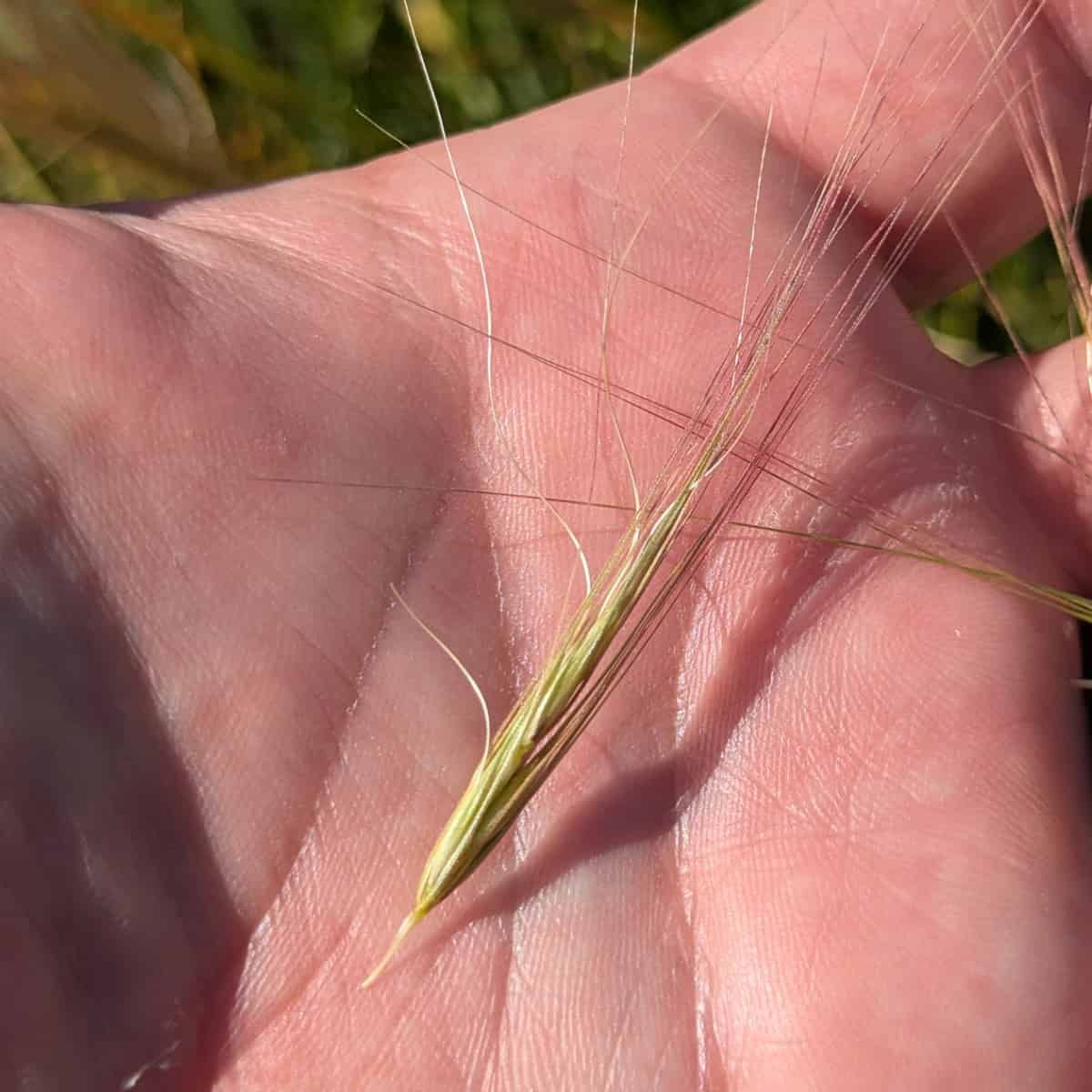
One species, squirreltail grass (Elymus elymoides) showed some evidence of an adaptive evolutionary response to a disturbance. Seeds collected from populations that had burned tended to produce smaller plants that emerged earlier, with less variation between individuals than seed from unburned sites, which is exactly what fire would favor: a plant that grows up fast.
Rather than raising concerns about seed banking, these findings highlight its value as a way of preserving variation over time. Because banked seed and wild seed can diverge in measurable ways, keeping a store of seeds collected at a particular moment preserves genetic and phenotypic variation that might otherwise be lost as wild populations continue to change.
READ THE ARTICLE
Shriver, L.C., Barga S.C., Leger E.A. (2026) “Seeds of change: trait shifts over time in wild plant populations revealed using ex situ Seeds of Success collections” AoB PLANTS. Available at: https://doi.org/10.1093/aobpla/plad049
Cover image: Elymus elymoides by Dominic Gentilcore / iNaturalist CC BY