
In the northern Mediterranean, populations of Sonchus asper, a common annual plant often considered as a largely self-fertilising species, show important differences in their flowers and life forms. Those differences were already described in the nineteenth century, but later classifications did not take them into account, and instead grouped the plants based on their leaf arrangement. Now, a study published in AoB Plants suggests that these differences may reflect distinct evolutionary histories.
Mejías and colleagues sampled 40 populations of S. asper across the northern Mediterranean, covering the different floral and life forms found in the species. Each population was classified into one of four morphotypes based on characteristics such as floral form and whether plants were annual, biennial or rhizomatous. The populations were also classified according to the traditional system based on leaf arrangement.
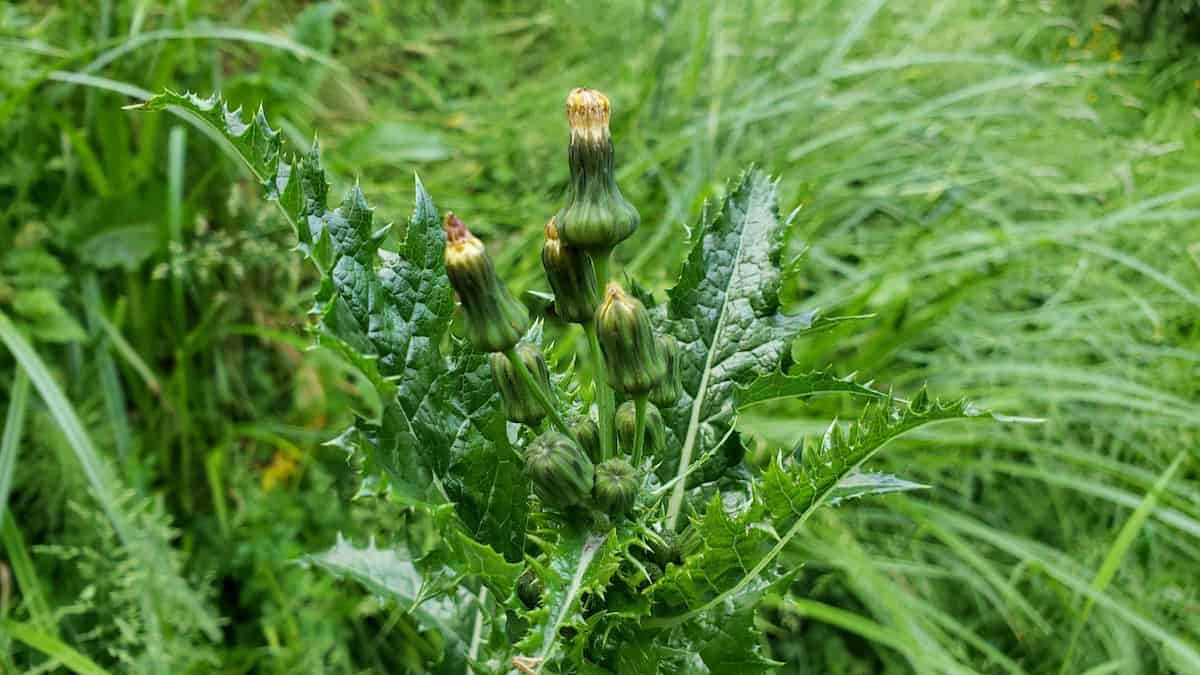
When the researchers looked at the evolutionary relationships using nuclear ITS/ETS and chloroplast DNA sequences, the floral and life-form corresponded to three well supported groups. The leaf-based classification, however, did not separate the populations in the same way.
The most widespread group was the well-known annual form of S. asper, characterised by self-fertilisation. It occupied the earliest diverging branch of the phylogenetic tree.
The other two groups consisted of self-incompatible plants, meaning they could not reproduce through self-fertilisation. One group had rhizomes (underground stems that allow plants to spread vegetatively) and the other included annual and biennial forms.
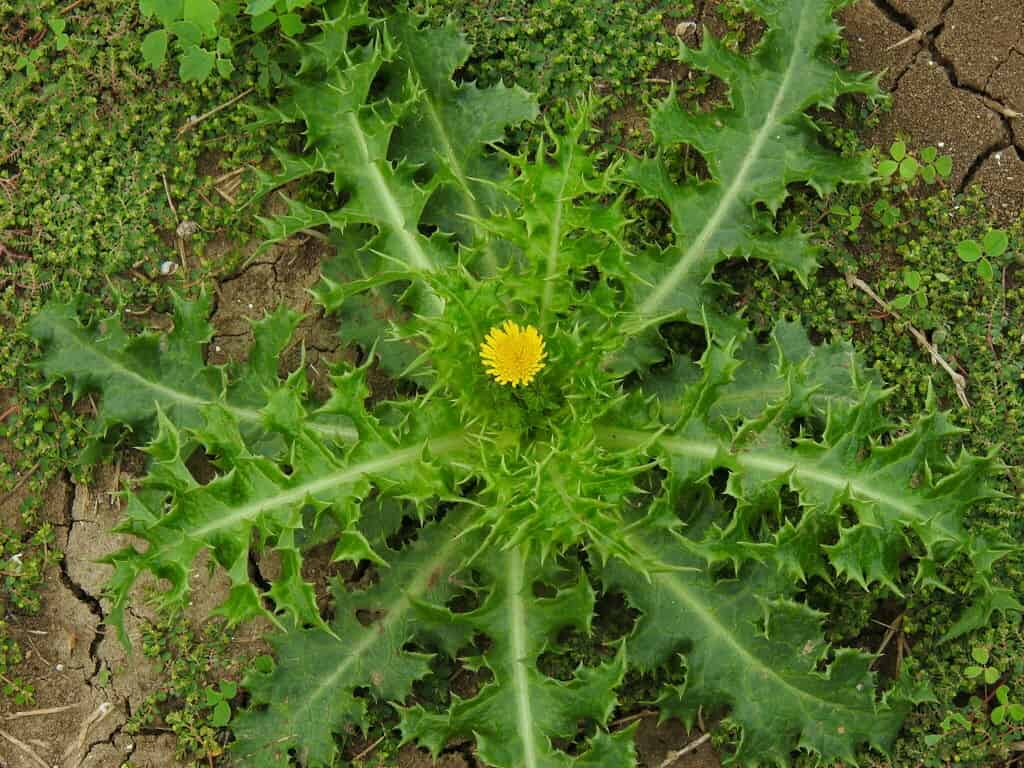
Genetic analyses using amplified fragment length polymorphism (AFLP) markers also identified different genetic profiles associated with the different life history strategies. Chloroplast DNA also showed that the genetic lineages followed distinct geographical patterns.
Together, the results suggest that the traits used to define the morphotypes reflect their evolutionary history. In other words, differences in floral form, reproductive system and life history seem to reflect deep evolutionary differences within the group.
This is important because species are often difficult to define when closely related populations differ in some characteristics but not others. Traditional taxonomy may focus on easily observed traits, while evolutionary studies can identify genetic divisions.
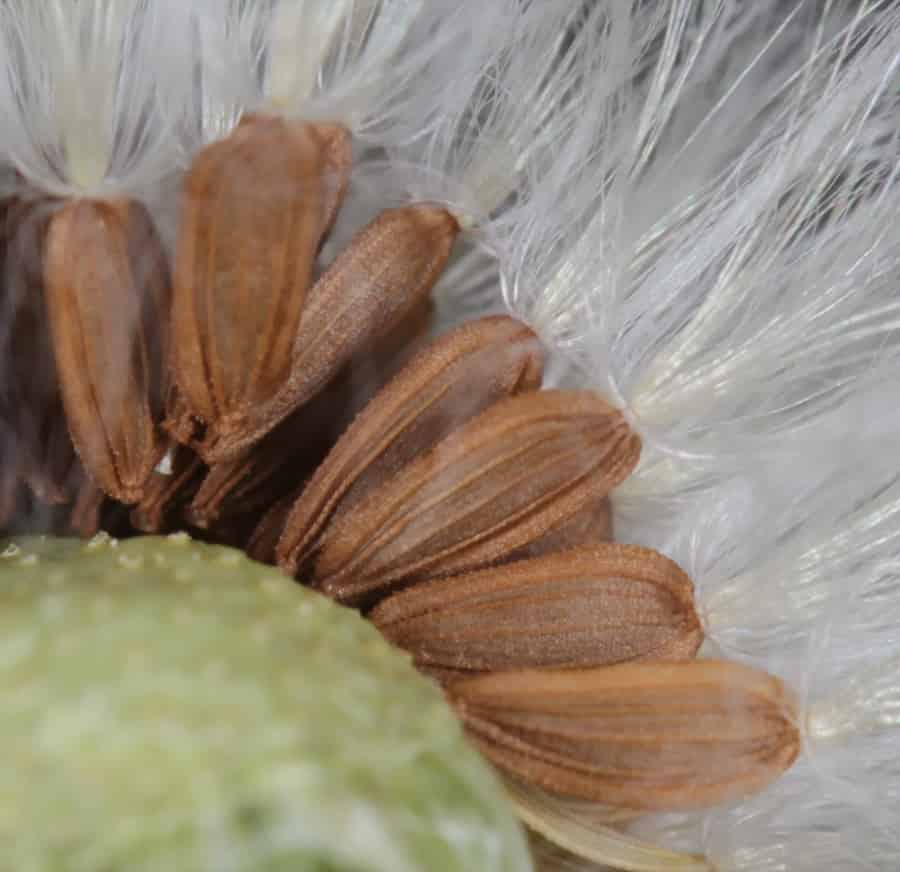
“Owing to the difficulty of discerning such distinctive traits in herbarium specimens, they had been overlooked; however, our subsequent testing has confirmed that these are functional traits of evolutionary significance in this species complex. Crucially, bringing this unaccounted diversity to light does not reflect cryptic speciation processes, but rather is an artefact of over-reliance on herbarium material—leading to what could be termed cryptic herbarium taxa”
The finding also highlights how much biodiversity may be hidden within familiar species. If populations with different reproductive systems, life histories and genetic backgrounds are treated as a single species, evolutionary diversity can disappear from taxonomic classifications, and from conservation efforts.
For Sonchus asper, a plant that might seem quite ordinary, the result show that species names do not always capture the diversity they contain. Studying how plants reproduce, grow and interact with their environment can sometimes uncover evolutionary relationships that cannot be seen in a herbarium specimen or captured by a name.
READ THE ARTICLE
Mejías, J.A., Cho M., Berjano R., Terrab A., Costales-Maestre P., Silva J.L. and Kim S. (2026) “Functional traits reveal unaccounted diversity within Sonchus asper (L.) Hill (Asteraceae) in the northern Mediterranean and enable the reinstatement of ancient taxa” AoB Plants. Available at: https://doi.org/10.1093/aobpla/plag040
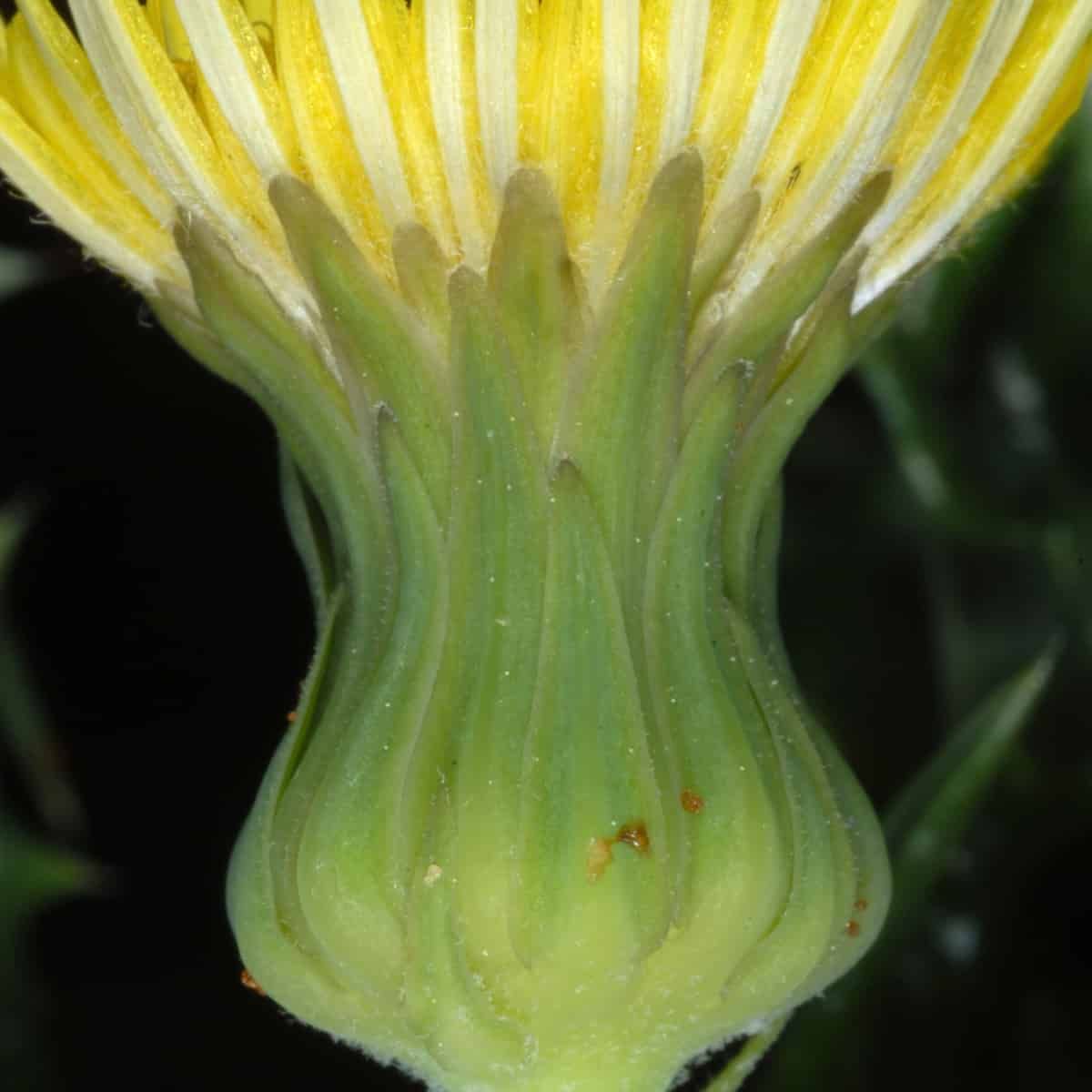
Cover image: Sonchus asper by Douglas Goldman / iNaturalist CC BY-SA