
Two closely related plant species can have very different reproductive strategies. One might pollinate itself; while the other needs pollen arriving from another flower. That small difference can have strong consequences for how species diverge and remain separate. A new study recently published in AoB Plants explores how differences in pollination help keep two Erysimum species apart.
For one species to become two, its populations have to slowly stop interbreeding. This is known as reproductive isolation, and it can happen in several ways. Plants may grow in different places, flower at different times, attract different pollinators or fail to produce healthy offspring when they cross.
But these barriers don’t operate independently. Researchers have often studied these barriers one at a time, leaving a key question: how do they work together to keep species from interbreeding?
Ana García-Muñoz and colleagues studied two closely related species: Erysimum incanum, which mostly pollinates itself, and Erysimum wilczekianum, which needs pollen from other plants. They checked every step of reproduction to find out what stops the two from interbreeding.
The results reveal an interesting degree of reproductive isolation. When all barriers were considered together, the researchers calculated a total isolation value of 0.999, indicating almost complete separation. That separation doesn’t come from one big obstacle. It comes mainly from barriers that act before pollen reaches a flower.
Pollinator behaviour seems to be particularly important. Pollinators clearly preferred E. wilczekianum, so pollen rarely made it from one species to the other. If insects keep visiting the same kind of flower, the chances of cross-fertilisation decline.
The two species differ in floral traits, particularly flower size, which may influence which flowers pollinators visit and, ultimately, where they carry pollen. In Erysimum, flower size seems to be a characteristic that evolves in response to a species’ way of life and, at the same time, reduces mating with other populations.
The barriers acting after pollination are more complex. When the researchers examined crosses between the species, they found an important difference in the results. Hybrid seed formation was largely prevented when E. wilczekianum was the maternal parent, whereas crosses in the opposite direction were comparatively successful. Although fewer hybrid seeds germinated, those that survived grew particularly well. The researchers also found no evidence that later generations of hybrids become less healthy or less successful at reproducing.
Taken together, our results contribute to a broader understanding of how mating system divergence can shape the architecture of reproductive isolation in plants. Rather than acting as a single barrier, mating system differences appear to reorganize multiple components of isolation simultaneously, from pollinator-mediated processes to post-pollination compatibility.
These findings suggest that the two species are still capable of producing viable offspring. Rather than being unable to cross, they are kept apart mainly by differences in their environment and the pollinators they attract.
READ THE ARTICLE
García-Muñoz A., Ferrón C., Olivieri E., Funes-Ligero E., Abdelaziz M. and Muñoz-Pajares J. (2026) “Reproductive isolation emerges from coordinated barriers during mating system divergence in plants” AoB Plants. Available at: https://doi.org/10.1093/aobpla/plag052
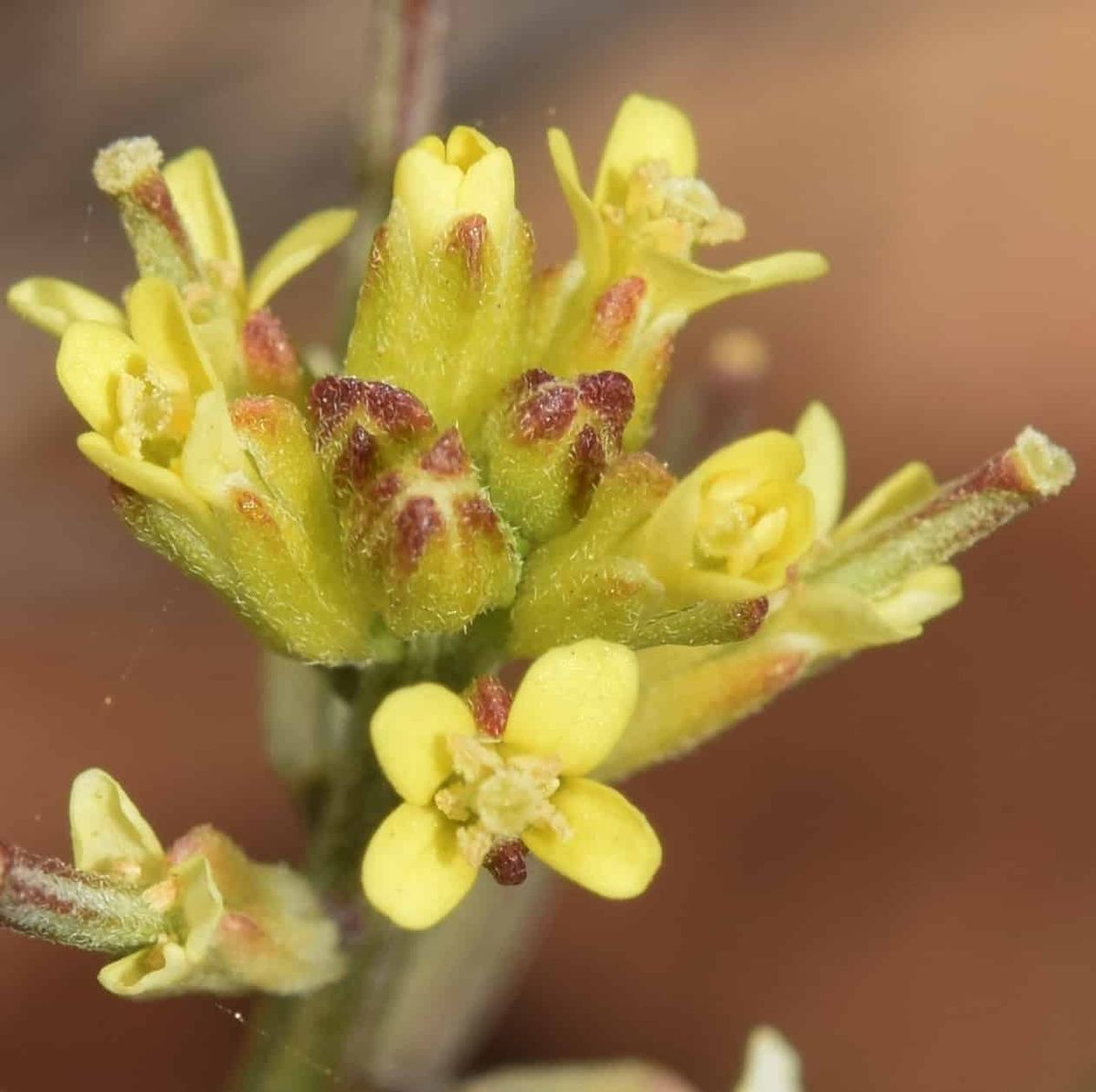
Cover image: Erysimum incanum by faluke CC BY-NC