Science Shared
Science Shared: June 6
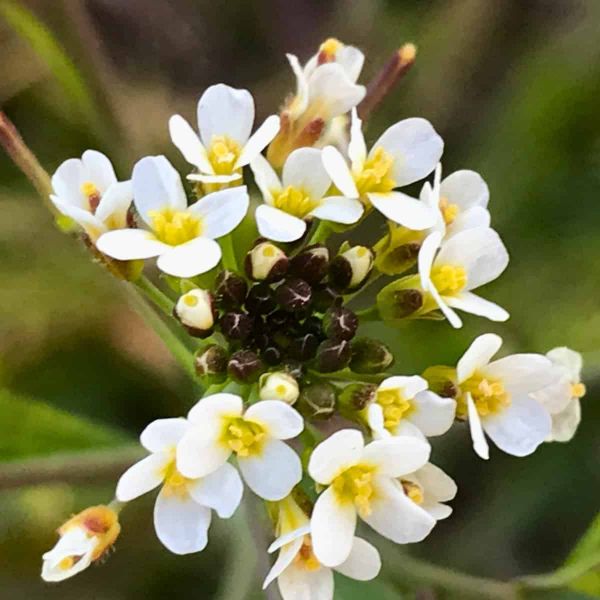
This week: seed priming, flooding stress and when controls get out of control.

Science Shared
This week: seed priming, flooding stress and when controls get out of control.
Digital Botany Focus Issue
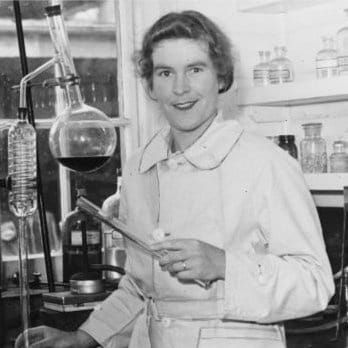
Natural history collections are historical repositories brimming with potential. Not only are plant and fungal specimens fundamental to scientific research, but they also give us insights
Ecosystems
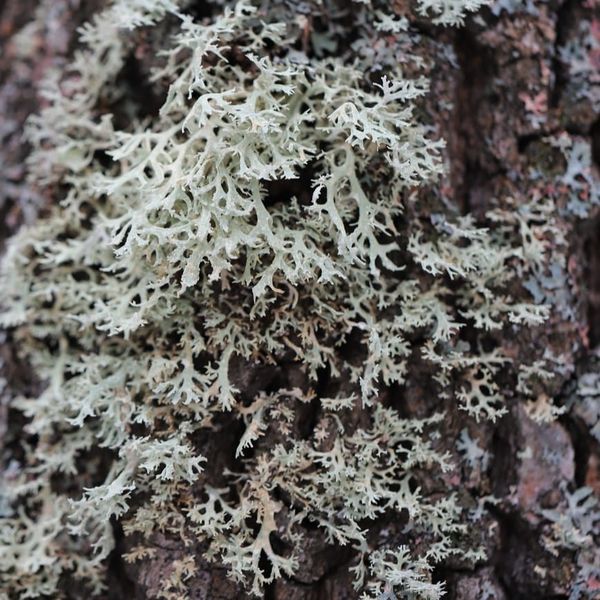
Lichens and mosses may act as living sensors of urban warming, helping researchers understand how rising city temperatures alter biodiversity at the smallest scales.
Digital Botany Focus Issue
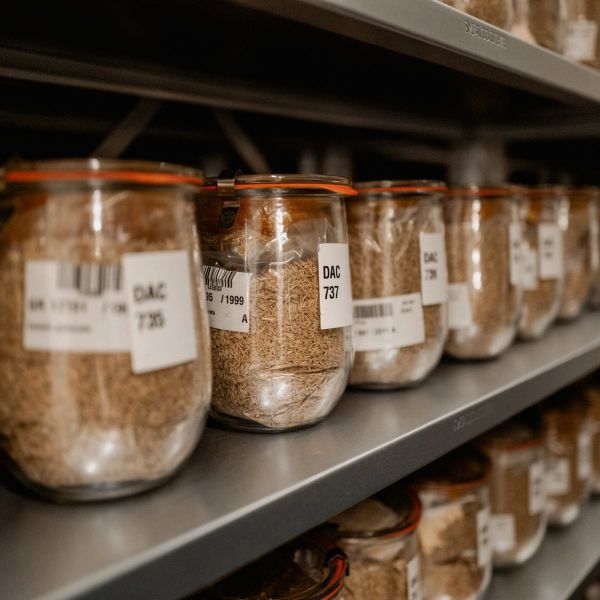
As crop collections become increasingly digital, EURISCO shows why conserving plant diversity means managing not only seeds, but also the data that give them meaning.
Plants & People
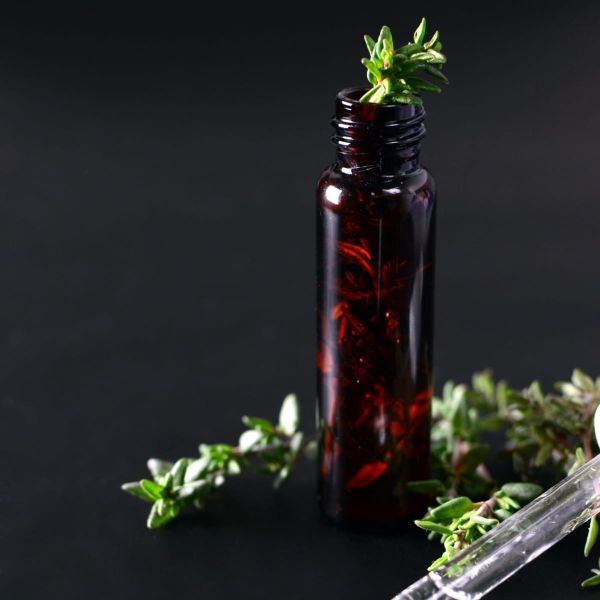
Could perfumes help save endangered plants? A new initiative combines fragrance technology, conservation funding, and ethical sourcing to protect some of the world’s rarest species.
Digital Botany Focus Issue
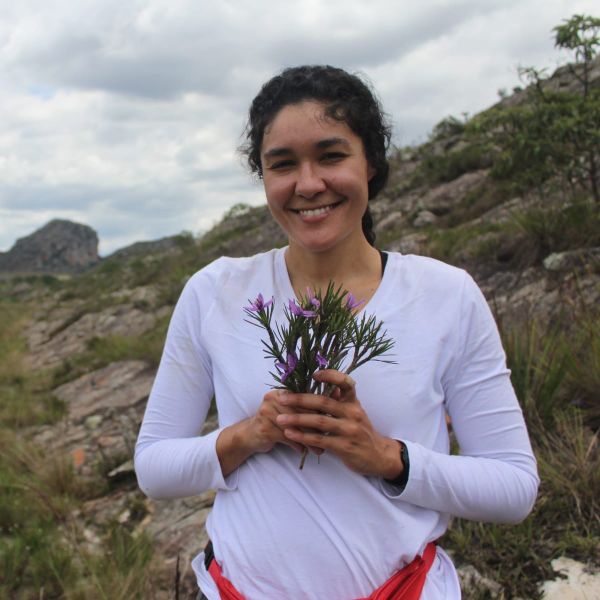
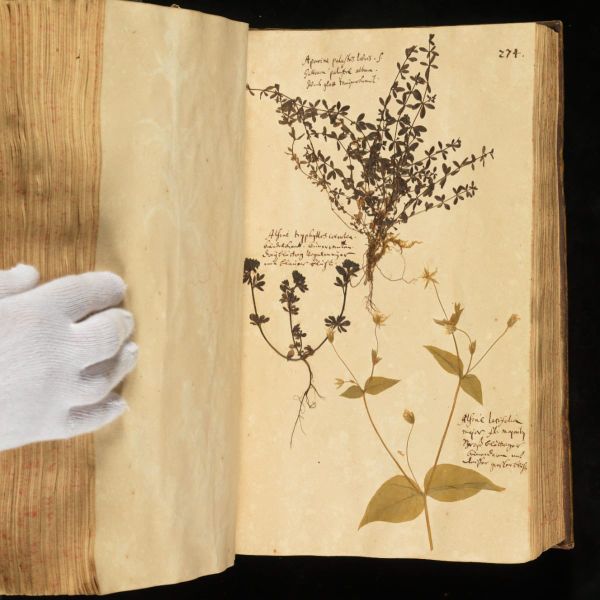
Before a plant becomes a digital record, it passes through the hands of collectors, taxonomists and curators. Scientists across Latin America reveal why turning specimens into data is part detective work, part history, and part botanical adventure.
The Week in Botany
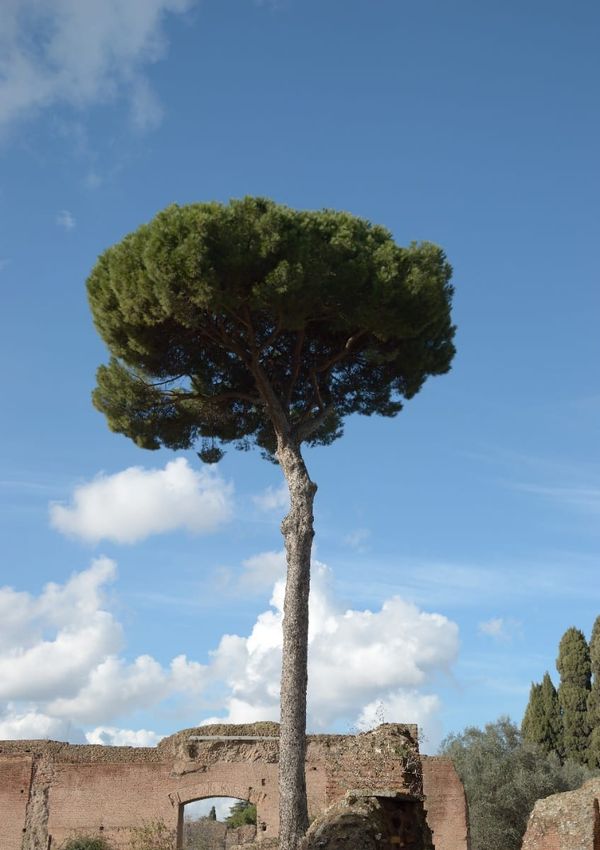
This week: Sweet potatoes on Mars, floral snouts, and a researcher working on nature-based solutions for controlling nematodes.
Digital Botany Focus Issue
Why digital botany matters now
Plant of the Week
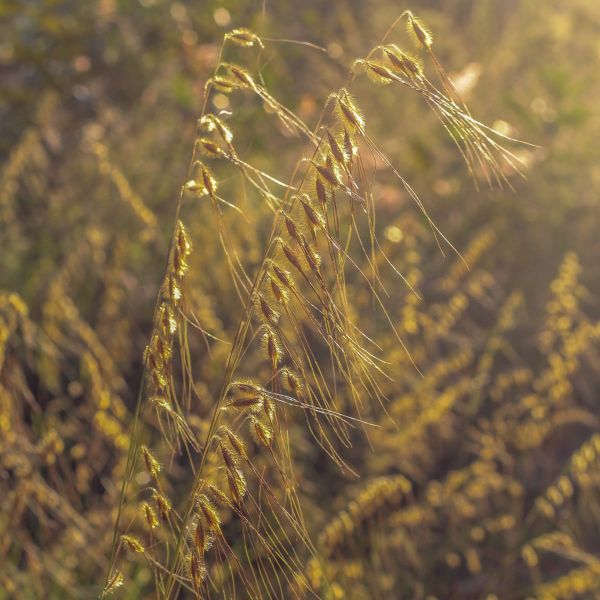
The capim-brinco-de-princesa brings together the beauty of the dry-season Cerrado, community seed collection and a new vision for native landscaping.
Science Shared
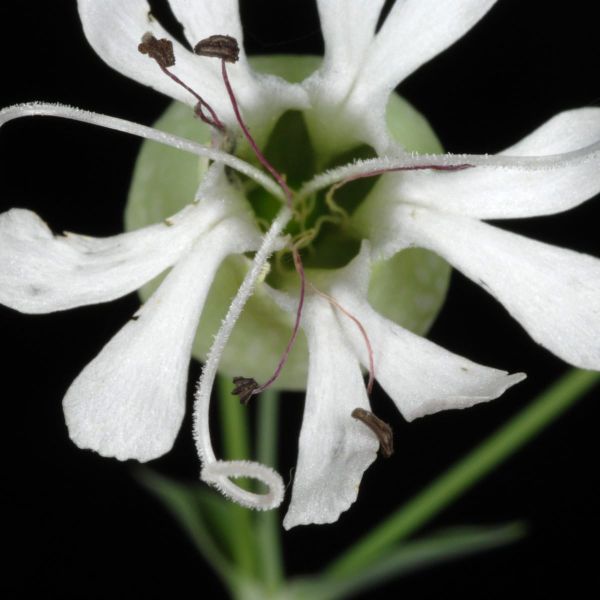
This week: selective autophagy, maize flowering, water-potential sensing, and much more.
Plants & People
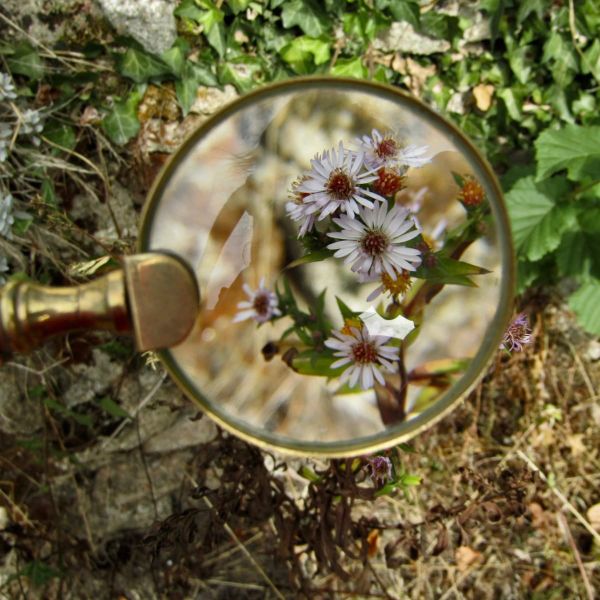
New research finds that people are no worse at naming common wild plants than they were two decades ago, but younger adults may be missing out on everyday plant knowledge.
Growth & Development
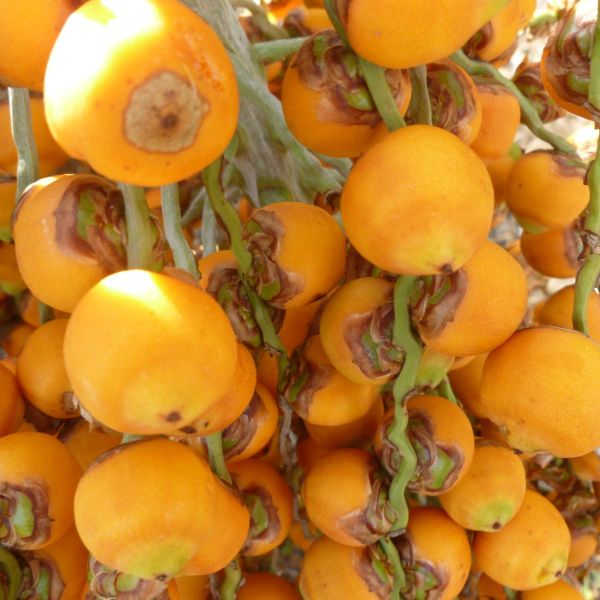
New research shows that the seeds of Butia capitata use seasonal temperature cues to weaken their protective barriers, ensuring germination happens when the rainy season gives seedlings the best chance to survive.