The Week in Botany
The Week in Botany June 15, 2026
This week: Tools for digital botany, secret photosynthesis and the shifting habitats of state flowers.


The Week in Botany
This week: Tools for digital botany, secret photosynthesis and the shifting habitats of state flowers.

Plant of the Week
From golf to tennis to football, turfgrass is specially bred for a variety of sports

Puzzles
⚽ From Africa to North America
Science Shared
This week: plant immunity, gall production, and improvements to Agrobacterium-mediated plant transformation.

Puzzles
Peter Raven
Digital Botany Focus Issue
Millions of herbarium specimens are now only a click away. But how do botanists find the right records, sort the right images and train better AI tools? Three digital botany tools are helping turn online collections into usable knowledge.
Plants & People
State flowers and insects are meant to represent a place, but climate change may soon test how long those living emblems can remain in place.
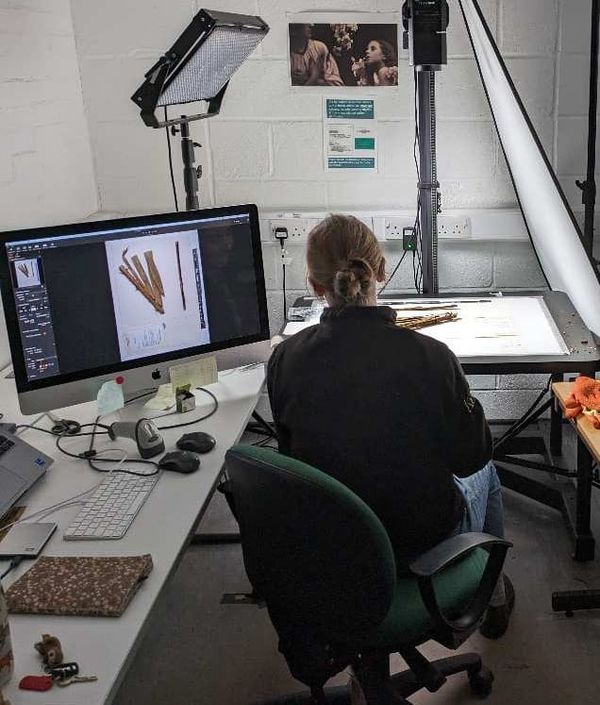
Digital Botany Focus Issue
Anyone with a smartphone probably has a camera roll of images waiting to be sorted through. Now imagine you have millions of images to process, and
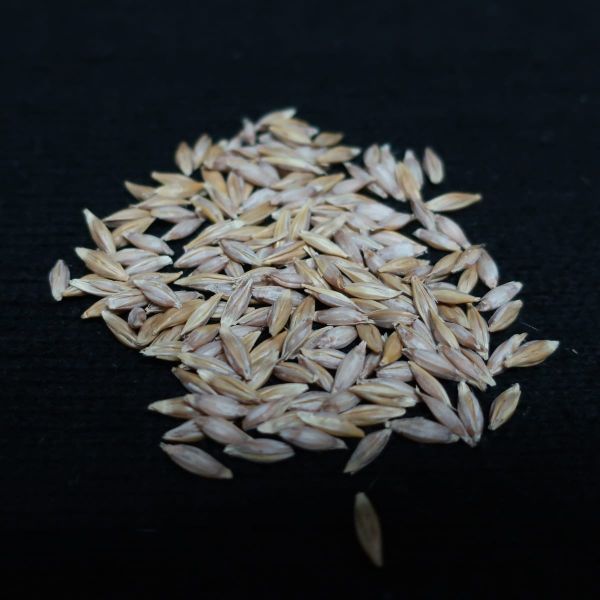
Growth & Development
A new method reveals that developing barley seeds run their own form of photosynthesis, distinct from the familiar process in leaves.
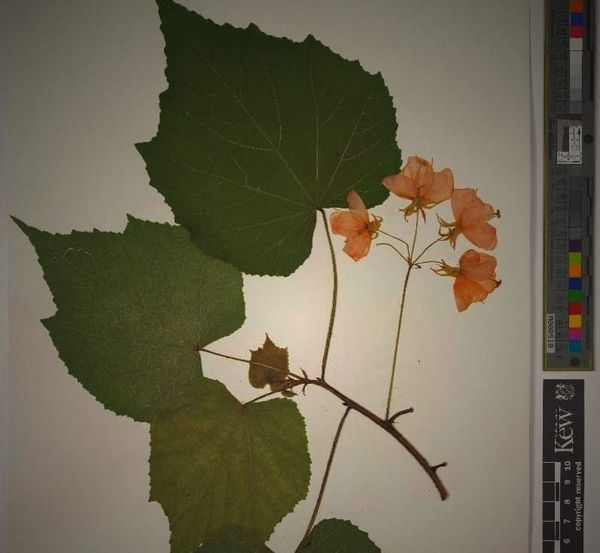
Digital Botany Focus Issue
Everyone knows that it is important to have the right tools for the job, whether collecting plants in the field for scientific research or cooking them
The Week in Botany
This week: the first week of our Focus Issue on Digital Botany, perfumes to save endangered species, plus urban byrophytes and lichens.
Plant of the Week
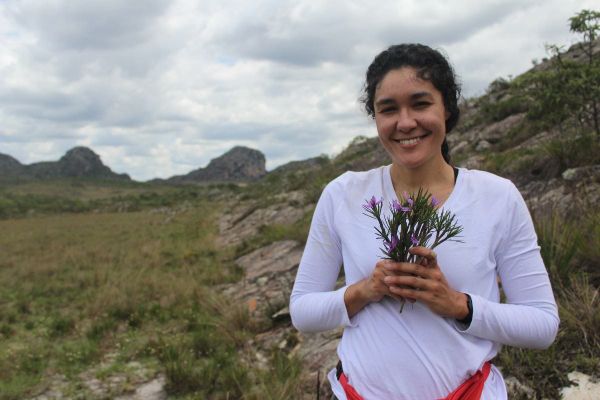
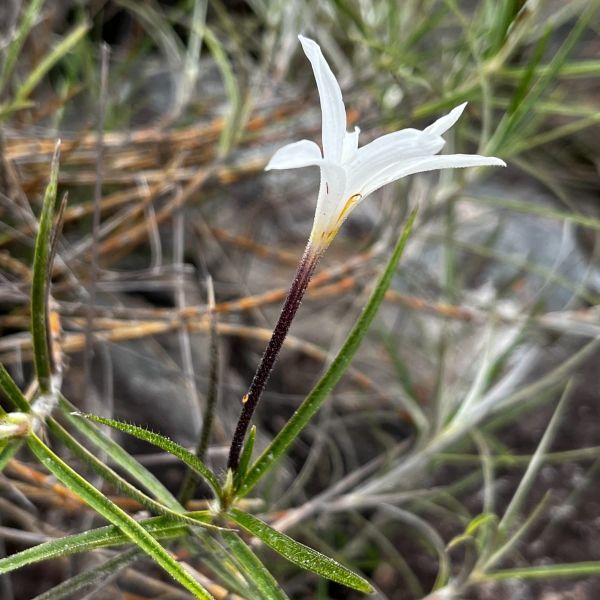
Once known from only two sites in Brazil’s rocky Cerrado highlands, Vellozia sessilis is now helping show how fieldwork and citizen science can protect microendemic plants.