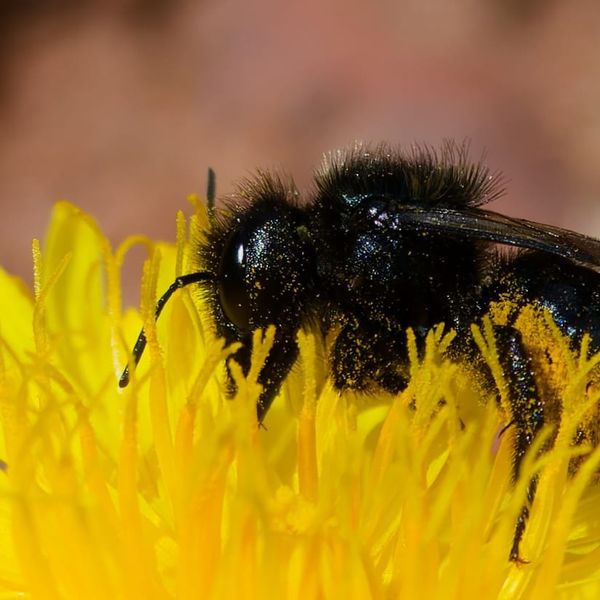

Think of a pollinator. What comes to mind? For most people, the first answer is a honeybee. Others might picture a butterfly hovering over a flower or a bird probing a blossom for nectar. Beetles rarely make the list. Yet these insects have been visiting flowers for millions of years, and some plants appear to have evolved remarkable ways of attracting them.
Flowering plants often evolve traits that help them attract particular pollinators. Bright colours, for example, can attract birds, while sweet fragrances help guide bees to the blooms. Beetle pollination, however, is a different story. Because beetles are such a diverse group, plants that rely on them have evolved a variety of strategies, from offering food and shelter to producing different scents that act as long-distance chemical signals.
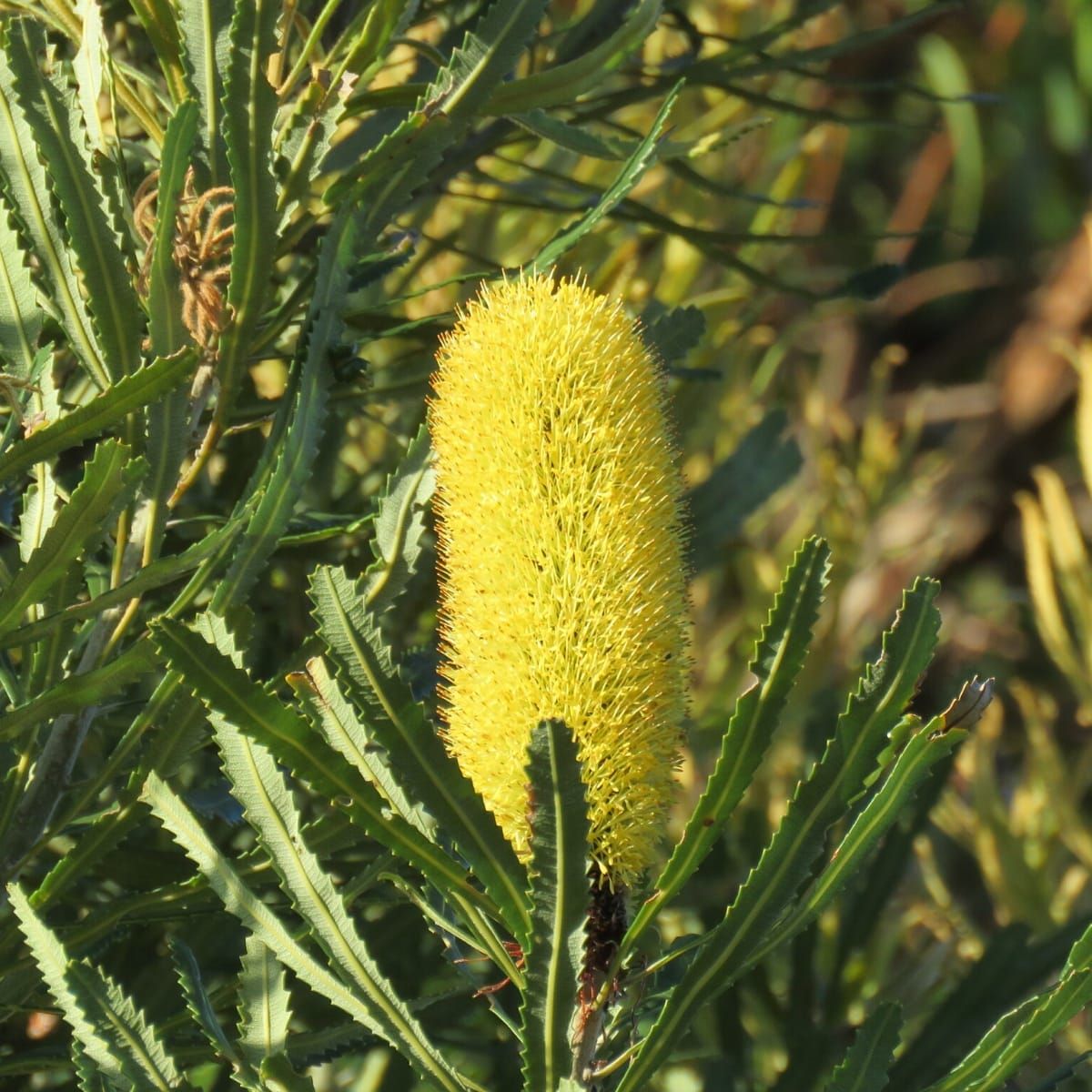
One species that has long intrigued botanists is Banksia attenuata. Unlike other Banksias, it produces a strong fruity fragrance, has unusually short floral structures, and presents oily pollen rather than the dry powdery pollen typical of other Banksia species. Previous studies suggested that birds and the tiny marsupial Honey possum, Tarsipes rostratus, are important pollinators of Banskia attenuata. However, birds visited these flowers less frequently than they did those of other banksias, and experiments suggested that insects might also contribute to pollination. So, the story never seemed entirely straightforward.
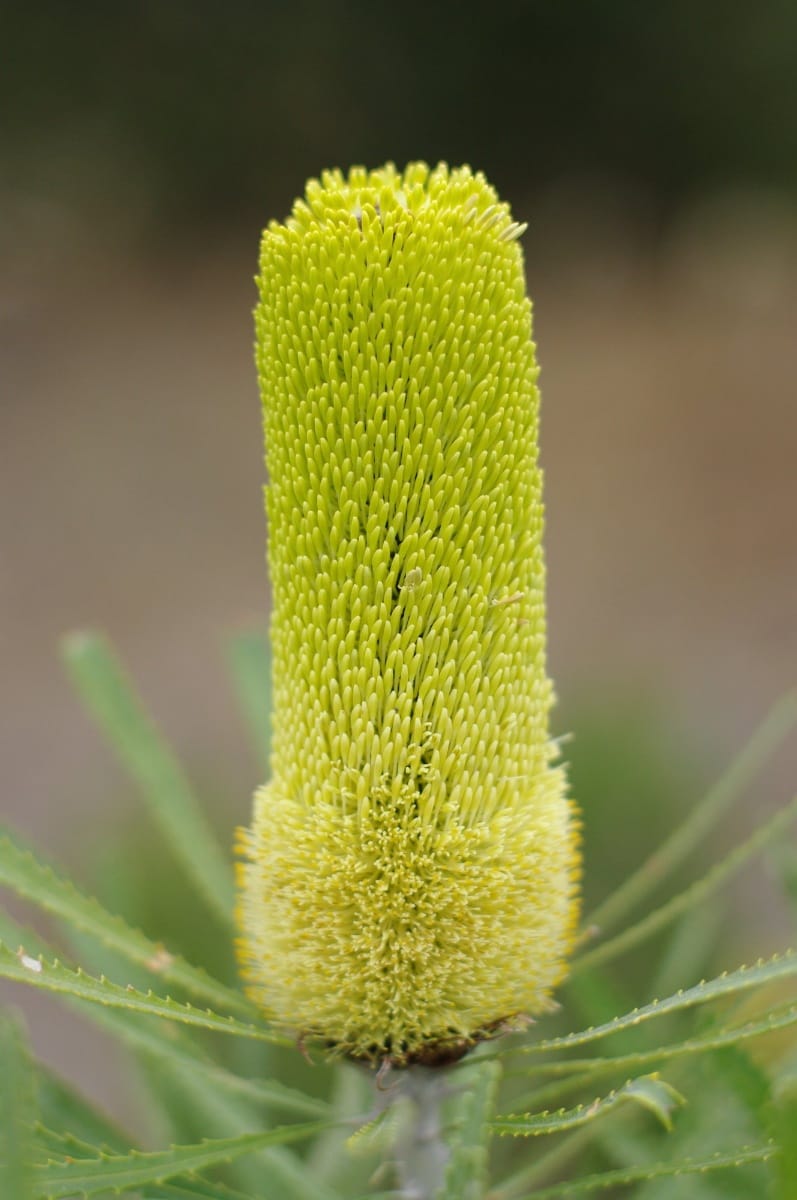
Then came an unexpected discovery. Large numbers of scarab beetles were found visiting the flowers after dark. The observation raised two questions. Were these beetles merely taking advantage of an abundant food source, or were they important pollinators in their own right? And could the plant's unusual fruity scent be acting as a chemical beacon, guiding them to the flowers under the cover of night?
To answer these questions, Stanislaw Wawrzyczek and his team investigated the pollinators of Banskia attenuata. Over four years, they surveyed flowering populations at six sites across Western Australia. The researchers watched flowers during the day and at night, recorded visiting animals with cameras and direct observations, collected insects from the blooms and analysed the flowers' scent using specialised instruments capable of identifying chemical compounds. With this, they recreated the most unusual scent molecules in the laboratory and tested whether these synthetic fragrances could attract beetles in the wild.
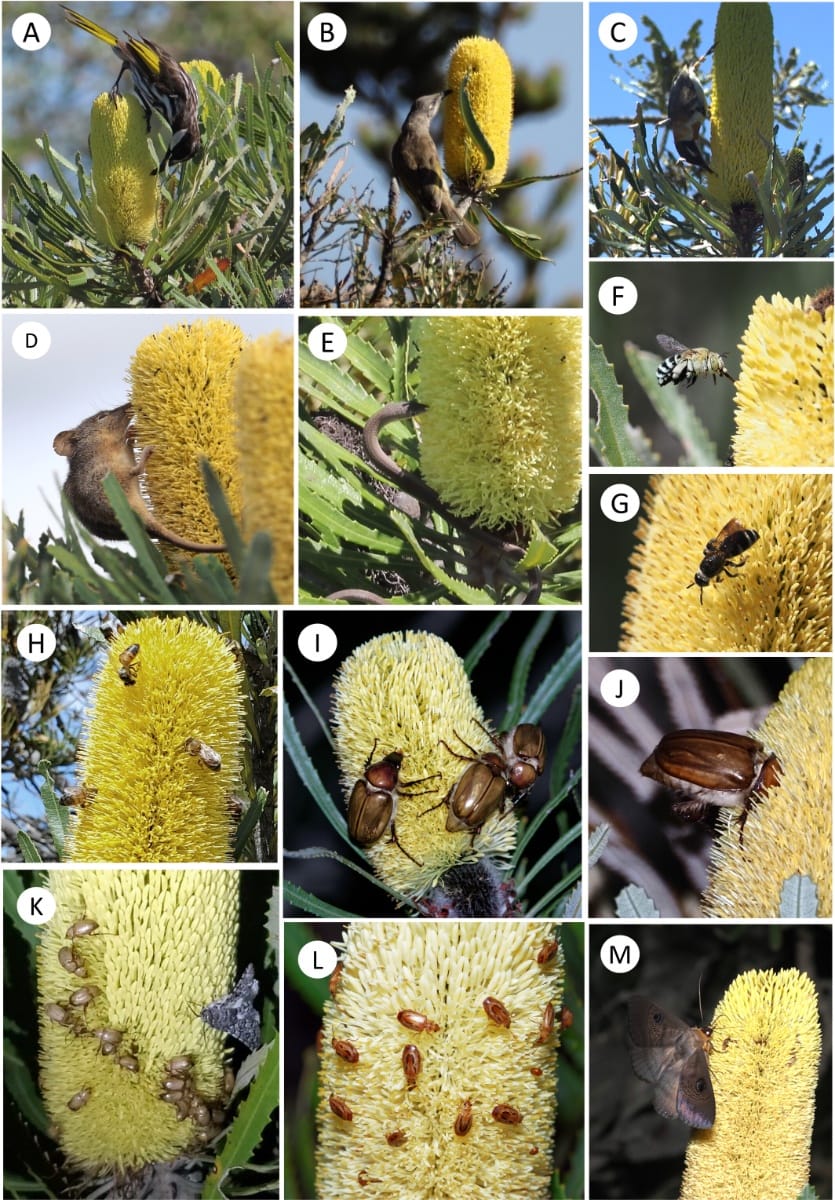
They found that nocturnal beetles are important pollinators of Banksia attenuata. The plant species was visited by birds, Honey possums, bees and other insects. However, the most frequent visitors were two species of scarab beetle, Pachytricha minor and Phyllotocus occidentalis. These beetles arrived in large numbers after dark, feeding on nectar and pollen, carrying substantial loads of Banksia attenuata pollen and even mating on the flower spikes. In other words, they seem to be more than feeders; they appear to be effective pollinators.
They also found that these plants appear to use a highly unusual chemical signal to attract these beetles. They identified two rare scent compounds that were absent in other Banksia species. When these compounds were recreated and tested in the field, they attracted Phyllotocus occidentalis, providing strong evidence that the beetles use the floral scent to locate flowers from a distance.
Overall, these findings reveal a hidden pollination partnership and suggest that Banksia attenuata possesses specialised traits that help recruit nocturnal beetles while still attracting other pollinators. Broadly, the study highlights how much ecological activity occurs beyond our view after sunset and shows that overlooked nocturnal insects may play a far greater role in plant reproduction than scientists once realised.
READ THE ARTICLE:
Wawrzyczek SK, Bohman B, Krauss SL, et al.. 2026. Attraction of nocturnal scarab beetles by unusual floral volatiles in a Banksia (Proteaceae) with functionally diverse pollinators. Plant Biology. https://doi.org/10.1111/plb.70226
Portuguese translation by Victor H. D. Silva.
Cover picture by Andrew Wallace (iNaturalist, CC BY-NC 4.0).